Setting Spray vs Fixing Spray: Ultimate Makeup Guide

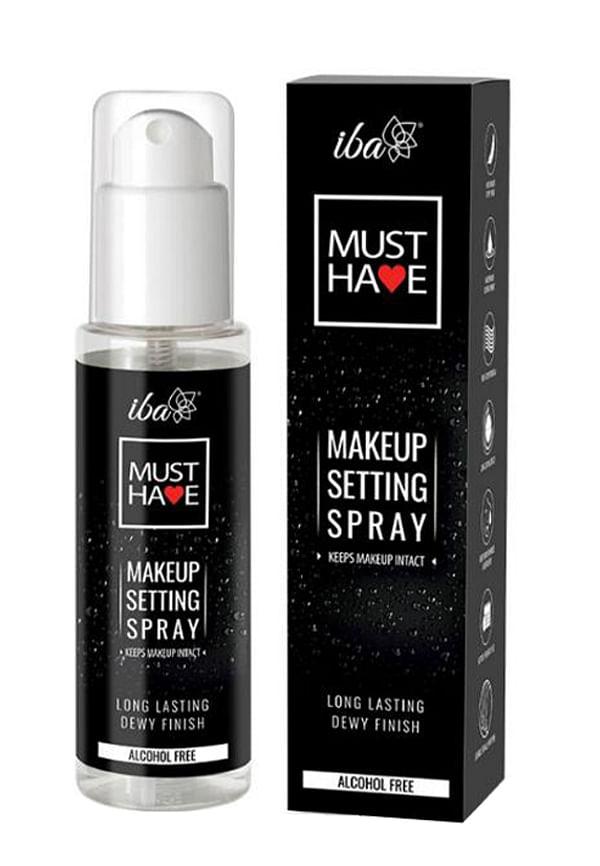
Must Have Makeup Setting Spray - Keeps Makeup Intact
Nice Product, Smooth Skin
 5
5“nice product smooth skin suteble for the first time use u know it good”
Excellent Quality, Exceeded Expectations
4“Positive product comments, such as "Excellent quality," "Exceeded my expectations," and "Worth every penny," highlight specific, beneficial features. Effective, high-quality”
Great Setting Spray
5“I’ve been using the setting spray recently, and I’m just very impressed with how well it works.”
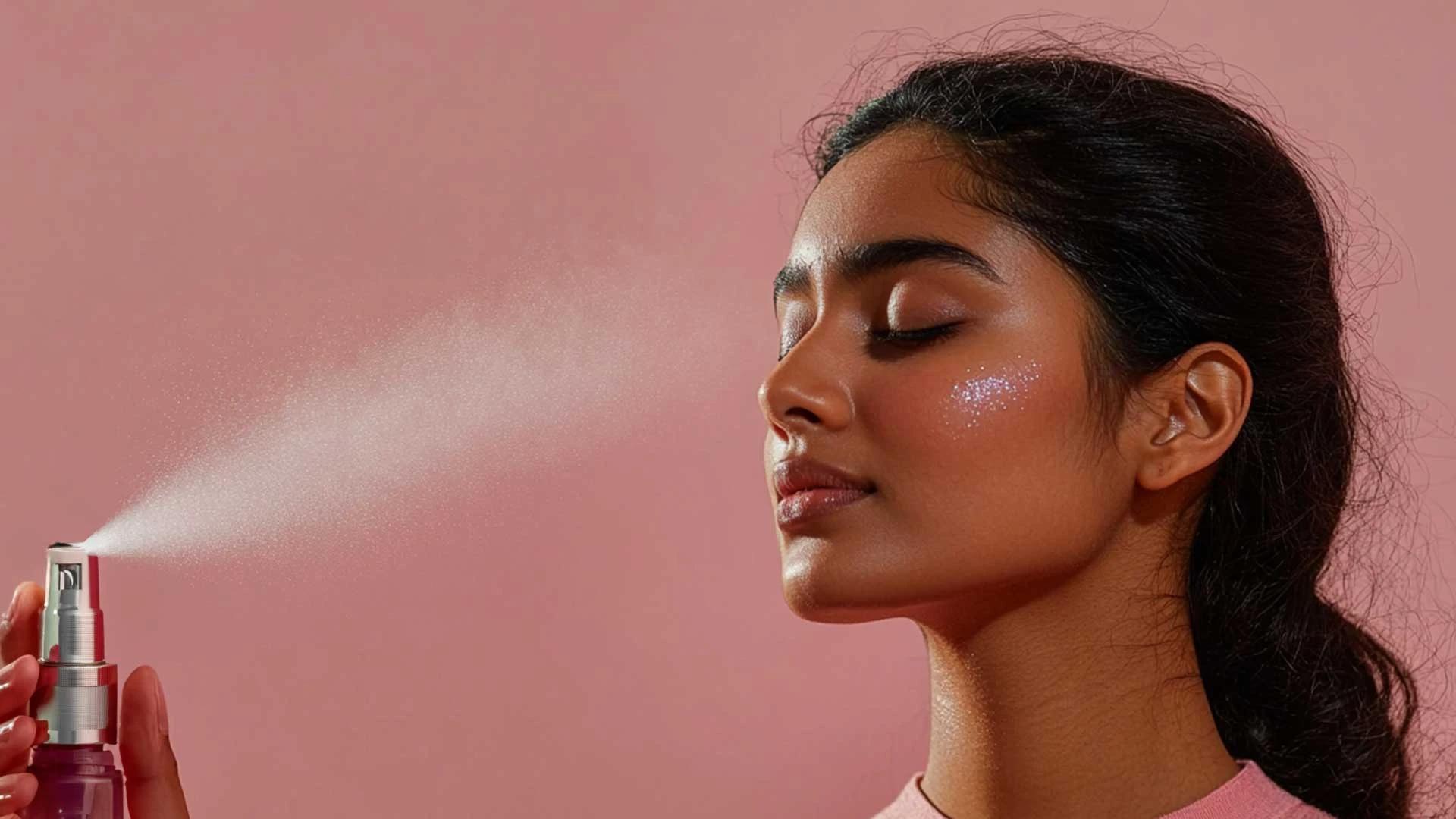
Ever stood in the makeup aisle wondering whether you need a setting spray or fixing spray? You're not alone. These two products get mixed up constantly, and honestly, it's not your fault—brands love throwing around terms like "setting," "fixing," and "finishing" like they're all the same thing. But here's the thing: they're actually quite different, and knowing which one to reach for can totally change your makeup game. Let's break down the setting spray vs fixing spray debate once and for all, so you can make the right choice for your skin and your look.
Right, let's get this straight because the confusion is real. While both products help with your makeup's performance, they work in completely different ways. Think of setting spray as your makeup's best mate—it helps everything blend together beautifully and gives you that fresh, skin-like finish. Fixing spray, on the other hand, is like your makeup's bodyguard—it creates a protective shield to lock everything in place for hours.
Setting spray is all about making your makeup look better. It melts away that powdery finish, adds a gorgeous glow, and helps hydrate your skin throughout the day. The formula is typically water-based with hydrating ingredients that work to blend your makeup layers seamlessly. When you spritz it on, it literally sets your makeup by helping everything meld together for a more natural, skin-like appearance.
Fixing spray has one job: making your makeup last. It contains film-forming polymers and often alcohol that create an invisible barrier over your makeup. This barrier is what makes your look sweat-proof, humidity-resistant, and capable of surviving a full day (or night) without touch-ups. The formula is designed for endurance, not necessarily for the prettiest finish.
The key distinction? Setting spray makes your makeup look good, whilst fixing spray makes it stay put. Many people use "setting spray" as an umbrella term for both, which is where the confusion comes from. But understanding this difference is crucial for choosing the right product for your needs.
Let's talk about why setting spray benefits go way beyond just "making makeup last." This little bottle of magic is actually a multi-tasker that can transform your entire makeup routine. The primary purpose of setting spray is to create that seamless, natural finish that makes your makeup look like it's part of your skin.
Here's what setting spray actually does for your look:
Melts powder products for a skin-like finish instead of that cakey, powdery look
Adds hydration throughout the day, preventing your makeup from looking dry or flaky
Creates a natural glow that makes your skin look healthy and radiant
Helps blend layers of makeup together for a more cohesive look
Refreshes your complexion when used as a mid-day pick-me-up
When it comes to setting spray uses, timing is everything. You can actually use it at multiple points in your routine. Some people love spritzing it before applying makeup to create a hydrated base. Others prefer using it between layers—like after foundation but before powder—to help everything blend seamlessly. And of course, you can use it as a final step to melt everything together.
How to use setting spray properly makes all the difference. Hold the bottle about 6-8 inches from your face and mist evenly across your entire face. Don't go overboard—a few light spritzes are better than one heavy application. Let it dry naturally; don't fan your face or try to speed up the process.
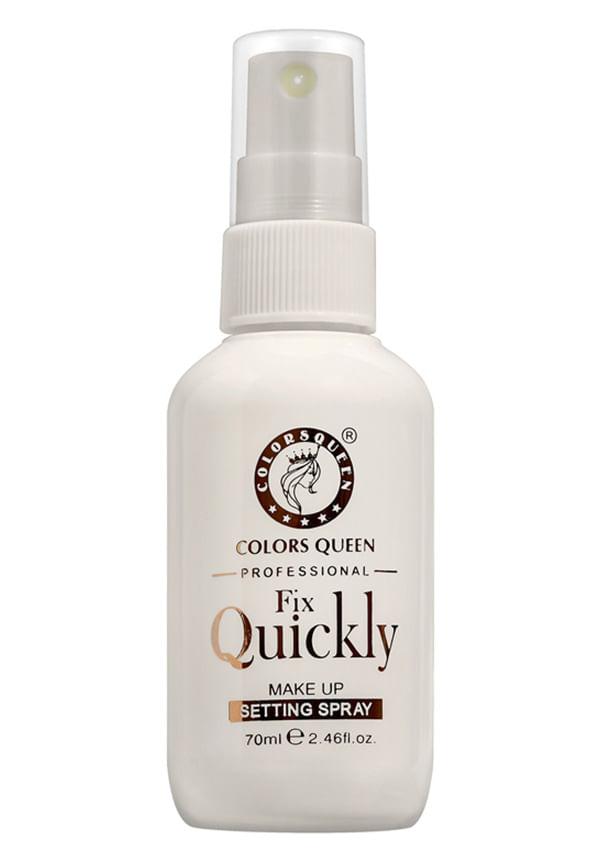
Fix Quickly Makeup Setting Spray
Now, fixing spray benefits are all about longevity and performance. If you're someone who needs their makeup to survive a 12-hour workday, a sweaty commute, or a night of dancing, fixing spray is your best friend. This makeup finishing spray creates a protective film over your makeup that's designed to withstand whatever life throws at you.
The core function of fixing spray is creating that sweat-proof, water-resistant barrier. It's formulated with film-forming polymers that literally lock your makeup in place. Many fixing sprays also contain oil-absorbing ingredients like magnesium carbonate, which help control shine throughout the day.
Here's what makes fixing spray so effective:
Creates a protective barrier that prevents makeup from moving or fading
Controls oil production to prevent breakthrough shine
Resists humidity and sweat for all-day wear
Maintains colour intensity of your makeup throughout the day
Prevents transfer onto clothes, masks, or when touching your face
The key to fixing spray uses is timing—it should always be your final step after all makeup is complete. Unlike setting spray, you don't want to layer other products over fixing spray because it's designed to be the protective top coat. Apply it the same way as setting spray, holding the bottle 6-8 inches away and misting evenly across your face.
Here's where things get interesting in the setting spray vs fixing spray debate—you can actually use both! But the order matters more than you might think. If you're going to layer both products, setting spray should come first, followed by fixing spray as your final step.
The logic is simple: setting spray helps your makeup look its best by blending everything together and adding that natural glow. Once you're happy with how everything looks, fixing spray comes in to lock it all down. Think of setting spray as the styling step and fixing spray as the protective sealant.
Here's the step-by-step approach:
Apply your makeup as usual (foundation, concealer, powder, etc.)
Use setting spray to blend everything together and add glow
Wait for it to dry completely (about 30 seconds to a minute)
Apply fixing spray as your final protective layer
Let everything set before touching your face or putting on clothes
But let's be real—not everyone needs both products. If you're choosing between the two, think about your priorities. Want your makeup to look gorgeous and natural? Go for setting spray. Need it to survive a marathon day? Fixing spray is your pick.
Your skin type plays a huge role in the setting spray vs fixing spray decision. What works brilliantly for your friend with dry skin might be a disaster for your oily complexion, and that's totally normal.
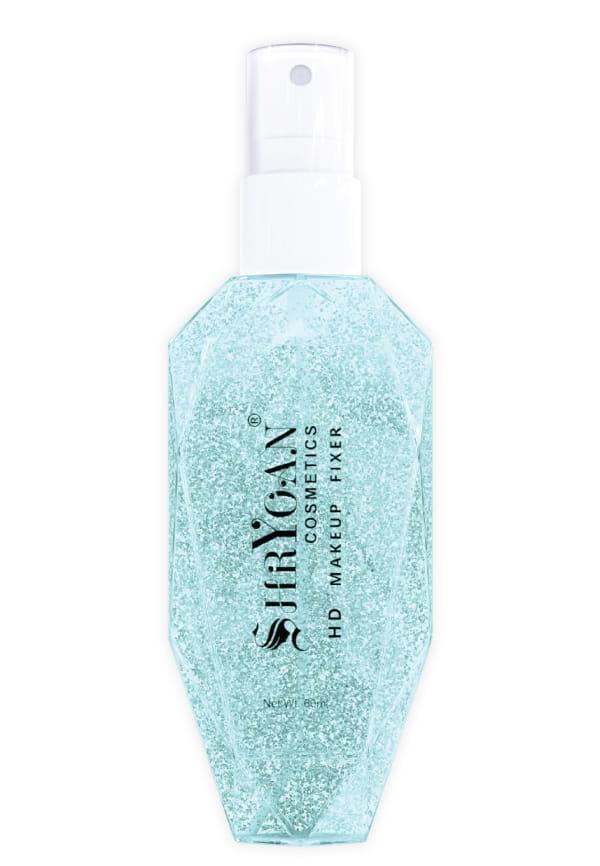
HD Makeup Fixer
Positive Product Feedback
5“It's really cool,I like it....”
Positive Product Review
4“very easy to use and nice product”
Positive Product Review
5“very good and optimistic product”
For oily skin, fixing spray often wins the battle. The oil-controlling ingredients and mattifying properties help keep shine at bay throughout the day. Look for formulas with alcohol or oil-absorbing ingredients that will help control excess sebum production. The film-forming barrier also prevents your natural oils from breaking down your makeup.
If you have dry skin, setting spray is usually the better choice. The hydrating ingredients help prevent your makeup from looking cakey or settling into fine lines. Water-based formulas with glycerin or hyaluronic acid can actually add moisture to your skin throughout the day, keeping your complexion looking fresh and plump.
Combination skin can be tricky, but here's a pro tip: you don't have to use the same product all over your face. Use setting spray on your dry areas (usually cheeks and around the eyes) and fixing spray on your oily zones (typically the T-zone). This targeted approach gives you the best of both worlds.
For sensitive skin, pay attention to alcohol content. High-alcohol formulas can be irritating and drying, so look for gentler, water-based options. Always patch test new products, especially if you have reactive skin.
Let's keep it real—both setting and fixing sprays can go wrong if you're not careful. Understanding the potential pitfalls helps you avoid them and get the best results from your products.
Setting spray disadvantages usually come down to application errors or choosing the wrong formula. Over-application can leave your makeup looking wet or cause it to slide around. Some people with sensitive skin find that certain ingredients cause irritation or breakouts. If you have very oily skin, setting spray alone might not provide enough oil control, leading to breakthrough shine.
Common setting spray mistakes include:
Spraying too close to your face, causing makeup to move or become patchy
Using too much product, which can make makeup look heavy or cakey
Not letting it dry properly before applying additional products
Choosing the wrong formula for your skin type
Fixing spray problems often stem from timing and technique issues. Applying it too early in your routine can prevent other products from adhering properly. Using too much can create a stiff, unnatural feeling on your skin. Some people find that alcohol-heavy formulas are too drying or irritating for daily use.
The key to avoiding these issues is starting with less product than you think you need and building up gradually. Always hold the bottle at the proper distance and let each layer dry completely before adding more.
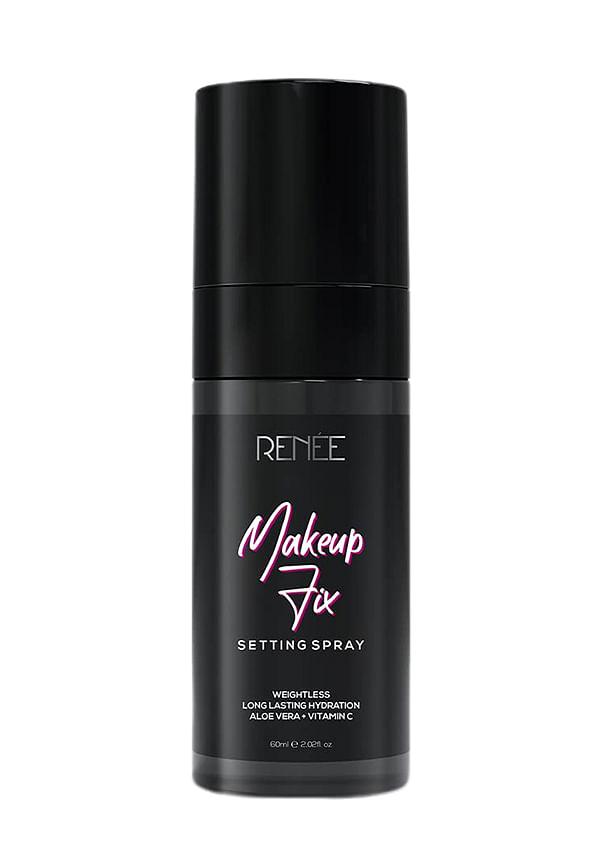
Makeup Fix Setting Spray
Superb and Useful Product
5“superb totally i love it useful to”
Superb and Useful Product
5“superb totally i love it useful to”
Cool, Useful and Great
5“cool cool very useful and great 😸👍🏻 lovedddddd itt”
No, they're quite different! Setting spray focuses on blending your makeup for a natural, skin-like finish and often contains hydrating ingredients. Fixing spray creates a protective barrier to lock makeup in place for extended wear and typically contains film-forming polymers or alcohol-based formulas.
Not necessarily. It depends on your needs and preferences. If you want the benefits of both—a natural finish and long-lasting wear—you can use both products in the right order. However, many people find that one product meets their needs perfectly fine.
Setting spray can cause skin sensitivity or irritation in some people, especially those with reactive skin. Over-application can lead to a cakey finish or clogged pores. For very oily skin types, setting spray alone might not provide sufficient oil control for all-day wear.
Fixing spray is superior for longevity. It's specifically formulated to create a protective barrier that prevents makeup from moving, fading, or breaking down throughout the day. Setting spray focuses more on appearance than endurance.
Setting spray complements primer and powder but doesn't replace them. Each product has a specific role: primer creates a smooth base, powder sets liquid products, and setting spray blends everything together. They work best when used together as part of a complete routine.
The setting spray vs fixing spray debate doesn't have to be complicated. Both products have their place in the makeup world, and the right choice depends on your skin type, lifestyle, and what you want from your makeup routine. Setting spray is your go-to for that fresh, natural finish, whilst fixing spray is unbeatable for all-day staying power.
The beauty of makeup is that there's no one-size-fits-all solution. What works for your mate might not work for you, and that's perfectly fine. The key is understanding what each product does and choosing based on your specific needs. Whether you're team setting spray, team fixing spray, or team both-please-and-thank-you, the most important thing is finding products that make you feel confident and comfortable.
Speaking of finding the right products, this is where Smytten comes in handy. As India's largest product discovery and trial platform, Smytten lets you explore mini-sized versions of makeup products from over 1,500 trusted brands before committing to full-size purchases. With trial packs available for just ₹249 and 100% cashback on your purchase, you can try different setting and fixing sprays to find your perfect match without the financial risk. After all, why settle for 'maybe' when you can #TryItAll and discover what actually works for your skin?
