Primer vs Moisturizer: The Ultimate Skincare Showdown

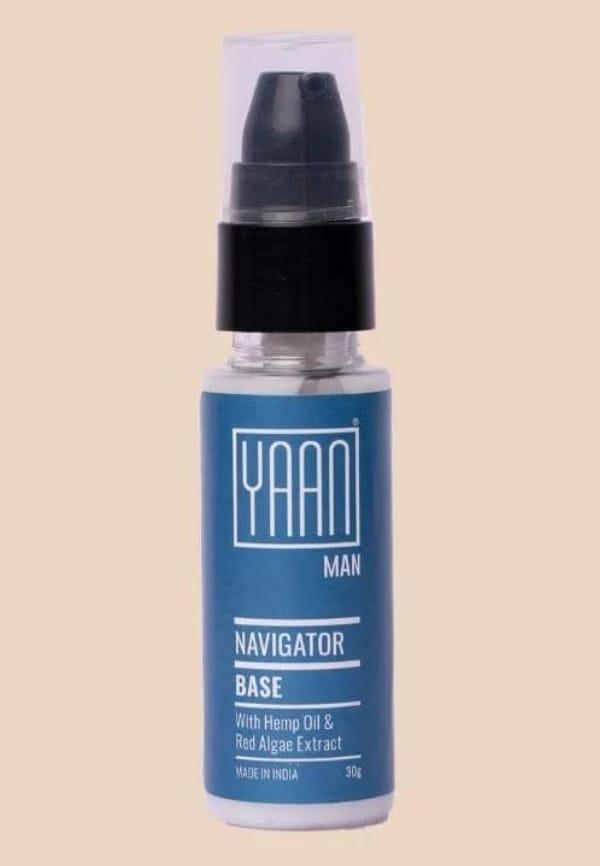
Base
Let's be real—the primer vs moisturiser debate has probably left you staring at your vanity, wondering if you actually need both or if one can do the job of two. You're not alone in this confusion. With endless product launches and beauty gurus swearing by different routines, it's easy to feel overwhelmed. The truth is, both products serve completely different purposes in your makeup routine, and understanding the primer moisturiser difference can be the game-changer your makeup has been waiting for. Whether you're team minimal-effort or full-glam, knowing when and how to use each product will help you create that flawless base everyone's after.
Think of your skincare and makeup routine like prepping a canvas for painting. Your moisturiser is like treating the canvas itself—nourishing it, keeping it healthy, and ensuring it's in the best condition possible. Your primer, on the other hand, is like applying a base coat that creates the perfect surface for your artwork to shine.
Your moisturiser is fundamentally about skin health. It's working to hydrate your skin, strengthen your skin barrier, and keep everything balanced. The moisturiser ingredients you'll commonly find include hyaluronic acid for hydration, ceramides for barrier repair, glycerin for moisture retention, and peptides for skin renewal.
Here's what makes a great moisturiser tick:
Hydration boost: Draws moisture into your skin and locks it in
Barrier protection: Shields your skin from environmental damage
Skin prep: Creates a smooth, supple base for whatever comes next
Long-term benefits: Improves skin texture and health over time
A primer for face is all about performance. It's designed to create the ideal surface for makeup application and help your look last longer. The primer ingredients are quite different—think silicones like dimethicone, polymers for smoothing, and light-reflecting particles for that soft-focus effect.
The makeup primer benefits include:
Smooth application: Fills in pores and fine lines for an even canvas
Extended wear: Helps your makeup stay put for hours longer
Enhanced colour payoff: Makes your foundation and concealer look more vibrant
Texture control: Mattifies oily areas or adds glow where needed
The types of primer available can feel endless, but they generally fall into a few key categories. Mattifying primers work brilliantly for oily skin, whilst hydrating formulas are perfect if you're looking for the best primer for dry skin. You've also got colour-correcting primers that tackle redness or dullness, and pore-minimising ones that create that Instagram-filter effect in real life.
Here's where things get non-negotiable—moisturiser before primer is the only way to go. This isn't just beauty guru preference; it's about how these products actually work on your skin. Your moisturiser needs direct contact with your skin to do its hydrating magic, whilst your primer creates a barrier that can block absorption if applied first.
The correct sequence looks like this:
Complete your skincare routine (cleanser, serums, moisturiser)
Wait 2-3 minutes for everything to absorb properly
Apply SPF if you're using a separate sunscreen
Apply primer in thin, even layers
Continue with your makeup routine
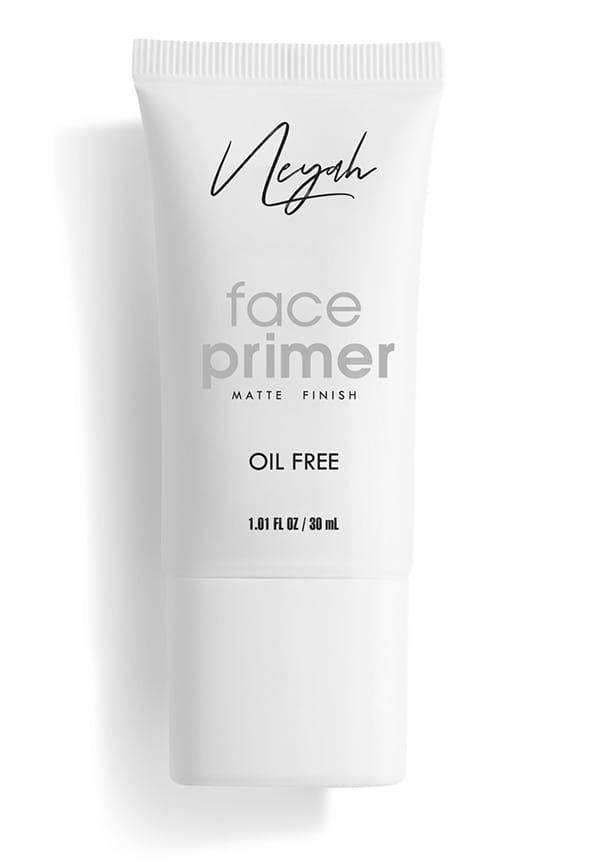
Matte Finish Face Primer
When you flip this order, you're essentially creating a barrier between your moisturiser and your skin. This means your skin doesn't get the hydration it needs, and your moisturiser might pill or ball up on top of your primer. Even if you have oily skin and think you can skip steps, the same rule applies—proper hydration actually helps control oil production in the long run.
Let's talk about why primer deserves a spot in your routine. The makeup primer benefits go way beyond just creating a smooth base—though that's definitely a major perk. A good primer can extend your makeup wear time by 4-8 hours, which is honestly life-changing if you've ever had your foundation disappear by lunchtime.
For different skin types, the benefits vary slightly. If you're searching for the best primer for dry skin, look for hydrating formulas with ingredients like hyaluronic acid or glycerin. These primers add an extra layer of moisture whilst still creating that smooth makeup base you're after.
The difference a primer makes isn't just theoretical—it's something you'll see and feel throughout the day:
Smoother application: Your foundation glides on effortlessly
Better colour payoff: Your makeup looks more vibrant and true-to-pan
Longer wear time: No more touch-ups every few hours
Improved texture: Pores and fine lines appear minimised
The key to getting the most from your primer is matching it to your skin's needs. Oily skin benefits from mattifying primers that control shine, whilst dry skin thrives with hydrating formulas. If you have combination skin, you might even use different primers on different areas of your face—mattifying on your T-zone and hydrating on your cheeks.
Not all moisturisers play nicely under makeup, which is why finding the best moisturiser for makeup is crucial. You want something that absorbs quickly, doesn't feel heavy or greasy, and creates a smooth base without interfering with your primer or foundation.
The ideal makeup-friendly moisturiser should tick these boxes:
Fast absorption: No waiting around for ages between steps
Lightweight texture: Hydrates without feeling heavy
Non-greasy finish: Won't make your makeup slide around
Compatible formulation: Works well with various primer types
When you're shopping for a moisturiser that'll work beautifully under your makeup, look for ingredients like niacinamide (great for oil control), hyaluronic acid (lightweight hydration), and squalane (absorbs quickly without greasiness). Avoid heavy oils or overly rich formulas that might cause your makeup to pill or separate.
Even the best moisturiser needs time to absorb properly before you apply primer. Give it at least 2-3 minutes, or until your skin feels smooth and no longer tacky to the touch. This patience pays off in smoother makeup application and better wear throughout the day.
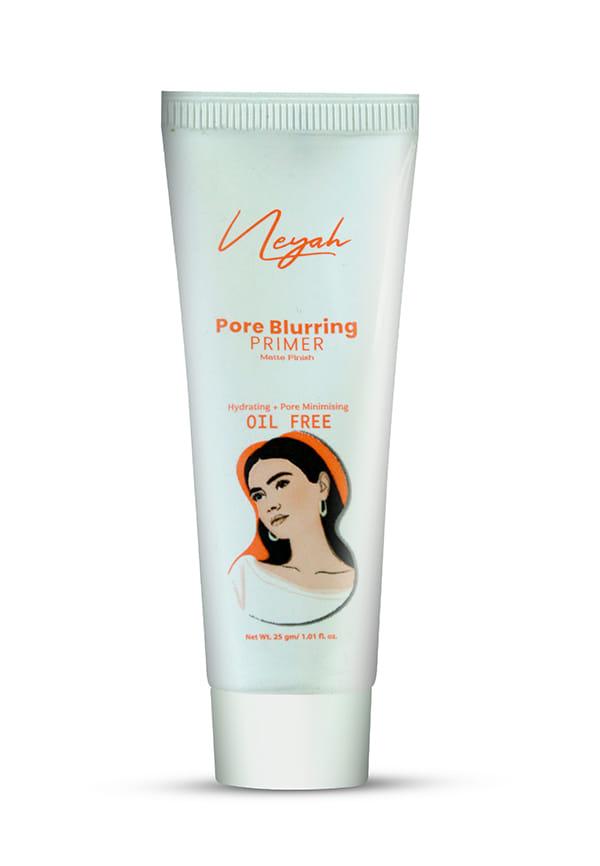
Pore Blurring Primer
You might be wondering if there's a magical product that can handle both moisturising and priming duties. The answer is... sort of. There are hybrid products that combine hydrating ingredients with primer technology, and they can work brilliantly for certain situations and skin types.
These 2-in-1 products are perfect when you're rushing out the door or prefer a more minimal routine. However, they typically won't perform as well as dedicated products in each category. It's a trade-off between convenience and optimal performance.
Combination moisturiser-primers shine in these scenarios:
Minimal makeup days: When you're just wearing concealer and mascara
Time constraints: Those mornings when every minute counts
Travel situations: Fewer products to pack and worry about
Budget considerations: One product instead of two
Whilst hybrid products are convenient, they can't quite match the performance of specialised products. A dedicated primer will always create a smoother base and extend wear time better than a moisturiser with priming properties. Similarly, a proper moisturiser will provide better long-term skin benefits than a primer with hydrating ingredients.
Even when you understand the primer vs moisturiser basics, there are still plenty of ways things can go wrong. The most common mistake is using too much product—both moisturiser and primer should be applied in thin, even layers. Piling on product leads to pilling, caking, and makeup that slides right off your face.
Another frequent error is not waiting long enough between steps. Your skin needs time to absorb each product properly, and rushing this process almost always leads to disappointing results.
If your makeup is sliding off despite using primer, check that you're using compatible formulas. Water-based primers work best with water-based foundations, whilst silicone-based primers pair beautifully with silicone-based foundations. Mixing incompatible formulas can cause separation and poor wear.
For those dealing with dry patches even after moisturising, you might need a more hydrating formula or to apply your moisturiser to slightly damp skin for better absorption. Oily skin that's still shiny after primer might benefit from a mattifying powder or setting spray as the final step.
Here's what makeup artists swear by: always apply primer with gentle patting motions rather than rubbing, focus extra product on areas where makeup tends to fade first (around your nose and mouth), and don't forget your eyelids if you're planning to wear eyeshadow.
For special occasions when you need your makeup to last all day and night, consider using a setting spray between your moisturiser and primer for extra staying power. This creates multiple layers of protection that help everything stay put.
Finding your ideal moisturiser and primer combination might take some experimentation, and that's where Smytten becomes your best friend. As India's largest product discovery platform, Smytten lets you try mini versions of over 1,500 trusted brands before committing to full-size purchases. You can explore different moisturisers and primers from brands like Dot & Key, Renee, and Love, Beauty & Planet without the risk of wasting money on products that don't work for your skin.
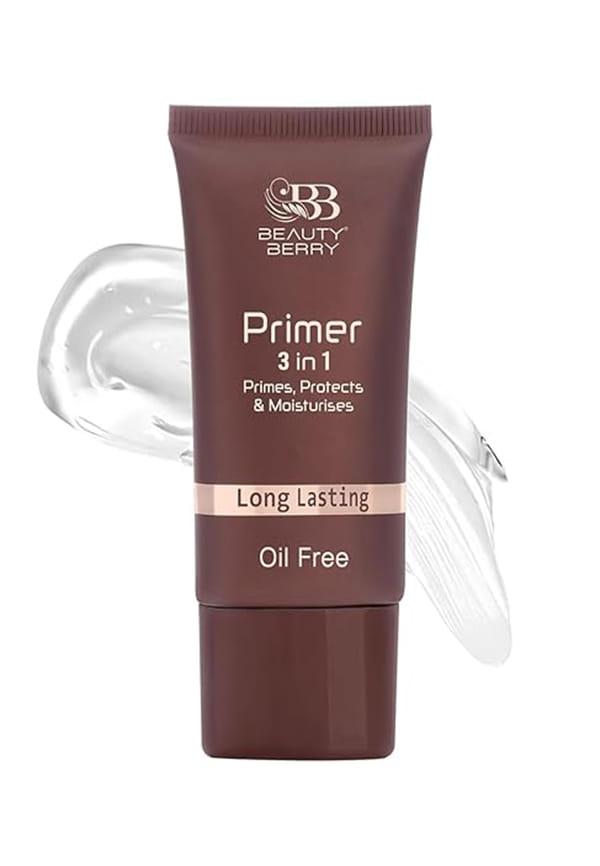
3 IN 1 PRIMER
With Smytten's Trial Points system, you can get up to 8 minis for just ₹249, plus enjoy 100% cashback that's redeemable for future orders. This makes it incredibly easy to test different combinations and find what works best for your skin type and makeup preferences. When you discover a product you love, purchasing the full-size version is just a click away.
No, moisturiser and primer serve completely different purposes. Moisturiser hydrates and nourishes your skin for health and comfort, whilst primer creates a smooth base specifically for makeup application and longevity.
Always apply moisturiser first, then primer. Wait 2-3 minutes between applications to allow proper absorption. This order ensures your skin gets the hydration it needs whilst creating the best possible base for makeup.
Yes, primer isn't absolutely essential, especially for natural or minimal makeup looks. However, primer significantly improves makeup longevity, smooths skin texture, and enhances application, so it's worth trying if you want your makeup to last longer.
These terms are often used interchangeably and refer to products that create a smooth foundation for makeup application. Some makeup bases might be tinted, whilst primers are typically clear or have subtle colour-correcting properties.
No, even oily skin needs proper hydration. Skipping moisturiser can actually make your skin produce more oil to compensate. Use a lightweight, oil-free moisturiser followed by a mattifying primer for best results.
Wait 2-3 minutes, or until your skin no longer feels tacky to the touch. This ensures your moisturiser has absorbed properly and won't interfere with your primer application.
The primer vs moisturiser debate doesn't have to be complicated. Both products have their place in a well-rounded beauty routine, and understanding their unique roles helps you make better choices for your skin. Remember, moisturiser is about skin health and hydration, whilst primer is about makeup performance and longevity.
The key takeaway? You don't have to choose between them—they work beautifully together when used in the right order. Start with a moisturiser that suits your skin type, follow with a primer that addresses your specific concerns, and you'll have created the perfect canvas for whatever makeup look you're going for.
Whether you're just starting your beauty journey or looking to refine your routine, remember that finding the right products takes time and experimentation. With platforms like Smytten making it easier and more affordable to try new products, there's never been a better time to discover what works best for your unique skin. After all, why settle for 'maybe' when you can try it all and find your perfect match?
