Makeup for Beginners: Your Complete Step-by-Step Guide

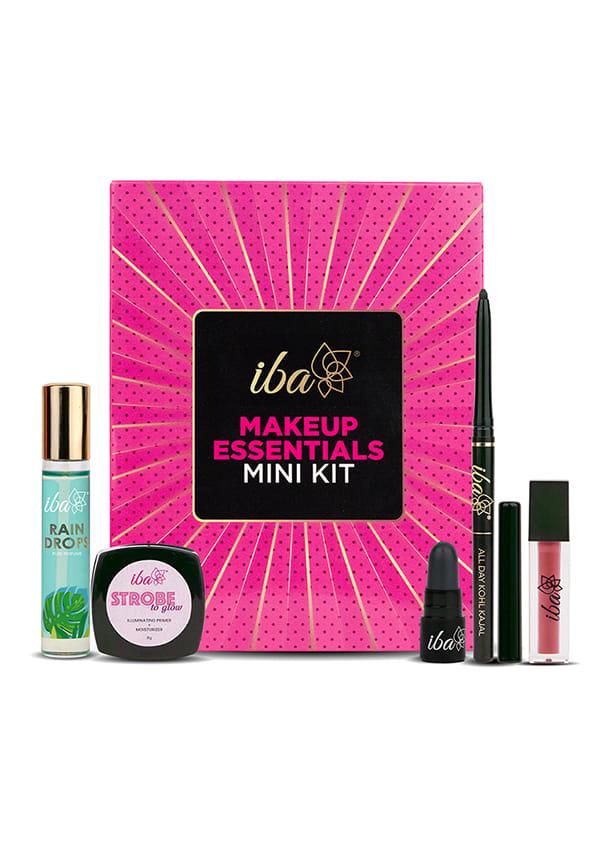
Mini Makeup Essentials Kit for Women
Starting your makeup journey can feel like learning a new language—exciting but slightly overwhelming. Whether you're 18 or 35, diving into the world of beginner makeup doesn't have to be scary. The key is taking it step by step, building your confidence one technique at a time. This complete guide breaks down everything you need to know about makeup for beginners step by step, from choosing your first products to mastering basic application techniques. Real talk: you don't need to become a makeup artist overnight. Focus on learning the fundamentals, and soon you'll have a solid basic makeup routine that works for your lifestyle.
Before jumping into application techniques, let's sort out what actually belongs in your beginner makeup kit. The beauty industry loves to convince you that you need everything, but honestly? Start small and build up as you discover what works for your face.
Your starter kit doesn't need to break the bank or take up half your dresser. Focus on these must-haves first:
Foundation or tinted moisturiser that matches your skin tone
Concealer one shade lighter than your foundation
Mascara in black or brown
Blush in a shade that mimics your natural flush
Lip balm or tinted lip product
Setting powder to lock everything in place
Skip the 50-shade eyeshadow palettes for now. A neutral brown or taupe eyeshadow single will serve you better as you're learning. When you're ready to experiment with more colours, trial-sized products let you test different shades without committing to full sizes—perfect for discovering your preferences.
Good news: your fingers are actually brilliant makeup tools. For beginners, you only need a few basics:
Beauty sponge for blending foundation and concealer
Fluffy powder brush for setting powder and blush
Small eyeshadow brush for precise application
Spoolie brush for grooming brows and separating lashes
Clean your tools weekly with gentle shampoo or brush cleanser. Replace sponges every few months and brushes when they start shedding excessively or lose their shape.
Think of your skin as a canvas—the better you prep it, the better your everyday makeup for beginners will look. This step is non-negotiable, even when you're rushing out the door.
Start with clean skin, always. Use a gentle cleanser that doesn't strip your skin, then follow with a moisturiser suited to your skin type. Oily skin? Go for something lightweight and oil-free. Dry skin? Choose a richer, more hydrating formula.
Wait about five minutes after moisturising before applying makeup. This gives your skincare time to absorb properly, preventing your foundation from sliding around or looking patchy.
Primer isn't just marketing fluff—it genuinely helps your makeup last longer and look smoother. Apply a thin layer all over your face, focusing on areas where your makeup tends to fade first (usually around your nose and chin).
Different primers solve different problems. Pore-minimising primers smooth texture, while hydrating primers add moisture. Colour-correcting primers can neutralise redness or dullness. Start with a basic smoothing primer and experiment from there.
Your base makeup—foundation, concealer, and setting powder—creates the foundation for everything else. Getting this right is crucial for a polished look that doesn't feel heavy or obvious.
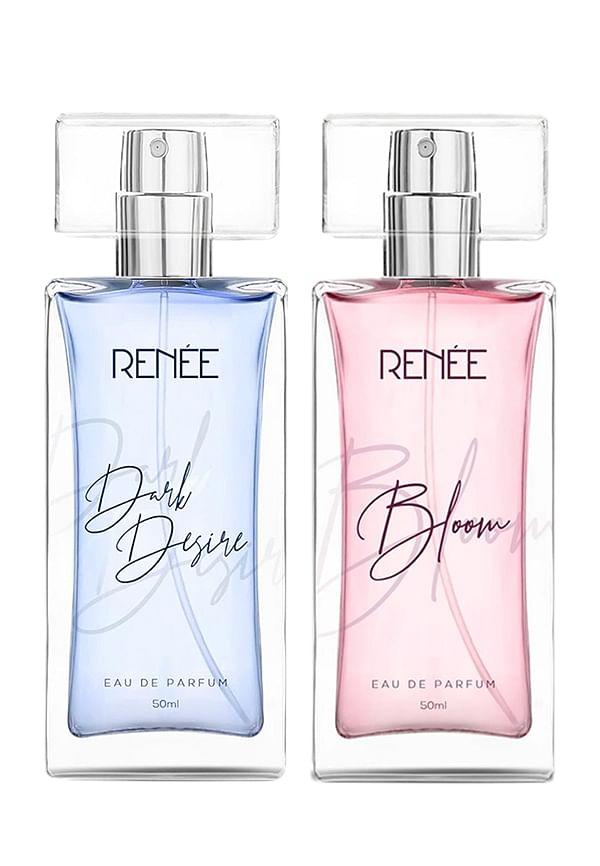
Day & Night Kit
Good product, recommended
 5
5“Good product. nice one. must buy”
Amazing Fragrance
5“Go for it !.. The fragrance is just wow”
Mind Blowing Fragrance
5“good fragrance mind blowing 💓”
Finding your perfect foundation shade is half the battle. Test shades on your jawline in natural light, not on your hand or wrist. The right shade should disappear into your skin.
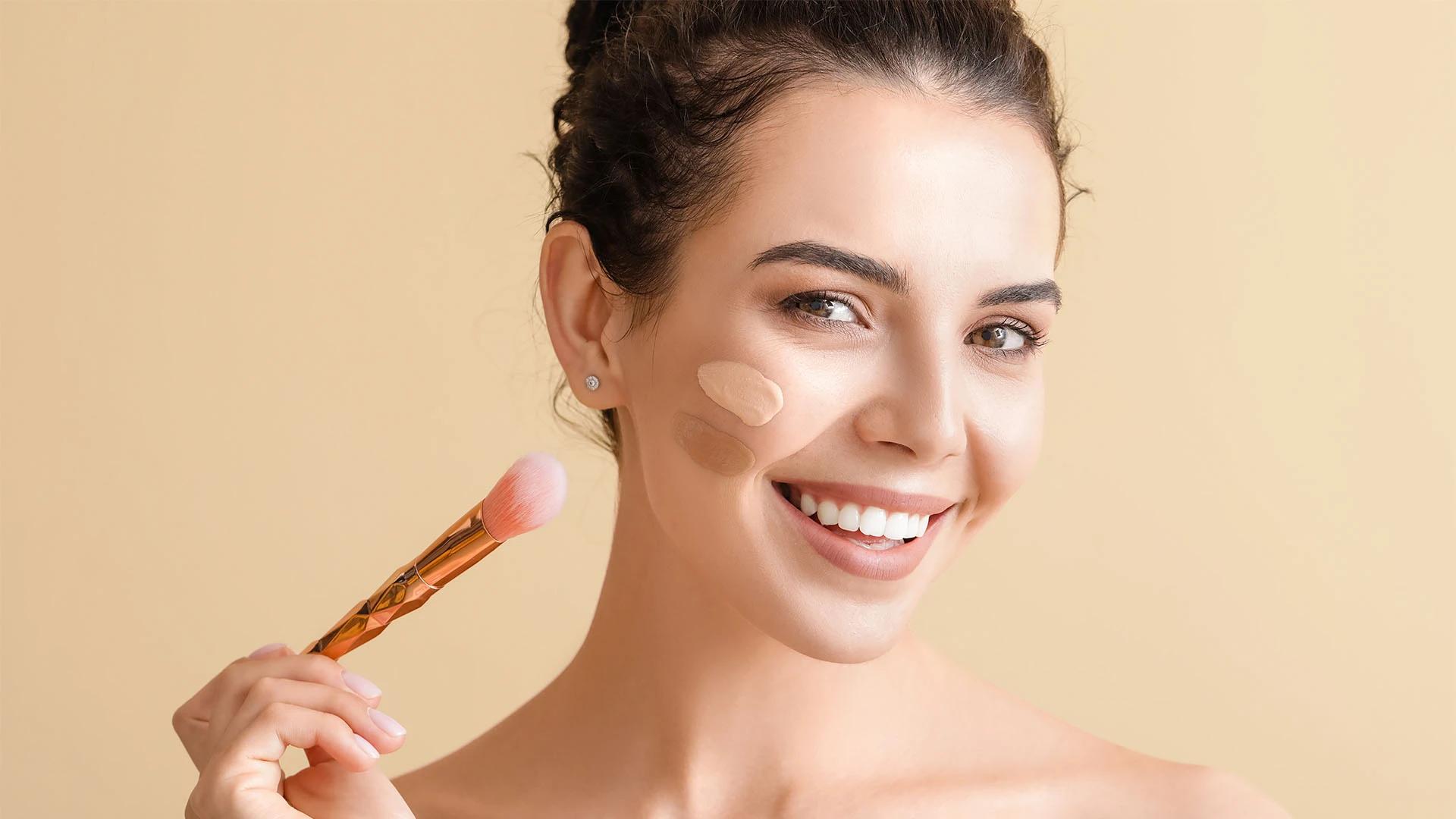
For application, start with less than you think you need. Dot foundation on your forehead, cheeks, nose, and chin, then blend outward using a damp beauty sponge or your fingers. Build coverage gradually—you can always add more, but taking away excess is trickier.
Blend downward and outward, making sure to blend well along your jawline and hairline. The goal is seamless coverage that looks like your skin, just better.
Concealer isn't just for under-eye circles. Use it to spot-conceal blemishes, redness around your nose, and any other imperfections your foundation didn't cover.
For under-eyes, apply concealer in an inverted triangle shape and blend the edges. This technique brightens your entire eye area, not just the dark circles. Pat, don't rub—the skin here is delicate.
When concealing spots, use a small brush or your fingertip to pat concealer directly onto the blemish, then gently blend just the edges.
Setting powder locks your base in place and prevents shine throughout the day. Use a fluffy brush to apply a light dusting all over your face, focusing on your T-zone where you tend to get oily first.
Press the powder into your skin rather than sweeping it on—this helps it adhere better and last longer.
Now for the fun part—bringing your face to life with colour. This is where your simple makeup looks start to take shape and your features get definition.
Smile to find the apples of your cheeks—that's where blush looks most natural. Apply blush to the rounded part of your cheeks and blend upward toward your temples.
Start with very little product and build up gradually. It's much easier to add more blush than to tone down an overly rosy look. Choose shades that complement your skin tone: peachy tones for warm undertones, pink or berry shades for cool undertones.
Bronzer adds warmth and dimension to your face. Apply it where the sun would naturally hit: forehead, cheeks, nose, and chin. Use a light hand and blend well—you want a subtle glow, not obvious stripes.
For highlighting, stick to the high points of your face: cheekbones, bridge of your nose, and cupid's bow. A subtle glow looks more natural than an intense shine when you're starting out.
Eye makeup can feel intimidating, but starting with makeup basics makes it manageable. Focus on enhancing your natural eye shape rather than creating dramatic looks.
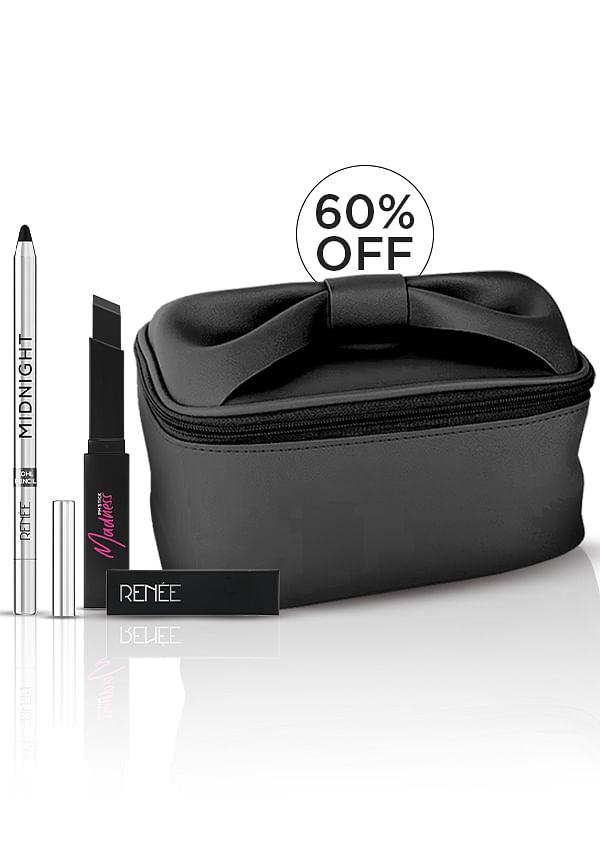
Midnight Glam Kit
Positive Product Review
5“nice product use full thank you smytten”
Positive Product Review
5“came with good packaging and product are really good”
Great Combo, Good Quality
5“overall love the combo good quality”
Well-groomed brows frame your entire face. Start by brushing your brows upward with a spoolie to see their natural shape. Fill in any sparse areas with short, hair-like strokes using a brow pencil or powder one shade lighter than your natural brow colour.
Follow your natural brow shape rather than trying to create a completely new one. Trim any overly long hairs and pluck obvious strays, but avoid over-tweezing.
Start with neutral shades that enhance your eye colour. A single eyeshadow in a shade slightly deeper than your skin tone, swept across your eyelid, creates instant definition.
For more dimension, use a slightly darker shade in your crease and blend upward and outward. The key to good eyeshadow is blending—use small, circular motions to soften any harsh lines.
Mascara opens up your eyes and makes your lashes look fuller. Start at the base of your lashes and wiggle the wand upward to separate and coat each lash. Apply two thin coats rather than one thick, clumpy layer.
For eyeliner, start with a brown pencil—it's more forgiving than black. Line close to your lash line, making the line thicker toward the outer corner of your eye. This creates a subtle lifting effect.
The final steps of your makeup application techniques pull everything together and ensure your look lasts throughout the day.
For everyday wear, tinted lip balms or lip stains work brilliantly. They add colour while keeping your lips moisturised and comfortable. Apply from the centre of your lips outward for the most natural look.
If you prefer lipstick, blot after the first application, then apply a second layer for longer wear. This technique helps the colour adhere better to your lips.
Setting spray helps lock everything in place and gives your skin a natural, dewy finish. Hold the bottle about arm's length away and mist your face lightly.
For touch-ups throughout the day, carry blotting papers, your lipstick, and a small powder compact. Blot away excess oil before reapplying powder to avoid a cakey buildup.
Discovering the right products for your easy makeup tutorial journey doesn't have to involve expensive mistakes. Platforms like Smytten let you try mini versions of products from trusted brands before committing to full sizes, making it easier to find your perfect match without the guesswork.
The basic steps are: prep your skin with cleanser and moisturiser, apply primer, foundation, concealer, set with powder, add blush, do simple eye makeup (brows, mascara), and finish with lip colour and setting spray.
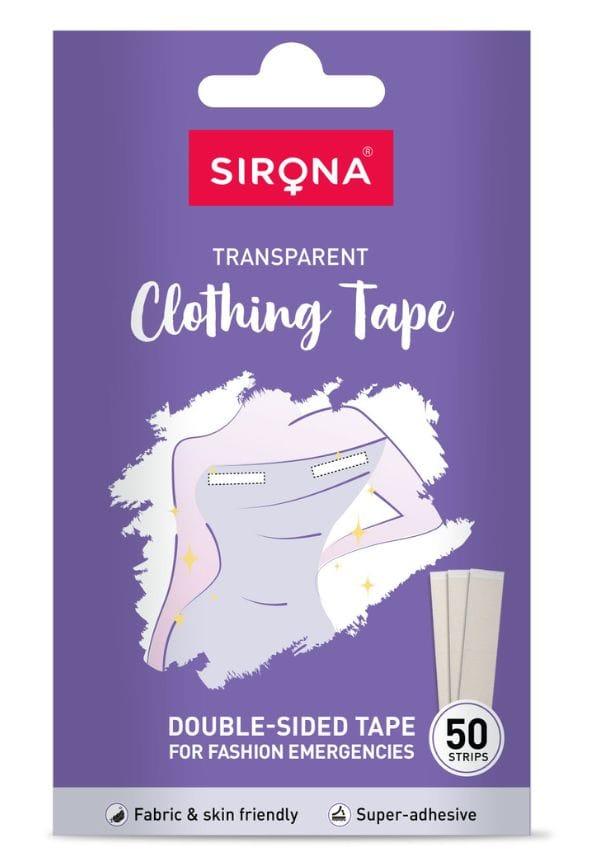
Fashion Strips
Useful and Good Quality Product
4“very useful product and is of nice quality”
Useful and Good Quality Product
4“very useful product and is of nice quality”
Useful and Good Quality Product
4“very useful product and is of nice quality”
Start with foundation or tinted moisturiser, concealer, mascara, blush, a neutral eyeshadow, and a tinted lip product. These basics create a complete look without overwhelming you with too many products.
Always start with skincare, then primer, foundation, concealer, powder, eyebrows, eyeshadow, eyeliner, mascara, blush, bronzer/highlight, lips, and finally setting spray.
A basic makeup routine should take 10-15 minutes once you're comfortable with the techniques. As you're learning, allow 20-30 minutes to practice without rushing.
Common mistakes include using the wrong foundation shade, applying too much product at once, not blending properly, skipping primer, and not setting makeup with powder or spray.
If your makeup looks obvious, feels heavy, or doesn't move naturally with your facial expressions, you're probably using too much. Good makeup should enhance your features, not mask them.
Absolutely! Daily wear actually helps you practice and improve your skills. Just make sure to remove it properly each night and give your skin regular breaks.
Oily skin benefits from oil-free, long-wearing formulas. Dry skin needs hydrating products with moisturising ingredients. Sensitive skin should avoid fragranced products and opt for gentle, hypoallergenic formulas.
Both can work brilliantly for beginners. Drugstore options are budget-friendly for experimenting, while high-end products often have better staying power. Focus on finding the right shade and formula for your skin rather than the price point.
Practice regularly, start with simple looks, watch tutorials, and remember that makeup is meant to be fun. Everyone makes mistakes while learning—it's part of the process.
Mastering makeup for beginners step by step is a journey, not a destination. Start with the basics, practice regularly, and don't be afraid to experiment. Remember, the best makeup look is one that makes you feel confident and comfortable in your own skin.
Your makeup tips for beginners journey becomes much easier when you can try products risk-free. With over 25 million users trusting the platform, Smytten offers curated trial packs from over 1,500 brands, letting you explore different makeup products before committing to full sizes. You can get up to 8 minis for just ₹249, with 100% cashback redeemable for future purchases. This approach takes the guesswork out of finding your perfect products, making your makeup learning journey both affordable and enjoyable. After all, why settle for 'maybe' when you can try it all?
