How to Master the Best Makeup Application Techniques for Beginners

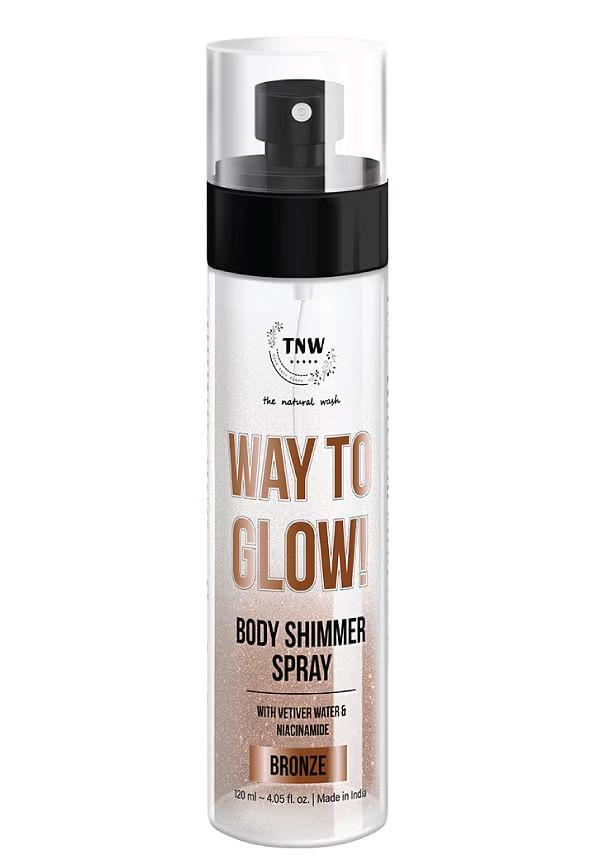
Way to Glow Body Shimmer Spray! | Nourishes skin | For body radiance | Enhance skin texture | Daily skin care | 120ml
Starting your makeup journey can feel overwhelming when you're staring at endless tutorials and product recommendations. The truth is, mastering the best makeup application techniques isn't about having the most expensive products or following complex routines. It's about understanding the basics, practising consistently, and finding what works for your unique features. Whether you're aiming for a natural everyday look or something more glam, these foundational techniques will set you up for success. Let's break down everything you need to know to go from makeup novice to confident creator.
Before diving into techniques, you need the right tools in your kit. Think of makeup tools as your paintbrushes—they can make or break your final look. The good news is you don't need to break the bank to get started with quality basics.
Your beginner kit should include a few key items: a good foundation brush or beauty sponge, a fluffy powder brush, a basic eyeshadow brush set, and a blending brush. Start with one quality concealer, a foundation that matches your skin tone, a neutral eyeshadow palette, mascara, and a lip product you love. This foundation gives you everything needed to practise the essential makeup techniques without overwhelming your budget or vanity space.
Real talk—expensive doesn't always mean better. Many drugstore brushes perform just as well as their high-end counterparts. Focus on brush density and softness rather than brand names. A dense, flat brush works brilliantly for foundation application, while fluffy brushes are perfect for blending. The key is understanding what each tool does and choosing ones that feel comfortable in your hands.
Clean tools are non-negotiable for flawless makeup application. Wash your brushes weekly with gentle shampoo or brush cleanser, and spot-clean between uses with a quick-dry brush cleanser. Clean tools not only prevent breakouts but also ensure your makeup applies smoothly and blends seamlessly.
Foundation application sets the stage for everything else, so getting this right is crucial. The goal isn't to create a mask—it's to even out your skin tone while letting your natural skin shine through. Think of foundation as your canvas prep rather than heavy coverage.
Oily skin benefits from matte or oil-free formulas that control shine throughout the day. Dry skin loves hydrating, dewy foundations that add moisture and glow. Combination skin works well with satin-finish foundations that balance both concerns. Always test foundation on your jawline in natural light—your neck and face should look seamless.
Start by applying foundation to the centre of your face—forehead, nose, cheeks, and chin. Then blend outwards using gentle, circular motions. This technique ensures the most coverage where you typically need it most while creating a natural fade towards your hairline and jawline. Use a damp beauty sponge for the most natural finish.
Each tool creates different finishes. Brushes provide buildable coverage and work brilliantly for liquid foundations. Damp beauty sponges create the most natural, skin-like finish and are perfect for blending harsh lines. Your fingers work well for cream products and add warmth that helps foundation meld with your skin. Experiment to find your preference.
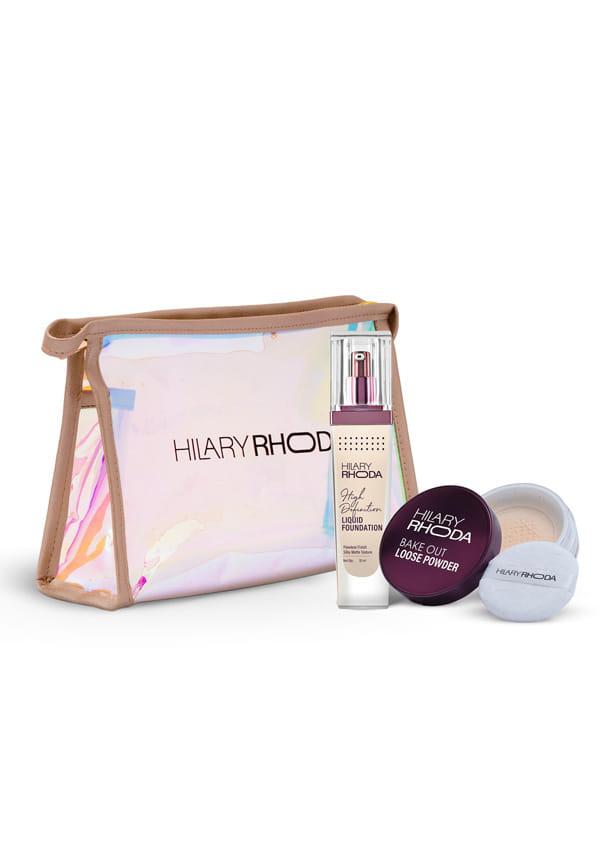
Perfect Base Makeup Kit | Matte Finish
Avoid applying foundation to dry skin—always moisturise first. Don't forget to blend down your neck to avoid the dreaded foundation line. If your foundation looks cakey, you're likely using too much product. Build coverage gradually rather than applying a thick layer all at once.
Contouring and highlighting might seem intimidating, but these professional makeup tips will help you enhance your natural features rather than completely reshape your face. The goal is subtle definition that looks natural in real life, not just under ring lights.
Rather than following generic face shape rules, focus on what you want to define or soften. Generally, apply contour to areas you want to recede—typically the hollows of your cheeks, sides of your nose, and temples. Start light and build gradually. Remember, you can always add more, but removing excess product is much harder.
Use a shade only one to two tones darker than your natural skin. Apply with a fluffy brush in a gentle sweeping motion, then blend immediately. The key to natural-looking contour is seamless blending—there should be no harsh lines. Focus on one area at a time rather than applying contour everywhere at once.
Apply highlighter to the high points of your face where light naturally hits—cheekbones, bridge of your nose, cupid's bow, and inner corners of your eyes. Choose a highlighter that's only slightly lighter than your skin tone for a natural glow. Cream highlighters blend more naturally into the skin, while powder highlighters provide more intensity.
The magic happens in the blending. Use a clean, fluffy brush to soften any harsh edges. Work in circular motions, gradually building and blending until the products seamlessly melt into your skin. The transition should be so smooth that you can't tell where the contour ends and your natural skin begins.
Eyeshadow application is where creativity meets technique. Understanding basic placement and blending methods will help you create everything from subtle everyday looks to dramatic evening eyes. The key is building colour gradually and blending each step thoroughly.
Start with a light, neutral shade across the entire lid as your base. Apply a slightly deeper shade in the crease for definition. Use the darkest shade sparingly in the outer corner and along the lash line. Highlight the inner corner and brow bone with a light, shimmery shade. This basic map works for virtually any eye shape and colour combination.
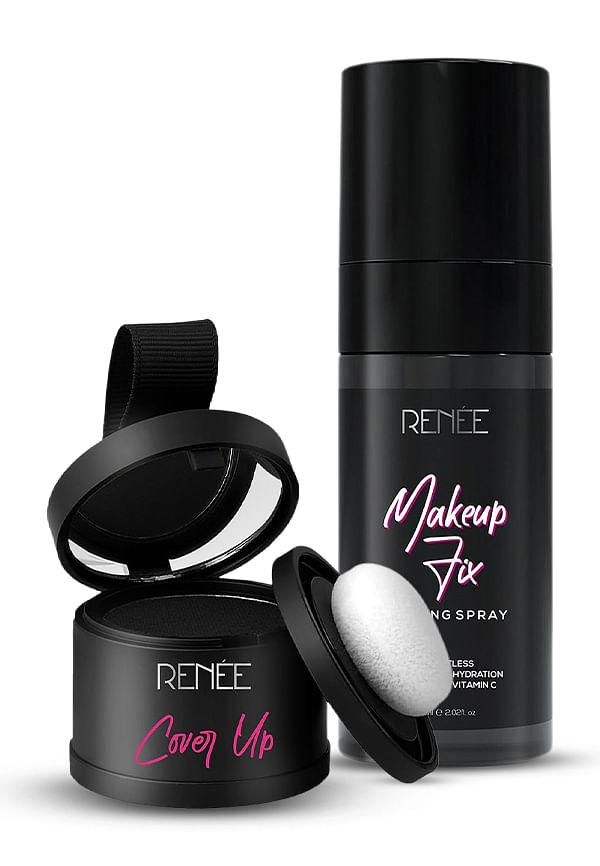
Instant Hair & Face Fix: Cover Up Hair Powder + Makeup Fix Setting Spray
Blending is everything in eyeshadow application. Use a clean, fluffy brush for each new colour to avoid muddying your shades. Work in small, circular motions, gradually building colour intensity. Always blend upwards and outwards, following the natural curve of your eye socket. Take your time—rushing the blending process is the quickest way to create muddy, uneven colour.
While you can wear any colour you love, certain shades make your eyes pop. Brown eyes look stunning in warm golds, coppers, and purples. Blue eyes are enhanced by warm oranges, bronzes, and peaches. Green eyes shine with purples, pinks, and warm browns. Hazel eyes can pull off almost anything but look particularly beautiful in golds and greens.
If your eyeshadow looks muddy, you're likely over-blending or using too many colours at once. Stick to three shades maximum when starting out. If colours aren't showing up, try using an eyeshadow primer or setting your brush with setting spray before picking up product. Fallout happens—use a tissue under your eyes while applying eyeshadow, then clean up with a fluffy brush afterwards.
Once you've mastered the basics, these advanced techniques will help you create more polished, long-lasting looks. Achieving perfect makeup is about understanding how products work together and adapting techniques to suit your lifestyle and preferences.
This professional rule suggests focusing on 2-3 features maximum to avoid overwhelming your face. If you're doing bold eyes, keep lips neutral. If you're wearing a bright lip, keep eyes simple. This creates balance and ensures one feature becomes the focal point rather than competing elements fighting for attention.
Layer similar textures for best results—cream products under powder products. Set cream blush with powder blush in a similar shade for all-day wear. Use eyeshadow primer before eyeshadow, and set everything with a light dusting of translucent powder. This layering technique significantly extends wear time without adding heaviness.
Transform your daytime look by intensifying one element. Add a darker eyeshadow to your outer corner, switch to a bolder lip colour, or add more dramatic lashes. This approach is much quicker than starting fresh and ensures your makeup looks intentional rather than overdone.
If something feels off, step back and assess. Often, the issue is uneven application or harsh lines that need more blending. Check your makeup in different lighting—natural light is most accurate. Don't be afraid to remove and reapply sections that aren't working. Sometimes less really is more.
Adapting your technique to suit your skin type and the occasion ensures your makeup always looks appropriate and lasts throughout your day. These professional makeup tips help you customise your approach for optimal results.
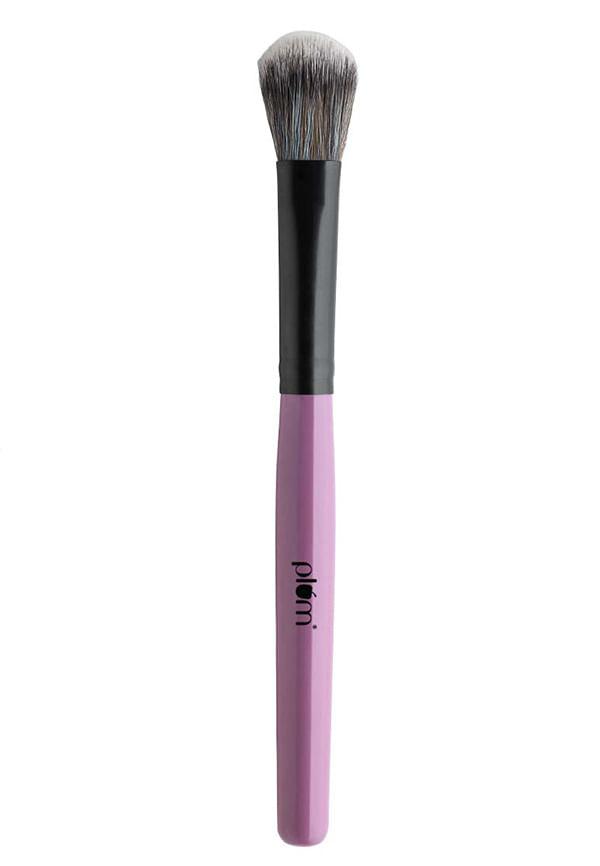
Soft Blend Setting Brush | Ultra-soft Bristles | Flawless Application | Easy Pick-up | 03
Oily skin benefits from primer, powder setting, and oil-absorbing products. Focus on mattifying the T-zone while allowing natural glow on the cheeks. Dry skin needs hydrating primers, cream products, and minimal powder. Combination skin requires a targeted approach—treat different areas according to their specific needs rather than using the same products everywhere.
For quick looks, focus on evening skin tone with tinted moisturiser, adding definition with mascara and lip colour. Full glam requires more time for blending and building intensity. Plan your routine based on available time—it's better to do fewer steps well than rush through a complex look.
Summer calls for lighter coverage, waterproof formulas, and cream products that won't cake in heat. Winter allows for richer colours, more coverage, and powder products that combat dry indoor heating. Adjust your routine seasonally for comfort and longevity.
Discovering the right products for your makeup for beginners journey doesn't have to involve expensive mistakes. Smytten offers curated trial packs from trusted brands like Renee and Bella Vita, letting you explore different foundations, eyeshadows, and tools before committing to full sizes. With trial minis available for just ₹249, you can experiment with various formulas and shades to find what works best for your skin and style.
Start with clean, moisturised skin, then apply primer. Follow with foundation from the centre outwards, concealer where needed, and set with powder. Add colour with blush, eyeshadow, and lip products, finishing with mascara. Always blend thoroughly between each step.
Master foundation application, basic eyeshadow blending, and proper brush techniques first. These form the foundation for all other makeup skills. Once comfortable with these, move on to contouring and more advanced colour work.
Use a clean, damp sponge to gently lift excess product. Cotton buds work well for precise cleanup around the eyes. For powder mistakes, use a fluffy brush to blend and soften. Most mistakes can be fixed with patience and the right tools.
The techniques remain the same regardless of product price point. High-end products might blend more easily or last longer, but proper application technique matters more than brand names. Focus on mastering the methods rather than expensive products.
Mastering the best makeup application techniques is a journey, not a destination. Start with the basics, practise regularly, and don't be afraid to experiment. Remember that makeup should enhance your natural beauty and make you feel confident, not create a completely different person. The most important technique of all is practice—the more you work with different products and methods, the more intuitive your application will become. With Smytten's trial platform offering access to over 1,500 trusted beauty brands, you can explore different products and techniques without the commitment of full-size purchases, making your makeup learning journey both affordable and exciting.
