How to Control Shine: Makeup Tips for Oily Skin

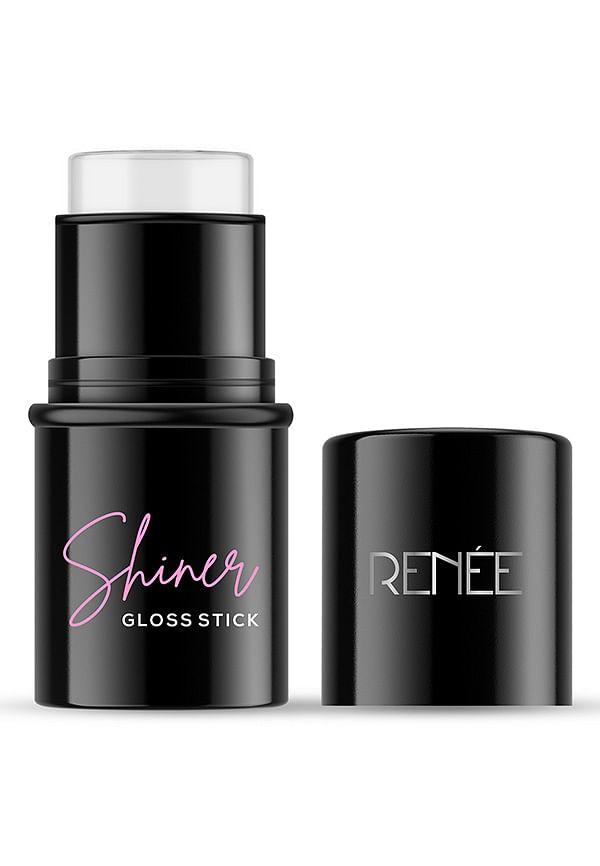
Shiner Gloss Stick
Refreshing Face Wash
 4
4“refreshing face wash I like it”
Nice Product, Thank You
5“nice prodect thank you smyteen”
Expensive but bought on sale
4“very expensive i bought in sale”
Let's be real—if you've got oily skin, you know the struggle. You spend ages perfecting your makeup in the morning, only to catch a glimpse of yourself at lunch and wonder where half of it went. That midday shine hits different when you're trying to look put-together, and don't even get us started on how foundation seems to slide right off your T-zone. But here's the thing: oily skin doesn't mean you can't have gorgeous, long-lasting makeup. It just means you need the right makeup tips for oily skin and a game plan that actually works. From choosing the perfect primer to mastering the art of powder application, we're about to spill all the secrets that'll keep your look fresh from morning meetings to evening plans.
Your skin produces oil (sebum) through tiny glands, and when these work overtime, they create that shiny look we're all trying to avoid. But here's what's actually happening when you apply makeup: that excess oil breaks down your carefully applied foundation, causes your concealer to slip, and makes everything look patchy by midday. The biggest challenge with oily skin makeup isn't just the shine—it's how oil affects the longevity of your entire look. Oil acts like a barrier between your skin and makeup, preventing products from adhering properly. Plus, if you've got combination skin that's both oily and acne-prone, you're dealing with texture issues that can make makeup application even trickier. Makeup for acne prone skin requires extra care because you're not just managing oil—you're also working around bumps, scars, and potentially sensitive areas. The key is understanding that your skin type isn't a limitation; it's just a different canvas that needs specific techniques.
Before we even think about makeup, let's talk about prepping your skin properly. This step is absolutely crucial for oil control makeup that actually lasts. Start with a gentle, foaming cleanser that removes excess oil without stripping your skin. You want something that cleans thoroughly but doesn't trigger your skin to produce even more oil in response. Follow up with a lightweight, oil-free moisturiser—yes, even oily skin needs hydration. When your skin is properly moisturised, it's less likely to overproduce oil.
Always choose non comedogenic makeup and skincare products. These are specifically formulated not to clog your pores, which is essential when you're dealing with oily or acne-prone skin.
Give your skincare at least 5-10 minutes to fully absorb before applying makeup. This prevents your products from mixing together and creating that dreaded pilling effect.
Here's where the magic really starts. A good primer for oily skin is like creating a smooth, matte base that grips your makeup and keeps oil at bay. Look for primers with silicones like dimethicone or cyclopentasiloxane—these create a barrier that helps control oil production throughout the day. Mattifying primers often contain ingredients like kaolin clay or silica, which absorb excess oil before it can break through your makeup. Apply primer in thin layers, focusing on your T-zone where oil tends to be most problematic.
Don't forget about eye primer, especially if you struggle with creasing eyeshadow. Oily eyelids can make even the best eyeshadow look patchy within hours.
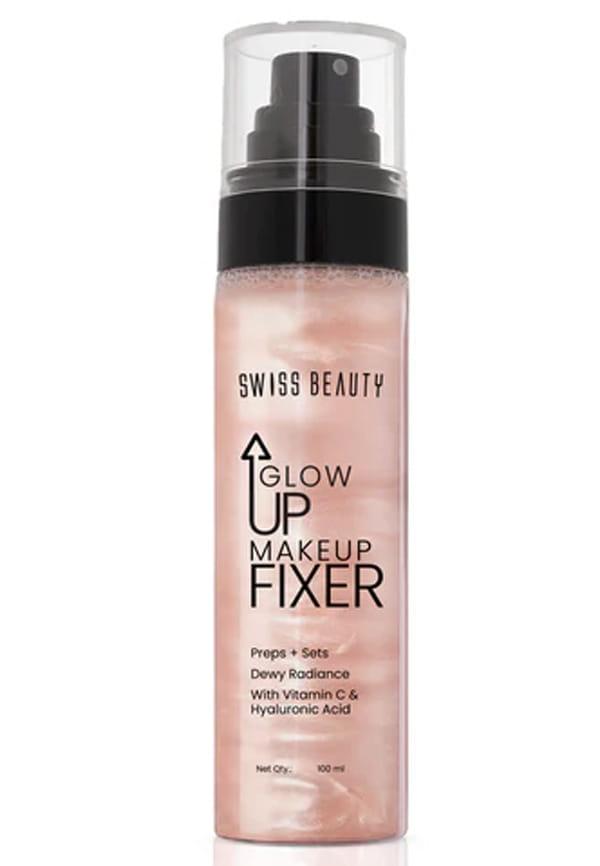
Glow Up Makeup Fixer
Amazing, Shiny Product
5“it was an amazing product, it is very shiny”
Amazing, Shiny Product
5“it was an amazing product, it is very shiny”
Nice Glow, Good Product
5“very nice glow and good product”
Use your fingers to gently pat primer into your skin rather than rubbing it in. This helps create an even base without disturbing your skincare underneath.
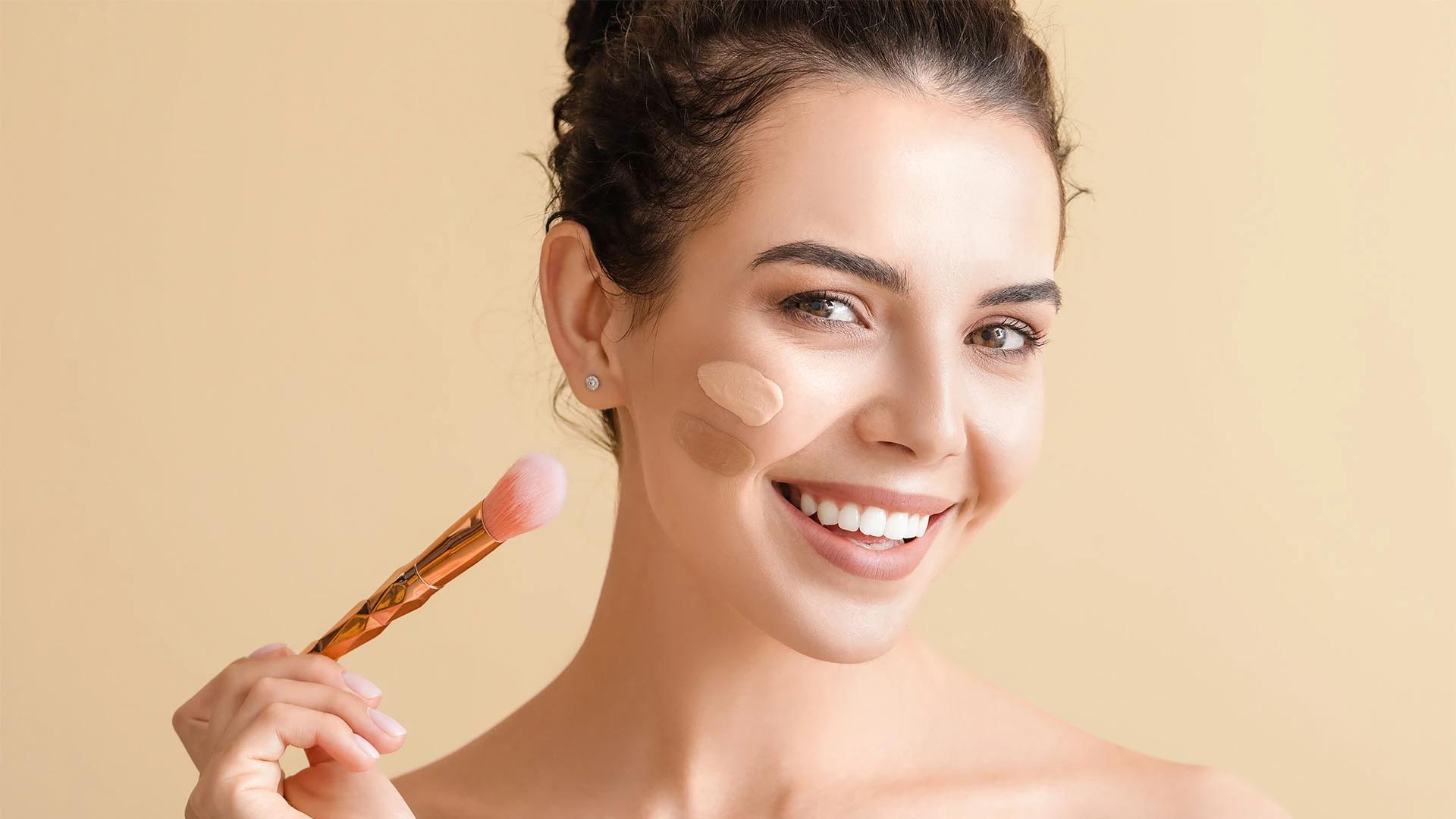
Choosing the right foundation for oily skin can make or break your entire look. You want something that's oil-free, preferably water-based, and has a matte or semi-matte finish. Avoid anything that promises a "dewy" or "luminous" finish—save those for your dry-skinned friends. When it comes to application, less is definitely more. Start with a small amount and build coverage gradually. A damp beauty sponge is your best friend here—it helps blend foundation seamlessly while absorbing any excess product that might otherwise sit on top of your skin.
For concealer, choose a formula that's one shade lighter than your foundation but in the same undertone. Apply it in thin layers, setting each layer with a light dusting of powder before adding more coverage.
Instead of rubbing foundation into your skin, try stippling it on with a flat-top brush or sponge. This technique helps build coverage without disturbing the primer underneath.
Powder is absolutely essential for mattifying makeup on oily skin. You'll want both a translucent setting powder and possibly a tinted powder that matches your skin tone. For your T-zone and other oily areas, try the baking technique: apply a generous amount of translucent powder and let it sit for 5-10 minutes while you do your eye makeup. Then, dust away the excess with a fluffy brush. This technique helps absorb oil and creates a super-matte finish that lasts.
Look for powder for oily skin that contains oil-absorbing ingredients like rice powder, corn starch, or silica. Avoid powders with too much shimmer or pearl, as these can emphasise oiliness.
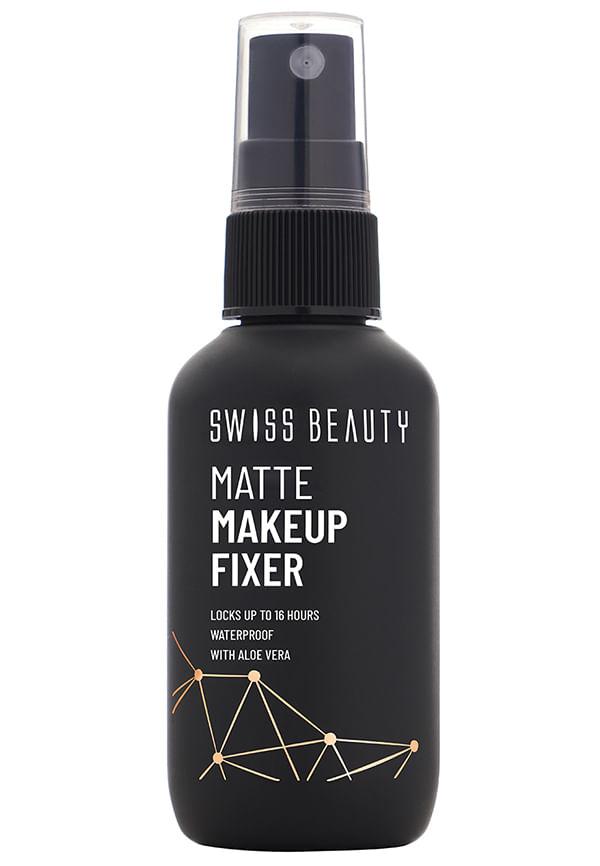
Matte Makeup Fixer
Matt Finish, Amazing Result
5“Matt finish amazing result great on skin”
Effective and Helpful
5“very effective and very helpful”
Effective and Helpful
5“very effective and very helpful”
Start with a light dusting of loose powder all over, then use a pressed powder for touch-ups throughout the day. This two-powder system gives you the best of both worlds.
For long lasting makeup oily skin, every product choice matters. Stick to powder formulations for blush and bronzer rather than cream versions, which can slide around on oily skin. If you love cream blush, apply it before your powder foundation and set it well. When it comes to highlighter, choose powder formulas over cream or liquid ones. Apply highlighter sparingly—oily skin already has natural shine, so you want to enhance strategically rather than add more shimmer everywhere.
Opt for matte eyeshadows and waterproof mascara. Cream eyeshadows can crease quickly on oily lids, so powder formulations are your safest bet.
Choose long-wearing liquid lipsticks or lip stains that won't transfer easily. Avoid overly glossy formulas that might migrate around your mouth area.
Even with the best oil control makeup routine, you'll probably need some midday maintenance. Blotting papers are your first line of defence—gently press them onto oily areas without rubbing, which can disturb your makeup. After blotting, lightly dust with powder to refresh your matte finish. If you're dealing with significant oil breakthrough, you might need to spot-conceal and re-powder specific areas.
Finish your morning routine with a mattifying setting spray, and keep a travel-size version for midday refreshing.
Keep blotting papers, a small pressed powder compact, and a concealer pen in your bag for quick fixes throughout the day. Smytten makes discovering the perfect products for your oily skin so much easier. With curated trial packs from over 1,500 trusted brands, you can test different foundations, primers, and powders without committing to full-size purchases. This is especially valuable when you're dealing with oily skin—what works for your friend might not work for you, and trial sizes let you experiment until you find your perfect match.
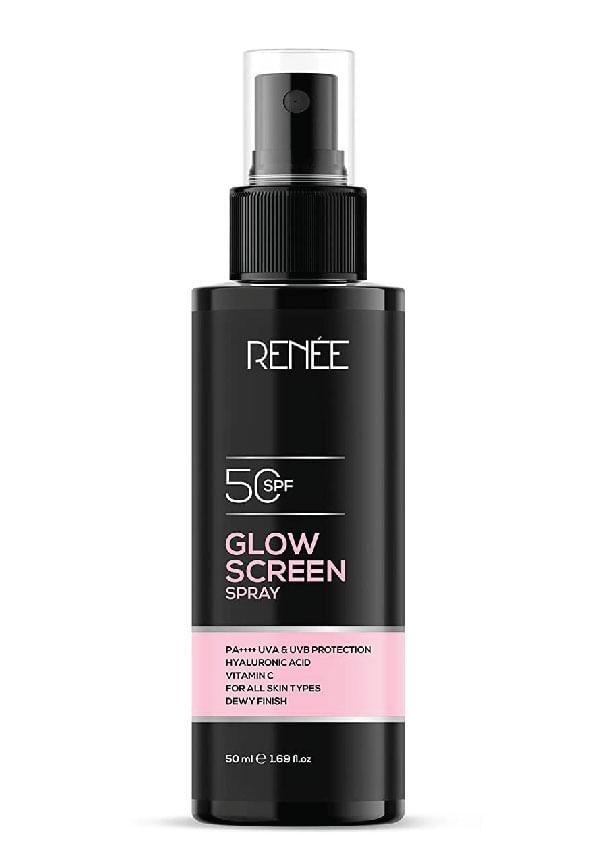
Glowscreen Spray
Good Product, Lacks Glow
5“good product must try , not much glow”
Nice for Glowing Skin
5“nice sunscreen for light glowing skin”
Very Good Product
5“ye bhi bhut accha h mujhe bhut pasand aaya”
Start with a gentle cleanser, apply oil-free moisturiser, use a mattifying primer, apply matte foundation in thin layers, set with powder, and finish with setting spray. Focus on oil-absorbing products and avoid anything too creamy or dewy.
Use a mattifying primer, choose oil-free formulations, set everything with powder, and carry blotting papers for touch-ups. The key is proper preparation and using products specifically designed for oil control.
Never skip moisturiser. Oily skin still needs hydration, and skipping it can actually make your skin produce more oil. Choose a lightweight, oil-free, non-comedogenic moisturiser instead.
Setting powder is typically translucent and designed to lock makeup in place and absorb oil. Finishing powder often has a slight tint and is used to perfect the overall look and add a subtle finish.
You can, but apply them before powder products and set them well. Cream blush applied before foundation and set with powder can work, but powder formulations are generally more reliable for oily skin.
This depends on your skin and environment, but most people with oily skin benefit from blotting and light powder touch-ups every 4-6 hours.
Mastering makeup for oily skin is all about working with your skin type, not against it. The right combination of oil-controlling products, proper application techniques, and strategic touch-ups can give you a flawless look that lasts all day. Remember, it's not about using more product—it's about using the right products in the right way. With platforms like Smytten, you can explore different brands and formulations through trial packs, making it easier to find products that truly work for your specific skin needs. After all, why settle for makeup that slides off by noon when you can find formulations that keep you looking fresh from morning to night? The perfect oil-control routine is out there—it just takes a bit of experimentation to find your ideal combination.
