How to Choose the Right Primer for Smooth, Flawless Makeup

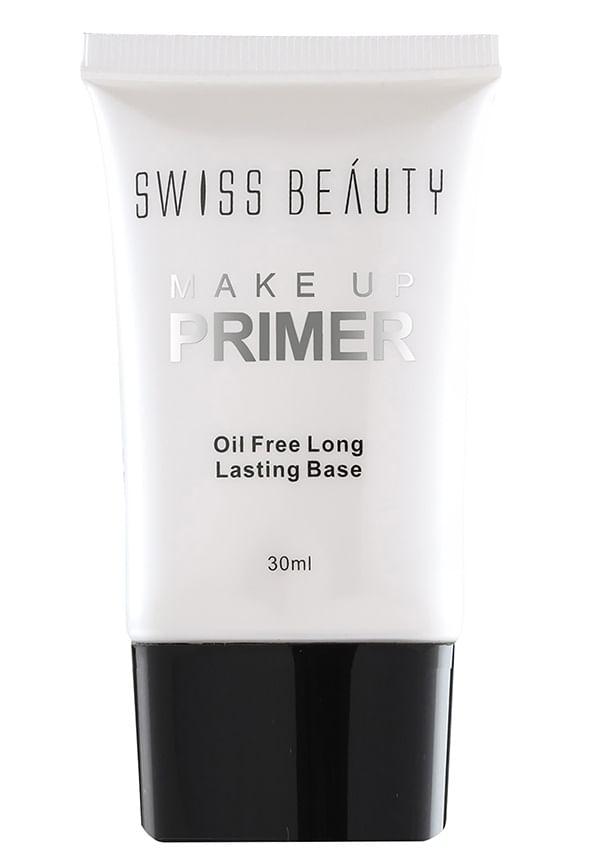
Makeup Primer Oil Free Mattifying Long Lasting Base
Long lasting, suits all skin types
 5
5“Long lasting impact and suits all skin types.”
Good Quality & Affordable Product
4“nice product good quality affordable”
Best Blurring Primer
5“Best blurring primer for daily use”
Let's be real—finding the perfect primer makeup feels like searching for that one friend who actually shows up on time. You know it exists, but where exactly? Whether you're dealing with oily skin that could power a small engine or dry patches that make your foundation look like it's having a breakdown, the right makeup base can be your skin's best mate. Think of face primer as that reliable friend who smooths things over before the big event—your makeup routine. With so many options promising everything from pore minimizing primer effects to long lasting makeup that survives your longest days, choosing the right one doesn't have to feel overwhelming.
Picture this: you're about to paint a wall, but instead of prepping it first, you slap paint directly onto rough, uneven surfaces. That's essentially what happens when you skip primer makeup. A face primer is your skin's prep crew, creating a smooth canvas that helps your foundation glide on evenly and stay put longer.
The science behind makeup base formulations is actually quite clever. Most primers contain silicones like dimethicone, which fill in fine lines and pores, creating that Instagram-filter effect in real life. Others use oil-absorbing ingredients or hydrating compounds, depending on what your skin craves.
The makeup primer benefits are pretty impressive when you think about it:
Creates a barrier between your skin and makeup, preventing clogged pores
Extends the wear time of your foundation and concealer
Minimises the appearance of pores and fine lines
Controls oil production or adds moisture where needed
Helps makeup blend more seamlessly
Now, are there times when you can skip primer? Honestly, if you're blessed with naturally smooth, balanced skin and you're only wearing makeup for a few hours, you might get away with it. But for most of us mere mortals, primer is worth the extra step.
Not all primers are created equal, and that's actually brilliant news for your skin. Different formulations target specific concerns, so you can find your perfect match rather than settling for a one-size-fits-all approach.
If your skin produces enough oil to fuel a small car, silicone-based primers are your new best friends. These clever formulas create a mattifying barrier that keeps shine at bay without making your skin feel tight or uncomfortable.
A good pore minimizing primer for oily skin typically contains ingredients like niacinamide or salicylic acid. These not only control oil but also help refine your skin's texture over time. Look for primers that specifically mention oil control or mattifying properties—your T-zone will thank you later.
Dry skin needs a completely different approach. Hydrating primers often contain glycerin, hyaluronic acid, or ceramides—ingredients that plump up your skin with moisture. These formulas create the perfect makeup base by smoothing out flaky patches and giving your foundation something to grip onto.
The key is finding a primer that adds moisture without making your makeup slide off. Look for water-based formulas or those specifically designed for dry skin types.
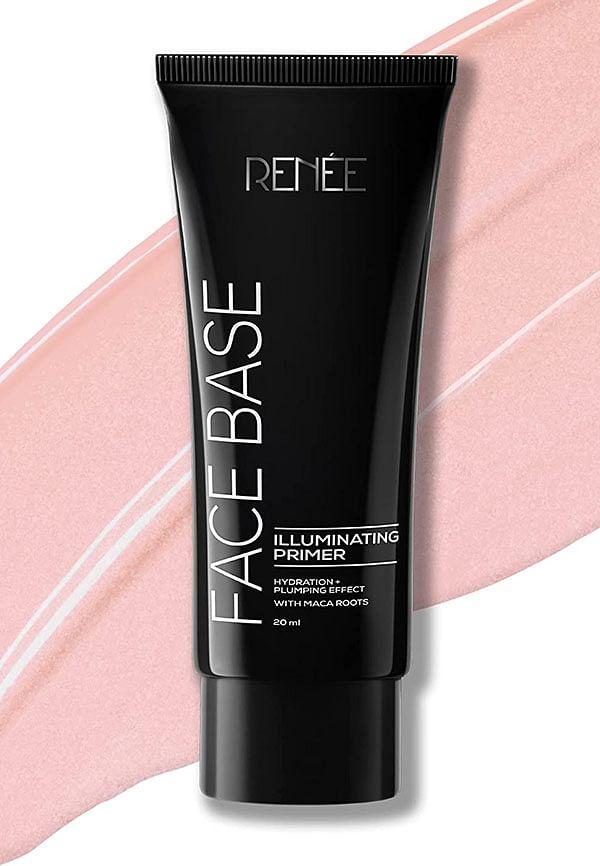
Face Base Illuminating Primer
Colour-correcting primers are like having a magic wand in your makeup bag. Green primers neutralise redness, purple ones brighten dull skin, and peach tones counteract dark circles or spots. These multitasking heroes can sometimes replace concealer entirely.
Anti-ageing primers with peptides or retinol work overtime, improving your skin while you wear them. Meanwhile, sensitive skin-friendly formulations skip potential irritants like fragrances or harsh chemicals, focusing on gentle, soothing ingredients instead.
Choosing the right primer starts with honest self-assessment. Your skin type isn't just about whether you're oily or dry—it's about understanding your specific needs and concerns.
Take a good look at your skin in natural light. Do you notice enlarged pores around your nose? That's where a pore minimizing primer shines. Is your forehead constantly shiny by midday? You need oil control. Are there areas that feel tight or look flaky? Hydration is your priority.
Combination skin—the most common type—needs a strategic approach. You might use a mattifying primer on your T-zone and a hydrating one on your cheeks. There's no rule saying you can't mix and match.
Understanding primer ingredients helps you make smarter choices. Silicones like dimethicone create that smooth, blurred effect that's perfect for long lasting makeup. They're particularly brilliant for minimising the appearance of pores and fine lines.
Niacinamide is a multitasking superstar that controls oil while improving skin texture over time. If you're dealing with enlarged pores and excess shine, this ingredient should be on your radar.
For those focused on anti-ageing benefits, peptides in primers can help firm and smooth skin while you wear makeup. Botanical extracts like chamomile or green tea are perfect for sensitive skin that needs gentle, soothing care.
Even the best makeup primer won't work miracles if you're not applying it correctly. The good news? It's actually quite straightforward once you know the steps.
Start with clean, moisturised skin. Your skincare routine should be complete before primer enters the picture. If you're using a hydrating primer for dry skin, you might be able to skip moisturiser, but for most people, both serve different purposes.
Use about a pea-sized amount for your entire face—seriously, a little goes a long way. Apply it with your fingers, gently pressing and smoothing from the centre of your face outward. Pay extra attention to areas where your makeup tends to fade first, like around your nose or on your forehead.
Here's the crucial bit: wait. Give your primer about 60 seconds to set before applying foundation. This waiting period allows the formula to create that perfect makeup base. If you rush this step, your foundation might pill or slide around.
Common mistakes include using too much product, not waiting long enough, or applying primer over damp skincare products. These small tweaks can make a massive difference in how your makeup performs throughout the day.
Becoming ingredient-savvy helps you choose primers that actually work for your skin rather than against it. Some ingredients are universally brilliant, while others depend entirely on your skin type.
Dimethicone and cyclopentasiloxane are the MVPs of the primer world. These silicones create that smooth, velvety finish that makes your pores seemingly disappear. They're particularly effective for creating long lasting makeup that doesn't budge.
Zinc oxide isn't just for sun protection—it's also excellent for oil control. Primers containing zinc oxide can help mattify your skin while providing some UV protection as a bonus.
Vitamin E acts as an antioxidant, protecting your skin from environmental damage while you wear makeup. It's particularly beneficial if you spend long hours in polluted environments or under artificial lighting.
If you're prone to breakouts, steer clear of comedogenic ingredients like coconut oil or certain waxes. These can clog pores and lead to more blemishes, which defeats the purpose of wearing primer in the first place.
Sensitive skin should avoid primers with strong fragrances, essential oils, or high concentrations of acids. These can cause irritation or allergic reactions, making your makeup routine more stressful than enjoyable.
Alcohol-based formulas can be too drying for most skin types, even oily skin. While they might provide immediate mattifying effects, they can actually trigger your skin to produce more oil in the long run.
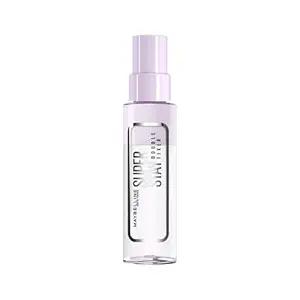
Once your primer and foundation are in place, locking the base can make your makeup last even better. Maybelline New York Super Stay Double Fixer Setting Spray fits well as the final step because it helps set your makeup, reduce transfer and support longer wear through the day. Think of primer as the smooth base and setting spray as the final seal that keeps everything looking fresh. This works especially well when you need your makeup to stay put for long hours, humid weather or busy days.
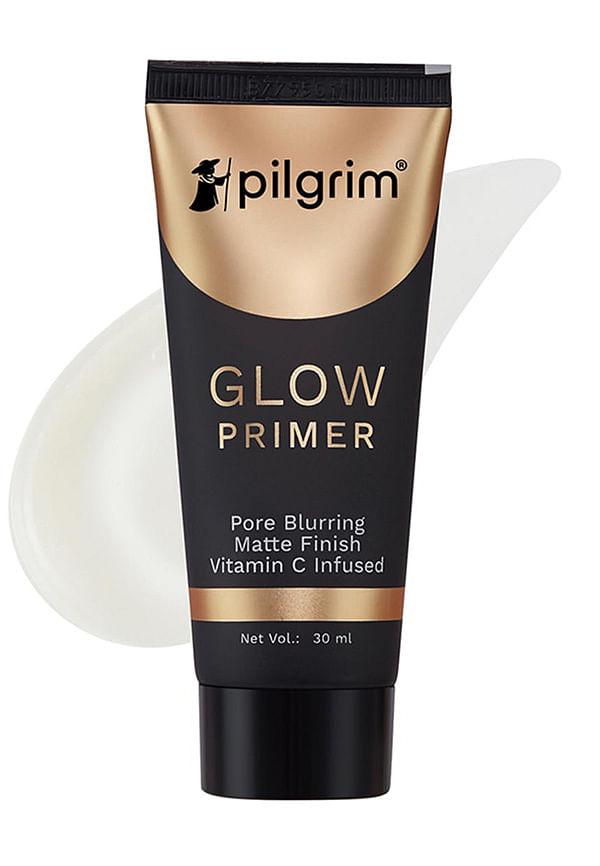
Glow Primer
Love This Product
5“i love this product it too good”
Love This Product
5“i love this product it too good”
Love This Product
5“i love this product it too good”
Creating a custom pore minimizing primer effect is possible by mixing a tiny drop of your regular primer with a mattifying one. This gives you targeted control exactly where you need it most.
Seasonal adjustments matter more than you might think. Your skin's needs change with the weather, so your primer choice should too. You might need more hydration in winter and better oil control in summer.
Don't overlook budget-friendly options when exploring different formulations. Smytten's trial packs let you test various primers from trusted brands without committing to full-size products. With over 1,500 brands available, you can discover your perfect primer match through affordable trial minis, then purchase the full-size version once you've found your holy grail.
While not absolutely essential, primer makeup significantly improves how your foundation looks and lasts. If you have textured skin, large pores, or your makeup tends to fade quickly, a face primer is definitely worth trying. Even those with good skin often find that primer makes their makeup application smoother and more professional-looking.
Absolutely! Many primers work beautifully on their own, especially pore minimizing primer formulas or those with colour-correcting properties. This creates a natural, polished look that's perfect for no-makeup days when you still want your skin to look refined.
Give your primer about 60 seconds to set before applying foundation. Different formulations may need slightly different timing—silicone-based primers usually set quickly, while hydrating primers might need a bit longer. Your primer should feel tacky but not wet when it's ready.
These terms are often used interchangeably, but technically, a makeup base can refer to any foundational product including tinted moisturisers or BB creams. Primer specifically refers to the clear or lightly tinted product designed to prep your skin before foundation application.
Yes, you can mix primers to create a custom formula that addresses multiple concerns. For example, mixing a hydrating primer with a mattifying one can work well for combination skin. Just make sure both primers have compatible bases (both water-based or both silicone-based).
Finding your perfect primer makeup doesn't have to be a guessing game. Understanding your skin type and specific concerns helps you choose between primer for oily skin, primer for dry skin, or specialised formulas that target particular issues. The right makeup base creates a smooth canvas that helps your foundation look better and last longer.
Remember that primer ingredients matter just as much as the formula type. Whether you need the pore minimizing primer effects of silicones or the hydrating benefits of glycerin, matching ingredients to your skin's needs makes all the difference. With platforms like Smytten offering trial-sized versions of primers from over 1,500 trusted brands, you can explore different options without the commitment of full-size purchases. This makes discovering your ideal primer both affordable and risk-free—because why settle for maybe when you can try it all and find what actually works for your skin?
