How to Choose Makeup for Oily Skin: Expert Guide


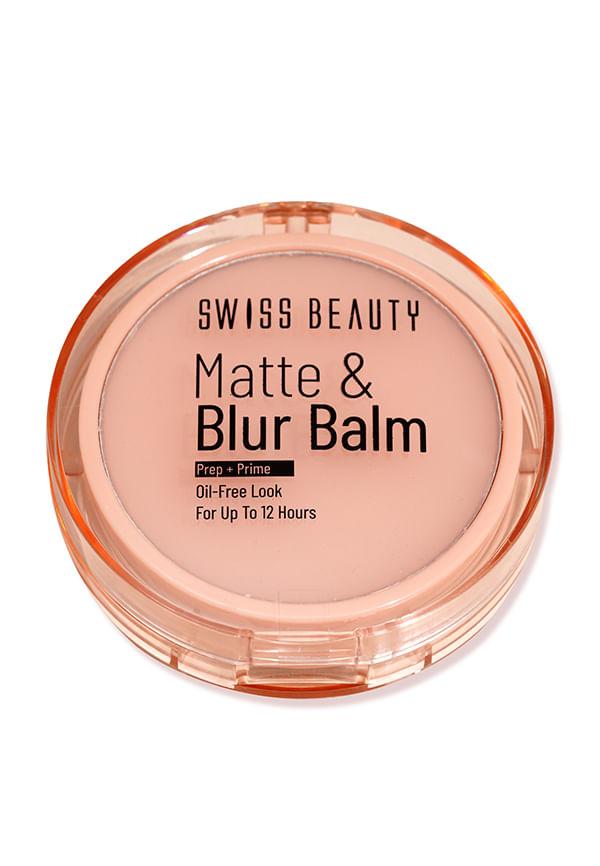
Matte & Blur Balm | Prep + Prime | 12-Hour Oil-Free Shine | With Vitamin E & B3
Let's be real—if you've got oily skin, you know the struggle. Your makeup looks flawless in the morning, but by lunch, you're dealing with shine that could power a small torch. Finding the best makeup for oily skin isn't just about coverage; it's about products that actually work with your skin type instead of against it. The good news? With the right knowledge and products, you can achieve that matte, long-lasting finish you've been dreaming of. Whether you're dealing with excess oil, enlarged pores, or acne-prone skin, this guide will help you navigate the world of makeup specifically designed for oily skin types.
Oily skin happens when your sebaceous glands go into overdrive, producing more oil than your skin actually needs. This excess sebum can make makeup application tricky and cause products to slide off or oxidise throughout the day.
Your skin's oil production is influenced by several factors. Genetics play a huge role—if your parents had oily skin, chances are you will too. Hormonal changes, especially during puberty, menstruation, or pregnancy, can ramp up oil production. Even the weather affects your skin; hot, humid climates make your sebaceous glands work harder. When it comes to makeup, oily skin creates specific challenges. Foundation can oxidise and change colour, concealer might slide off blemishes, and powder can look cakey or patchy. Your makeup might also contribute to clogged pores if you're using the wrong formulations.
Most standard makeup formulations contain oils and heavy emollients that can exacerbate shine and clog pores. These products often lack the oil-absorbing properties that oily skin desperately needs. Regular foundations might also be too heavy, creating a barrier that traps oil underneath and leads to breakouts. The key is understanding that oily skin needs breathable, lightweight formulations that control excess sebum rather than adding to it.
When shopping for oil control makeup, the ingredient list is your best friend. Knowing what to look for can save you from countless disappointing purchases and help you build a makeup routine that actually works.
Silica is a superstar ingredient for oily skin. It absorbs excess oil without drying out your skin, creating a smooth, matte finish. Kaolin clay works similarly, drawing out impurities whilst controlling shine. Niacinamide deserves special mention—it's not just a skincare ingredient anymore. Many makeup products now include this vitamin B3 derivative because it helps regulate sebum production over time. Salicylic acid in makeup formulations provides gentle exfoliation whilst preventing clogged pores. Zinc oxide offers natural mattifying effects whilst providing some sun protection. It's particularly beneficial for those with sensitive, oily skin.
Water-based formulations are your safest bet for non comedogenic makeup. These products feel lighter on the skin and are less likely to clog pores. Hyaluronic acid provides lightweight hydration without adding oil, whilst dimethicone creates a smooth base for makeup application without blocking pores. Avoid heavy oils like coconut oil, thick waxes, and lanolin in your makeup products. These ingredients can be too rich for oily skin and may contribute to breakouts.
Proper application technique is just as important as choosing the right products. The way you prep your skin and apply your makeup can make or break your look's longevity.
Start with a gentle, oil-free cleanser to remove excess sebum without stripping your skin. Follow with a lightweight, non-comedogenic moisturiser—yes, even oily skin needs hydration. Skipping moisturiser can actually make your skin produce more oil to compensate. Sunscreen is non-negotiable, but choose a broad-spectrum SPF that's specifically formulated for oily skin. Look for gel or fluid formulations that won't feel heavy under makeup.
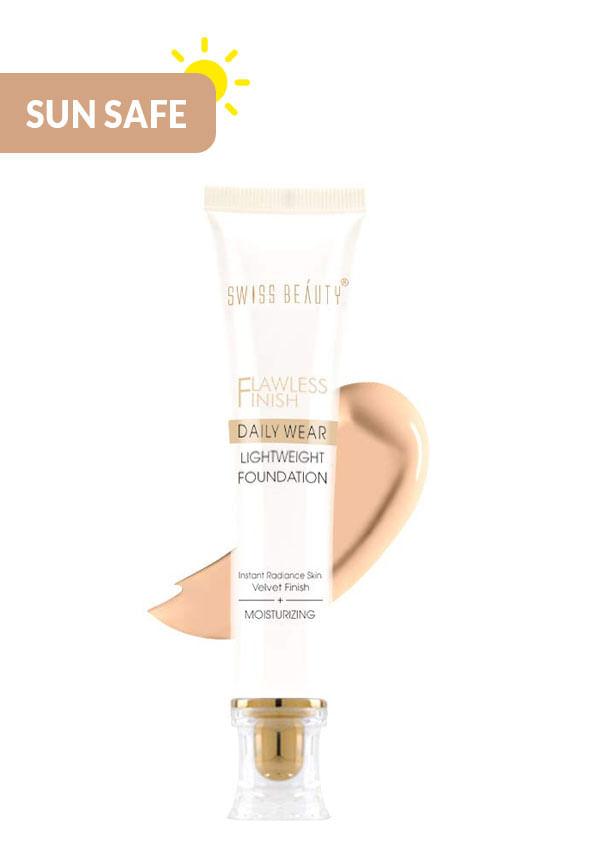
Lightweight Foundation
Fab Product, Good Price
 5
5“fab product. reasonable price, easy to use. absorb easily”
Fab Product, Good Price
5“fab product. reasonable price, easy to use. absorb easily”
Loved the Foundation, Must Buy
5“Justtt loved this foundation in this range it's a must buy product”
A good primer for oily skin is the foundation of long-lasting makeup. Mattifying primers contain oil-absorbing ingredients that create a smooth base whilst controlling shine. Pore-minimising primers help blur enlarged pores and create an even surface. Apply primer with clean fingers or a makeup sponge, focusing on your T-zone where oil production is typically highest. Let it set for a few minutes before applying foundation.
When applying mattifying foundation, less is more. Start with a small amount and build coverage gradually. Use a damp beauty sponge to press foundation into the skin rather than rubbing it in, which can disturb the primer underneath. For oily skin, stippling motions work better than sweeping strokes. This technique helps the foundation adhere better and creates a more natural finish.
Choosing the right foundation is crucial for oily skin success. The best foundation oily skin types can handle depends on several factors including coverage needs, skin sensitivity, and budget.
Liquid foundations designed for oily skin typically offer buildable coverage with oil-controlling properties. They're easier to blend and can look more natural than powder foundations. However, powder foundations provide superior oil absorption and are excellent for touch-ups throughout the day. Long lasting makeup oily skin formulations often contain polymers that help the product adhere better and resist oil breakthrough. These foundations might feel slightly different upon application but provide superior staying power. Matte finishes are obvious choices for oily skin, but natural matte finishes can look more skin-like whilst still controlling shine.
The tools you use can significantly impact your foundation's performance. Damp beauty sponges work brilliantly for oily skin because they help press the product into the skin whilst absorbing excess moisture. Dense, flat-top brushes can also work well for building coverage without disturbing the base. Avoid using your fingers for foundation application if you have oily skin, as the oils from your hands can break down the product and affect its longevity.
Full coverage foundations might seem appealing for oily, acne-prone skin, but they can sometimes look heavy and cakey. Medium coverage foundations that you can build up in problem areas often look more natural and feel more comfortable. Satin finishes can work for oily skin if they contain mattifying ingredients, but true matte finishes are generally more suitable for controlling shine throughout the day.
Building an effective makeup routine for oily skin involves more than just foundation. Each product in your routine should work together to control oil and maintain your look throughout the day.
The right powder for oily skin can make or break your makeup look. Loose powders generally provide better oil absorption than pressed powders, but they're less convenient for touch-ups. Translucent powders work for all skin tones, whilst tinted powders can add extra coverage. Apply setting powder with a fluffy brush, focusing on areas that tend to get oily first—usually the T-zone. For touch-ups, blotting papers followed by a light dusting of powder work better than adding more product on top of existing makeup.
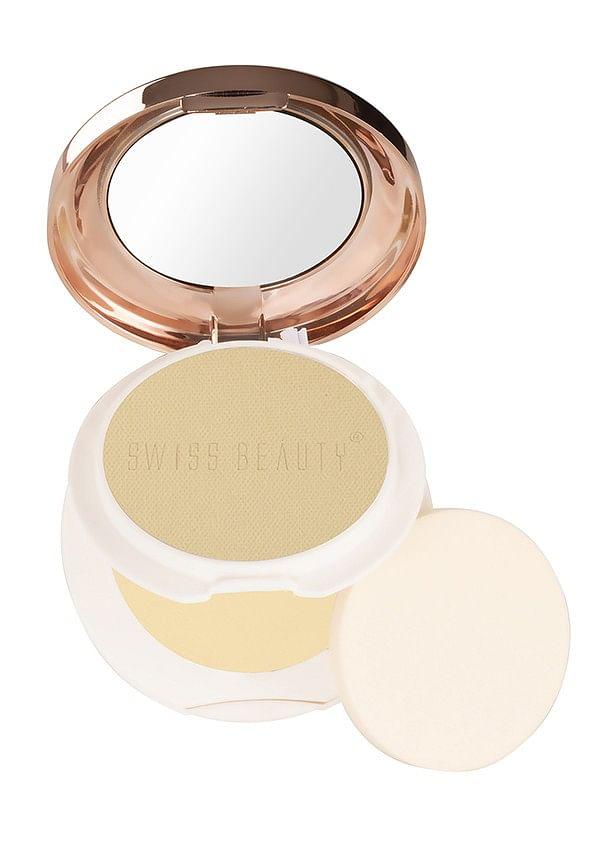
Oil Control Compact Powder
Setting spray for oily skin should have mattifying properties rather than hydrating ones. These sprays often contain alcohol or other oil-absorbing ingredients that help lock makeup in place whilst controlling shine. Apply setting spray in light, even layers rather than soaking your face. Hold the bottle about 20cm away from your face and mist evenly. Let each layer dry before applying the next.
Concealers for oily skin should be long-wearing and non-comedogenic. Stick concealers often work well because they're less likely to slide off, but make sure to set them with powder. For blush and bronzer, powder formulations typically work better than creams on oily skin. They blend more easily and don't contribute to shine. Eye makeup can be tricky with oily skin, especially if you have oily eyelids. Eyeshadow primers are essential, and waterproof formulations often last longer.
When you're dealing with both oily skin and acne, your makeup choices become even more critical. The wrong products can worsen breakouts, whilst the right ones can actually help improve your skin over time.
Makeup for acne prone skin requires a gentle touch. When covering active breakouts, avoid rubbing or pressing too hard, which can irritate the skin and spread bacteria. Use a small, clean brush to apply concealer precisely to blemishes. Colour-correcting can be helpful for red, inflamed areas. Green colour correctors neutralise redness, whilst yellow correctors work well for purple or brown spots.
Salicylic acid in makeup formulations can provide gentle exfoliation whilst you wear the product. Niacinamide helps reduce inflammation and regulate oil production. Zinc oxide provides anti-inflammatory benefits whilst offering sun protection. Avoid makeup with heavy oils, comedogenic ingredients, and fragrances that might irritate sensitive, acne-prone skin. Always check the comedogenic rating of products—anything rated 3 or above is more likely to clog pores.
Gentle but thorough makeup removal is crucial for acne-prone skin. Double cleansing—using an oil-based cleanser followed by a water-based one—ensures all makeup and impurities are removed without harsh scrubbing. Never sleep in makeup, no matter how tired you are. Leaving makeup on overnight can clog pores and worsen existing breakouts.
Even with the right products, technique matters enormously when you have oily skin. Learning from common mistakes can save you time, money, and frustration.
Layering products correctly is key to longevity. Each layer should be thin and allowed to set before applying the next. This prevents products from mixing and breaking down. Blending should be done with light, pressing motions rather than rubbing. This helps maintain the integrity of each product layer and prevents the makeup from moving around. Seasonal adjustments are important—you might need different products for summer and winter, or for humid versus dry climates.
Over-powdering is a common mistake that can make makeup look cakey and unnatural. It's better to blot excess oil and apply a light dusting of powder than to pile it on. Skipping primer or moisturiser might seem logical for oily skin, but both steps are crucial for creating a smooth base and preventing your skin from overproducing oil. Choosing the wrong shade is particularly problematic with mattifying foundations, as they can be harder to blend and correct once applied.
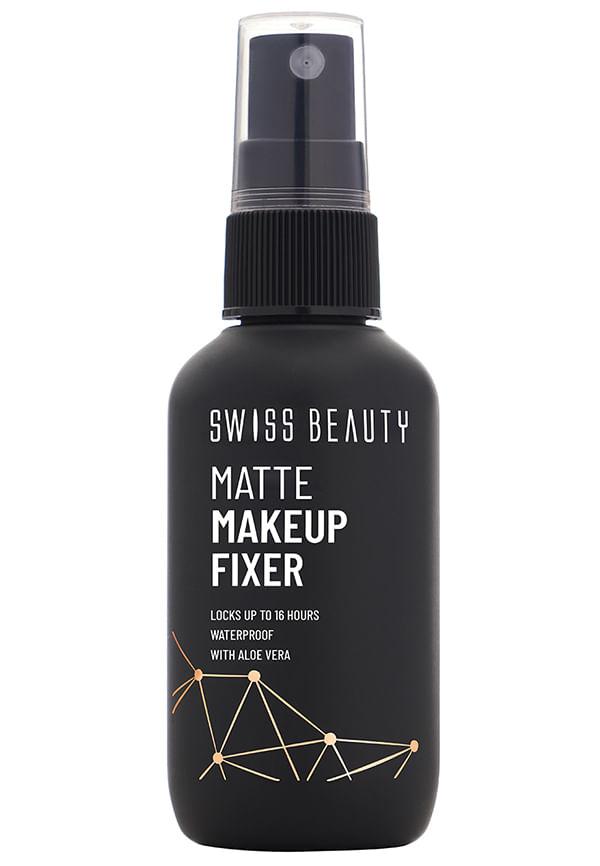
Matte Makeup Fixer
Good Product Recommendation
5“it's a good product , go for it”
Good Product Recommendation
5“it's a good product , go for it”
Good for Oily Skin
5“This product is so good for the oily skin.”
Clean tools are essential for oily, acne-prone skin. Dirty brushes and sponges can harbour bacteria and contribute to breakouts. Wash your tools regularly with gentle shampoo or specialised brush cleaners. Replace makeup sponges frequently—they should be damp when used and can develop bacteria if kept too long. With the right approach to product selection and application, oily skin doesn't have to be a barrier to beautiful makeup. The key is working with your skin type rather than against it, choosing formulations that complement your natural oil production whilst providing the coverage and finish you want. Smytten makes discovering the perfect makeup for your oily skin easier than ever. As India's largest product discovery platform, Smytten offers trial-sized versions of over 1,500 trusted beauty brands, letting you test products before committing to full sizes. You can try up to 8 minis for just ₹249, with 100% cashback redeemable for future purchases. This approach is particularly valuable for oily skin, where finding the right products often involves trial and error.
Mattifying, oil-free formulations work best for very oily skin. Look for foundations with silica or clay ingredients, powder-based products, and anything labelled as long-wearing or transfer-resistant. Water-based formulations are generally safer than oil-based ones.
Both can work well for oily skin. Liquid foundations designed for oily skin often provide better coverage and a more natural finish, whilst powder foundations offer superior oil control and are easier for touch-ups. Many people use both—liquid foundation set with powder.
Proper prep is crucial—use a mattifying primer, apply thin layers of product, and set everything with powder and setting spray. Blotting papers for touch-ups work better than adding more powder throughout the day.
Yes, if you use the wrong products. Heavy, oil-based makeup can clog pores and increase shine. However, the right makeup formulated for oily skin can actually help control oil production and protect your skin.
Oil-free means the product doesn't contain added oils, whilst non-comedogenic means it's formulated not to clog pores. Ideally, makeup for oily skin should be both, but non-comedogenic is more important for preventing breakouts.
With the right products and application, you should only need to touch up once or twice during the day. Blot excess oil first, then apply a light dusting of powder. Avoid adding more liquid products for touch-ups.
Choosing the right makeup for oily skin doesn't have to be overwhelming. Focus on oil-free, non-comedogenic formulations with mattifying properties. Remember that proper application technique is just as important as product selection—thin layers, proper setting, and the right tools make all the difference. The most important thing is finding products that work specifically for your skin. What works for your friend might not work for you, and that's completely normal. With platforms like Smytten, you can explore different brands and formulations without the commitment of full-size purchases, making it easier to build your perfect oily skin makeup routine. After all, why settle for makeup that slides off when you can find products that truly work with your skin type?
