How to Choose Foundation Shade: A Simple Guide


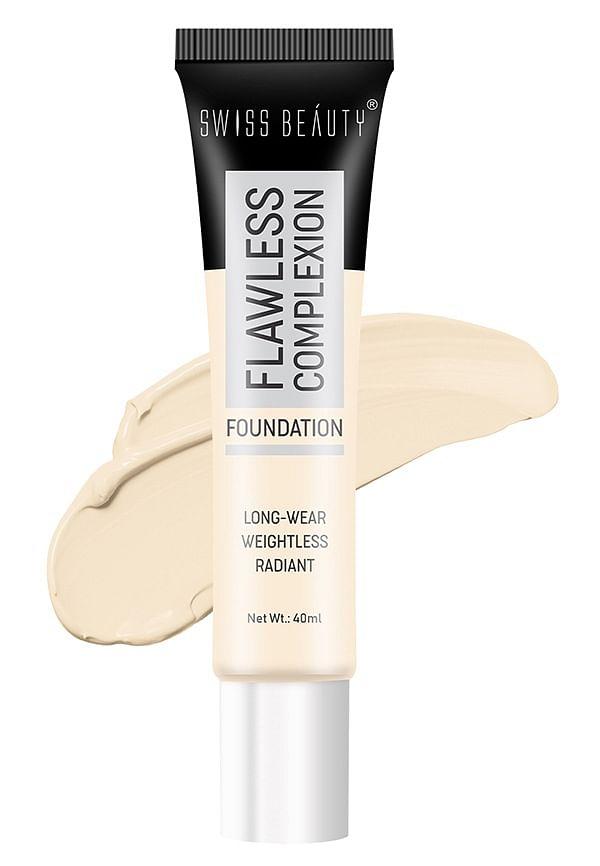
Flawless Complexion Foundation
Amazing Product, Worth It
 5
5“amazing product love it Worth it”
Amazing Product, Worth It
5“amazing product love it Worth it”
Amazing Product, Worth It
5“amazing product love it Worth it”
Finding your perfect foundation shade can feel like searching for a needle in a haystack. You've probably been there—standing in front of endless rows of foundation bottles, feeling completely overwhelmed by the sheer number of options. The wrong shade can leave you looking washed out, orange, or like you're wearing a mask. But here's the thing: choosing the right foundation shade doesn't have to be rocket science. With the right techniques and a bit of patience, you can master foundation color matching and find that perfect shade that makes your skin look naturally flawless. Whether you're dealing with oily skin, dry patches, or trying to decode your undertones, this guide will walk you through everything you need to know. Plus, with platforms like Smytten offering trial packs of foundations from top brands, you can actually test products before committing to full-size purchases—making your foundation hunt so much easier.
TL;DR
Test foundation on your jawline, not your wrist, and wait 5 minutes for oxidation
Identify your undertones (cool, warm, or neutral) using the vein test and jewellery preferences
Always test in natural daylight and blend the foundation down to your neck
Consider your skin type when choosing formulas—matte for oily skin, hydrating for dry skin
Use digital tools as a starting point, but always test physically before buying
Before diving into how to choose foundation shade, you need to understand your skin's unique characteristics. Think of this as getting to know your canvas before painting. Your skin has two main aspects that determine your perfect foundation match: depth and undertone.
Skin depth refers to how light or dark your complexion is, ranging from fair to deep. This is what most people think of when they hear "skin tone," but it's only half the story. Fair skin might have pink or golden undertones, whilst deep skin can have warm golden or cool blue undertones.
Here's where it gets tricky—lighting can completely change how your skin depth appears. That foundation that looked perfect in the shop's fluorescent lighting might look completely off in natural daylight. This is why the best foundation for skin tone testing always happens in natural light.
Your undertone is the subtle hue beneath your skin's surface, and it's the secret to finding your perfect foundation. There are three main categories: cool, warm, and neutral undertones.
Cool undertones have pink, red, or bluish hints. If you burn easily in the sun and your veins appear blue or purple, you likely have cool undertones. Warm undertones feature golden, yellow, or olive hues. You probably tan easily and have green-tinted veins. Neutral undertones are a balanced mix of both cool and warm tones.
Try the jewellery test: hold silver and gold jewellery against your skin. Silver typically flatters cool undertones, whilst gold complements warm ones. If both look great, you might have neutral undertones.
Now that you understand your skin, let's talk about how to match foundation to skin properly. Forget everything you've heard about testing on your wrist—we're about to share the techniques that makeup artists actually use.
The jawline test is your best friend when it comes to foundation color matching. Your jawline is the perfect testing spot because it's close to your face's natural colour and allows you to see how the foundation blends with your neck.
Apply three small dots of different foundation shades along your jawline, spacing them about an inch apart. Blend each one gently with your finger or a makeup sponge. The right shade should virtually disappear into your skin.
Your foundation should seamlessly blend from your face to your neck without any visible line. This prevents the dreaded "floating head" effect where your face looks like it belongs to someone else.
When testing foundation shades, always blend the product down onto your neck. If there's a stark contrast, you need to adjust your shade choice. Sometimes going one shade lighter or darker can make all the difference.
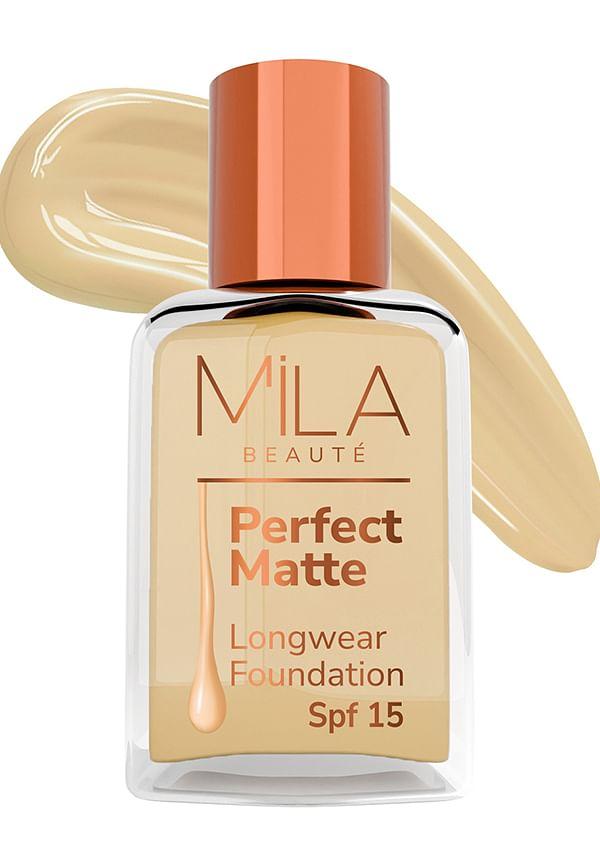
Perfect Matte Longwear Foundation SPF15 Smooth Matte Finish
Good Foundation, Nice Coverage
5“good foundation nice coverage loved it”
Good Foundation, Nice Coverage
5“good foundation nice coverage loved it”
Good Foundation, Nice Coverage
5“good foundation nice coverage loved it”
Here's something most people don't know: foundation oxidises when it meets your skin's natural oils. This means the colour can change within the first few minutes of application.
After applying your test patches, wait at least five minutes before making your decision. This gives you a true picture of how the foundation will look throughout the day. Many people choose the wrong shade because they decide too quickly.
Testing foundation shades properly can save you from costly mistakes and endless returns. Let's break down the professional approach to finding your perfect foundation match.
Natural daylight is your best friend when testing foundation shades. The ideal time is between 10 AM and 2 PM when the light is brightest and most neutral. Avoid testing in the early morning or late afternoon when the light has a golden cast.
If you must test indoors, position yourself near a large window or use a daylight-balanced lamp. Avoid fluorescent lighting at all costs—it can make warm foundations look orange and cool ones look ashy.
Your wrist and the back of your hand are terrible places to test foundation. The skin there is often different in colour and texture from your face. Your hands get more sun exposure and might be several shades darker than your face.
Store lighting is another major pitfall. Those bright, often yellow-tinted lights can make any foundation look "right" in the moment, only to look completely wrong when you get home.
Don't overwhelm yourself by testing too many shades at once. Stick to three maximum, and space them out along your jawline so you can compare them properly.
Take photos of your test patches in different lighting conditions. This helps you remember which shade looked best and gives you a reference for future shopping trips.
Your skin type plays a huge role in how foundation appears and wears throughout the day. The same shade can look completely different depending on whether you have oily, dry, or combination skin.
If you have oily skin, matte and oil-free formulations are your best bet. These foundations help control shine and typically have better staying power. However, be aware that matte foundations can sometimes appear slightly darker than they actually are due to their light-absorbing properties.
Powder foundations can be excellent for oily skin types, but remember they often appear one shade lighter than liquid foundations. When choosing foundation for oily skin, consider going half a shade deeper than you think you need.
Dry skin benefits from hydrating, dewy formulations that add moisture and luminosity. These foundations often appear slightly lighter and more radiant than matte versions of the same shade.
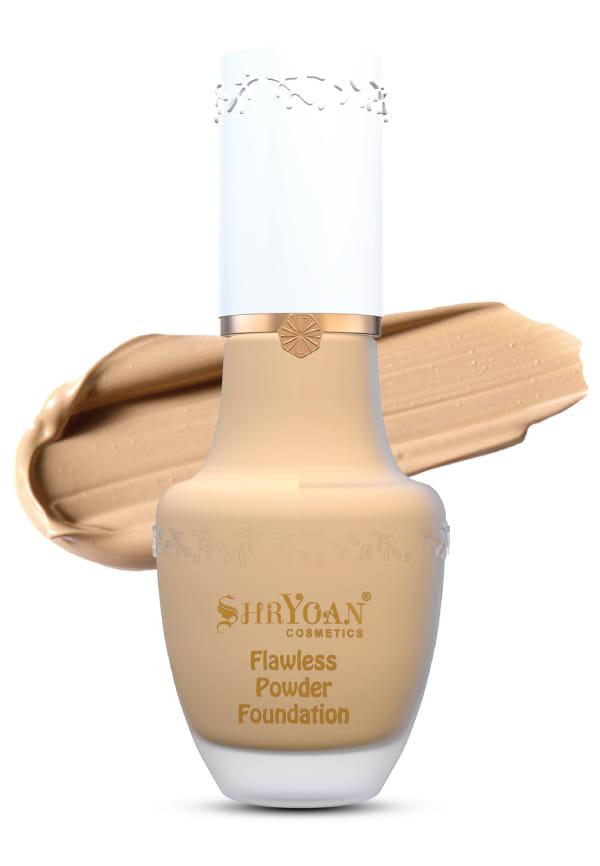
Flawless Powder Foundation
Amazing Smell
5“super product 😍🤩🥰😘the smell was amazing 😍”
Be careful not to choose a shade that's too light, as the dewy finish can make pale foundations look chalky on dry skin. The extra moisture in these formulas can also cause slight colour changes as they settle into your skin.
Combination skin can be tricky because different areas of your face might react differently to foundation. Satin or natural finish foundations often work best as they provide a balance between matte and dewy.
Some people with combination skin use different formulas for different areas—a mattifying foundation for the T-zone and a hydrating one for dry areas. In this case, make sure both formulas are the exact same shade.
Technology has revolutionised how we approach foundation shade matching. While digital tools shouldn't replace physical testing, they're excellent starting points for narrowing down your options.
Many brands now offer camera-based shade matching through their apps or websites. These tools analyse your skin using your phone's camera and suggest foundation shades based on colour analysis.
While these foundation shade finder tools are getting more accurate, they're not perfect. Factors like your phone's camera quality, lighting conditions, and screen settings can all affect the results. Use them as a starting point, not a final decision.
If you know your shade in one brand, several websites can help you find equivalent shades in other brands. These services maintain databases of foundation shades and their closest matches across different brands.
Popular foundation matching websites include Findation and Temptalia's Foundation Matrix. Input your current foundation information, and they'll suggest similar shades from other brands.
Virtual try-on apps let you see how different foundation shades look on your face using augmented reality. While fun and helpful for getting a general idea, remember that your screen's colour accuracy and lighting conditions will affect how realistic the preview looks.
Combine digital tools with physical testing for the best results. Use technology to narrow down your options, then test your top choices in person.
The formula and finish of your foundation can significantly impact how the colour appears on your skin. Understanding these differences helps you make better shade choices across different product types.
Liquid foundations typically provide the most accurate colour representation and are easiest to match. Powder foundations often appear lighter and can emphasise texture, whilst stick foundations tend to look slightly deeper due to their concentrated pigmentation.
Coverage level also matters. Sheer foundations will blend with your natural skin tone, so you might need a shade closer to your exact skin colour. Full coverage foundations can completely transform your complexion, giving you more flexibility in shade choice.
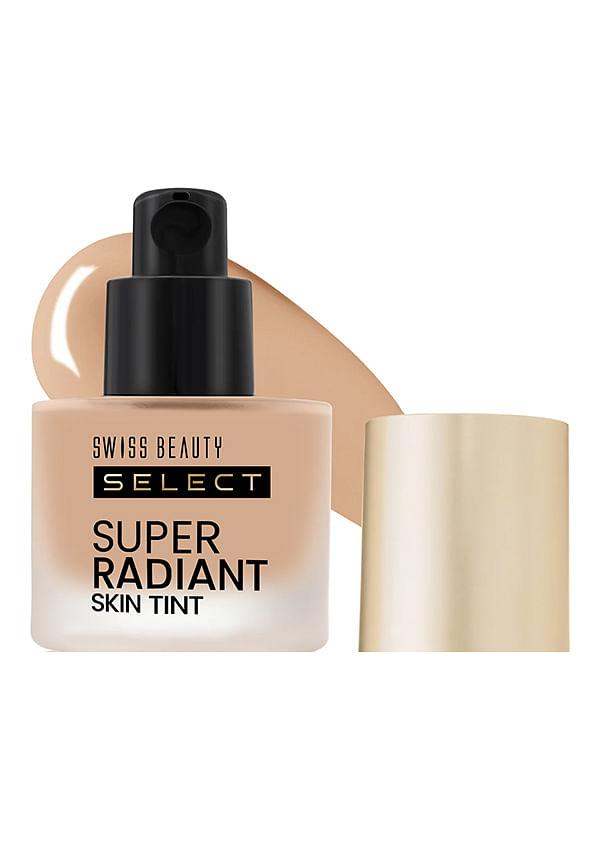
Select Super Radiant Hydrating Skin Tint
Extremely Good Product
5“toooooooo much good product thanks”
Extremely Good Product
5“toooooooo much good product thanks”
Extremely Good Product
5“toooooooo much good product thanks”
Matte finishes can make foundations appear slightly darker and can emphasise cool undertones. Dewy finishes often make shades appear lighter and can enhance warm undertones. Satin finishes provide a balanced middle ground that works for most skin tones and types.
Consider how the finish interacts with your skin's natural undertones when making your final shade selection. What looks perfect in a matte formula might need adjustment in a dewy version.
Test foundation on your jawline in natural light, wait 5 minutes for oxidation, and choose the shade that disappears into your skin. The right shade should blend seamlessly from your face to your neck without any visible line.
Identify your undertones first (cool, warm, or neutral), then test shades on your jawline rather than your wrist. Always test in natural daylight and consider your skin type when choosing formulas. Available on Smytten, you can try foundation minis from multiple brands to find your perfect match.
Use the vein test to determine undertones, test multiple shades on your jawline, and wait for oxidation. Take photos in different lighting conditions and ensure the foundation blends well with your neck. Don't rely solely on digital tools—always test physically.
Choose the lighter shade if you're between two options, as you can always build coverage or mix in a darker shade. Alternatively, buy both shades and mix them to create your perfect custom colour.
Reassess your foundation shade seasonally, as your skin tone can change with sun exposure. Also reconsider when switching skincare routines, as new products can affect how foundation appears on your skin.
Yes, your skin can become lighter in winter and darker in summer due to sun exposure. Many people need two different foundation shades throughout the year. Trial on Smytten to test seasonal shade adjustments without committing to full-size products.
Choosing the right foundation shade is all about understanding your skin's unique characteristics and using proper testing techniques. Remember that your undertone is just as important as your skin depth, and the two work together to determine your perfect match. Always test on your jawline in natural light, wait for oxidation, and ensure the shade blends seamlessly with your neck.
Don't forget that your skin type influences how foundation appears and wears. Oily skin might need slightly deeper shades in matte formulas, whilst dry skin often looks better with hydrating formulas that might appear lighter. Digital tools can help narrow down options, but physical testing remains essential for finding your true match.
Most importantly, be patient with the process. Finding your perfect foundation shade might take some trial and error, but once you understand your skin's needs, you'll be able to choose the right shade across different brands and formulas with confidence.
Finding your perfect foundation shade doesn't have to be a guessing game anymore. With the right knowledge and testing techniques, you can confidently choose foundations that make your skin look naturally flawless. Smytten makes this journey even easier by offering curated trial packs from over 1,500 trusted beauty brands, letting you test multiple foundation shades before committing to full-size purchases. With 100% cashback on trial minis and authentic brand-verified products delivered across 27,000+ pincodes, you can explore different formulas and shades risk-free. Whether you're trying to decode your undertones or testing foundations for different skin types, Smytten's trial-before-you-buy approach means you'll never have to settle for a foundation that's "close enough" again. After all, why settle for maybe when you can try it all and find your perfect match?
