How to Apply Primer, Foundation, and Concealer for a Flawless Base


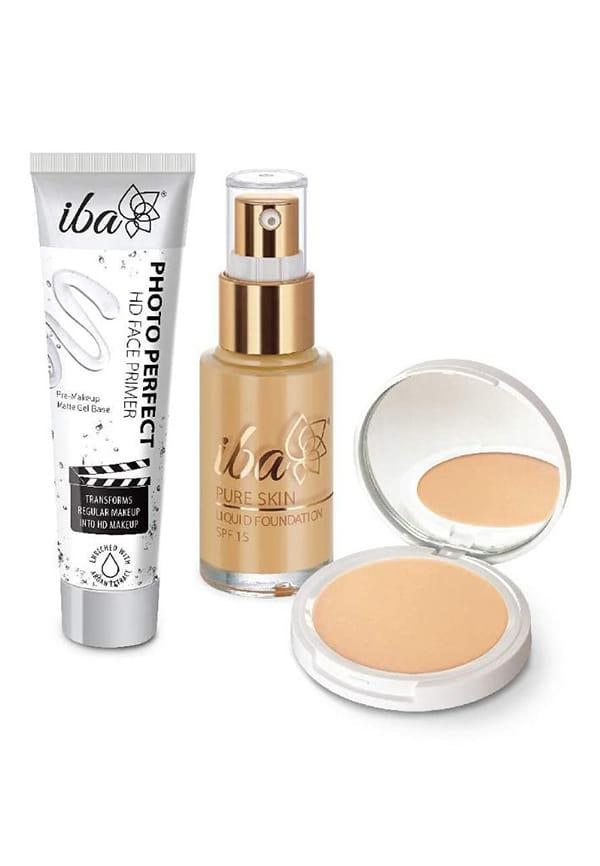
Perfect Base Primer + Foundation + Compact Combo
Loved product quality
 5
5“really love this product and the quality 👍🫶🫶🫶go for it”
Shade too light
5“the shade is light looking horrible”
Excellent Product
5“very good very very nice product”
Getting that perfect makeup base isn't rocket science, but it does require knowing the right order and techniques. Whether you're just starting your makeup journey or looking to refine your skills, mastering how to apply primer, foundation, and concealer is your ticket to that flawless, Instagram-ready look. The secret lies in understanding that each product has a specific job—and when you layer them correctly, they work together like a dream team. With countless options available on Smytten, from hydrating primers to full-coverage foundations, finding your perfect base routine has never been easier. Let's break down this essential face makeup tutorial that'll have you looking like a pro in no time.
TL;DR
Always follow the golden order: primer first, then foundation, finally concealer for the best results
Choose your makeup primer based on your skin type—hydrating for dry skin, mattifying primer for oily skin
Apply foundation in thin layers using the dot method and blend outward for seamless coverage
Use concealer strategically—triangle technique under eyes, spot application for blemishes
Set everything with translucent powder to lock in your flawless makeup base
Think of your base makeup routine like building a house—you need a solid foundation, and that starts with primer. This isn't just some marketing gimmick; there's actual science behind why this sequence works so brilliantly. Primer creates a smooth canvas by filling in pores and fine lines, whilst also helping your foundation grip onto your skin better.
When you apply foundation over primer, it glides on more evenly and lasts significantly longer—we're talking 6-8 hours of wear versus the usual 3-4 hours without primer. Then comes concealer, which works best when applied over foundation because it can target specific areas without disturbing your base coverage. Many beginners make the mistake of applying concealer first, only to blend it away when they add foundation on top.
Choosing the right primer is like picking the perfect outfit—it needs to suit your specific needs. Your skin type determines which formula will work best, and getting this right makes all the difference in your final look.
For dry skin, gel-based hydrating primers are your best friend. These formulas contain ingredients like hyaluronic acid that plump and smooth whilst adding moisture. If you've got oily skin, look for a primer for oily skin that's mattifying and pore-filling—these create a grippy base that controls shine throughout the day.
Colour-correcting primers deserve a special mention here. Green primers neutralise redness, whilst peach or pink ones brighten dull complexions. These work brilliantly when you want to address specific skin concerns before even touching foundation.
Start with clean, moisturised skin—this is non-negotiable. Your primer needs a smooth base to work its magic. Take a pea-sized amount (seriously, that's all you need for your entire face) and warm it between your fingers.
Apply using a pressing motion from the centre of your face outward. Don't rub it in like moisturiser; instead, gently press and pat it into your skin. Pay extra attention to your T-zone and any areas where your makeup typically fades first. The crucial bit? Wait 30 seconds before applying foundation. This gives the primer time to set and creates that grippy surface your foundation will love.
Foundation application can make or break your entire look, but once you nail the technique, you'll wonder why you ever struggled. The key is building coverage gradually rather than slapping on a thick layer and hoping for the best.

Oil Control Base Foundation Combination of Primer, Concealer & Moisturizer
Here's where most people go wrong—testing foundation on their hand or wrist. Your face and hands can be completely different shades, so always test on your jawline in natural light. The right shade should disappear into your skin without any obvious lines.
Consider your undertones too. Cool undertones have pink or blue hints, warm undertones lean yellow or golden, and neutral undertones are a balanced mix. Getting this right means your foundation won't look ashy or orange—two major makeup faux pas we're definitely avoiding.
The dot method is your foundation application game-changer. Place small dots of foundation on your forehead, both cheeks, nose, and chin. This ensures even distribution before you start blending. Use a damp makeup sponge or dense foundation brush to blend outward from each dot.
If you're using a sponge, bounce it gently rather than dragging it across your skin. Dragging can lift off the primer underneath and create streaky coverage. For brushes, use circular buffing motions followed by long, sweeping strokes to smooth everything out. Remember, thin layers are your friend—you can always build coverage where needed.
Concealer is like the magic wand of makeup—it can brighten, cover, and perfect in ways that foundation alone simply can't. But using it correctly requires a slightly different approach depending on what you're trying to achieve.
The triangle technique is absolutely revolutionary for under-eye concealer application. Draw an inverted triangle under your eye with the base along your lash line and the point towards your cheek. This shape naturally lifts and brightens your entire eye area whilst providing coverage where you need it most.
For deeper under-eye circles, consider colour correction first. Peach or orange correctors neutralise blue or purple tones before you apply concealer. Use a small, damp sponge to blend the edges gently—you want to press and lift rather than rub, which can disturb your foundation underneath.
Spot concealing requires precision. Dot concealer directly onto blemishes using a small brush or your finger, then gently tap the edges to blend without lifting the product off the centre of the spot. Choose a concealer that matches your foundation exactly—going lighter can actually draw more attention to blemishes.
For the best concealer for acne coverage, look for formulas that are buildable and long-wearing. Some concealers contain salicylic acid or other acne-fighting ingredients, which means they're working to improve your skin whilst covering imperfections.
Even with the best intentions, there are some sneaky mistakes that can sabotage your base makeup routine. Recognising these early can save you from makeup disasters and help you achieve that flawless makeup base you're after.
Over-priming is surprisingly common—more isn't always better. If your foundation is sliding around or looking patchy, you might be using too much primer. Stick to that pea-sized amount and focus on problem areas rather than coating your entire face.

Primer + Matte Powder Foundation Compact
Good Quality, Happy with Product
5“good quality and happy with the product”
Good Quality, Happy with Product
5“good quality and happy with the product”
Excellent Blending & Shade Match
5“very good blending foundation matching my skin tone”
Foundation oxidation is another frustrating issue where your perfectly matched foundation turns orange or darker throughout the day. This happens when the oils in your skin react with the foundation. Combat this by using a primer that creates a barrier and choosing foundations that are specifically formulated to resist oxidation.
Cakey concealer usually results from applying too much product or not blending properly. If your concealer looks obvious or heavy, try using less product and building coverage gradually. Sometimes switching to a lighter coverage concealer and layering it works better than one thick application.
Setting your base makeup is like putting a protective seal over all your hard work. Without this step, even the most perfectly applied base can slide off by lunchtime, especially if you have oily skin or live in a humid climate.
Translucent powder is your best friend here. Use a fluffy brush to lightly dust powder over your T-zone and under-eye area where concealer tends to crease. The key word is 'lightly'—you want to set your makeup, not create a powdery mess.
Setting spray adds an extra layer of protection and can help meld all your base products together for a more natural finish. Hold the bottle about arm's length away and mist evenly over your face. Some setting sprays also add a subtle glow, which can make your skin look more natural and healthy.
Sometimes you need a streamlined routine that gets you looking polished without the fuss. Whether you're rushing to work or just prefer a minimal approach, these shortcuts will become your go-to base makeup routine.
Start with a tinted moisturiser or BB cream that combines primer, foundation, and SPF in one step. Apply with your fingers using pressing motions, then spot-conceal only where needed. Finish with a light dusting of translucent powder on your T-zone.
This simplified approach works brilliantly for everyday wear and is perfect for makeup beginners who want to build confidence before tackling more complex techniques. You'll still get that polished look without feeling overwhelmed by multiple products and steps.
Dry patches can ruin even the best foundation application. If you notice flaky areas, gently exfoliate beforehand and use a hydrating primer specifically on those spots. Sometimes mixing a drop of facial oil into your foundation can help it glide over dry areas more smoothly.
For oily breakthrough during the day, blot with blotting papers first, then lightly dust translucent powder over shiny areas. Avoid adding more foundation on top of existing makeup—this usually leads to a cakey, unnatural finish.
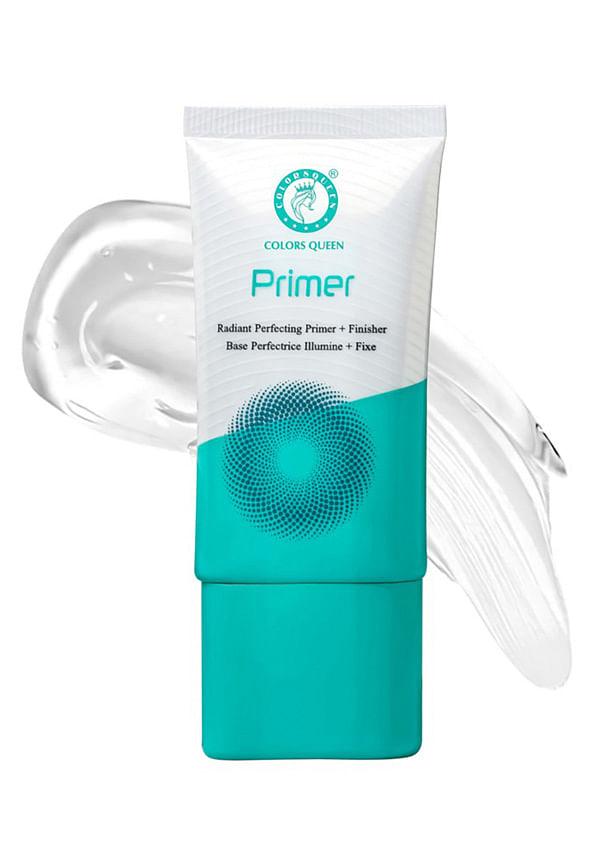
Perfect Radiant Primer
Smooth Skin
5“nice texture.my skin feels too smooth after applying this product”
Excellent Product Quality
5“good product must buy good texture smooth finish”
The correct base makeup order is primer first, then foundation, and finally concealer. This sequence creates the smoothest, longest-lasting finish by allowing each product to work optimally with the others.
Apply a pea-sized amount to clean, moisturised skin, press from the centre of your face outward, and wait 30 seconds before applying foundation. This creates the perfect grippy base for optimal makeup longevity.
Primer is always applied first, before both foundation and concealer. This creates a smooth base for all subsequent makeup layers and helps everything last longer throughout the day.
Yes, hydrating gel-based primers smooth dry, flaky skin and create an even surface for foundation application whilst providing moisture throughout the day. Choose primers with hyaluronic acid for extra hydration.
For under-eyes, apply concealer in a triangle shape and blend gently with a damp sponge. For blemishes, dot concealer directly on spots and tap the edges to blend seamlessly without disturbing your foundation.
Absolutely! Smytten offers trial packs from over 1,500 trusted beauty brands, making it easy to test different primers, foundations, and concealers before committing to full-size purchases.
Mastering how to apply primer, foundation, and concealer is all about understanding the why behind each step, not just the how. The correct order—primer, foundation, then concealer—isn't arbitrary; it's designed to give you the most flawless, long-lasting results possible.
Remember that practice makes perfect, and what works for your friend might not work for you. Your skin type, lifestyle, and personal preferences all play a role in determining your ideal base makeup routine. Don't be afraid to experiment with different techniques and products until you find your perfect combination.
The most important thing is to start with good skincare, choose products suited to your skin type, and apply them with the right techniques. Whether you're going for a natural everyday look or full glam, these fundamentals will serve you well.
Finding your perfect base makeup routine doesn't have to involve expensive mistakes or endless trial and error. Smytten makes it incredibly easy to discover your ideal primer, foundation, and concealer combination through curated trial packs from trusted brands. With over 1,500 beauty brands available, you can explore everything from hydrating primers for dry skin to the best concealer for acne coverage—all before committing to full-size purchases. The platform's trial before you buy approach means you can test different formulas and shades risk-free, with 100% cashback on trials that you can use towards your favourite discoveries. Whether you're a makeup beginner looking to build your first base routine or someone wanting to upgrade their current products, Smytten's authentic brand-verified minis let you experiment with confidence. After all, why settle for maybe when you can try it all and find exactly what makes your skin look its absolute best?
