How to Apply Foundation: A Beginner's Guide


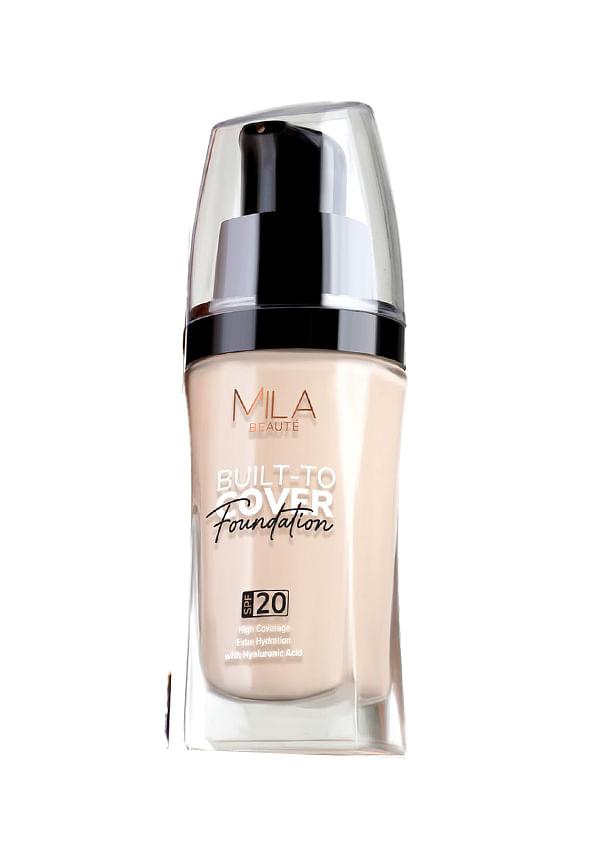
Built to Cover Foundation
Nice Coverage Foundation
 5
5“nice coverage foundation I like it”
Nice Coverage Foundation
5“nice coverage foundation I like it”
Good for Fair Skin
5“very good product and it's very good for fair skin”
Let's be real—foundation can feel like the most intimidating step in any beginner makeup routine. One minute you're watching a tutorial thinking "this looks easy," and the next you're staring at your reflection wondering why you look like you've been dunked in orange paint. But here's the thing: learning how to apply foundation for beginners doesn't have to be rocket science. With the right techniques, tools, and a bit of practice, you'll be creating that smooth, natural base that makes everything else fall into place. Whether you're completely new to makeup or just want to nail your foundation game, this guide breaks down everything you need to know—from choosing the right shade to mastering those blending techniques that'll have you looking effortlessly put-together.
Before diving into application techniques, let's sort out what foundation actually does and which type might work best for you. Think of foundation as your skin's best filter—it evens out your complexion, covers minor imperfections, and creates a smooth canvas for the rest of your makeup. But with so many types of foundation out there, choosing the right one can feel overwhelming.
Liquid foundation is your safest bet as a beginner. It's the most versatile option, working well on most skin types and offering buildable coverage. Plus, it's easier to blend than other formulas, making it perfect for those still getting the hang of foundation application tips. Powder foundation works brilliantly if you have oily skin or prefer minimal fuss. It's quick to apply and helps control shine throughout the day. However, it can look cakey if you're heavy-handed, so start light. Cream foundation gives excellent coverage and works well for dry or mature skin. It's more pigmented than liquid foundation, so you need less product, but it requires more blending skill. Tinted moisturiser is perfect for makeup beginners who want something foolproof. It offers light coverage whilst hydrating your skin, making it nearly impossible to mess up.
Finding your perfect shade is crucial for any flawless foundation technique. Start by identifying your undertone—cool (pink or blue undertones), warm (yellow or golden undertones), or neutral (a mix of both). Test foundation shades on your jawline, not your wrist, and check the colour in natural light. Coverage levels range from light (evens skin tone), medium (covers minor blemishes), to full (covers everything). As a beginner, medium coverage usually hits the sweet spot—enough to make a difference without looking overdone.
Having the right tools makes all the difference when you're learning applying liquid foundation techniques. You don't need a massive collection—just a few quality pieces that'll help you achieve that smooth, even finish.
A foundation brush with dense, synthetic bristles gives you the most control over application. Flat-top brushes work well for stippling and building coverage, whilst angled brushes help you get into smaller areas around your nose and eyes. Beauty sponges are brilliant for beginners because they're nearly foolproof. Always use them damp—this prevents them from absorbing too much product and helps create that seamless, airbrushed finish. Your fingers are actually excellent tools for foundation application. Your body heat warms the product, making it easier to blend, and you have complete control over pressure and placement.
Proper prep is half the battle in any beginner makeup routine. Start with clean, moisturised skin—this creates a smooth base and prevents your foundation from clinging to dry patches. Primer isn't always necessary, but it can help your foundation last longer and apply more smoothly. If you have large pores or oily skin, a mattifying primer might be worth trying. For dry skin, go for a hydrating primer.
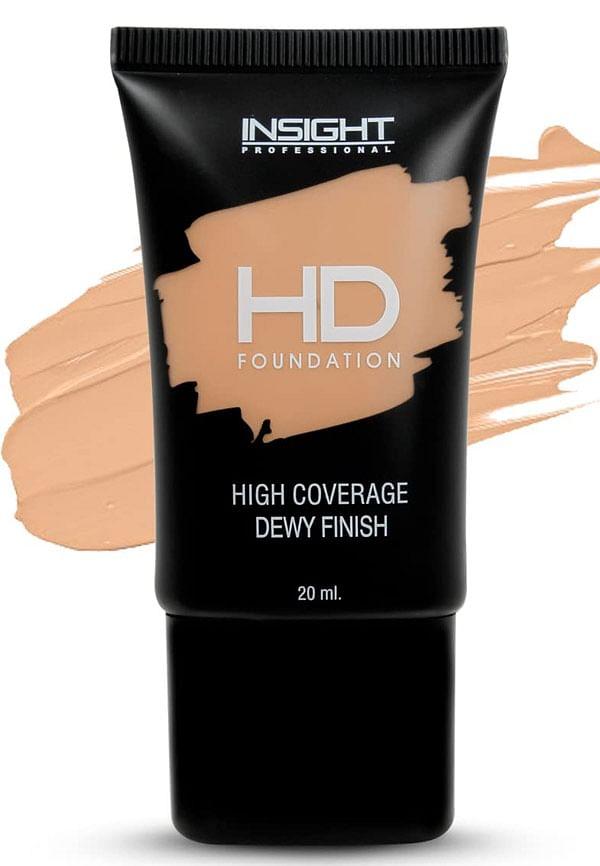
HD Foundation
Now for the main event—actually applying your foundation. The key to mastering how to apply foundation for beginners is starting with less product than you think you need. You can always build up coverage, but removing excess foundation is much trickier.
Step 1: Prep Your Skin
Cleanse, moisturise, and apply primer if you're using one. Let everything absorb for a few minutes before moving on to foundation. Step 2: Apply Foundation
Dot foundation on your forehead, cheeks, nose, and chin. This ensures even distribution and prevents you from using too much product in one area. Step 3: Blend Outwards
Work from the centre of your face outwards, blending the foundation into your skin using your chosen tool. Take your time with this step—rushing leads to streaky, uneven coverage. Step 4: Build Coverage
If you need more coverage in certain areas, add thin layers rather than trying to pile on product all at once. This prevents that cakey look that screams "beginner mistake."
When applying liquid foundation with your fingers, warm a small amount between your fingertips first. Press and pat the foundation into your skin rather than rubbing—this prevents streaking and gives better coverage. For brush application, use stippling motions (gentle dabbing) to place the foundation, then buff it out with circular motions. This technique helps build coverage gradually whilst maintaining a natural finish. With a damp beauty sponge, use a bouncing motion to press the foundation into your skin. The sponge should never drag across your face—this can lift the foundation you've just applied.
Once you've got the basics down, these foundation blending techniques will take your application to the next level. The goal is seamless coverage that looks like your skin, just better.
The "press and roll" method works brilliantly for achieving that flawless foundation technique. Press your tool into the skin, then gently roll it outwards. This helps the foundation meld with your natural skin texture. Pay special attention to your hairline and jawline—these areas often get neglected, leading to obvious foundation lines. Blend thoroughly, but don't forget to check your work in different lighting. Different face shapes benefit from slightly different blending approaches. If you have a round face, focus on blending upwards and outwards. For longer faces, blend horizontally to create width.
Many beginners wonder whether to apply concealer before or after foundation. Generally, foundation first, then concealer on any areas that need extra coverage. This prevents you from wiping away your concealer whilst blending foundation. For colour correcting, apply corrector before foundation. Green cancels redness, peach neutralises dark circles on deeper skin tones, and lavender brightens sallow complexions.
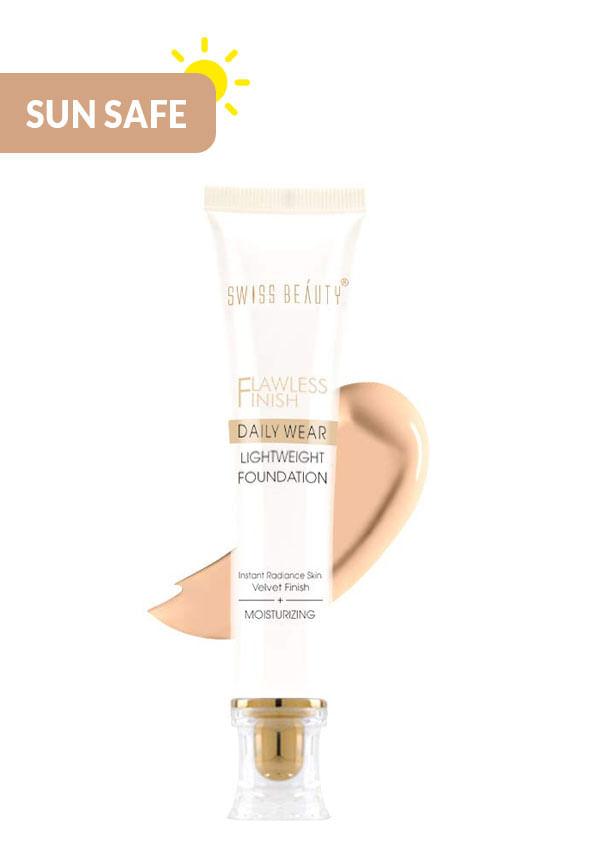
Lightweight Foundation
Great for dry skin
5“love the product, best for dry akin”
Good Quality Foundation
5“Swiss beauty light-weight foundation is very very good quality”
Lightweight and Even on Skin
4“light weight and even on skin,”
Even with the best foundation application tips, things don't always go to plan. Here's how to fix the most common foundation fails that trip up beginners.
If your foundation looks cakey or heavy, you've probably used too much product or haven't blended thoroughly enough. Try using a damp beauty sponge to press and blend the foundation, which can help smooth out any texture issues. Patchy or uneven coverage usually means your skin wasn't properly prepped, or you're not blending thoroughly enough. Make sure your skin is well-moisturised and take extra time blending around your nose and jawline. Wrong shade? Don't panic. You can mix foundations to create a better match, or use a slightly different shade as a light contour if it's close enough.
If your foundation disappears by lunchtime, setting it properly is key. A light dusting of translucent powder helps lock everything in place. Focus on your T-zone if you get oily, but don't powder your entire face unless you want a matte finish. For touch-ups throughout the day, blot away excess oil with a tissue first, then gently pat on a bit more foundation or powder where needed.
Now that you understand the techniques, let's talk about building a realistic routine that fits into your daily life. The best makeup for beginners face routine is one you'll actually stick to.
For busy mornings, streamline your routine to the essentials. Moisturise, apply foundation with your fingers or a damp sponge, spot-conceal if needed, and set with a quick powder dusting. This easy makeup tutorial approach gets you out the door looking polished without the stress. Skip primer if you're short on time—whilst it's helpful, it's not essential for a basic look. Focus your energy on proper blending instead.
Like any skill, foundation application improves with practice. Try different techniques on weekends when you have more time to experiment. Take photos in different lighting to see how your foundation looks throughout the day. Start with lighter coverage and gradually work up to more complex techniques as your confidence grows. Remember, even makeup artists had to start somewhere. Exploring different foundation formulas can help you find your perfect match. With platforms like Smytten, you can try mini versions of foundations from trusted brands before committing to full-size purchases. This approach lets you experiment with different formulas and shades without the risk of buying something that doesn't work for you.
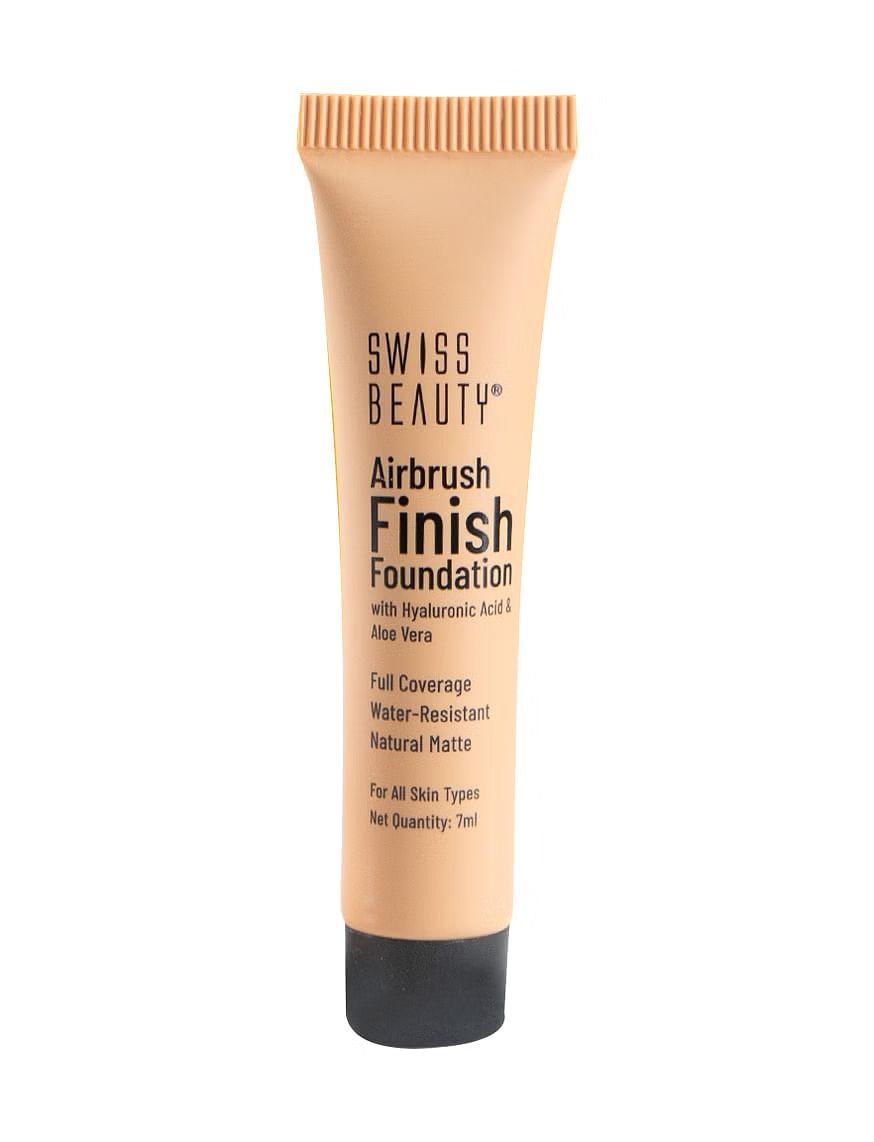
Airbrush Finish Foundation
Start with about half a pump of liquid foundation or a pea-sized amount of cream foundation. You can always add more, but removing excess is much harder. Build coverage gradually rather than applying everything at once.
Both tools have their benefits. Brushes give more coverage and control, whilst sponges create a more natural, skin-like finish. As a beginner, a damp beauty sponge is often more forgiving and easier to use.
Absolutely. Primer helps foundation last longer and can smooth skin texture, but it's not essential. If your skin is well-moisturised and you're happy with how your foundation applies, you can skip primer entirely.
Start with skincare (cleanser, moisturiser), then primer if using, foundation, concealer, powder to set, then move on to eyes, brows, and lips. This order prevents you from disturbing your base makeup.
Test foundation on your jawline and check it in natural light. The right shade should disappear into your skin without leaving a visible line. When in doubt, go slightly lighter rather than darker—you can always add bronzer for warmth.
Liquid foundations typically last 12-18 months once opened, whilst powder foundations can last up to two years. If your foundation changes smell, texture, or colour, it's time to replace it regardless of age.
Mastering foundation application is a journey, not a destination. Start with the basics—proper skin prep, the right tools, and gentle blending techniques. Remember that less is often more, especially when you're learning. Build your confidence with simple techniques before moving on to more advanced methods. The key to finding your perfect foundation routine is experimentation. What works for your friend might not work for you, and that's perfectly normal. Take time to understand your skin type, preferred coverage level, and the tools that feel most comfortable in your hands. With Smytten's trial packs, you can explore foundations from over 1,500 trusted brands without the commitment of full-size purchases. This makes it easier to find formulas that work with your skin type and application preferences. After all, why settle for 'maybe' when you can try different options and find the foundation that truly works for you? The platform's approach to product discovery means you can build confidence in your foundation routine whilst exploring what's out there—because the perfect base is worth finding.
