How to Apply Blush Like a Pro: Beginner's Guide

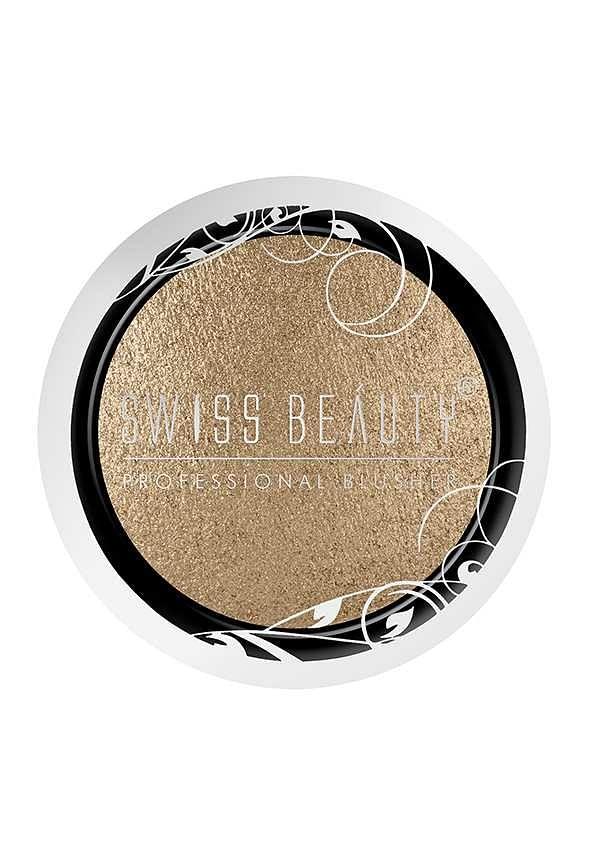
Professional Blusher
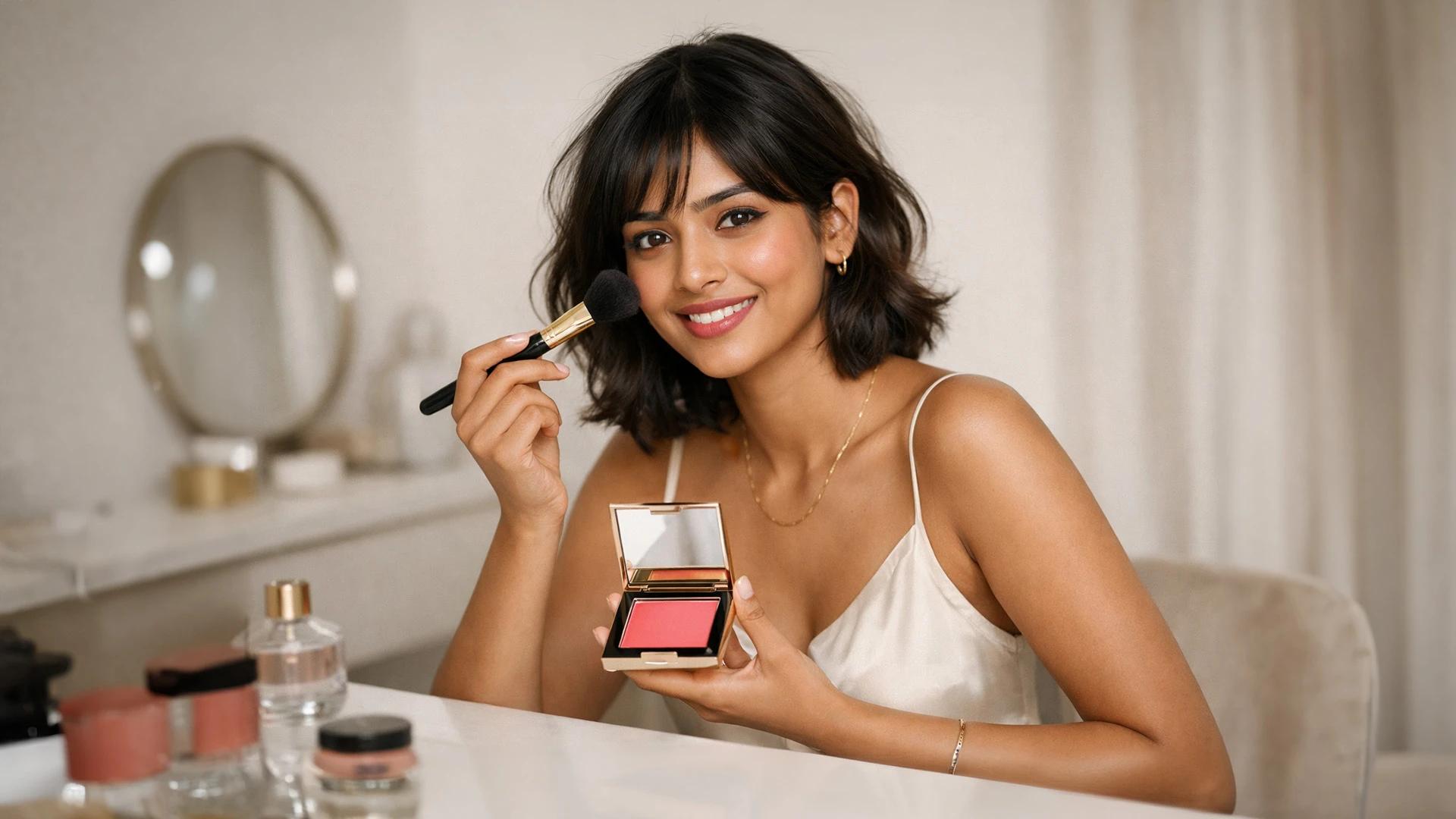
Getting that perfect blush application might seem tricky at first, but it's honestly one of those makeup skills that can transform your entire look once you get the hang of it. Whether you're completely new to makeup or just want to nail that natural flush, learning how to apply blush properly is worth the effort. The right blush placement can lift your features, add warmth to your complexion, and give you that healthy glow everyone's after. Let's break down everything you need to know about blush application, from choosing the right formula to mastering professional techniques that'll have you looking like you just stepped out of a makeup chair.
Before diving into application techniques, let's talk about the different types of blush available and when each one works best. Understanding these formulas will help you choose what suits your skin type and the look you're going for.
Powder blush is probably what most people think of when they hear "blush." It's the most beginner-friendly option and works brilliantly for oily or combination skin types. The formula is buildable, which means you can start light and add more colour gradually. Powder blush typically lasts longer throughout the day compared to cream formulas, making it perfect for those long work days or special events.
Cream blush gives you that natural, dewy finish that looks like it's coming from within your skin. It's particularly lovely on dry or mature skin because it doesn't settle into fine lines or emphasise texture. The key with cream blush is working quickly since it sets fairly fast once applied.
Liquid blush offers incredible longevity and a natural finish that's perfect for no-makeup makeup looks. Gel blush provides sheer, buildable coverage that's brilliant for achieving that subtle flush. Both formulas blend beautifully into the skin and work well for all skin types.
Having the right tools makes all the difference when it comes to blush application. The brush you choose can completely change how your blush looks and how easy it is to blend.
Fluffy brushes are perfect for powder blush application, giving you soft, diffused colour that's easy to blend. Angled brushes work brilliantly for precise placement and contouring with blush. Dense brushes help you build up colour intensity when you want a more dramatic look.
Don't have the perfect brush? No worries. Your fingers work wonderfully for cream and liquid blush application. Beauty sponges can help blend harsh edges, whilst stippling brushes give you that airbrushed finish that looks incredibly natural.
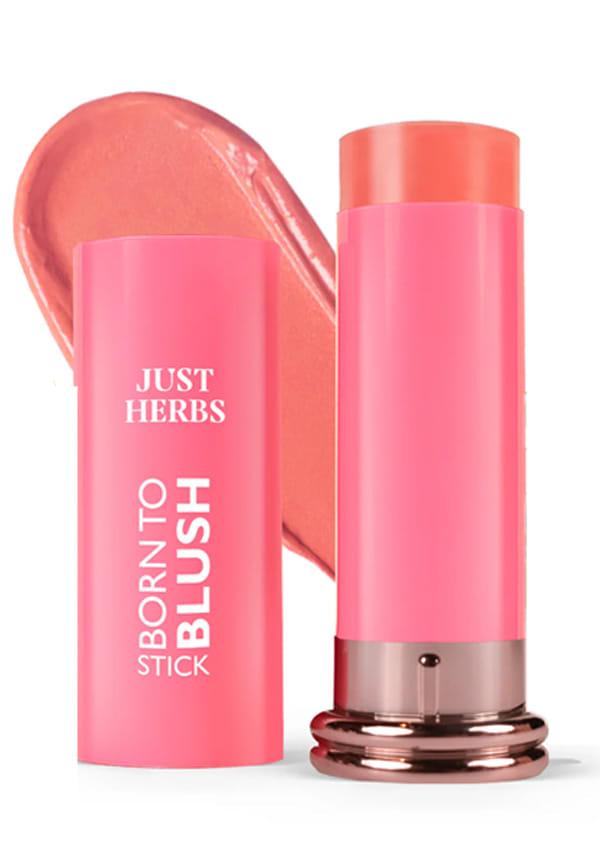
Born To Blush
Now for the fun part - actually applying your blush. These step-by-step guides will help you master each formula type and achieve that perfect flush every time.
Start by tapping off excess product from your brush - this prevents you from applying too much colour at once. Use the 2-finger rule to find your placement: place two fingers beside your nose, and apply blush to the area beyond your fingers. Apply in light layers, building colour gradually rather than going heavy straight away. Blend upward toward your temples for a lifting effect that makes your cheekbones look more defined.
Warm the product on the back of your hand first - this makes it easier to blend. Dot the cream blush onto your cheeks and blend using your fingers or a damp beauty sponge. Work quickly before the product sets, and remember you can always add more if you need deeper colour.
Start with just one drop - liquid blush is incredibly pigmented and a little goes a long way. Blend immediately using tapping motions with your fingers, and build gradually if you want more intensity. The key is working fast and blending thoroughly for that seamless finish.
Getting the placement right is crucial for achieving that natural blush look. The wrong placement can make your face look unbalanced, whilst the right spot can lift and define your features beautifully.
This foolproof technique helps you find the perfect placement every time. Place your index and middle fingers vertically beside your nose, then apply blush to the area from where your fingers end toward your temples. This ensures you're not placing blush too close to your nose, which can look unnatural.
Your face shape plays a role in where you should place your blush for the most flattering effect. Round faces benefit from higher placement toward the temples to create length. Long faces look great with horizontal application across the cheeks to add width. Square faces need soft, rounded application to soften angular features, whilst heart-shaped faces work well with lower cheek placement to balance a wider forehead.
Choosing the right blush colour can make or break your look. The perfect shade should complement your skin tone and look like a natural flush rather than sitting on top of your skin.
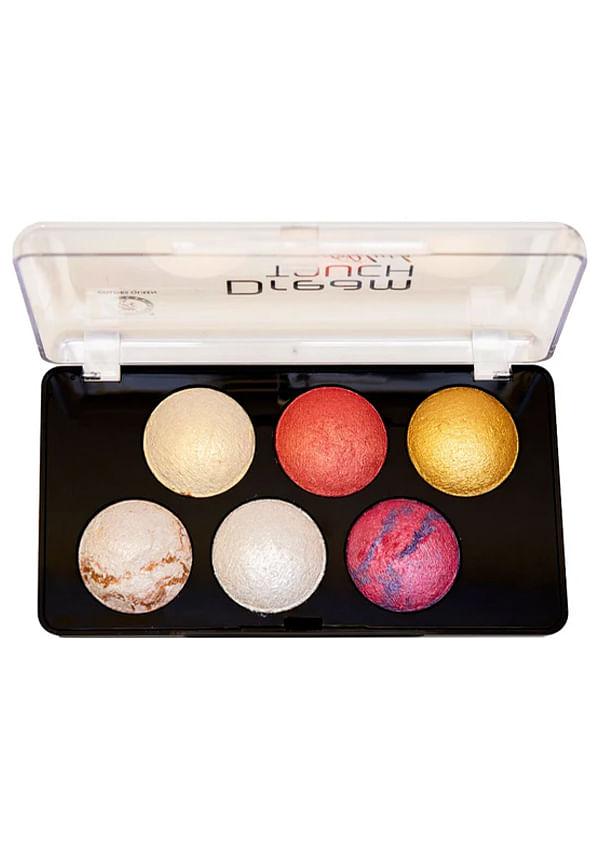
Dream Touch Blusher & Highlighter Palette
Fair skin tones look beautiful in light pinks, soft peaches, and gentle corals. Avoid anything too dark or orange-based as it can look harsh. Medium skin tones can wear rose, berry, and warm peach shades beautifully - these are quite universal and forgiving. Deep skin tones look stunning in rich berries, plums, and bright corals that show up beautifully against deeper complexions.
Your undertone is just as important as your skin depth when choosing blush colours. Cool undertones pair beautifully with pink and berry shades, whilst warm undertones look gorgeous in peach and coral tones. If you have neutral undertones, you're lucky - most blush colours will work for you.
Once you've mastered basic blush application, you might want to explore how blush works with other products like highlighter. The combination can create a gorgeous, dimensional look that's absolutely stunning.
Always apply blush first, then add highlighter on top or slightly above the blush. This creates a natural gradient that mimics how light naturally hits your face. Make sure the colours complement each other - warm blush with warm highlighter, cool blush with cool highlighter.
The key to making blush and highlighter work together is seamless blending. Use a clean, fluffy brush to blend the edges where the products meet, creating a smooth transition that looks effortless and natural.
Even with the best intentions, blush application can go wrong sometimes. Here's how to fix the most common issues and prevent them from happening again.
Applied too much blush? Don't panic. Use a clean, fluffy brush or beauty sponge to blend and diffuse the colour. You can also apply a light dusting of translucent powder to tone down the intensity. For cream blush, gently pat with a damp sponge to lift some product.
If you've placed your blush in the wrong spot, use a clean brush to blend it toward the correct area. Sometimes you can salvage the look by adding more blush in the right place and blending everything together seamlessly.
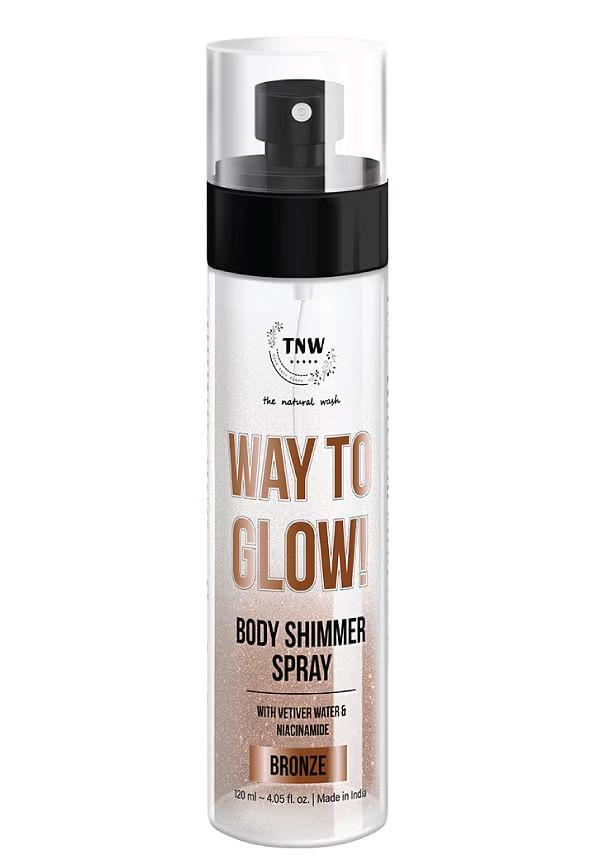
Way to Glow Body Shimmer Spray! | Nourishes skin | For body radiance | Enhance skin texture | Daily skin care | 120ml
Patchy blush usually happens when your skin isn't properly prepped or when you're using the wrong brush. Make sure your base makeup is smooth and set, and use a brush that's appropriate for your blush formula. Build colour gradually rather than trying to get full intensity in one go.
When you're exploring different blush options, platforms like Smytten make it easy to try various shades and formulas without committing to full-size products. With trial packs from trusted brands, you can discover what works best for your skin tone and preferences before making a larger investment.
Apply blush to the apples of your cheeks using the 2-finger rule for placement, then blend upward toward your temples. Start with a light hand and build colour gradually for the most natural look.
Place your index and middle fingers vertically beside your nose. Apply blush to the area from where your fingers end toward your temples. This prevents placing blush too close to your nose.
Apply cream blush after foundation but before setting powder. Apply powder blush after all your base makeup is complete, including setting powder.
Dot a small amount on the back of your hand first, then use your ring finger to gently tap and blend the product onto your cheeks. Work quickly as liquid blush sets fast.
Use a light hand, build colour gradually, choose shades that mimic your natural flush, and blend well at the edges. The key is subtlety and seamless blending.
Powder blush is most beginner-friendly because it's buildable and forgiving. You can start light and add more colour as needed without worrying about working too quickly.
Mastering how to apply blush is one of those makeup skills that truly makes a difference to your overall look. Whether you prefer the buildable nature of powder formulas, the natural finish of cream blush, or the longevity of liquid options, the key is practice and finding what works for your unique features and lifestyle. Remember that blush application is quite personal - what looks natural on someone else might not work for you, and that's perfectly fine.
The beauty of learning proper blush application techniques is that once you've got them down, you can experiment with different colours and intensities to suit various occasions and moods. From subtle everyday flush to more dramatic evening looks, blush gives you that versatility to express yourself through makeup. With Smytten's extensive range of trial packs from over 1,500 trusted brands, you can explore different blush formulas and shades without the commitment of full-size purchases, making your journey to finding the perfect blush both affordable and exciting.
