Gel vs Acrylic Nails: The Ultimate Nail Guide

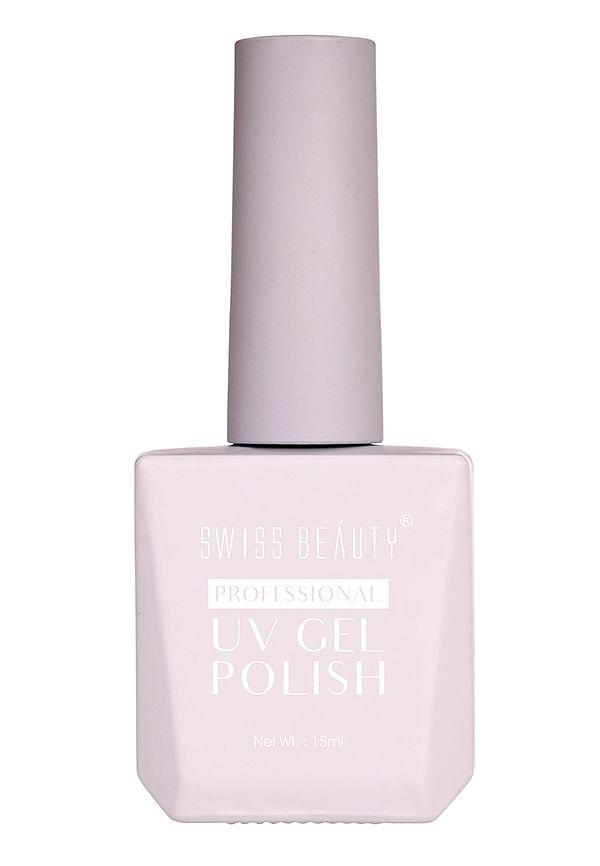
Professional UV Gel Nail Polish
Loves Product, Wants More Colors
 5
5“love this and wish to own different colors”
Wants more colors
5“wish to own different colors in this gel polish”
Color lighter than picture
5“this nail paint color is so light same color nhi aaya jo pic m tha .”
Choosing between gel nails vs acrylic nails can feel like picking your favourite child—both have their perks, but which one's actually worth your time and money? Whether you're a nail newbie or someone who's been through every manicure type under the sun, this guide breaks down everything you need to know. From durability to cost, health impacts to that perfect Instagram-worthy finish, we're covering it all. Let's dive into the ultimate showdown and help you find your kind of nail enhancement.
Before we get into the nitty-gritty comparison, let's clear up what we're actually talking about. Both gel nails and acrylic nails are types of nail extensions that give you longer, stronger nails than what nature provided. But the way they work? Completely different. Think of it like this: if your natural nails were a canvas, gel and acrylic would be two totally different types of paint—each with their own application method, finish, and staying power.
Gel nails are basically liquid plastic that hardens under UV or LED light. The process involves applying thin layers of gel polish or builder gel directly onto your natural nail or a nail form. Each layer gets cured (hardened) under the light for about 30-60 seconds. What makes gel manicure special is that flexible, almost glass-like finish. Plus, there's virtually no smell during application—a massive win if you're sensitive to strong chemical odours.
Acrylic nails work through a chemical reaction. A nail technician mixes liquid monomer with acrylic powder to create a paste that's sculpted onto your nails. This mixture air-dries and hardens naturally—no special lights needed. The result? Super strong, durable false nails that can handle pretty much anything you throw at them. Acrylic manicure has been the go-to choice for dramatic lengths and intricate nail art for decades.
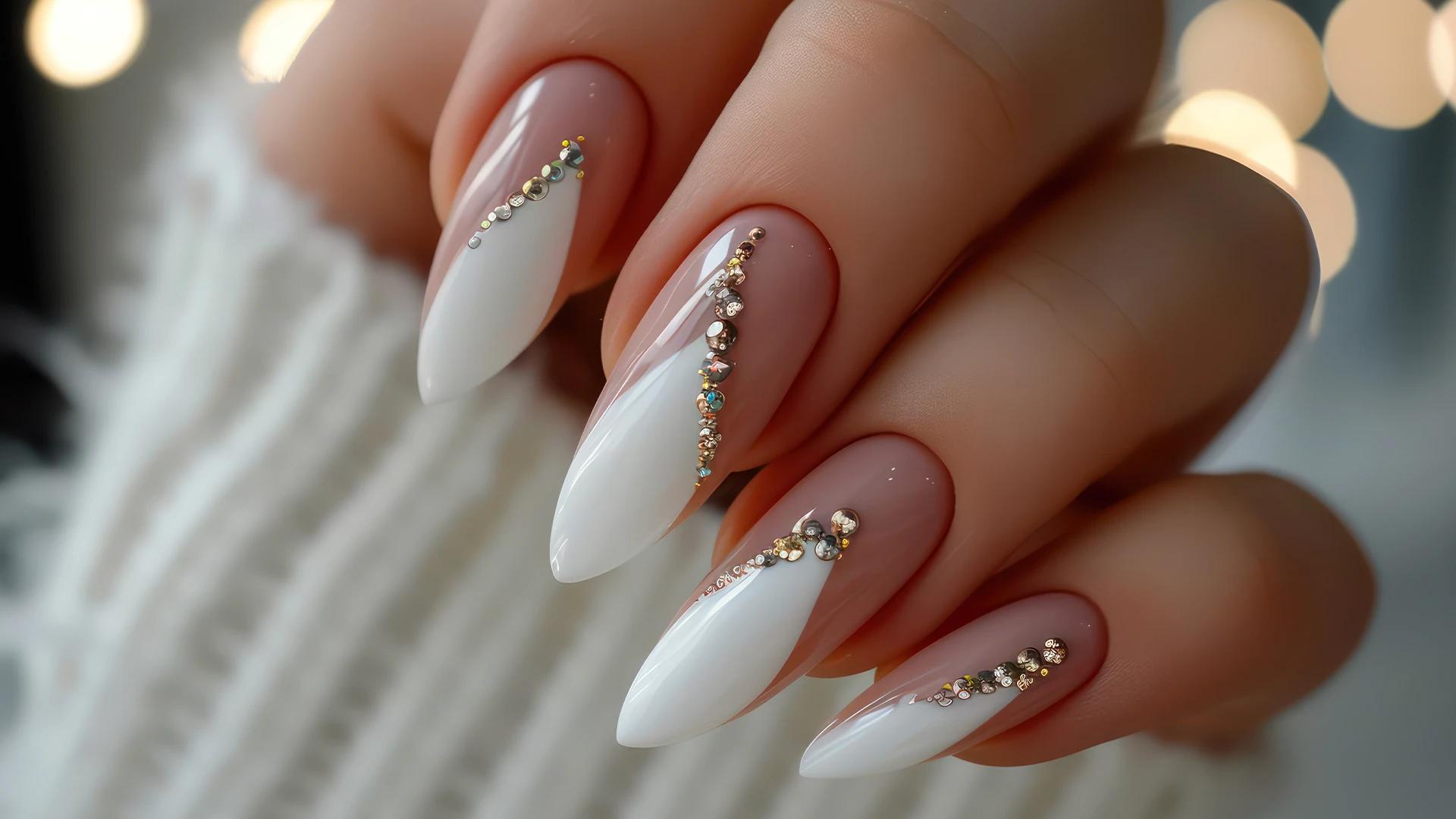
Here's the quick visual breakdown: gel nails tend to look more natural and glossy, almost like your nails but better. Acrylic nails often have that classic "done" look—thicker, more structured, and perfect for those who want everyone to know they've got their nails sorted.
Now for the main event—the actual comparison that'll help you decide which team you're on. We're breaking down everything from how they're applied to how long they'll actually last.
The gel manicure process is pretty straightforward. Your nail tech will prep your nails, apply a base coat, cure it under the light, add 2-3 coats of gel polish (curing between each), and finish with a top coat. The whole thing takes about 45-60 minutes. Acrylic manicure application is more of an art form. After nail prep, they'll apply the liquid and powder mixture, sculpt it into shape, let it air-dry, then file and buff to perfection. This usually takes 60-90 minutes, depending on the length and design. Time-wise, gel wins for speed, but acrylic wins for customisation options.
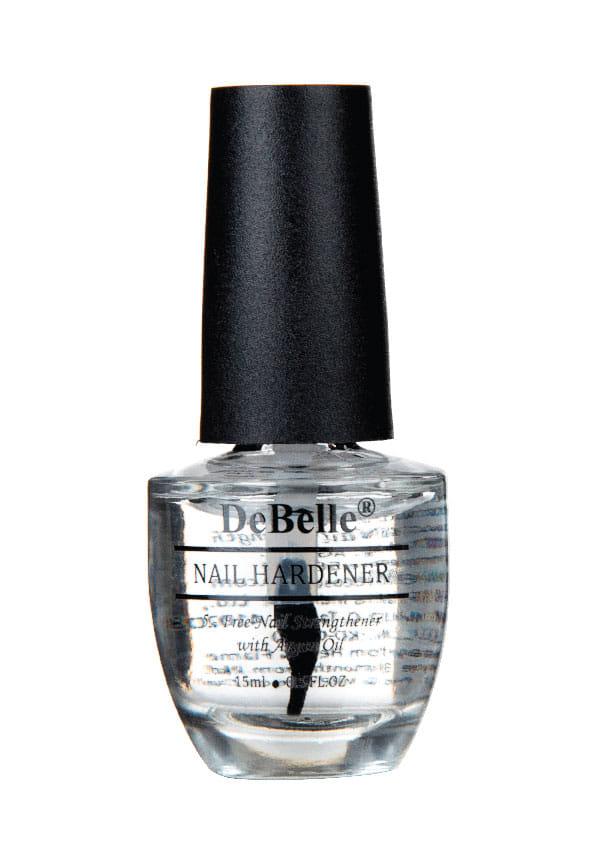
Nail Hardener
Let's be real—durability is probably your biggest concern. Acrylic nails are the clear winner here. They can last 6-8 weeks with proper fills every 2-3 weeks. These babies can survive everything from aggressive typing to accidentally using your nails as tools (though please don't). Gel nails typically last 2-4 weeks before they start chipping or growing out noticeably. They're more prone to peeling and can crack under pressure, but they're also more forgiving if you're rough with your hands.
For a natural look, gel nails take the crown. They're thinner, more flexible, and have that gorgeous glossy finish that looks like you were born with perfect nails. They're brilliant for shorter lengths and subtle nail art. Acrylic nails are your go-to for drama. Want coffin-shaped nails that could double as weapons? Acrylic's your friend. They're thicker and can support elaborate designs, 3D elements, and extreme lengths that gel just can't handle.
This is where things get a bit more serious. Your nail health matters, and different nail enhancements affect your natural nails differently.
Both gel and acrylic can damage your natural nails if not applied or removed properly. However, gel tends to be gentler overall. The curing process doesn't involve harsh chemicals mixing directly on your nail, and the removal process (when done correctly) is less aggressive. Acrylic nails involve more chemicals and require more aggressive filing during application and removal. The monomer liquid can also cause allergic reactions in some people, leading to contact dermatitis around the nail area.
If your natural nails are weak, thin, or damaged, gel is generally the safer choice. It's more flexible, so it moves with your natural nail rather than creating stress points that can cause breaks. That said, some people find that the structure of acrylic nails actually protects their weak natural nails from further damage. It's really about finding what works for your specific situation.
Proper removal is crucial for both types. Gel nails should be soaked off with acetone and gently pushed off—never peeled or forced. Acrylic removal involves soaking in acetone and careful filing. The key? Always go to a professional for removal, or if you're doing it at home, take your time and be gentle. Rushing the removal process is the fastest way to damage your natural nails.
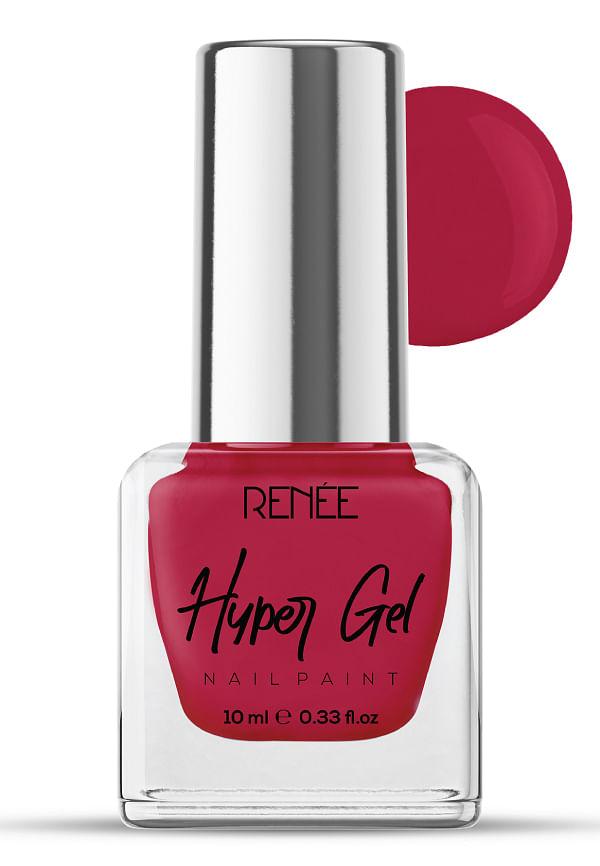
Hyper Gel Nail Paint
Very Nice Product
5“i liked it...very nice product....”
Very Nice Product
5“i liked it...very nice product....”
Very Nice Product
5“i liked it...very nice product....”
Let's talk money—because your nail budget is probably a real consideration in this decision.
In most salons, gel nails typically cost between ₹800-2000 for a full set, while acrylic nails range from ₹600-1800. The price varies based on your location, salon quality, and any additional nail art or length. Generally, gel tends to be slightly more expensive upfront due to the equipment and products required, but the difference isn't huge.
Here's where acrylic might actually save you money in the long run. Since they last longer, you'll need fewer appointments. Acrylic fills cost around ₹400-800 every 2-3 weeks. Gel nails need complete removal and reapplication every 2-4 weeks, which means paying the full price each time. Over a year, this can add up significantly.
If you're considering the DIY route, gel has a lower barrier to entry. A basic gel kit costs around ₹2000-5000 and includes everything you need. Acrylic kits are similar in price but require more skill to master. However, the learning curve for acrylic application is much steeper, so you might end up spending more on practice materials and fixing mistakes.
Deciding between salon visits and DIY manicure types depends on your skill level, time, and budget.
When booking a salon appointment, ask about their experience with your chosen nail enhancement type. A good nail technician should be able to show you examples of their work and explain the process. Look for clean tools, proper ventilation, and technicians who take time with nail prep—this makes all the difference in how long your nails will last.
If you're going the DIY route, invest in quality products and take your time learning proper techniques. Start with shorter lengths and simple designs before attempting anything elaborate. For gel nails, make sure you have a good UV/LED lamp and high-quality gel products. For acrylics, practice your mixing ratios and work quickly—the mixture starts hardening immediately.
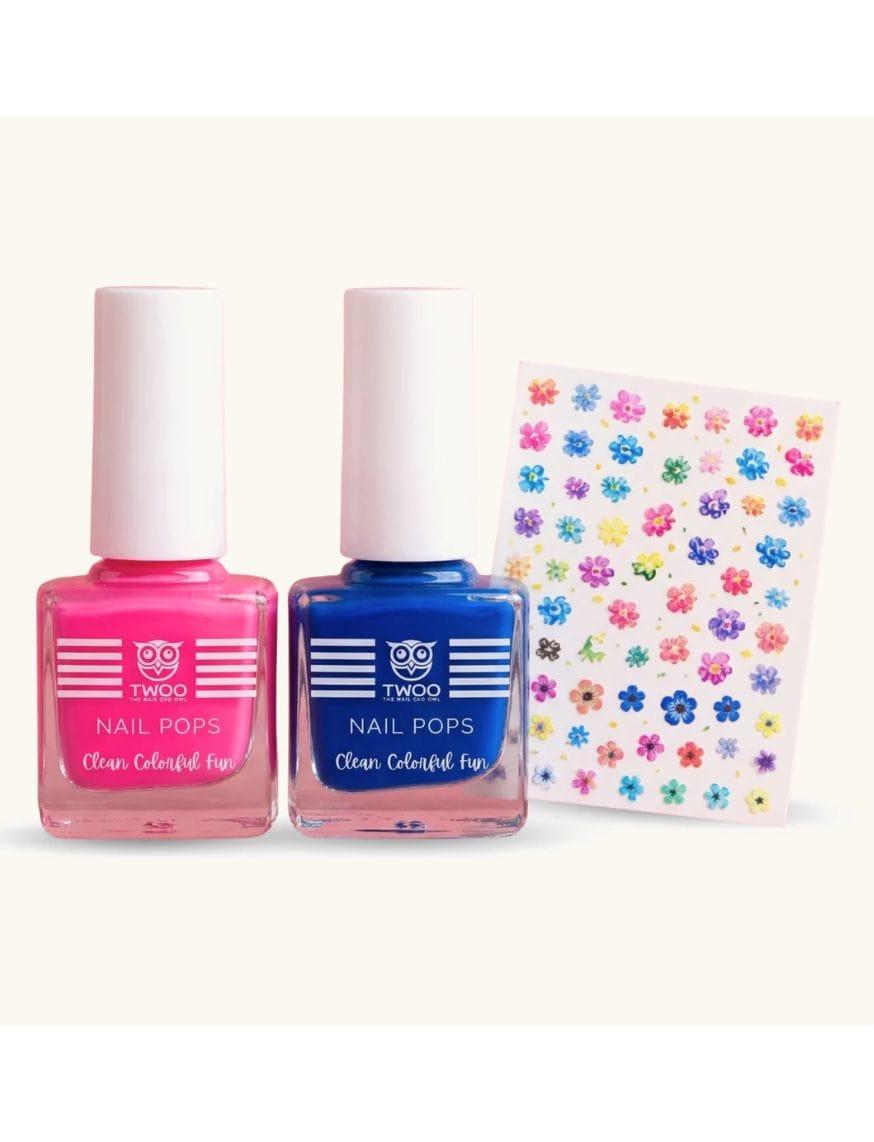
More Than Just Nail Paint Kit
It depends on your lifestyle and preferences. Gel nails are better for a natural look and healthier for your nails, while acrylic nails are more durable and better for dramatic lengths and designs.
Gel nails are generally considered healthier for your natural nails, but taking regular breaks from any nail enhancements is important for nail health.
Yes, but it's best to give your natural nails a break between different types of enhancements to prevent damage.
Experts recommend taking a 1-2 week break every few months to let your natural nails recover and breathe.
Keep your cuticles moisturised, avoid using your nails as tools, and always have them professionally removed to prevent damage.
Choosing between gel nails vs acrylic nails really comes down to your personal needs, lifestyle, and nail goals. If you want something natural-looking that's gentler on your nails, gel is your best bet. If you need maximum durability and want to experiment with dramatic lengths and designs, acrylic wins. Remember, the best nail care routine includes taking breaks between enhancements and keeping your natural nails healthy. Whether you choose gel, acrylic, or decide to switch between both, the key is finding what works for your lifestyle and makes you feel confident. Just like discovering your perfect beauty routine, finding your ideal nail enhancement might take some trial and error. That's where platforms like Smytten come in handy—while they specialise in helping you discover your next favourite beauty products through curated trial packs, the same principle applies to nails. Sometimes you need to try different approaches before finding what truly works for you. After all, why settle for 'maybe' when you can find exactly what makes your nails look and feel amazing?
