DIY Lip Balm Under 100: Easy Homemade Recipe Guide
Published Date - 29 July 2025
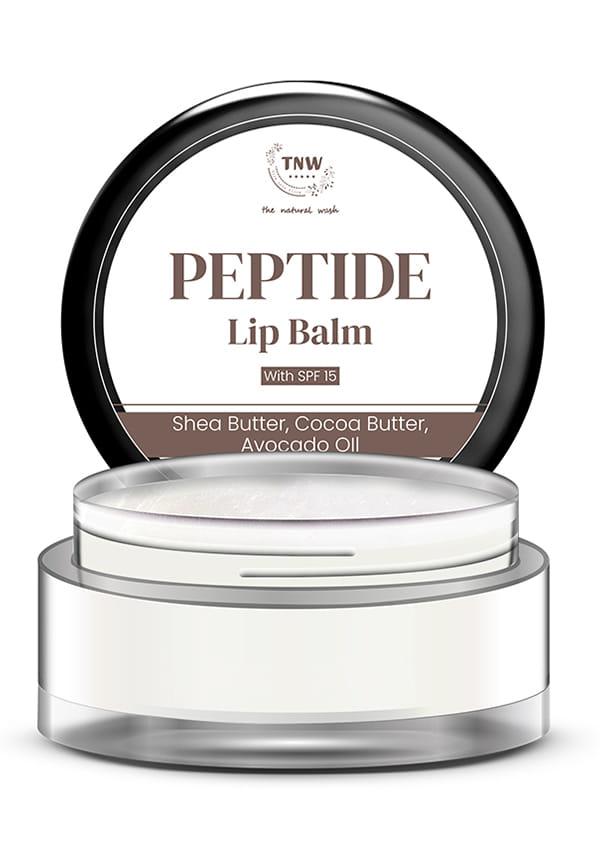
(5 gm)
TNW - The Natural Wash
Peptide Lip Balm Vanilla
₹ 29955 % OFF
₹ 135
Your lips deserve all the love, but who says quality lip care has to break the bank? With just a few basic ingredients costing under 100 rupees, you can whip up a nourishing lip balm right in your kitchen. This isn't just about saving money—it's about knowing exactly what goes onto your lips and creating something that's uniquely yours. Dealing with chapped lips? Or just want to try something new? Homemade lip balm might just become your next obsession. Ready to discover how simple it is to create your own lip care essentials?
The Benefits of Homemade Lip Balm
Making your own lip balm is like having a secret weapon in your makeup bag. You get all the benefits of budget-friendly lip products without compromising on quality. Plus, there's something quite satisfying about creating your own lip care routine from scratch.
Cost-Effective Lip Care
Let's be real—affordable lip care doesn't mean settling for less. When you make lip balm at home, you're looking at roughly 15-20 rupees per tube compared to drugstore lip balms that can cost anywhere from 50-200 rupees. Your initial investment covers ingredients for multiple batches, making it one of the most cost-effective lip protection methods out there.
Customisable Ingredients
The best part about DIY lip balm? You're in complete control. Want extra hydration? Add more shea butter. Prefer a subtle tint? Mix in some beetroot powder. You can avoid ingredients that don't work for your skin and focus on what makes your lips feel amazing. It's personalised lip care that actually fits your needs.
Essential Ingredients for Your DIY Lip Balm
Your homemade lip balm only needs a few key players to work its magic. Most of these ingredients are probably already sitting in your kitchen or can be found at any local store. The beauty lies in keeping things simple while still getting results that actually work.
Base Oils and Butters
**Coconut oil** works as your moisturising hero—it's naturally antibacterial and gives lips that smooth feel. **Shea butter** adds extra nourishment and helps create that perfect balm texture. For the binding agent, **beeswax** is what transforms your oils into actual balm consistency. These three ingredients form the holy trinity of inexpensive lip moisturisers.
Optional Additives
Want to level up your creation? **Vitamin E oil** acts as a natural preservative while boosting the nourishing factor. **Essential oils** like peppermint or lavender can add lovely scents, but use them sparingly—one drop goes a long way. For natural colour, try **beetroot powder** or **cocoa powder** to create your own tinted versions.
Step-by-Step Guide to Making Lip Balm Under 100 Rupees
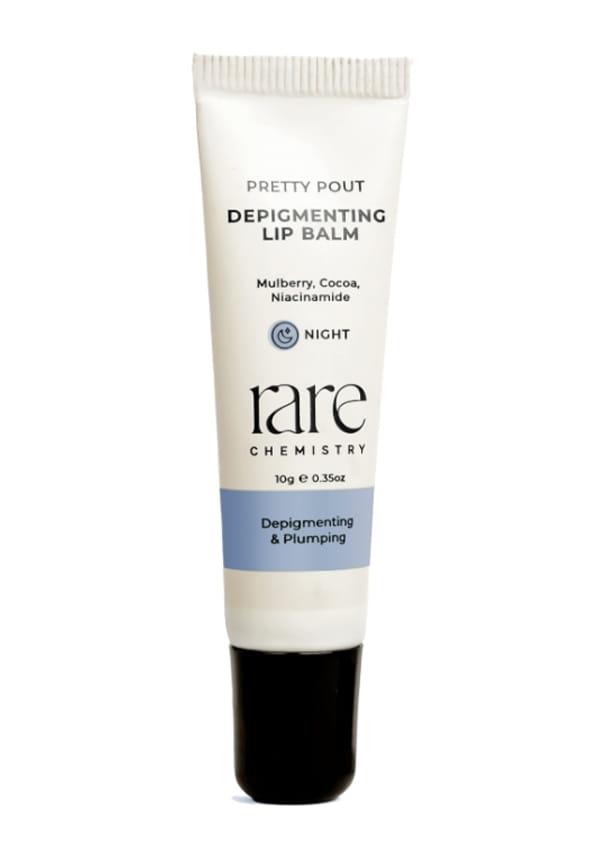
(10gms)
Rare Chemistry
Pretty Pout Depigmenting Lip Balm
₹ 40010 % OFF
₹ 360
Time to get your hands dirty—or rather, beautifully balmy. This process is surprisingly straightforward and takes about 15 minutes from start to finish. You'll feel like a proper chemist, but without any of the complicated equipment.
Gathering Your Supplies
Here's what you need: 2 tablespoons coconut oil, 1 tablespoon shea butter, 1 tablespoon beeswax pellets, small containers (empty lip balm tubes or small jars), a double boiler or microwave-safe bowl, and a stirring utensil. If you're going fancy, grab some essential oils and natural colourants. The total cost? Well under 100 rupees for your first batch.
Melting and Mixing
Start by melting your beeswax first—it takes the longest to melt. Add shea butter next, then coconut oil last since it melts quickly. If using a double boiler, keep water simmering gently. For microwave users, heat in 30-second intervals, stirring between each burst. Once everything's melted and combined, remove from heat. This is when you add any optional ingredients like vitamin E or essential oils—just a few drops will do.
Pouring and Setting
Work quickly but carefully—the mixture starts setting fast. Pour into your containers, leaving a tiny bit of space at the top. Don't worry if it looks slightly cloudy while warm; it'll clear up as it cools. Let them sit undisturbed for about 30 minutes at room temperature. Your homemade hydrating lip balms are ready when they're completely solid to touch.
Customisation Options for Your Homemade Lip Balm
Now comes the fun part—making your lip balm uniquely yours. This is where you can get creative and experiment with different combinations. Think of it as your personal lip care laboratory where you're the head scientist.
Adding Flavour and Scent
For natural flavouring, try **vanilla extract** (just a drop or two) or **honey** for sweetness and extra moisture. **Peppermint essential oil** gives that tingly fresh feeling, while **lavender** creates a calming vibe. Remember, less is more with essential oils—they're potent, and you don't want to irritate your lips. Always do a patch test first if you're trying new scents.
Creating Tinted Lip Balm
Want some colour? **Beetroot powder** gives a lovely pink tint, while **cocoa powder** creates a subtle brown shade. **Turmeric** (use sparingly!) can give a golden glow. Mix these powders in while your base is still warm, starting with just a pinch. You can always add more, but you can't take it away. These natural tints give you that perfect "your lips but better" look.
Storage and Shelf Life of DIY Lip Balm
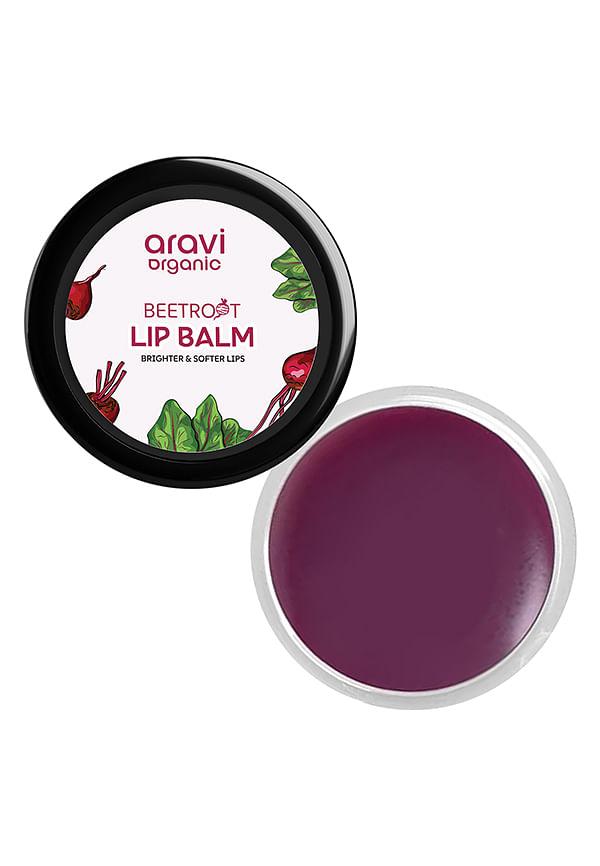
4.2|(8 gm)
Aravi Organic
Beetroot Lip Balm
₹ 24427 % OFF
₹ 178
Reviews from genuine users
Hydrating but not beetroot colored
4
“Nice one.. Make your skin hydrated but I thought it's has beetroot color but not... ”
Vartika Singh28 Mar 2025
Good Lip Balm
5
“this beetroot lips balm product is work is smooth and good”
Aisha Khan05 Dec 2024
Loved the lip balm
4
“Very hydrating lip balm with great fragrance loved it”
Nuvera Patel03 Dec 2024
Proper storage keeps your homemade lip balm fresh and effective for months. Store your creations in a cool, dry place away from direct sunlight—your bathroom cabinet works perfectly. If you've added vitamin E oil, your lip balm typically lasts longer. Without preservatives, it's generally best to use within a few months. Label your containers with the date you made them, so you know when it's time for a fresh batch.
Comparing Homemade vs. Store-Bought Lip Balms
Let's break down why making your own lip balm might just be the smartest move for your lip care routine. While both options have their place, understanding the differences helps you make the best choice for your needs and budget.
Cost Comparison
Your DIY version costs roughly 15-20 rupees per tube, while drugstore options can vary significantly in price. Even factoring in your time and effort, you're likely saving significantly. Plus, your initial ingredient purchase creates multiple batches—talk about value for money. Those makeup bag staples suddenly become much more affordable when you make them yourself.
Ingredient Quality and Control
With homemade balm, you know exactly what's going on your lips—no mysterious chemicals or preservatives you can't pronounce. You can avoid ingredients that don't agree with your skin and focus on what works. Store-bought options offer convenience and longer shelf life, but you're trusting someone else's formula. DIY gives you that personalised touch that mass-produced products simply can't match.
Frequently Asked Questions
Is homemade lip balm as effective as store-bought options?
Homemade lip balm can be just as effective as commercial versions. The key ingredients—moisturising oils, nourishing butters, and protective wax—are often the same ones found in high-end products. You're getting similar benefits without the fancy packaging and markup.
Can I use my DIY lip balm if I have sensitive skin?
Homemade lip balm is often better for sensitive skin because you control every ingredient. Start with basic ingredients like coconut oil, shea butter, and beeswax—these are generally well-tolerated. Avoid essential oils if you're particularly sensitive, and always patch test new ingredients on your inner wrist before applying to lips.
How can I make my homemade lip balm last longer?
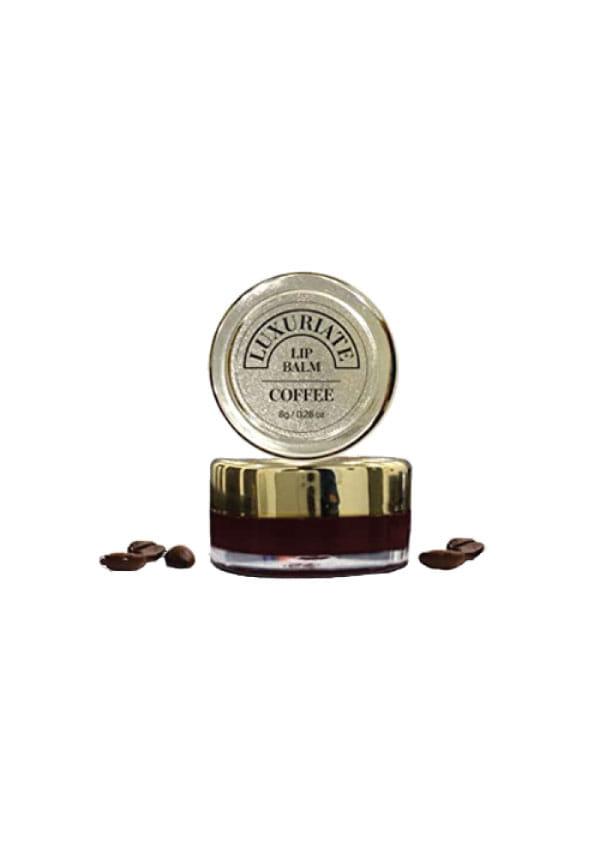
2.0|(8 gm)
Luxuriate
Coffee Lip Balm
₹ 399
Add vitamin E oil as a natural preservative, store in cool places away from heat and sunlight, and use clean fingers or a lip balm spatula to avoid contamination. Properly stored DIY lip balm can typically stay fresh for several months. If you notice any changes in smell, texture, or colour, it's time to make a fresh batch.
What if I don't have beeswax?
If you don't have beeswax, you can try alternatives like candelilla wax or carnauba wax. These plant-based options work similarly to beeswax in providing structure to your lip balm.
Can I make lip balm without coconut oil?
Absolutely! You can substitute coconut oil with other nourishing oils like sweet almond oil, jojoba oil, or olive oil. Each oil brings its own unique properties to your lip balm.
How to make tinted lip balm under 100?
To make tinted lip balm on a budget, use natural colorants like beetroot powder for pink, cocoa powder for brown, or a tiny amount of lipstick you already own. Start with a small amount and adjust to your desired intensity.
Where to buy ingredients cheaply?
Look for ingredients at local grocery stores, health food shops, or online marketplaces. Buying in bulk or during sales can help keep costs down. Some ingredients like coconut oil might already be in your kitchen!
Final Thoughts
Making your own lip balm under 100 rupees isn't just about saving money—it's about taking control of your lip care routine and creating something that's perfectly suited to you. From choosing your favourite scents to getting exactly the right level of moisture, DIY lip balm puts you in the driver's seat. Whether you're looking for affordable lip care solutions or just want to try something new, this homemade approach delivers results that might just surprise you. Your lips will thank you for the extra love, and your wallet will appreciate the savings.
Just like discovering new beauty finds on Smytten, making your own lip balm opens up endless possibilities for customisation. With DIY lip balm, you can truly try it all - different scents, colours, and textures until you find your perfect match. It's time to embrace your inner beauty alchemist and create lip care magic right in your kitchen. Your next lip balm obsession is just a mix away—are you ready to give it a go?
Common Mistakes to Avoid
While making your own lip balm is relatively simple, there are a few pitfalls to watch out for:
1. Overheating ingredients: This can destroy beneficial properties. Melt gently and slowly.
2. Using too much essential oil: A little goes a long way. Start with 1-2 drops per batch.
3. Forgetting to sterilize containers: Always clean your containers thoroughly before use.
4. Not mixing thoroughly: Ensure all ingredients are well combined for a smooth texture.
5. Pouring too quickly: Let the mixture cool slightly before pouring to prevent separation.
Seasonal Lip Care Variations
Adjust your lip balm recipe to match the seasons:
- Summer: Add SPF ingredients like zinc oxide for sun protection.
- Winter: Increase the ratio of moisturizing oils for extra hydration.
- Spring: Incorporate light, fresh scents like lemon or mint.
- Autumn: Try warm, comforting additions like vanilla or cinnamon (use sparingly).
Gift Ideas with Homemade Lip Balm
Your DIY lip balm makes for a thoughtful, personalised gift:
1. Create a lip balm gift set with different flavours.
2. Pair with a handmade lip scrub for a complete lip care package.
3. Design custom labels for a professional touch.
4. Include your lip balm in a larger self-care hamper.
5. Offer "create your own lip balm" kits for crafty friends.
Remember, the joy of DIY beauty is in the experimentation and personalisation. Happy balm-making!


 4
4