7 Pro Tips to Clean Makeup Brushes Like a Pro


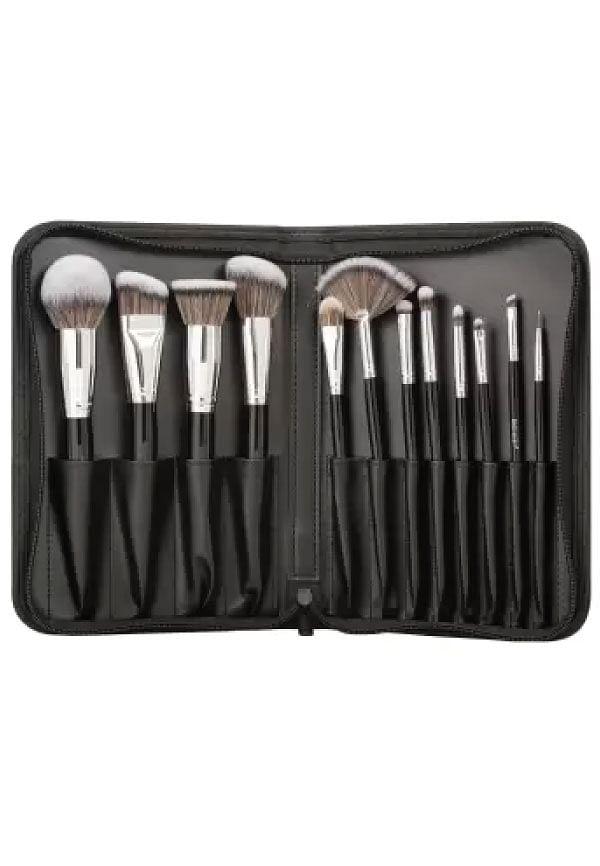
Professional Makeup Brush Set
Very Soft Brush
 4
4“very soft brush Nice 👌👍😀😉😎”
Amazing Product
5“good product amazing very nice”
Excellent brush, reordered big size
5“Mujhe makeup brush ATI bahut hi badhiya isliye maine Dobara order Kiya Hai vah bhi big size Hota”
Let's be real—when did you last properly clean your makeup brushes? If you're wincing right now, you're not alone. Those bristles you use daily are basically bacteria hotels, collecting oils, dead skin cells, and product buildup that can wreak havoc on your skin. A dirty brush doesn't just ruin your makeup application; it can trigger breakouts, cause infections, and make even your favourite products look patchy. But here's the thing: cleaning your brushes like a pro isn't rocket science. With the right makeup brush cleaning guide, you can keep your tools spotless, extend their life, and get that flawless finish every single time.
Think your brushes are fine because they "look" clean? Think again. Even brushes that appear spotless can harbour thousands of bacteria that multiply faster than your latest makeup haul arrives. Professional makeup artists clean their brushes between every client—and there's a reason for that level of obsession.
When you skip proper brush cleaning, you're essentially painting bacteria back onto your face. Dirty makeup brushes are breeding grounds for Staphylococcus, Streptococcus, and E. coli—lovely, right? These nasties can cause everything from minor breakouts to serious skin infections. Eye brushes are particularly risky; using contaminated brushes near your peepers can lead to conjunctivitis or styes that'll have you hiding behind sunglasses for weeks.
Beyond the health drama, clean brushes simply perform better. Product buildup makes bristles stiff and clumpy, turning your seamless blending dreams into streaky nightmares. When you clean makeup brushes regularly, they maintain their shape, pick up colour evenly, and blend like butter. Plus, proper care can make quality brushes last years instead of months—your wallet will thank you.
Makeup artists follow strict hygiene protocols because their reputation (and clients' skin) depends on it. While you don't need hospital-grade sterilisation at home, adopting professional techniques ensures your brushes stay in top condition. The key is consistency—not perfection.
Before diving into the cleaning process, let's sort your toolkit. You don't need fancy equipment, but having the right supplies makes the difference between a quick rinse and a proper deep clean.
Commercial makeup brush cleaners are convenient but pricey. They're great for quick touch-ups between uses, especially if you're switching between different eyeshadow colours. For budget-friendly alternatives, gentle baby shampoo or specialised makeup brush cleaning solutions work brilliantly. Avoid harsh detergents—they'll strip natural oils from bristles and leave them brittle.
A textured cleaning mat transforms your cleaning game. These silicone mats have different patterns that help work product out of bristles without damaging them. If you don't have one, your palm works fine—just be gentle. Microfibre towels are perfect for drying because they're lint-free and absorbent.
Brush drying racks keep your tools in perfect shape while they dry. UV sanitisers are overkill for home use but worth considering if you're serious about makeup hygiene. Quick-dry sprays are lifesavers when you need clean brushes immediately.
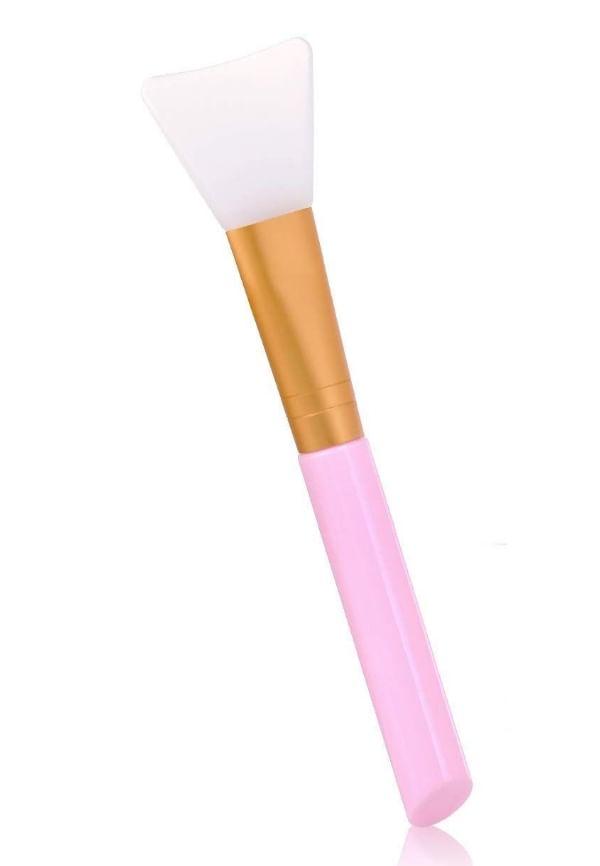
Face Mask Applicator Brush
Nice and Easy to Use
5“nice product and easy to use.....”
Easy and Clean
5“it has silicon front so very easy to use and clean. i loved it”
Positive Product Review
5“good product ,quality is good 👍”
Professional makeup artists swear by this approach: daily maintenance plus weekly deep cleans. For daily upkeep, spritz brushes with a quick-dry cleaner after each use. This removes surface makeup and prevents product buildup. Weekly deep cleaning involves washing makeup brushes with gentle shampoo or specialised cleanser. This routine keeps brushes hygienic without overwashing, which can damage delicate bristles.
Here's where most people go wrong: using hot water. Hot water can loosen the glue holding bristles in the ferrule (that metal bit), causing shedding and eventual brush death. Lukewarm water is your friend. Always rinse with bristles pointing downward to prevent water seeping into the ferrule. Gently massage bristles in your palm or on a cleaning mat—no aggressive scrubbing needed.
Natural bristle brushes need gentle treatment—baby shampoo or specialised brush cleansers work best. Synthetic brushes can handle slightly stronger cleansers, making them perfect for stubborn cream products. For brushes used with waterproof makeup, you might need an oil-based cleanser first, followed by regular washing. The best way to clean makeup brushes depends entirely on what you're removing.
Reshape your brushes while they're damp—this is crucial for maintaining their form. Lay them flat on a towel with bristles hanging over the edge, ensuring air can circulate around them. Never dry brushes upright in a cup; water will seep into the ferrule and loosen the glue. Proper drying prevents mould, mildew, and that musty smell that screams "I don't clean my brushes."
Not all brushes need the same attention. Foundation and concealer brushes should be cleaned after every use—they deal with liquid products and touch large areas of your face. Powder brushes can go a week between deep cleans if you're using them daily. Eye brushes need cleaning whenever you switch colours to prevent muddy looks. Create a schedule that works for your routine rather than trying to clean everything daily.
Between deep cleans, sanitising keeps bacteria at bay. A quick spritz with 70% isopropyl alcohol kills germs without fully saturating the brush. This technique is especially useful for brushes you share (though ideally, don't share makeup tools). UV sanitisers offer hospital-grade sterilisation but aren't necessary for personal use unless you have specific skin concerns.
Even the best brush cleaning tips can't save a brush that's past its prime. If bristles are falling out constantly, the ferrule is loose, or the brush has lost its shape permanently, it's time to let go. However, brushes that seem "dead" can often be revived with proper deep cleaning and conditioning. Sometimes what looks like damage is just stubborn product buildup.
Brushes aren't the only tools that need attention. Cleaning makeup sponges requires a different approach since they're more porous and trap product deeper within their structure.
Wet your sponge with lukewarm water, then work in a small amount of gentle cleanser. Squeeze (don't twist) repeatedly until the water runs clear. This might take several rounds for heavily used sponges. Replace sponges every 3-6 months, or sooner if they develop an odour or visible mould spots.
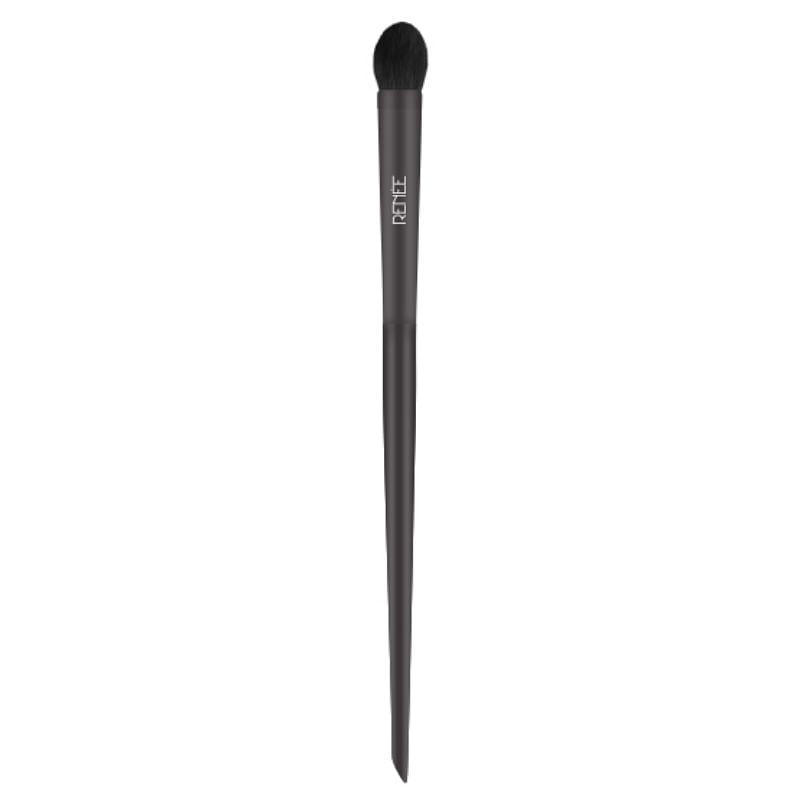
Makeup Large Eyeshadow Brush
Eyelash curlers need regular pad replacement and alcohol sanitisation. Tweezers should be wiped down with alcohol after each use. Even your makeup palettes benefit from occasional cleaning with alcohol wipes to remove finger oils and bacteria.
Even with the best intentions, brush cleaning doesn't always go smoothly. Here's how to handle the most common hiccups that might derail your cleaning routine.
Waterproof mascara and long-wearing foundations can be absolute nightmares to remove. For these stubborn products, start with an oil-based cleanser or micellar water to break down the formula, then follow with your regular cleaning routine. Glitter requires extra patience—use tape to lift loose particles before washing.
If your brushes are shedding excessively, you might be cleaning too aggressively or using water that's too hot. Gentle pressure and lukewarm water prevent most damage. For splayed brushes, reshape them while damp and secure with a hair tie while drying.
Brushes taking forever to dry? Improve air circulation with a fan, or gently squeeze excess water with a clean towel before laying them flat. Store completely dry brushes in a clean, dry place—damp storage areas encourage mould growth.
Creating an efficient cleaning routine transforms this chore into a manageable part of your beauty regimen. Set up a dedicated cleaning station with all your supplies within reach.
Designate a spot near your sink with good lighting and ventilation. Keep your cleaning supplies, towels, and drying area organised. This setup makes the process faster and more likely to happen regularly. Time management is key—batch cleaning saves time and ensures consistency.
Prevent colour contamination by having separate brushes for different product families—warm and cool eyeshadows, for instance. Professional makeup artists often have multiple sets of brushes to avoid constant cleaning between applications. While you don't need that many, having backup brushes for your most-used tools ensures you're never stuck with dirty brushes.
Speaking of trying new tools, platforms like Smytten make it easier to discover quality makeup brushes and cleaning products without the commitment of full-size purchases. With curated trial packs from trusted brands, you can test different brush cleaners and tools to find what works best for your routine.
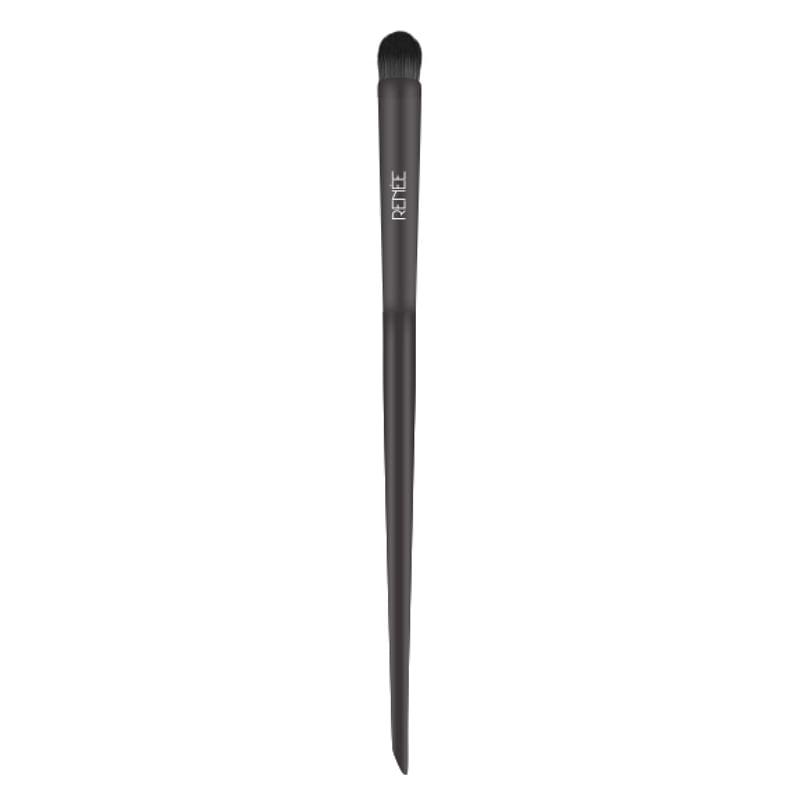
Makeup Small Eyeshadow Brush
Foundation and concealer brushes need cleaning after every use, while powder brushes can go 3-7 days between washes. Eye brushes should be cleaned when switching colours or weekly for regular use.
Mix one part baby shampoo with two parts lukewarm water for an effective, gentle cleanser. For quick cleaning, mix equal parts water and isopropyl alcohol in a spray bottle.
Absolutely! Baby shampoo is gentle, effective, and designed to be tear-free, making it perfect for delicate brush bristles. It removes makeup without stripping natural oils.
Use lukewarm water, gentle pressure, and always rinse with bristles pointing downward. Avoid hot water and harsh scrubbing, which can loosen bristles and damage the ferrule.
Quick-dry brush cleaners are your best bet for speed. Spray the product onto a tissue, swirl the brush until no colour transfers, then use immediately.
Visible product buildup, difficulty blending, muddy colour payoff, or any unpleasant odour are clear signs your brushes need attention. If makeup application looks patchy, dirty brushes are often the culprit.
Yes, dirty brushes transfer bacteria, oils, and dead skin cells back onto your face, potentially causing breakouts, irritation, and even infections.
Properly cleaned brushes should dry within 6-12 hours when laid flat with good air circulation. Thicker brushes take longer than fine detail brushes.
Mastering this makeup brush cleaning guide transforms your entire makeup routine. Clean brushes don't just protect your skin—they make every product perform better, last longer, and give you that flawless finish you're after. The key is consistency over perfection. Start with these seven pro tips, build a routine that works for your lifestyle, and watch your makeup game level up.
Remember, investing in quality tools and proper care pays off in the long run. Whether you're discovering new brush cleaners through trial sizes or building your perfect cleaning routine, the effort you put into maintaining your tools shows in every application. Your skin, your brushes, and your makeup looks will thank you for making cleanliness a priority.
