7 Pro Tips for Perfect Foundation Application

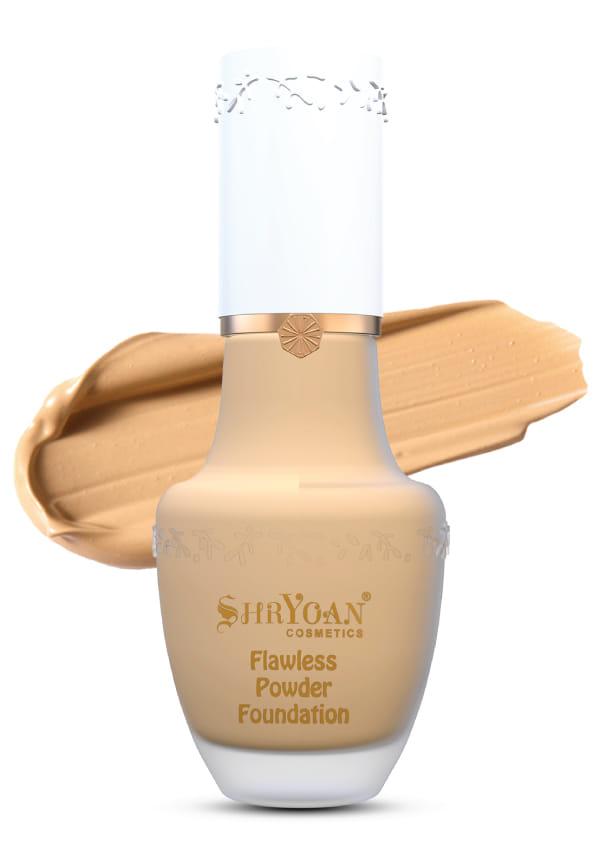
Flawless Powder Foundation
Amazing Smell
 5
5“super product 😍🤩🥰😘the smell was amazing 😍”
Getting your foundation just right can feel like solving a puzzle sometimes. One day it looks flawless, the next it's patchy or doesn't match your skin tone properly. The thing is, foundation isn't just about slapping on some face makeup and hoping for the best. It's actually the base that makes everything else work—your concealer, contour, and even that gorgeous highlighter you've been dying to try. Whether you're after light coverage for a natural look or full coverage for special occasions, these seven pro tips will help you nail your foundation game every single time. Let's dive into the techniques that makeup artists swear by.
Foundation is essentially your makeup base—the canvas that everything else sits on. Think of it as the Instagram filter for your skin, but in real life. It evens out your complexion, covers imperfections, and gives you that smooth, put-together look that makes people ask if you've had enough sleep (even when you definitely haven't). There are loads of different foundation formulas out there, and each one does something slightly different. Liquid foundations are probably what you think of first—they're versatile and work for most skin types. Powder foundations are brilliant if you're oily or want something quick and fuss-free. Cream foundations give you that full coverage when you need to cover more, whilst stick foundations are perfect for touch-ups on the go. What makes foundation different from other face makeup products is that it's meant to look like your skin, just better. Unlike concealer, which targets specific spots, or contour, which adds dimension, foundation creates an even base across your entire face. It's the foundation (see what we did there?) of your whole beauty routine.
Getting your foundation shade right is honestly half the battle. You know that feeling when you see someone with foundation that's clearly the wrong colour? Yeah, we're avoiding that at all costs.
Undertones are basically the subtle colours beneath your skin's surface. You've got three main types: warm (yellow, golden, or peachy), cool (pink, red, or blue), and neutral (a mix of both). Here's a quick test—look at your wrists in natural light. If your veins look greenish, you're likely warm-toned. If they look blue or purple, you're probably cool-toned. Can't tell? You might be neutral, lucky you!
Forget testing foundation on your hand—that's not where you're wearing it. Test it along your jawline instead, where your face meets your neck. This way, you can see how it looks against both areas. Natural lighting is your best friend here. Those harsh shop lights can make everything look weird, so if possible, step outside or near a window to check your match. Sometimes you might want to go one shade lighter if you're planning to contour, or slightly darker if you want a sun-kissed look. But generally, the perfect match should disappear into your skin.
Your skin prep game can make or break your foundation application. Think of it like prepping a wall before painting—you want that surface as smooth as possible.
Start with clean, moisturised skin. Even if you're oily, don't skip the moisturiser—just use a lightweight one. Your foundation will apply so much better on hydrated skin. And please, please use SPF. It's not just about anti-aging (though that's a bonus), it's about protecting your skin whilst you're wearing all these beauty products.
Primer is like that friend who makes everything better. It creates a smooth base, helps your foundation last longer, and can even address specific skin concerns. Got large pores? There's a primer for that. Redness? Yep, primer can help. Apply it after your moisturiser but before your foundation, focusing on areas where your makeup tends to fade first—usually your T-zone.
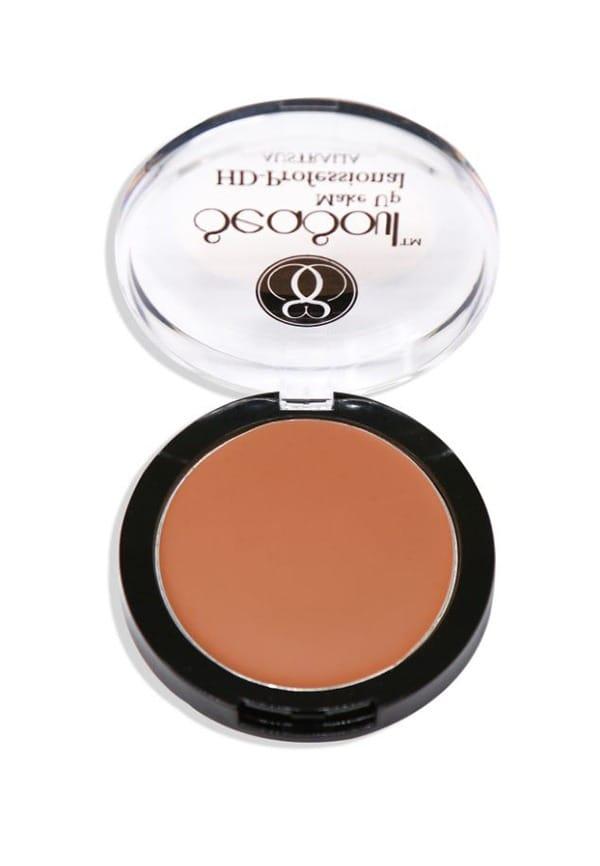
Full Coverage MINERALIZE Cream Foundation
Not every day calls for full coverage foundation. Sometimes you want that 'your skin but better' vibe, other times you need to cover everything. Knowing when to use what level of coverage is key.
Light coverage is perfect for everyday wear or when you want to look polished but not made-up. You can mix your foundation with a bit of moisturiser to sheer it out, or just use less product. The goal is to even out your skin tone whilst still letting your natural skin show through.
For medium to full coverage, build it up gradually. Start with a thin layer and add more where you need it. This prevents that cakey look and gives you more control. You can always add more, but taking away excess product is much trickier. Work in sections and blend as you go—your complexion products should never look like they're sitting on top of your skin.
The tool you use can completely change how your foundation looks. It's like the difference between painting with a brush versus a roller—same paint, totally different finish.
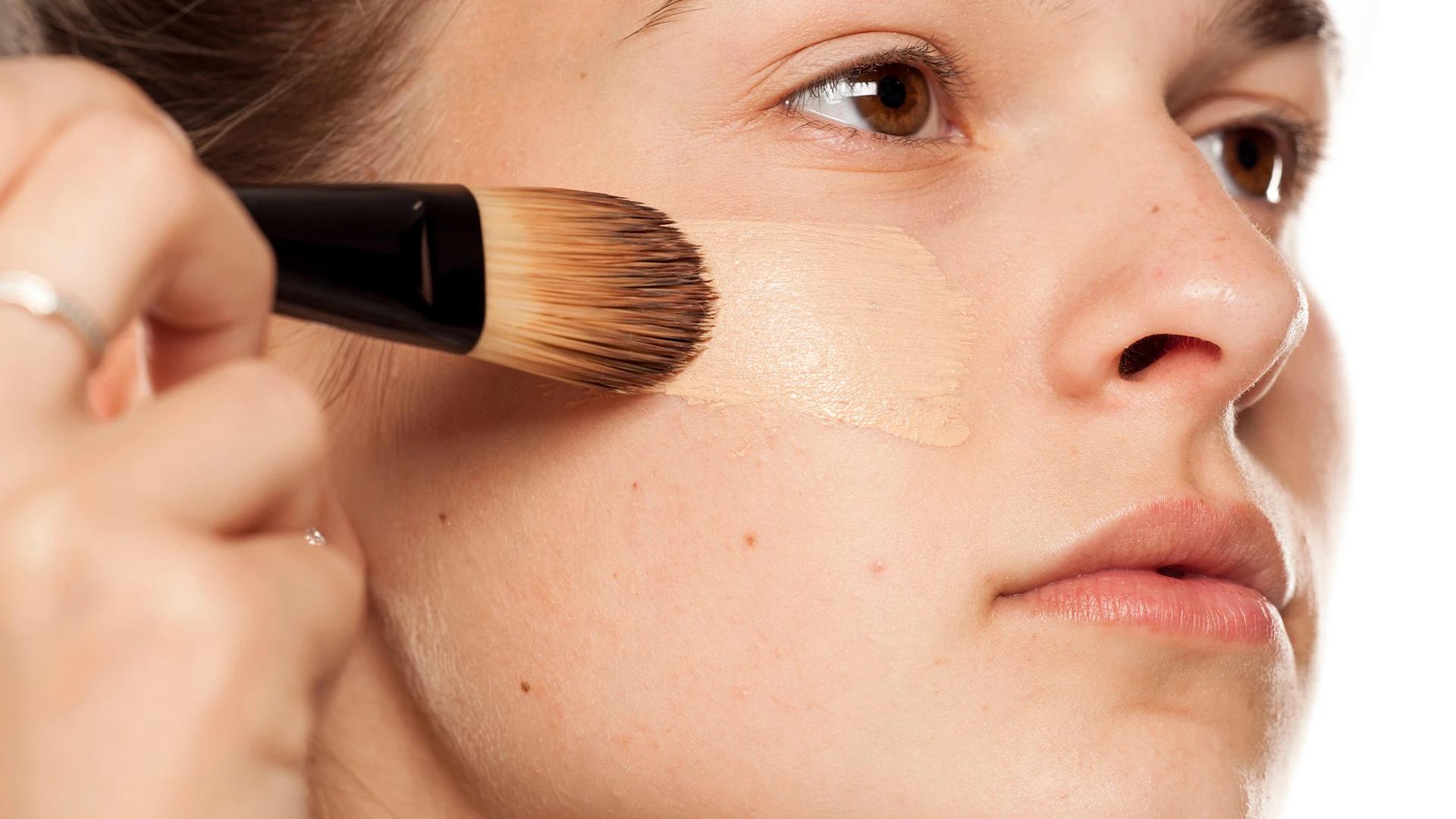
Brushes give you precision and can help build coverage. Dense, flat-top brushes are great for full coverage, whilst fluffy ones work better for lighter application. Beauty sponges (use them damp!) give you that airbrushed finish and are brilliant for blending. Your fingers? They're actually perfect for cream foundations because your body heat helps the product melt into your skin.
Start from the centre of your face and work outward. Apply foundation to your forehead, cheeks, nose, and chin, then blend outward toward your hairline and jawline. Use stippling motions rather than rubbing—you want to press the product into your skin, not move it around. This technique helps you get even coverage without disturbing any skincare underneath.
Foundation doesn't work alone—it's part of a team with your other face makeup products. Getting them to play nicely together is where the magic happens.
Here's where people get confused—do you apply concealer before or after foundation? Generally, foundation first, then concealer. Your foundation will cover most imperfections, so you'll need less concealer. Apply concealer only where you need extra coverage, then blend the edges so it seamlessly melts into your foundation.
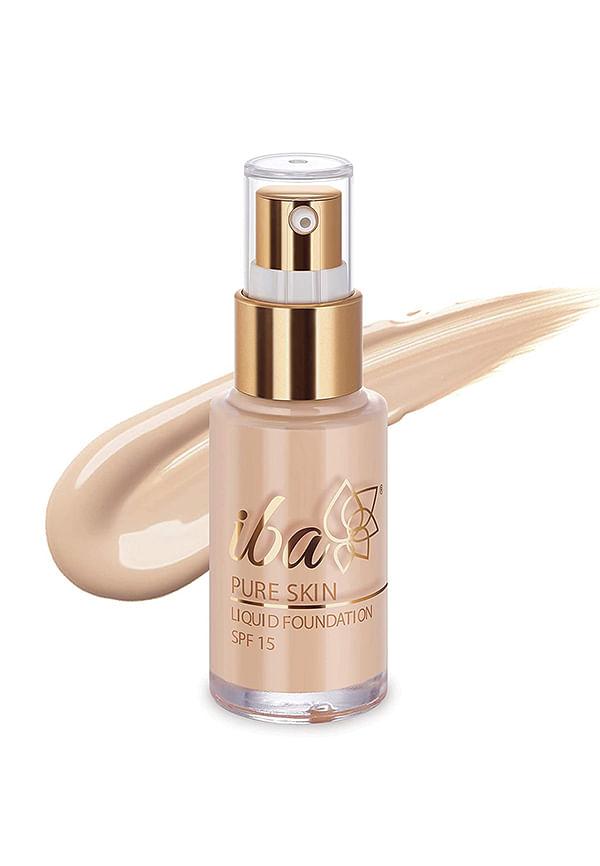
Pure Skin Liquid Foundation
Too Good For Use
4“this product was too good for use”
Too Good For Use
4“this product was too good for use”
Too Good For Use
4“this product was too good for use”
When choosing contour shades, pick something that's about two shades deeper than your foundation. For highlighter, you want something that complements your skin tone—golden tones for warm undertones, pinky or pearl tones for cool undertones. Apply these after your foundation but before setting powder for the most natural blend.
You've done all this work—now let's make sure it stays put. Setting your foundation properly means you won't be touching up every few hours.
Translucent powder is your safest bet—it won't change your foundation colour. Focus on areas that get oily first: your T-zone, under your eyes (if you've used concealer there), and anywhere you tend to touch your face. Use a fluffy brush and tap off excess powder before applying. Less is definitely more here.
Setting spray is like the final seal on your look. Hold the bottle about arm's length away and mist evenly over your face. Don't spray too close or you'll disturb your makeup. Some people like to spray their beauty sponge before final blending too—it helps everything meld together beautifully.
Even with the best techniques, sometimes foundation just doesn't behave. Here's how to fix the most common issues.
If your foundation looks different after a few hours, it might be oxidising. This happens when the foundation reacts with your skin's natural oils and pH. To prevent this, make sure you're using a primer, and consider trying a different formula. Some cosmetics are more prone to this than others.
Cakey foundation usually means you've used too much product or your skin wasn't properly prepped. If this happens, use a damp beauty sponge to gently press and blend the foundation, which will help break up any heavy areas. For patchy application, it's often a skin prep issue—make sure you're exfoliating regularly and moisturising properly. With platforms like Smytten, you can actually try different foundation formulas before committing to full-size products. This is brilliant for finding what works with your specific skin type and tone without the guesswork.
There's no single 'best' brand, but look for foundations with good shade ranges and buildable coverage. Many drugstore brands offer excellent options that are perfect for learning with.
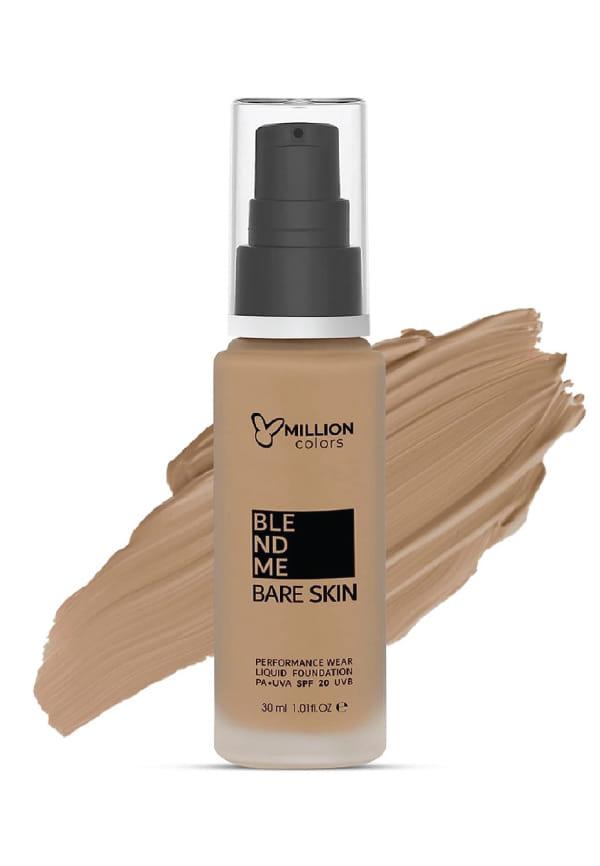
Blend Me Bare Skin Liquid Foundation
The right foundation should disappear into your skin along your jawline. If you can see where it starts and stops, it's not the right match.
Not necessarily, but primer does help with longevity and smooth application. If you have good skin or you're just popping out quickly, you might skip it.
With proper application and setting, foundation should last 6-8 hours. If it's disappearing much sooner, check your skin prep and setting routine.
Absolutely! This is actually a great way to get your perfect match, especially if you're between shades or your skin tone changes seasonally.
BB creams typically offer lighter coverage and often include skincare benefits like SPF or moisturising ingredients. Foundation is primarily about coverage and colour correction.
Use less product, build coverage gradually, ensure your skin is properly moisturised, and blend thoroughly. A damp beauty sponge can help achieve a more natural finish.
If there's a noticeable colour difference, yes. You want your face to match your neck, so blend your foundation down to avoid any obvious lines.
Perfect foundation application is honestly more about technique than having expensive products. Once you understand your skin tone, prep properly, and use the right tools, you'll be amazed at how much better your makeup looks. Remember, it's called practice for a reason—don't expect to nail it on the first try. The beauty of trying different foundation formulas and techniques is that you'll eventually find what works perfectly for your skin. Smytten's trial packs make this exploration so much easier and more affordable. With over 1,500 trusted beauty brands available in mini sizes, you can test different foundations, primers, and other complexion products without the commitment of full-size purchases. Plus, with 100% cashback on trial minis, discovering your perfect foundation match becomes both fun and budget-friendly. After all, why settle for 'maybe' when you can try it all and find exactly what makes your skin look incredible?
