7 Pro Foundation Application Tips for Flawless Skin

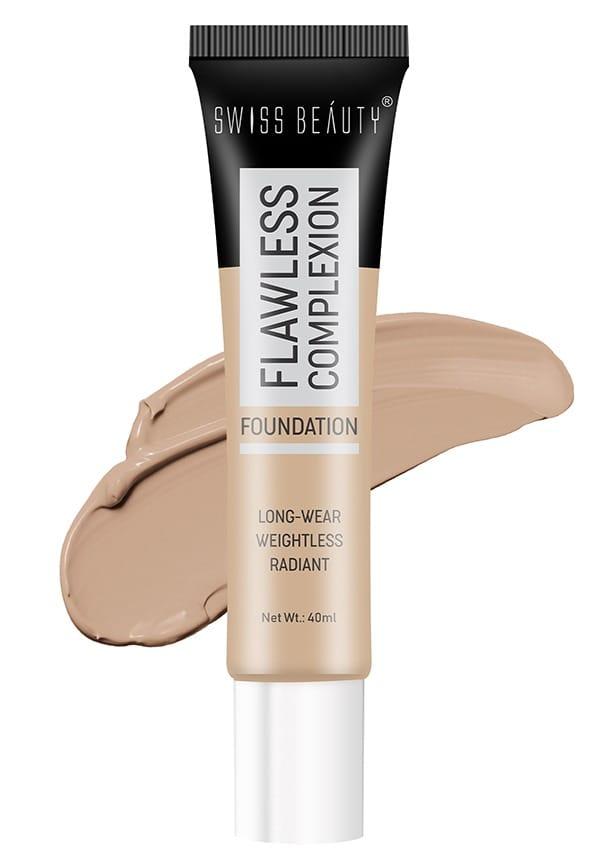
Flawless Complexion Foundation
Amazing Product, Worth It
 5
5“amazing product love it Worth it”
Amazing Product, Worth It
5“amazing product love it Worth it”
Amazing Product, Worth It
5“amazing product love it Worth it”
Getting your foundation just right can feel like solving a puzzle sometimes. You know that feeling when your makeup looks amazing in the mirror at home, but then you catch a glimpse of yourself in different lighting and wonder what went wrong? The truth is, foundation application tips from makeup artists can completely transform your entire look. Whether you're just starting your makeup journey or looking to level up your skills, mastering the art of flawless foundation is absolutely worth the effort. Let's dive into the professional secrets that'll have you applying foundation like a total pro.
Real talk—your foundation is literally the canvas for everything else that follows. When you nail your foundation routine, your concealer blends better, your blush looks more natural, and your entire makeup look just comes together seamlessly. It's the difference between looking like you've got makeup on versus looking like you naturally have perfect skin. Think about it this way: even the most expensive eyeshadow palette won't save a patchy, cakey foundation base. Professional makeup artists always say that good foundation work is what separates amateur makeup from the kind that makes people ask, "What's your secret?" The right foundation application tips can help you achieve that coveted natural glow that looks effortless but definitely isn't. Most foundation disasters happen because of rushed application or using the wrong techniques for your skin type. When you understand how to apply foundation properly, you're setting yourself up for makeup that photographs well, lasts all day, and makes you feel confident in any lighting situation.
Before we jump into the actual application, let's chat about the prep work that makes all the difference. Your skin needs to be ready to receive foundation, and this step is honestly non-negotiable if you want professional-looking results.
This might sound obvious, but you'd be surprised how many people skip proper cleansing before makeup. Your skin needs to be completely clean—no leftover skincare residue, no oils from touching your face, nothing that could interfere with smooth application. Choose a moisturiser that works with your skin type and foundation formula. If you're using a water-based foundation, stick with a water-based moisturiser. Oil-based foundations play nicely with oil-based moisturisers. Give your moisturiser at least 5-10 minutes to fully absorb before moving on to the next step.
Primer is your foundation's best friend, and it's one of those foundation hacks that really works. A good primer creates a smooth surface, helps your foundation last longer, and can address specific skin concerns like large pores or excess oil. Apply primer in thin layers, focusing on areas where your makeup tends to fade first—usually your T-zone and around your nose. Let it set for a few minutes before applying foundation.
Here's where many people go wrong—they fall in love with a foundation formula that just isn't right for their skin. Understanding the different types of foundation and how they work with various skin types is crucial for achieving that flawless foundation look.
Liquid foundations are the most versatile option and work well for most skin types. They're perfect for foundation for beginners because they're forgiving and blend easily. Cream foundations offer more coverage and are brilliant for dry skin, while powder foundations are ideal if you have oily skin and prefer a matte finish. Stick foundations are fantastic for targeted coverage and touch-ups throughout the day. They're also great for travel because they're compact and won't spill in your bag.
If you have dry skin, look for foundations with hydrating ingredients and avoid anything labeled "matte" or "oil-free." Oily skin types should gravitate towards oil-free, long-wearing formulas that help control shine throughout the day. For combination skin, you might need to use different techniques on different areas of your face, or choose a foundation that balances both concerns.
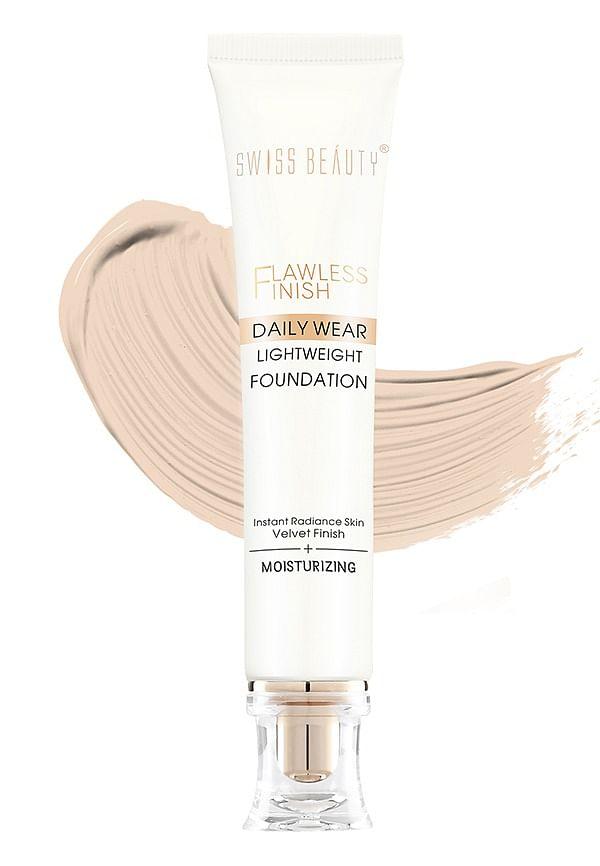
Flawless Finish Daily Wear Lightweight Foundation
Loved the product
4“nice product , loved it 👍👍👍”
Loved the product
4“nice product , loved it 👍👍👍”
Loved the product
4“nice product , loved it 👍👍👍”
The tool you use to apply foundation can completely change the finish and coverage you achieve. Each method has its place, and understanding when to use what is one of those best foundation techniques that professionals swear by.
Foundation brushes give you the most control and can create anything from sheer to full coverage depending on how you use them. They're excellent for building coverage gradually and work particularly well with liquid foundations. Beauty sponges are perfect for achieving that natural, skin-like finish. They're brilliant for foundation blending and can help you avoid harsh lines. Always use them damp for the best results. Your fingers might seem basic, but they're actually fantastic for warming up the product and creating a natural finish. The heat from your skin helps blend the foundation seamlessly.
When using a brush, start with less product than you think you need. You can always build coverage, but it's much harder to remove excess foundation. Use stippling motions rather than dragging the brush across your skin to avoid streaks. Keep your brushes clean—dirty brushes can cause patchy application and even breakouts. A quick spray with brush cleaner between uses and a deep clean weekly will keep your tools in top condition.
This is where the magic really happens. Proper foundation blending is what separates good makeup from great makeup. The goal is to create seamless coverage that looks like your skin, but better.
Start by applying foundation to the centre of your face—your forehead, nose, cheeks, and chin. Then blend outward towards your hairline and jawline. This technique ensures you get the most coverage where you typically need it most, with lighter coverage towards the edges of your face. Work in sections rather than trying to blend your entire face at once. This prevents the foundation from drying before you've properly blended it.
One of the most important makeup foundation tips is to build coverage slowly. Start with a thin layer and add more only where needed. This approach prevents that cakey, mask-like appearance that screams "I'm wearing makeup." Remember, you can always add more foundation, but removing excess is much trickier and often means starting over.
Let's address the elephant in the room—those foundation fails that we've all experienced. Learning what not to do is just as important as mastering the right techniques.
Cakey foundation usually happens when you apply too much product at once or when your skin isn't properly prepped. If your foundation starts looking heavy, use a damp beauty sponge to gently press and blend the product into your skin. Foundation can also look cakey if you're using the wrong formula for your skin type or if you're applying it over incompatible skincare products.
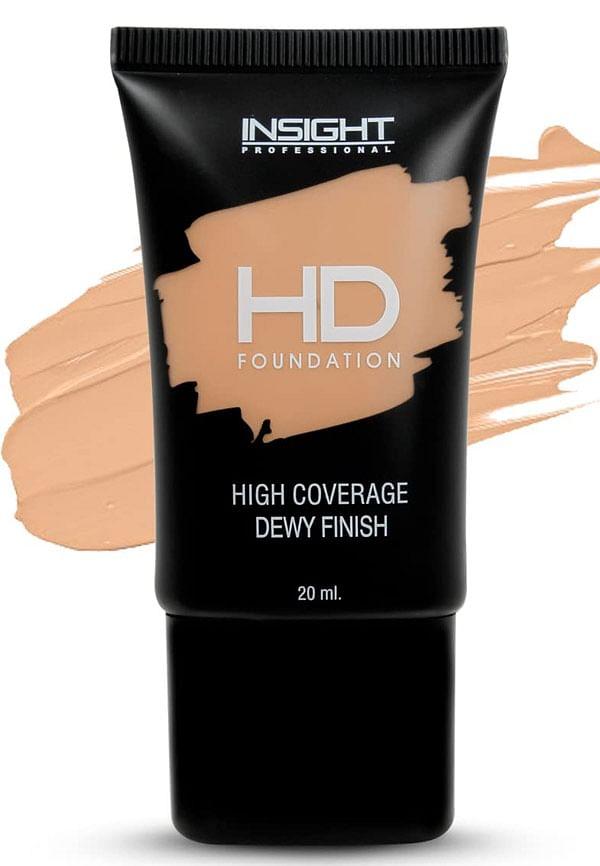
HD Foundation
One of the biggest giveaways of amateur makeup application is a visible line where your foundation stops. Always blend your foundation down past your jawline and onto your neck slightly. Test foundation shades on your jawline rather than your wrist for the most accurate match. Check your foundation match in natural light whenever possible—indoor lighting can be deceiving.
Once you've mastered the basics, these advanced best foundation techniques will take your application to the next level.
Instead of rubbing or dragging your foundation across your skin, use gentle pressing and stippling motions. This technique helps the foundation meld with your skin rather than sitting on top of it. Stippling is particularly effective around the nose and eye area where the skin is more delicate and prone to creasing.
If you have enlarged pores, apply foundation in a pressing motion rather than sweeping to avoid emphasising the texture. For areas with fine lines, use a patting motion and avoid over-blending, which can cause the foundation to settle into creases. Dry patches need extra attention—make sure they're well-moisturised and consider using a hydrating primer in those areas.
Your foundation routine isn't complete without proper setting. This step is what makes the difference between makeup that lasts two hours and makeup that looks fresh all day.
Use a light dusting of translucent powder to set your foundation, focusing on areas that tend to get oily throughout the day. Apply with a fluffy brush or a damp beauty sponge for a natural finish. Don't powder your entire face if you have dry skin—just focus on the T-zone and any areas where you tend to get shiny.
Setting spray is like insurance for your makeup. Hold the bottle about arm's length away and mist your face evenly. Let it dry naturally rather than patting or rubbing it in. For extra staying power, you can use setting spray before and after applying powder.
Even with perfect application, sometimes things go wrong throughout the day. These foundation hacks will help you fix common issues without starting over.
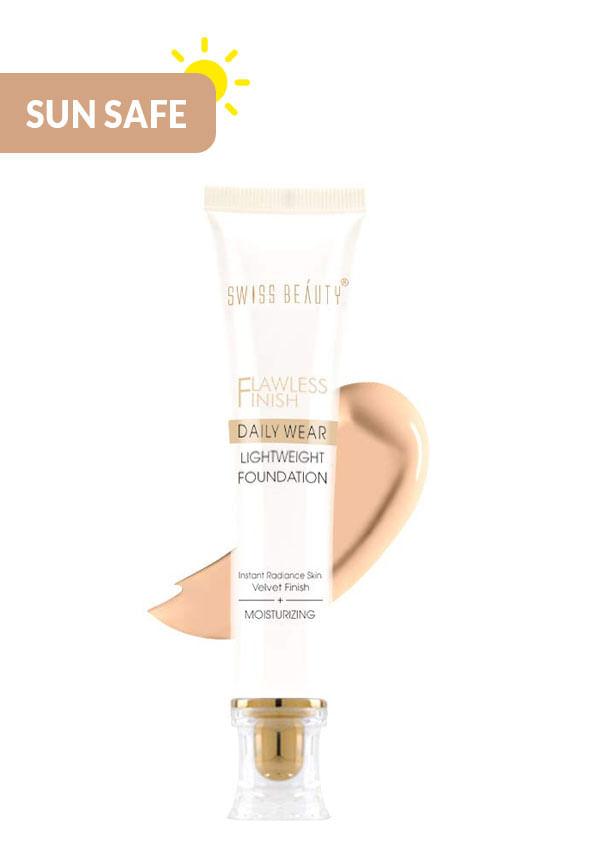
Lightweight Foundation
Lightweight and Recommended Foundation
5“foundation bahut hi lightweight Hai uski maut hota hai aap log Le sakte ho”
Fab Product, Good Price
5“fab product. reasonable price, easy to use. absorb easily”
Fab Product, Good Price
5“fab product. reasonable price, easy to use. absorb easily”
If your foundation starts looking patchy during the day, don't just add more product. Instead, use a damp beauty sponge to gently blend and smooth the existing foundation, then add a tiny amount of fresh product only where needed. For foundation that's oxidised (turned orange), blot with a tissue and apply a small amount of colour-correcting concealer before touching up.
Your everyday foundation routine might need tweaking for special occasions. For photography, you might need slightly more coverage and a more matte finish to prevent flashback. In humid weather, use less product and focus on setting with powder to prevent melting. Exploring different foundation formulas and techniques is so much easier when you can try products without the commitment of full-size purchases. Smytten makes this possible by offering curated trial packs from over 1,500 trusted brands, letting you discover your perfect foundation match through mini-sized products. With options from brands like Renee and other top makeup names, you can experiment with different types of foundation and find what works best for your skin.
Test foundation shades on your jawline in natural light. The right shade should disappear into your skin without any obvious colour difference. Consider your undertones—cool, warm, or neutral—when selecting shades.
Yes, you can mix foundations to create custom coverage or shade matches. Just make sure the formulas are compatible—water-based with water-based, oil-based with oil-based.
Start with about a pump or a pea-sized amount for your entire face. You can always add more, but starting with less prevents over-application and cakey results.
Patchy foundation usually results from inadequate skin prep, using the wrong tools, or applying too much product at once. Make sure your skin is clean, moisturised, and primed before application.
Liquid foundations typically last 12-18 months once opened. If your foundation changes colour, texture, or smell, it's time to replace it regardless of how long you've had it.
Mastering these foundation application tips takes practice, but the results are absolutely worth the effort. Remember, the goal isn't perfection—it's about enhancing your natural beauty and feeling confident in your skin. Start with the basics and gradually incorporate more advanced techniques as you become more comfortable. The key to flawless foundation lies in understanding your skin, choosing the right products, and using proper application techniques. Don't be afraid to experiment with different methods and tools until you find what works best for you. With Smytten's trial packs, you can explore various foundation formulas and brands without the pressure of committing to full-size products. This approach lets you build your perfect foundation routine gradually, trying different options until you find your holy grail products. After all, why settle for foundation that's just okay when you can discover something that makes you feel absolutely radiant?
