7 Pro Color Correcting Techniques for Flawless Skin
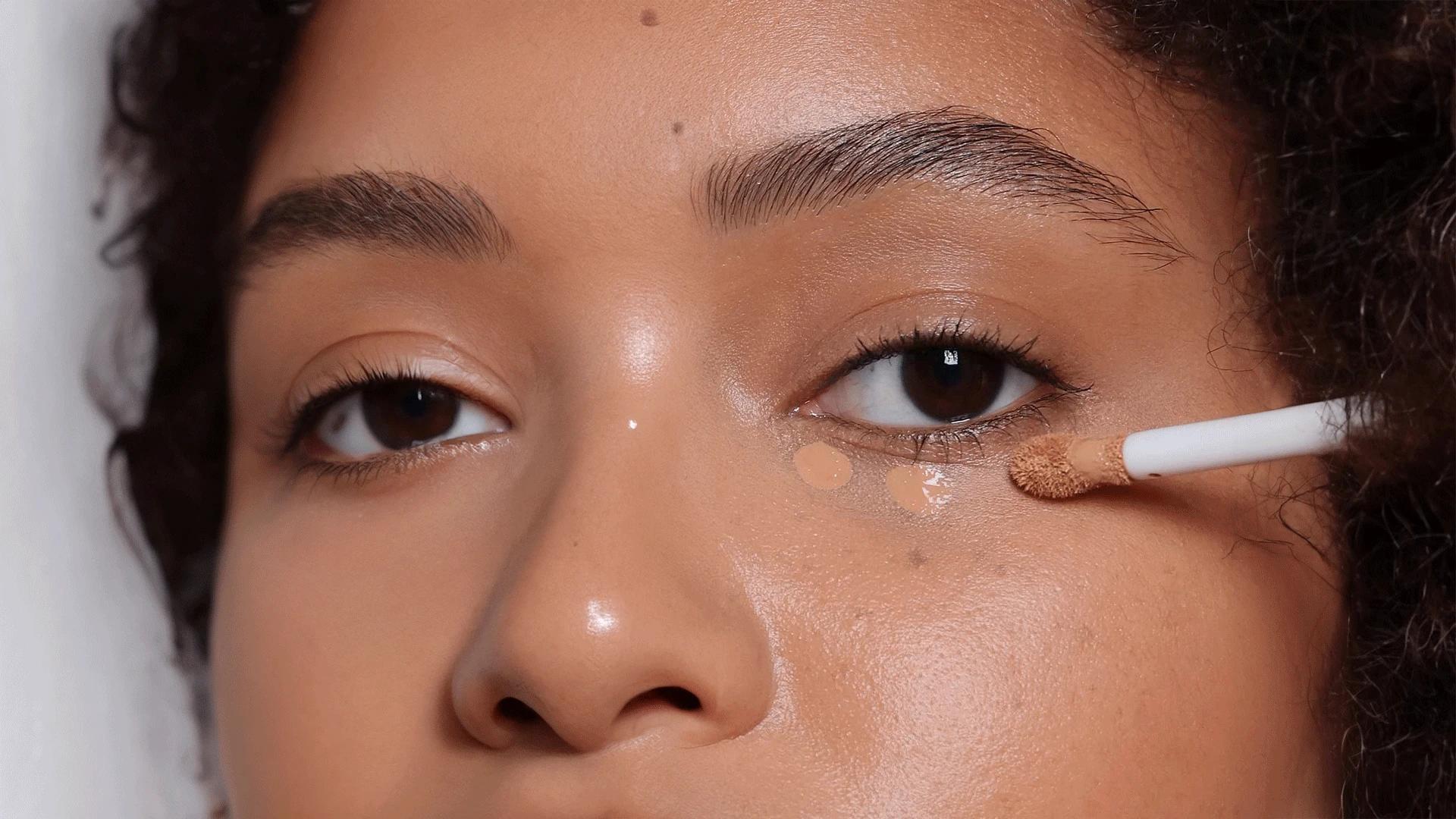

Let's be real—we've all been there. You've done your skincare routine, applied your foundation, and yet somehow your skin still looks a bit... off. Maybe there's a stubborn red spot peeking through, or those dark circles are making you look like you haven't slept in weeks. Enter the game-changer that makeup artists swear by: color correction. This isn't just another makeup step to complicate your routine—it's actually the secret to using less product while getting better results. Think of it as the foundation for your foundation, creating that perfect canvas that makes everything else look effortless.
Makeup color correction is basically the art of using specific colours to neutralise unwanted tones in your skin before applying foundation or concealer. Unlike concealer, which simply covers up imperfections, color correcting makeup actually cancels out discolouration by using opposite colours on the colour wheel. It's like having a magic eraser for your skin concerns.
The science behind this technique is surprisingly simple. When you place complementary colours next to each other, they neutralise each other out. So instead of piling on layers of concealer to hide a red blemish, a tiny dab of green corrector does the heavy lifting. Your makeup looks more natural, lasts longer, and you use way less product overall.
Here's when color correcting becomes your best friend:
You have persistent redness or rosacea
Dark circles that seem immune to concealer
Dull or sallow skin that needs brightening
Hyperpigmentation or age spots
You want a more professional, polished makeup finish
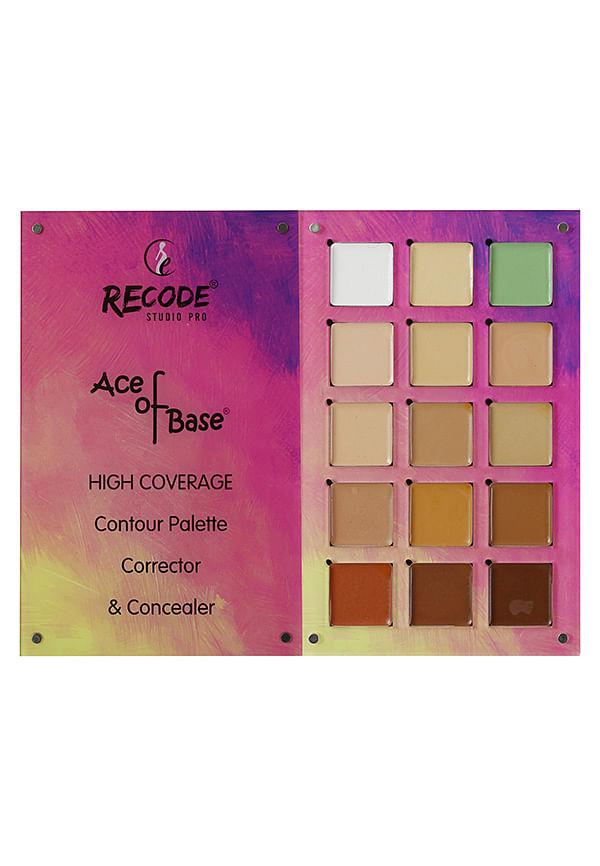
Ace of Base High Coverage Contour, Corrector & Concealer Palette
But honestly? You don't need to colour correct every single day. If you're just popping to the shops or having a low-key day, your regular routine is perfectly fine. Save the full color corrector guide techniques for when you want that flawless, camera-ready look.
Before we dive into the techniques, let's chat about the color wheel makeup theory that makes all of this work. The basic principle is that colours directly opposite each other on the wheel cancel each other out. Red and green are opposites, so green corrects redness. Orange and blue are opposites, so orange corrects blue-toned dark circles.
Here's your quick reference for the most common corrections:
Green: Neutralises red (acne, rosacea, general redness)
Orange/Peach: Cancels blue and purple tones (dark circles, bruises)
Purple/Lavender: Brightens yellow and sallow tones
Yellow: Corrects purple discolouration (veins, bruises)
Pink: Neutralises green undertones and brightens fair skin
Blue: Cancels orange-toned blemishes (rare but useful for specific concerns)
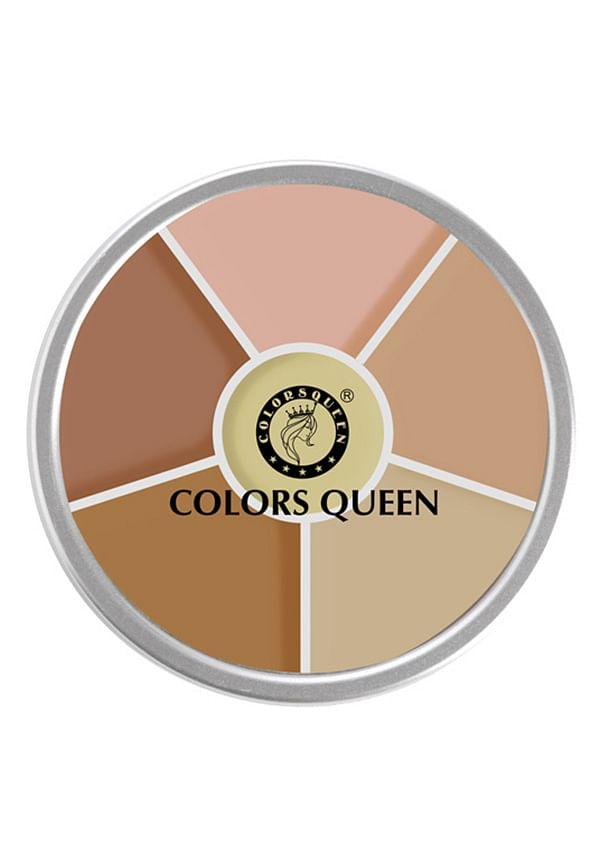
Lightweight Multi-Purpose Matte Concealer Palette
Versatile Must-Have Product
 5
5“must have product in vanity solve multiple problems”
Positive Product Experience
4“it was good experience. good quantity”
Your skin tone plays a huge role in which correctors will work best for you. Fair skin typically benefits from pink and lavender correctors to add brightness, whilst deeper skin tones often need orange and red correctors for more dramatic neutralisation.
For Indian skin tones specifically, peach and orange correctors are absolute lifesavers for dark circles, whilst yellow correctors work brilliantly for purple-toned blemishes. Green remains universal for redness across all skin tones.
Right, let's get into the good stuff. These are the techniques that'll transform your makeup game and have people asking what foundation you're using (spoiler: it's all in the prep work).
Green corrector is probably the most well-known color correcting technique, and for good reason. It's incredibly effective at neutralising any red-toned discolouration, from angry breakouts to general rosacea.
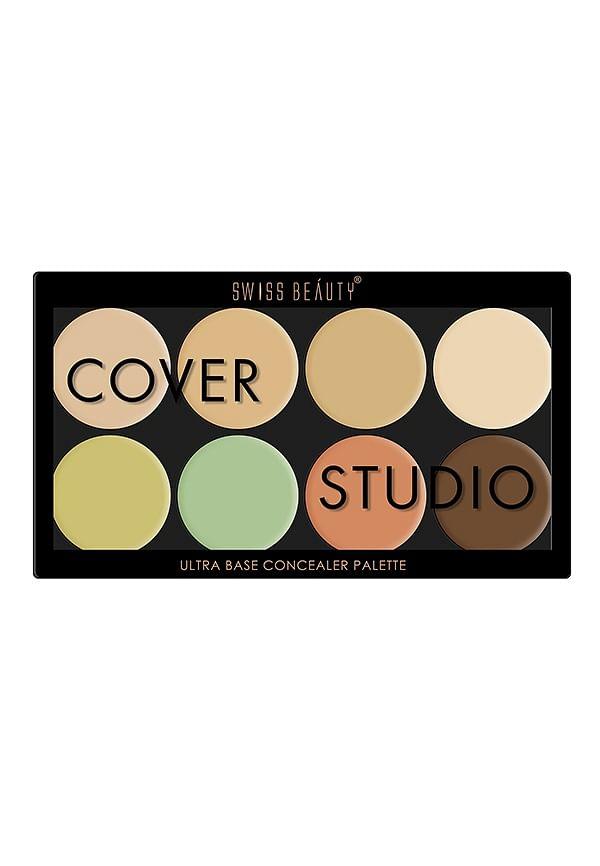
Ultra Base Concealer Palette
Just Wow Product
5“just wow product i received ever”
Just Wow Product
5“just wow product i received ever”
Very nice, great value
5“very nice love it go for it value for money”
Apply green corrector with a small, dense brush or your fingertip directly onto the red areas. The key is using just enough to neutralise the redness without going overboard—you're not trying to turn your skin green! Gently pat and blend the edges, then apply your foundation as normal. The redness should be completely neutralised without needing heavy concealer on top.
This is where concealer color correction gets really exciting. Orange and peach correctors are absolute game-changers for dark circles, especially if you've been struggling with that blue-purple discolouration that seems impossible to cover.
Choose orange for deeper skin tones and more intense dark circles, peach for fair to medium skin. Apply in an upside-down triangle shape under the eye, extending slightly towards the temple. Blend gently with a damp beauty sponge, then apply your regular concealer on top. You'll be amazed at how much brighter and more awake you look.
Purple corrector is like an instant filter for dull, yellow-toned skin. It adds that healthy, radiant glow that makes people think you've just had the best sleep of your life.
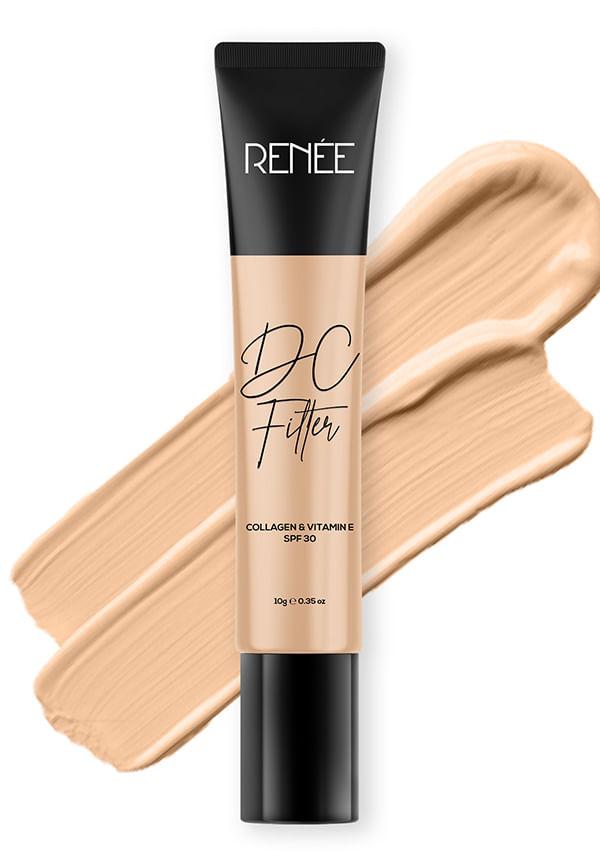
DC Filter - Color Correcting Undereye Dark Circles Instantly
You can apply purple corrector all over the face for an overall brightening effect, or just to specific areas like the centre of your forehead, bridge of your nose, and chin. Blend well with a damp sponge before applying foundation. This technique works particularly well on fair to medium skin tones.
Yellow corrector is brilliant for those stubborn purple-toned blemishes, visible veins, or any bruising you want to disguise. It's also great for neutralising any purple undertones in your skin.
Use a small brush to apply yellow corrector precisely to the discoloured areas. Blend the edges carefully so there's no harsh line, then proceed with your foundation. This technique requires a light hand—a little yellow corrector goes a very long way.
Pink corrector is particularly effective on fair skin for neutralising green-toned dark spots or adding a healthy flush to areas that look a bit lifeless. It's also great for brightening the under-eye area on very fair skin tones.
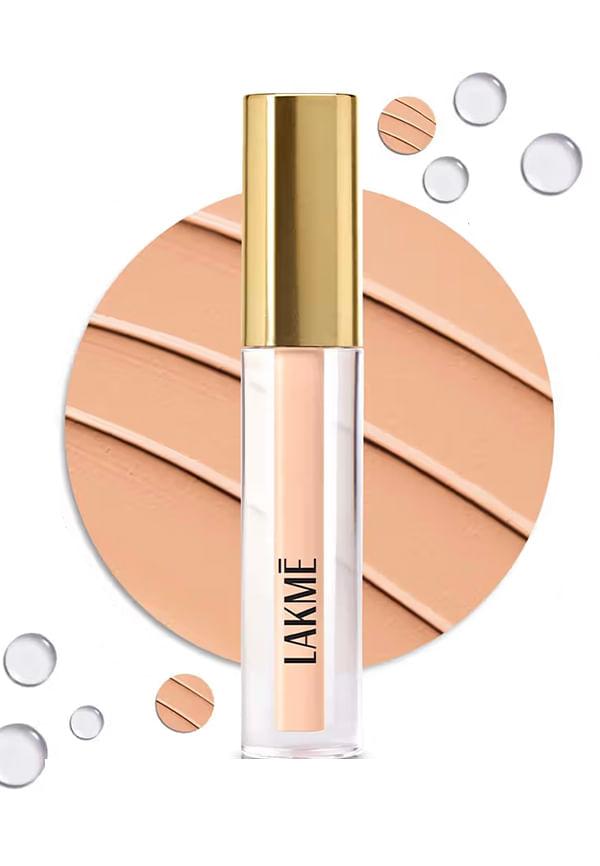
Hya Matte Liquid Concealer
Satisfied with product
5“damn good satisfied with the product”
Apply pink corrector with a small brush or your fingertip, focusing on areas that need brightening. Be careful not to over-apply, as pink can look quite obvious if you use too much. Blend well and follow with foundation.
Blue corrector is the least common but incredibly useful for specific concerns. If you have orange-toned blemishes or discolouration (which can happen with certain types of acne scarring), blue corrector neutralises them beautifully.
This is definitely an advanced technique—use the tiniest amount and blend extremely well. Blue corrector can look quite obvious if not properly blended, so take your time with this one.
This is where you become a proper makeup artist. Multi-colour correction involves using different correctors on different areas of your face to address multiple concerns at once.
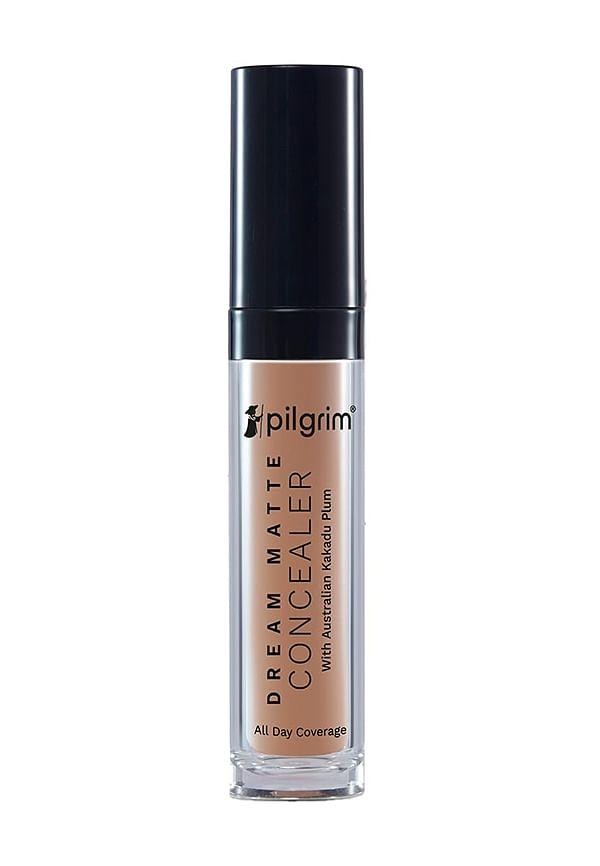
Full Coverage Concealer
Good and Amazing Product
5“this product is also good amazing”
Good and Amazing Product
5“this product is also good amazing”
Good and Amazing Product
5“this product is also good amazing”
Start by identifying all your colour correction needs: maybe green on a few blemishes, peach under the eyes, and purple on your T-zone for brightness. Apply each corrector to its designated area, blend well, then apply foundation over the top. This technique gives you that flawless, professional finish that looks effortless but is actually quite strategic.
If you're new to color correcting for beginners, don't worry—it's much easier than it looks. Here's your foolproof step-by-step makeup guide to get you started.
Step 1: Prep Your Skin
Start with clean, moisturised skin. Apply your usual skincare routine and let it absorb completely. If you use primer, apply that now and let it set.
Step 2: Apply Color Correctors
Using small amounts, apply your chosen correctors to the specific areas that need them. Remember, less is more—you can always build up if needed.
Step 3: Blend Thoroughly
This is crucial. Use a damp beauty sponge, small brush, or clean fingertips to blend the edges of each corrector until there are no harsh lines. The corrector should seamlessly melt into your skin.
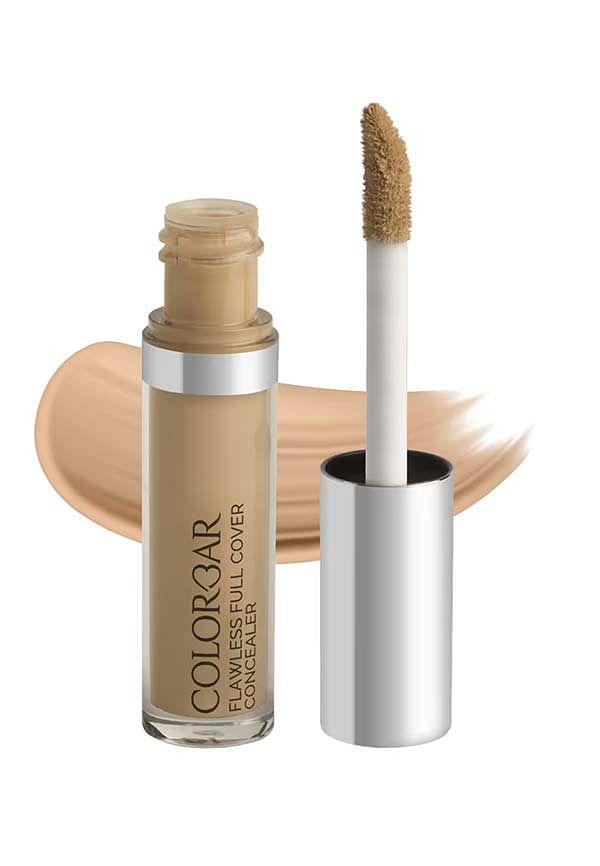
Flawless Full Cover Concealer
Positive Brand Experience
5“amezing coverage wow wow wow 🙀 My fab brand thank you 👍😊”
Nice Product, Value for Money
5“Nice product,valve for money!!”
Very good, regularly used concealer
5“very good concealer...i mostly use this 1.”
Step 4: Apply Foundation
Now apply your foundation as normal. You'll notice you need much less product to achieve full coverage because the correctors have already neutralised the discolouration.
Step 5: Set Everything
Finish with a light dusting of setting powder to lock everything in place. Your colour correction work should be completely invisible under your foundation, but the results will speak for themselves.
Even with the best intentions, there are a few common mistakes that can make your color correcting makeup look obvious or patchy. Let's chat about how to avoid them.
The biggest mistake? Using too much product. Color correctors are highly pigmented, so you need way less than you think. Start with a tiny amount and build up gradually. If you've applied too much, gently blend it out with a clean, damp sponge.
Another common issue is choosing the wrong shade for your skin tone. If you're unsure, it's always better to go slightly lighter or more neutral than too intense. And please, please blend properly—visible lines of corrector under your foundation are a dead giveaway that something's not quite right.
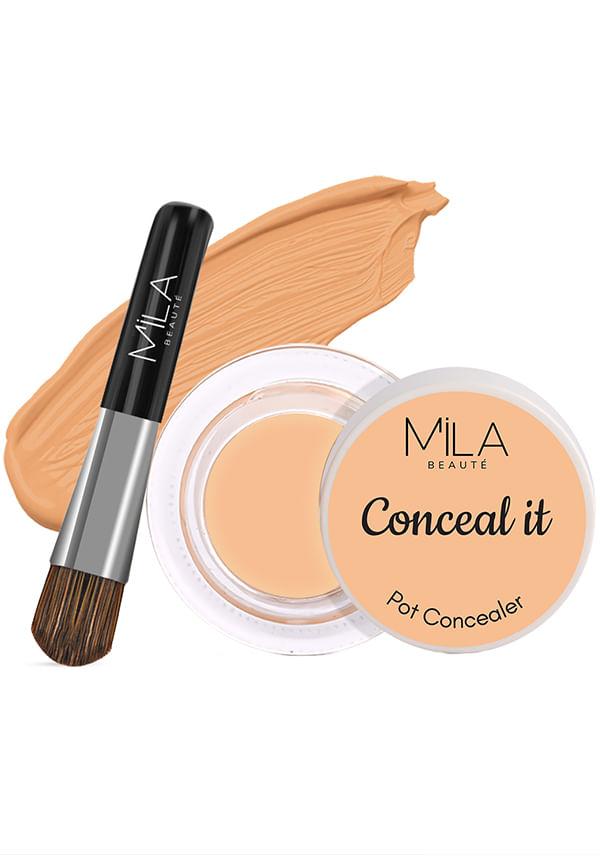
Conceal It Pot Concealer With SPF 15 & Vitamin-E Full Coverage Concealer
Shade didn't suit, good quality
5“this shade doesn't suit me but the quality and quantity was good”
Good Product, Pretty Brush
5“it's a very good product with pretty brush”
Good Product, Pretty Brush
5“it's a very good product with pretty brush”
Finally, don't forget to set your correctors before applying foundation. This prevents them from moving around and ensures they stay put all day.
When it comes to choosing color correcting makeup products, you've got options. Cream correctors offer the most coverage and are great for dry skin, whilst liquid formulas blend more easily and work well for oily skin types. Stick correctors are perfect for precise application and touch-ups on the go.
You don't need to spend a fortune to get good results. Many drugstore brands offer excellent color correctors that perform just as well as high-end options. The key is finding formulas that blend well with your skin and don't feel heavy or cakey.
Essential tools include small, dense brushes for precise application, beauty sponges for blending, and setting powder to lock everything in place. Start with one or two correctors that address your main concerns, then build your collection as you get more comfortable with the techniques.
This is where platforms like Smytten become incredibly useful. With over 1,500 trusted beauty brands offering trial-sized products, you can experiment with different color correctors without committing to full-size purchases. Getting up to 8 minis for just ₹249 means you can try various formulas and shades to find your perfect match, with 100% cashback redeemable for future orders.
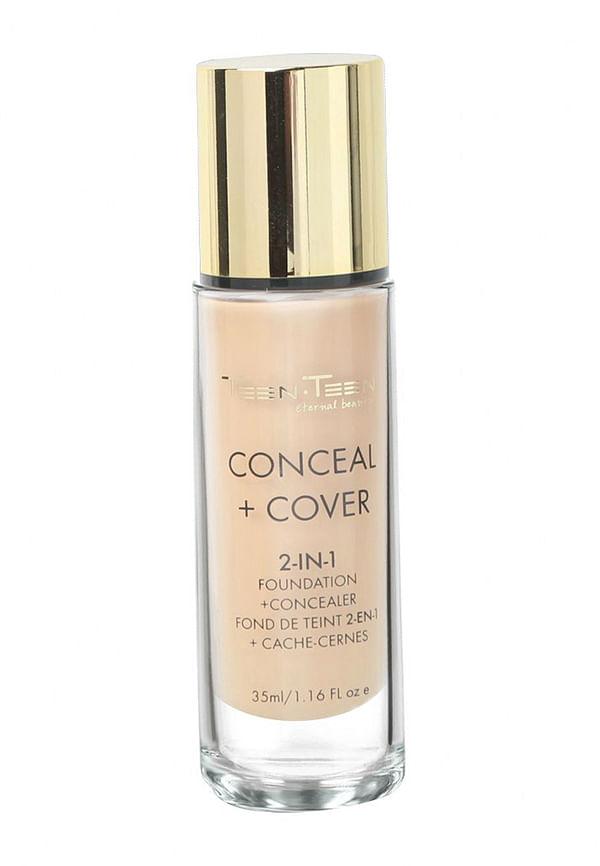
Conceal + Cover Foundation (Highest Coverage Foundation By . Teen)
Once you've mastered the basics, there are some advanced techniques worth exploring. For mature skin, cream correctors tend to work better than liquid formulas as they're more hydrating and won't settle into fine lines.
If you have sensitive skin, look for correctors with gentle, fragrance-free formulas. Always patch test new products and introduce them gradually into your routine.
For special events or photography, you might want to be a bit more heavy-handed with your color correction since cameras can wash out subtle corrections. And remember that your skin tone can change seasonally—you might need different correctors in summer versus winter.
Men's makeup is becoming increasingly popular, and color correction techniques work exactly the same way. The key is using products with natural finishes that don't look obvious.
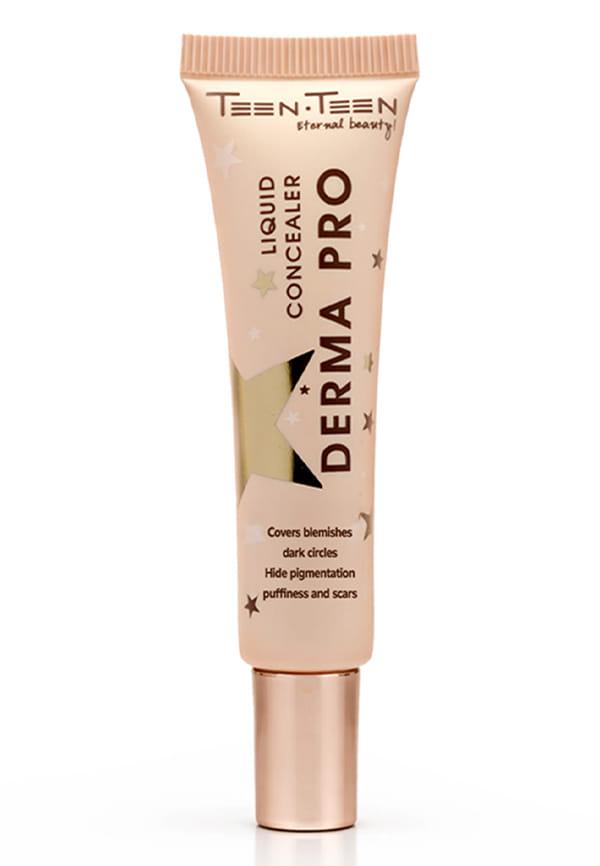
Derma Pro Liquid Concealer
Good coverage
4“Good product … great coverage ”
Loved the coverage and waterproof nature
5“Such a beautiful coverage it gives to the entire face. Completely waterproof. Loved it”
Excellent Product
5“😘😘😘 this produt is very very good i am very happy and too good”
Start by identifying your main skin concerns rather than just your skin tone. Orange and peach work for dark circles on most skin tones, with orange being better for deeper skin. Green neutralises redness universally. Purple brightens fair to medium skin, whilst yellow corrects purple discolouration on all skin tones.
The secret is using opposite colours on the colour wheel and applying them sparingly. Always blend thoroughly with a damp sponge or brush, and build up coverage gradually. Set with powder before applying foundation to prevent the correctors from moving around.
Orange correctors work brilliantly for dark circles on Indian skin tones, whilst yellow correctors are perfect for purple-toned blemishes or veins. Green remains excellent for any redness or inflammation, and purple can add brightness to areas that look dull.
Always apply color correctors before foundation and concealer. This allows them to neutralise discolouration first, so your foundation can focus on evening out your skin tone rather than covering imperfections.
Yes, but choose gentle, fragrance-free formulas and always patch test first. Look for correctors with hydrating ingredients and avoid anything with harsh chemicals or strong fragrances.
Color correction might seem intimidating at first, but it's honestly one of those techniques that becomes second nature once you get the hang of it. The key is understanding which colours neutralise your specific concerns and applying them with a light hand.
Remember, you don't need to use every technique every day. Start with one or two correctors that address your main concerns, practice the application, and gradually expand your skills. With Smytten's trial platform connecting you to over 1,500 beauty brands, you can explore different color correcting products without the commitment of full-size purchases. After all, why settle for 'maybe' when you can try different formulas and find exactly what works for your skin? The platform's 100 million trial minis delivered across India prove that smart product discovery leads to better beauty choices—and that includes finding your perfect color correcting routine.
