7 Pro Blush Techniques for Flawless Makeup

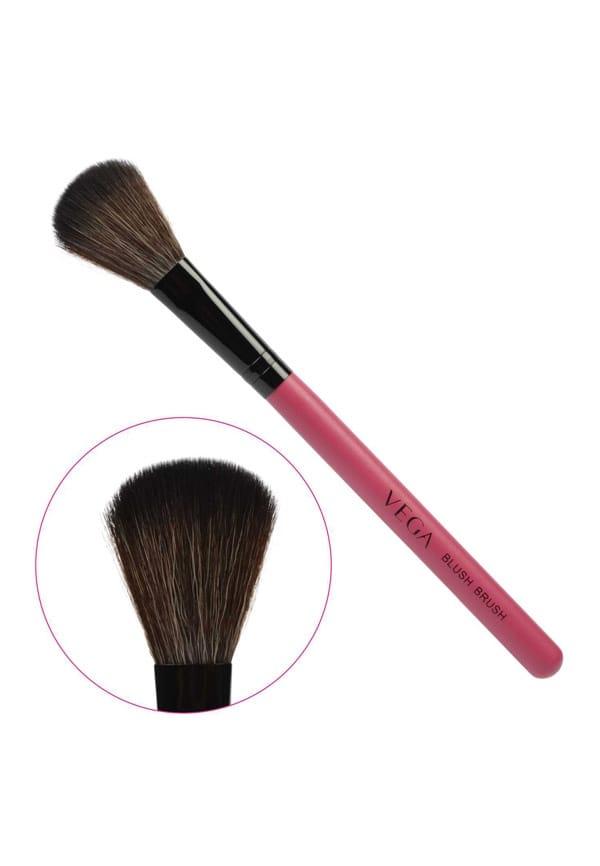
Blush Brush (MBP-02)
Let's be real—blush can make or break your entire makeup look. One wrong swipe and you're either looking like you've been slapped by winter wind or completely washed out. But when you nail the best blush application, it's pure magic. Your face gets that perfect flush that screams 'I woke up like this' even when you definitely didn't. Whether you're a makeup newbie or someone who's been at this for years, mastering proper blush techniques can transform your entire routine. Think of blush as your secret weapon for instant radiance—it lifts, defines, and brings life back to your complexion in ways that no filter ever could.
Before diving into applying blush, you need to know what you're working with. Your face shape isn't just something you read about in those old magazine quizzes—it's actually your roadmap to perfect blush placement. Different shapes need different approaches, and once you crack this code, everything else falls into place.
The same goes for your skin type. What works on your bestie's oily skin might slide right off your dry complexion. Getting these fundamentals right sets you up for success with every single application.
Round faces benefit from blush placement that's slightly higher on the cheekbones, sweeping towards the temples. This creates length and definition rather than adding width. Oval faces are the lucky ones—the classic apple method works perfectly for you.
Square faces need softening, so circular motions starting from the apples and blending outward work wonders. Heart-shaped faces should focus on the lower portion of the cheeks to balance out a wider forehead. Long faces can handle horizontal application across the cheeks to add width.
Powder blush is your mate if you've got oily or combination skin—it stays put and doesn't slide around. Cream blush is perfect for dry or mature skin because it adds that dewy, natural finish. Liquid blush gives you the most natural look and lasts ages, whilst gel blush offers buildable coverage with a fresh, dewy finish.
Real talk—the right blush brush can make even a mediocre blush look expensive. It's not about having every brush under the sun; it's about having the right ones for your specific needs. A good brush distributes product evenly, blends seamlessly, and gives you control over the intensity.
Think of your brush as an extension of your hand. The wrong one will fight you every step of the way, whilst the right one makes application feel effortless and natural.
Angled brushes are your precision tools—perfect for contouring and creating defined cheekbones. The angle fits naturally into the hollows of your cheeks and gives you that sculpted look. Round fluffy brushes are your go-to for natural, diffused application. They're forgiving and blend beautifully.
Fan brushes are brilliant for light dusting and highlighting. They pick up just the right amount of product for a subtle flush. Dense flat brushes give you intense colour payoff when you want that bold, editorial look.
Clean brushes aren't just about hygiene—they perform better too. Daily spot cleaning with a brush cleanser keeps them fresh between uses. Weekly deep cleans with gentle shampoo remove buildup and keep the bristles soft. Replace brushes when they start shedding excessively or lose their shape.
These first three blush techniques form the backbone of great application. Master these, and you'll have the confidence to experiment with more advanced methods. Each technique serves a different purpose and suits different occasions, from everyday natural looks to more dramatic evening makeup.
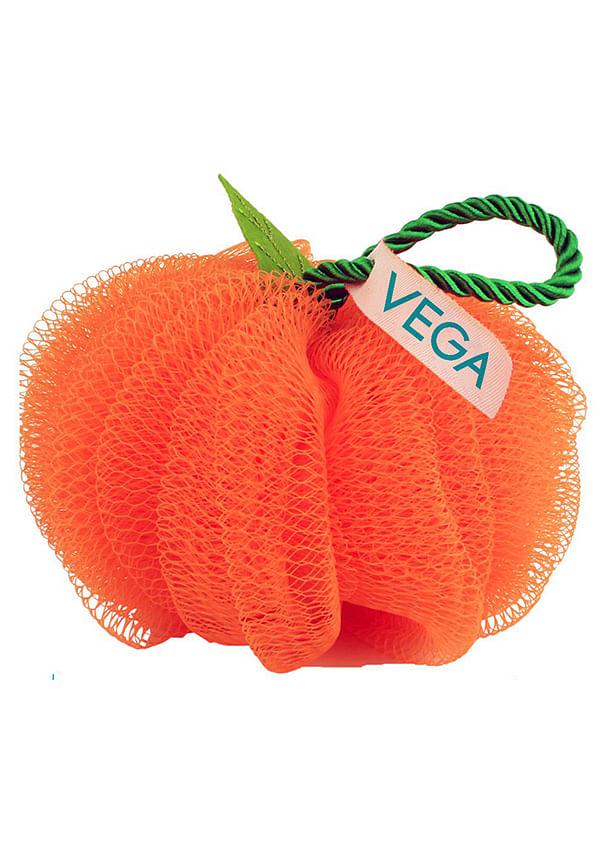
Orange Sponge (BA-3/10)
The beauty of these methods is their versatility. You can use the same technique with different products and intensities to create completely different vibes.
This is where everyone should start when learning how to apply blush. Smile naturally to find the apples of your cheeks—those rounded areas that pop up when you grin. Apply blush in gentle circular motions, starting light and building up gradually.
The key is patience. It's much easier to add more colour than to take it away. Start with a light dusting and build until you achieve your desired intensity.
This method creates an instant lifting effect that's particularly flattering for mature skin. Start at your temples and blend the blush down towards the apples of your cheeks, following your natural cheekbone structure.
This technique works brilliantly for blush for face shape concerns, especially if you want to create the illusion of higher cheekbones or a more youthful appearance.
This technique gives you that coveted 'flushed from within' look that's been trending everywhere. Layer cream blush first, then set with a matching powder. Extend the colour slightly to the nose bridge and under-eyes for that natural, sun-kissed effect.
Understanding colour theory isn't just for artists—it's crucial for anyone wanting to master makeup blush application. The right colour can make your skin glow, whilst the wrong one can wash you out completely. It's not just about what you like; it's about what works with your natural colouring.
Strategic placement goes beyond just slapping colour on your cheeks. It's about understanding how light hits your face and using blush to enhance your natural bone structure.
Cool undertones look stunning in pink and berry shades—think roses, mauves, and deeper plums. Warm undertones come alive with peach, coral, and warm pink tones. Neutral undertones are the lucky ones who can wear almost anything, but rose and mauve shades are particularly flattering.
When in doubt, look at your veins. Blue or purple veins suggest cool undertones, green veins indicate warm undertones, and a mix suggests neutral undertones.
This technique places blush higher on the cheekbones to create a lifting effect. Avoid applying blush too low on the cheeks, as this can drag the face down. Instead, focus on the upper cheekbone area and blend towards the temples.
Pair this with a subtle bronzer and highlighter for a complete, youthful look that enhances rather than fights your natural features.
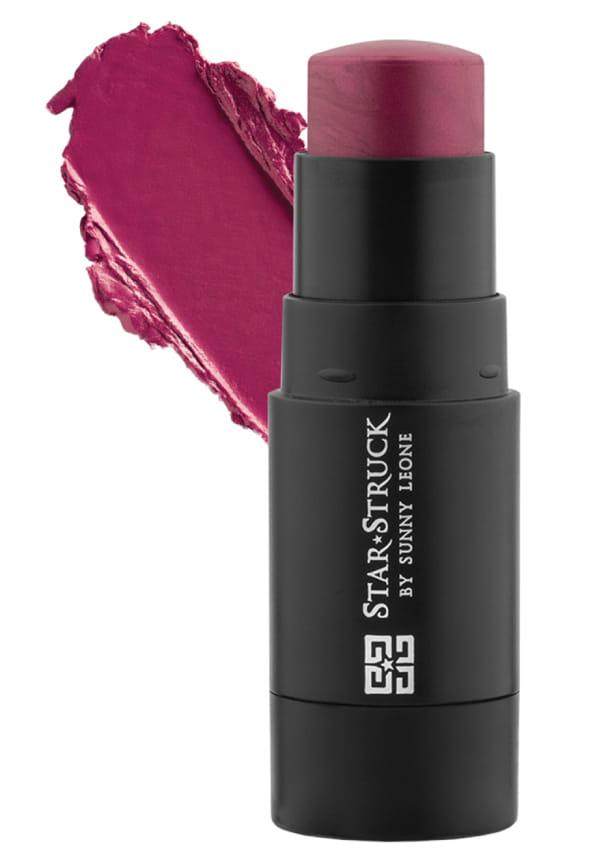
Blush Stick
Once you've mastered the basics, these advanced techniques will take your blush application to the next level. They're about creating depth, dimension, and that professional finish that makes people ask where you got your makeup done.
These methods require a bit more practice, but the results are worth it. They're perfect for special occasions or when you want your makeup to photograph beautifully.
Start with a cream blush as your base layer—this gives you that natural flush from within. Set it with a matching or complementary powder blush for longevity. Then add depth with a slightly deeper shade in the hollows of your cheeks.
This technique creates the most natural-looking dimension and ensures your blush lasts all day without fading or becoming patchy.
This is all about creating seamless transitions between colours and avoiding any harsh lines. Start with the lightest shade and gradually build intensity towards the centre of your cheeks. Blend each layer thoroughly before adding the next.
The key is using a clean, fluffy brush for blending and working in thin layers. This technique takes practice but creates the most professional-looking results.
Even with the best intentions, certain blush tips can go wrong. These common mistakes can instantly age your appearance or make your makeup look amateur. The good news is that they're all easily fixable once you know what to look for.
Understanding these pitfalls helps you troubleshoot your own application and achieve consistently better results. Most of these issues come down to placement, intensity, or colour choice.
Applying blush too low on the cheeks is one of the most ageing mistakes you can make. It creates a droopy effect that pulls your entire face downward. Always aim for the upper portion of your cheeks and blend upward towards your temples.
Another common error is applying blush too close to your nose. This can make your face appear wider and less defined. Keep the colour focused on the outer two-thirds of your cheeks for the most flattering effect.
Over-application is probably the most common blush mistake. If you've gone too heavy, don't panic. Use a clean, fluffy brush to blend and diffuse the colour, or apply a light dusting of translucent powder to tone it down.
Choosing colours that clash with your undertones can make your skin look muddy or unnatural. When trying new shades, test them in natural light and see how they look throughout the day.
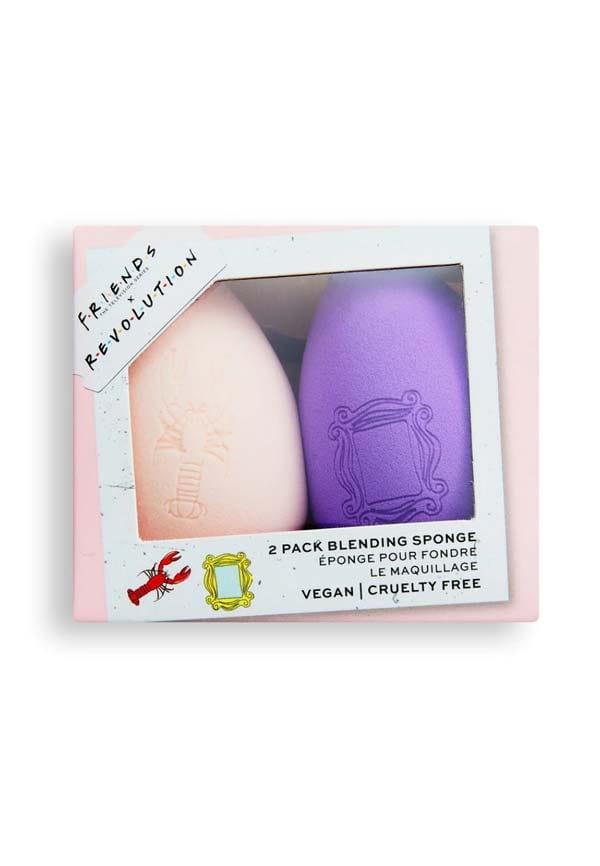
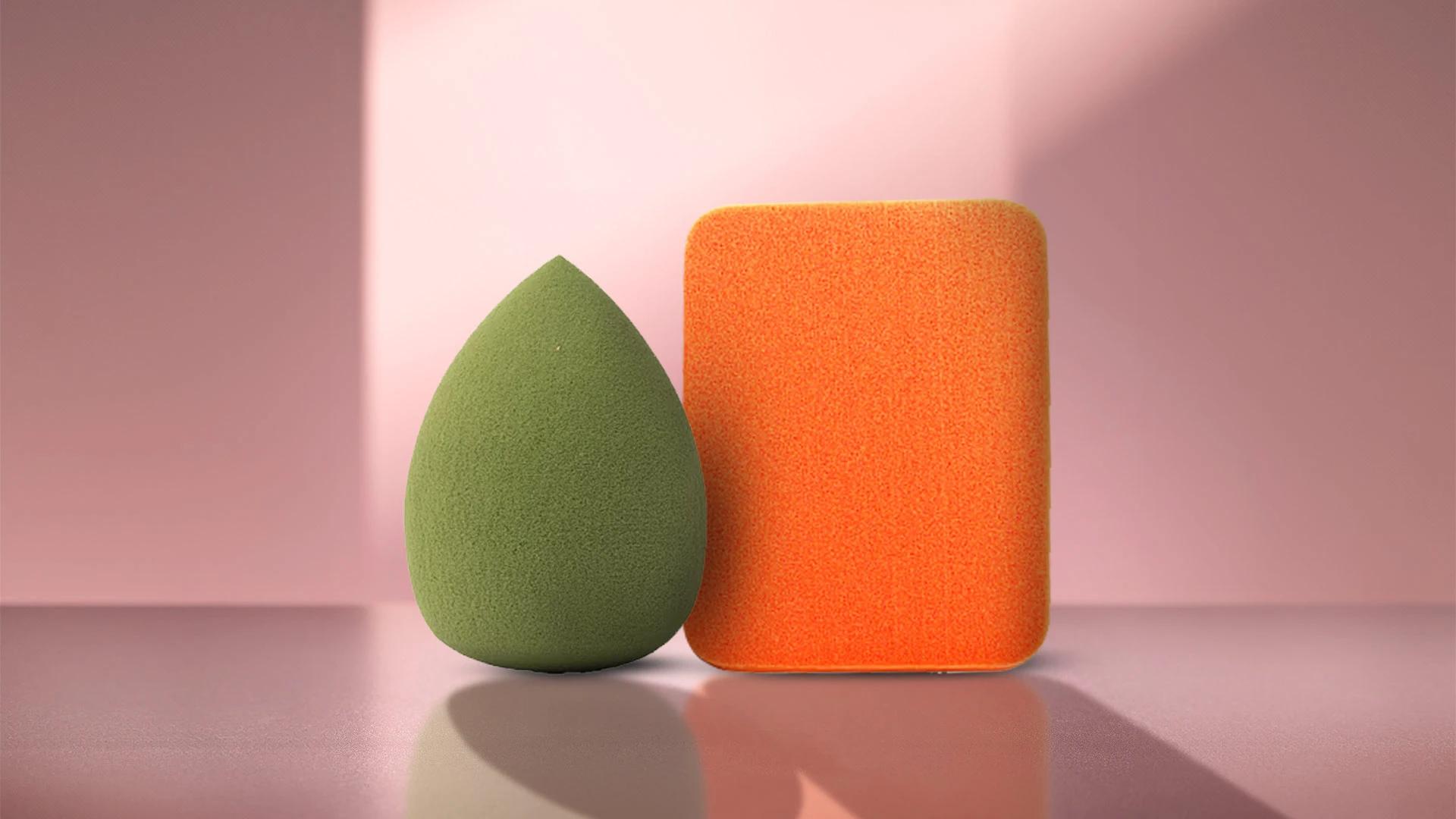
Makeup Revolution x Friends 2PCK Blending Sponge
With so many types of blush available, finding your perfect match can feel overwhelming. This is where platforms like Smytten become absolute game-changers. Instead of committing to full-size products that might not work for you, you can explore curated trial packs from over 1,500 trusted brands including Renee, Love, Beauty & Planet, and many others.
The beauty of trying before you buy means you can experiment with different formulas, shades, and brands without the financial risk. Whether you're curious about that viral cream blush everyone's talking about or want to test how a particular shade looks on your skin tone, trial sizes let you make informed decisions.
Start with the apple method using a fluffy brush and buildable powder formula. Smile to find your cheek apples, apply in gentle circular motions, and blend upward towards temples. Always start with less product than you think you need.
An angled blush brush offers the most versatility for precise application and natural blending. Fan brushes work well for light application, whilst dense brushes provide more colour payoff. Choose based on your desired intensity and application style.
Use a light hand with cream blush, applying to the apples of cheeks and blending outward. Build colour gradually and focus on seamless blending. Choose shades that mimic your natural flush for the most realistic effect.
Place blush higher on cheekbones rather than the apples to create a lifting effect. Use warmer tones and avoid overly bright colours that can appear harsh. Focus on the upper cheekbone area and blend towards temples.
Apply blush first to the apples and cheekbones, then add highlighter to the high points above the blush. Blend the edges where they meet for a seamless gradient. This creates beautiful dimension and glow.
Powder blush typically has the best staying power, especially when applied over a primer. For extended wear, try layering cream blush as a base and setting with matching powder blush on top.
Mastering the best blush application is truly about understanding your unique features and working with them, not against them. These seven techniques give you a solid foundation, but remember that makeup is personal. What works for your favourite influencer might not work for you, and that's perfectly fine.
The key is experimentation and practice. With Smytten's trial packs, you can explore different brands and formulas without the commitment of full-size purchases. Get up to 8 minis for just ₹249, with 100% cashback redeemable for future orders. This makes discovering your perfect blush shade both affordable and fun. When you find that perfect match, buying the full-size version is just a click away.
Remember, great blush application isn't about following rules religiously—it's about understanding the principles and adapting them to your face, your style, and your confidence level. Start with the basics, master them, then experiment with the advanced techniques when you're ready. Your perfect flush is out there waiting to be discovered.
