Your Daily Hair Care Routine FAQ: All Your Questions Answered

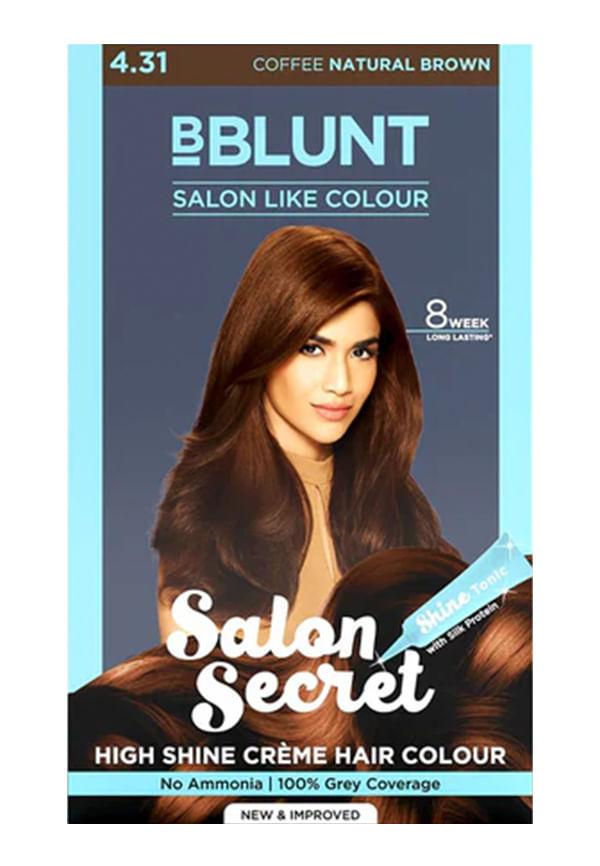
Salon Secret High Shine Conditioning Hair Colour
Ever wondered why your hair feels lifeless despite following every tutorial you've seen? You're not alone. Most of us are missing crucial steps in our daily hair care routine, and it's showing. Whether you're dealing with greasy roots by lunchtime or ends that feel like straw, the right daily routine can be a total game-changer. Let's dive into the most common questions about daily hair care and get your routine sorted once and for all.
Your daily hair care routine doesn't have to be complicated, but it does need to be consistent. Think of it as your hair's daily dose of TLC—morning prep and evening wind-down that keeps everything healthy and manageable.
Start with gentle detangling using a wide-tooth comb on damp hair. Work from the ends up to avoid unnecessary breakage. Apply a leave-in conditioner or hair serum to damp strands, focusing on mid-lengths and ends where your hair needs the most hydration. If you're planning to use heat tools, never skip the heat protectant—it's your hair's best friend against damage.
Before bed, give your hair a gentle brush to remove any product buildup and distribute natural oils. Consider loose protective styles like a silk scrunchie braid to prevent tangling overnight. Swap your cotton pillowcase for silk or satin—your hair will thank you for the reduced friction and better moisture retention.
The "how often should I wash my hair" question is probably the most debated topic in hair care. The truth is, there's no one-size-fits-all answer, and your hair type plays a huge role in determining what works best for you.
If you have oily hair, you might need to wash daily or every other day to keep grease at bay. Normal hair typically does well with washing every 2-3 days, while dry or damaged hair benefits from less frequent washing—maybe once or twice a week. Curly and textured hair often needs even less frequent washing to maintain natural moisture levels.
Focus your shampoo on the scalp, not the lengths of your hair. Your scalp produces the oils that need cleansing, while the rest of your hair gets clean as you rinse. When conditioning, apply from mid-length to ends, avoiding the roots to prevent weighing down your hair. Lukewarm water is your best bet—hot water strips natural oils, while a cool final rinse can add shine.
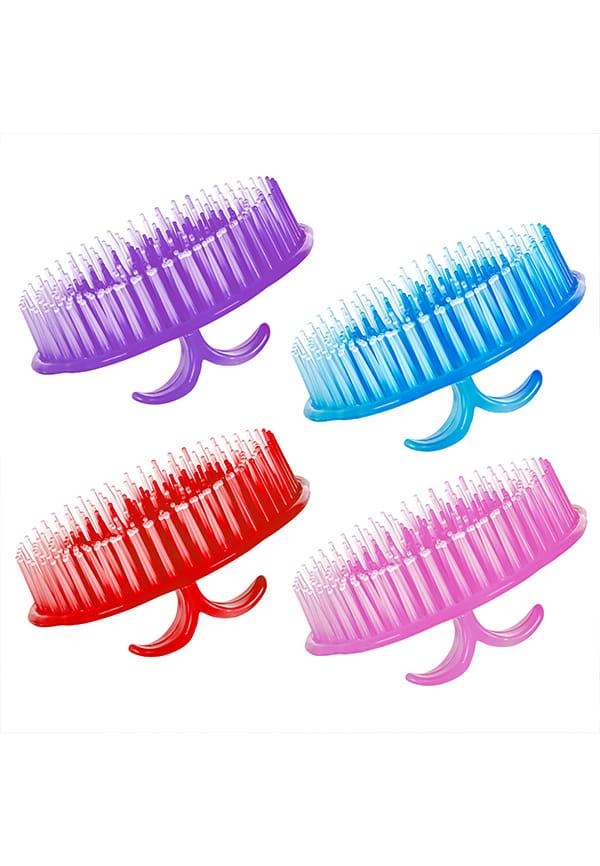
Hand Grip Round Comb & Scalp Massager | Small Round Hair Comb Shampoo Brush Scalp Massage
The world of hair products can feel overwhelming, but your daily routine really only needs a few key players. Focus on products that address your specific hair concerns rather than trying every trending ingredient.
A good leave-in conditioner provides ongoing hydration throughout the day. Hair oils or serums can add shine and tame frizz—just use them sparingly to avoid greasy-looking hair. If you style with heat regularly, a quality heat protectant is non-negotiable. For those focused on hair growth, scalp serums with ingredients like niacinamide or caffeine can support a healthy scalp environment.
Fine hair does best with lightweight, volumising formulas that won't weigh it down. Thick hair can handle richer, more nourishing products. If your hair is damaged, look for protein-moisture balance—too much of either can make things worse. Colour-treated hair needs gentle, colour-safe formulations to maintain vibrancy.
Healthy hair starts with a healthy scalp, but scalp care often gets overlooked in daily routines. Your scalp is literally the foundation where your hair grows, so keeping it in good condition should be a priority.
Gentle scalp massage during shampooing boosts circulation and can promote hair growth. Use your fingertips, not nails, to avoid irritation. Pay attention to how your scalp feels—tight, itchy, or flaky scalp might need different products or techniques. Scalp serums applied to clean, damp scalp can provide targeted treatment for specific concerns.
Dandruff responds well to ingredients like zinc pyrithione or salicylic acid used consistently. Oily scalp might benefit from clarifying shampoos used weekly, but daily over-cleansing can actually make oil production worse. Sensitive scalps need fragrance-free, gentle formulations to avoid irritation.
While you can't drastically speed up hair growth (it averages about half an inch per month), you can create the best possible environment for healthy growth and prevent breakage that makes hair appear to grow slowly.
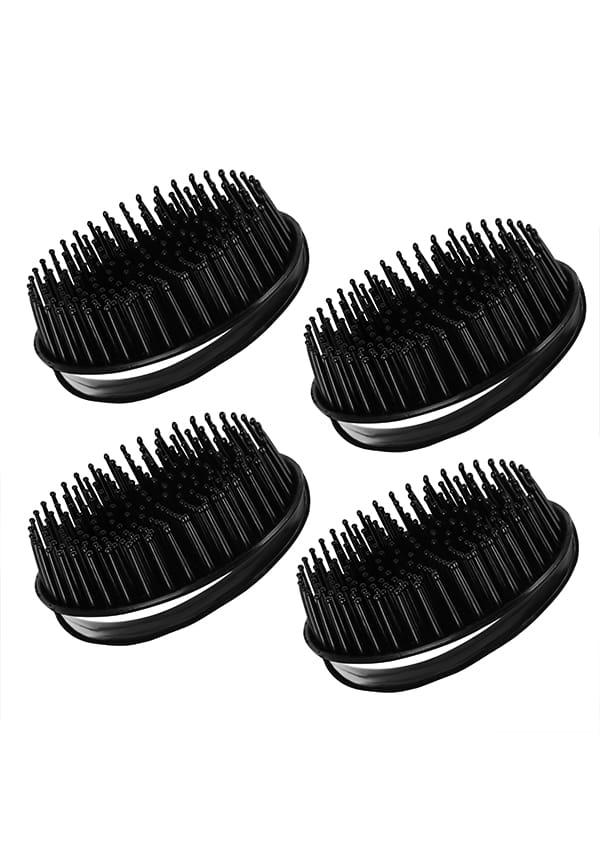
Hand Grip Round Comb & Scalp Massager | Small Round Hair Comb Shampoo Brush Scalp Massage
What you eat and drink affects your hair health. Protein, iron, and vitamins like biotin support hair structure and growth. Managing stress through exercise, meditation, or adequate sleep also impacts hair health—chronic stress can actually cause hair loss. Regular scalp massage, even just during your daily routine, promotes circulation.
Gentle handling is key to maintaining length. Avoid tight hairstyles that pull on the hairline, use silk or satin accessories, and be extra careful when hair is wet and most vulnerable. Regular trims every 6-8 weeks prevent split ends from travelling up the hair shaft.
You don't have to choose between looking good and having healthy hair. Smart styling techniques and the right products can help you achieve your desired look while maintaining hair health.
Air-drying with the right techniques can give you gorgeous results. Try plopping for curly hair, or use a microfibre towel to reduce frizz. Overnight styling methods like loose braids or foam rollers can create waves without heat damage. Texture-enhancing creams and mousses can define your natural hair pattern beautifully.
When you do use heat tools, keep temperatures below 180°C for fine hair and under 200°C for thicker hair. Clean your tools regularly to prevent product buildup that can cause uneven heating. Layer your heat protectant properly—apply to damp hair and let it dry before styling.
For daily hydration, start with a leave-in conditioner on damp hair, focusing on mid-lengths and ends. Follow with a light hair oil or serum if your hair is particularly dry. The key is using products consistently rather than loading up with too much at once, which can weigh hair down and make it look greasy.
Your hair should feel soft, look shiny, and be manageable to style. You'll notice less breakage when brushing, reduced frizz throughout the day, and your scalp will feel comfortable—not tight, itchy, or overly oily. Give any new routine at least 4-6 weeks to see real results, as hair growth cycles take time.
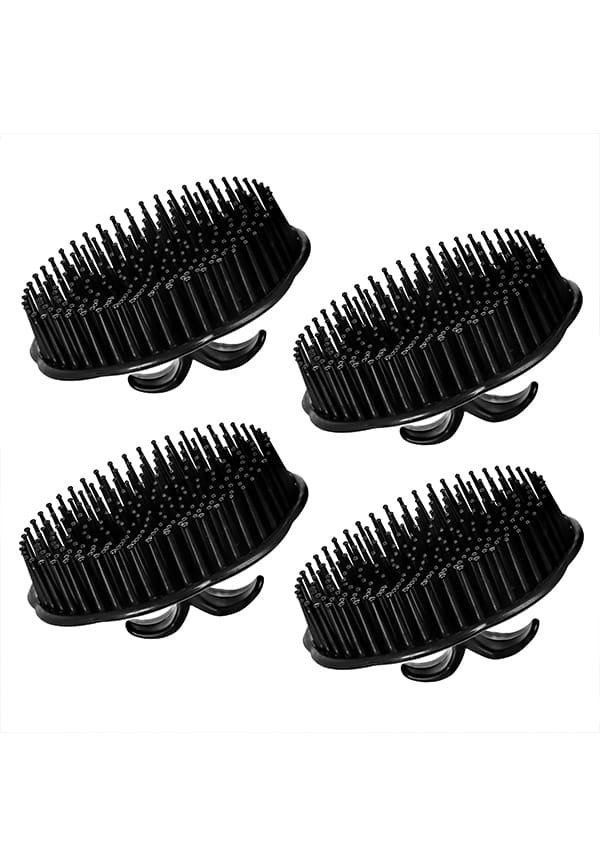
Hand Grip Round Comb & Scalp Massager | Small Round Hair Comb Shampoo Brush Scalp Massage
Yes, but it depends on your styling methods. Heat-free styles, protective styles, and low-manipulation techniques can be done daily. If you use heat tools daily, keep temperatures moderate, always use heat protection, and give your hair breaks with heat-free days when possible. Your hair will tell you if it's too much—watch for increased dryness or breakage.
Your routine might need adjustments seasonally—winter often requires more moisture, while summer might need UV protection and humidity control. Also, as your hair grows and changes, or if you colour or chemically treat it, your needs will evolve. Pay attention to how your hair responds and adjust accordingly.
Over-washing and using too much product are the most common mistakes. Many people think daily washing equals clean, healthy hair, but it often strips natural oils and causes more problems. Similarly, using too many products or applying them incorrectly can weigh hair down and cause buildup.
High porosity hair loses moisture quickly, so focus on sealing in hydration. Use leave-in conditioners with heavier oils like shea butter or coconut oil. Apply products to soaking wet hair and consider the LOC method (liquid, oil, cream) to lock in moisture. Protein treatments once a week can help fill in gaps in the hair cuticle.
Absolutely. Morning routines focus on protection and styling prep—detangling, heat protection, and products that help you achieve your desired look. Evening routines are about repair and preparation for sleep—gentle brushing, protective styling, and treatments that work overnight. This approach maximises the benefits of your hair care products.
Start with the basics: gentle cleansing, conditioning, and protection. A solid routine can take just 10-15 minutes daily. Focus on multi-purpose products like leave-in conditioners with heat protection, or styling creams that also provide moisture. Prep the night before when possible—detangle and apply overnight treatments to save morning time.
Building a sustainable daily hair care routine is about understanding your hair's unique needs and being consistent with the basics. Focus on gentle cleansing, proper hydration, scalp health, and protection from damage rather than trying every trending product or technique.
Remember that healthy hair is a long-term commitment, not a quick fix. What works for your favourite influencer might not work for your hair type, and that's completely normal. Pay attention to how your hair responds to different products and techniques, and don't be afraid to adjust your routine as needed.
The most important thing is consistency. A simple routine followed daily will always beat an elaborate routine you only manage once a week. Start with the fundamentals and build from there as you learn what your hair loves most. Not sure which products might work best for your hair type? Smytten offers trial-size versions of many haircare products from trusted brands—a smart way to test before committing to full-size bottles.
