Why Women Hair Fall FAQ: Causes and Solutions

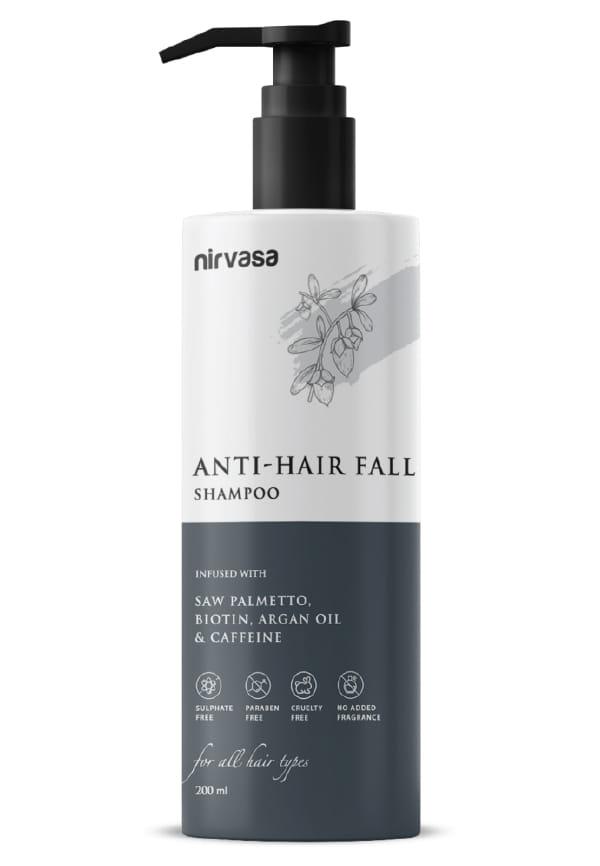
Anti-Hair Fall Shampoo for Men and Women
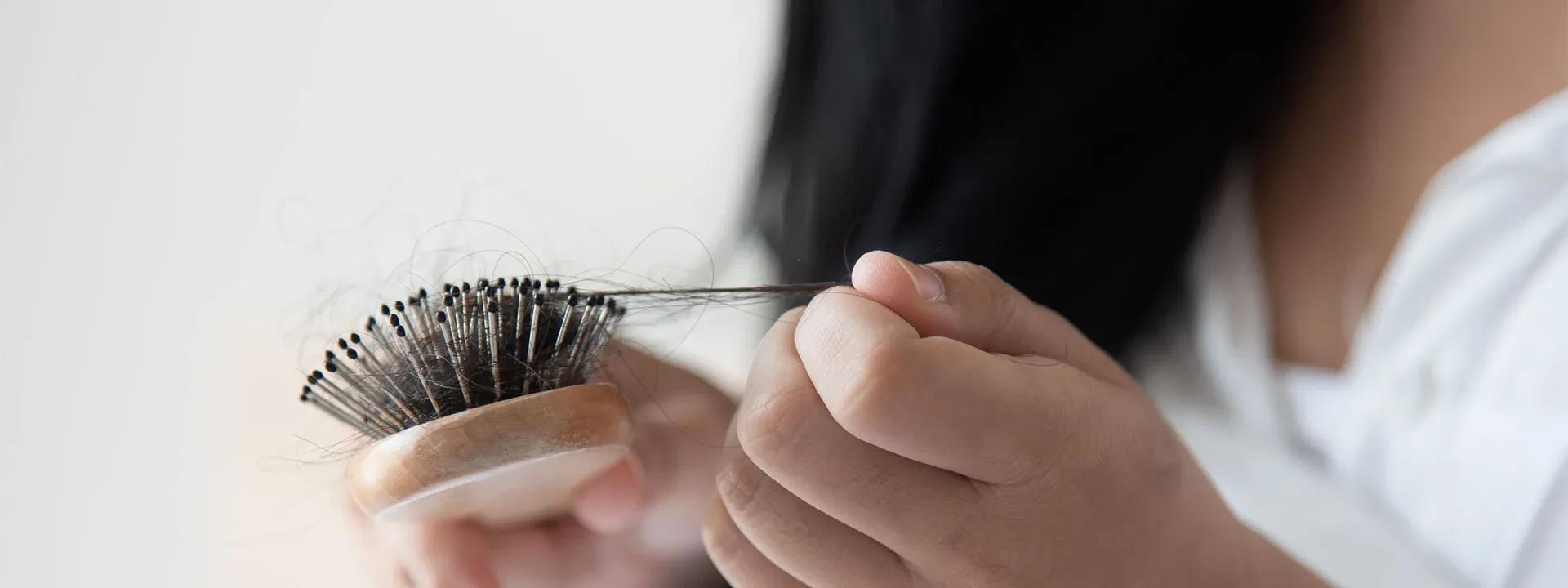
You're brushing your hair and notice more strands than usual on your brush. Or maybe your ponytail feels thinner, and you're starting to see more scalp through your parting. Hair fall in women is incredibly common, yet it can feel isolating when you're the one experiencing it. The good news? Understanding why it happens is the first step to finding solutions that actually work. Let's dive into the real reasons behind female hair loss and explore practical ways to address it.
Before we get into the why, let's talk about what's actually normal. Your hair naturally goes through cycles of growth, rest, and shedding. Losing 50 to 100 hairs daily is completely typical – that's just your hair doing its thing. But when you start noticing clumps in the shower drain, wider partings, or your hairbrush collecting way more than usual, that's when hair loss in women becomes a genuine concern.
Female hair thinning often shows up differently than male pattern baldness. Instead of receding hairlines, women typically experience diffuse thinning across the crown or a widening centre part. You might notice your hair feels less dense overall, or that styles you used to love just don't look the same anymore. The key is recognising when normal shedding crosses into excessive territory.
Your hair growth cycle has three phases: anagen (growth), catagen (transition), and telogen (rest). When this cycle gets disrupted – whether by hormones, stress, or other factors – more hairs can shift into the shedding phase simultaneously. This is when you'll notice that concerning increase in hair fall that sends you searching for answers.
Understanding the causes of hair fall starts with recognising that women's hair loss is complex and multifaceted. Unlike men, who primarily deal with androgenetic alopecia, women face a broader range of triggers that can affect their hair health. From hormonal fluctuations to nutritional gaps, the hair fall reasons female experience are diverse and often interconnected.
Hormones are often the biggest culprit behind hair shedding women experience. Androgens, particularly dihydrotestosterone (DHT), can shrink hair follicles and shorten the growth phase. But it's not just about male hormones – oestrogen and progesterone play crucial protective roles in maintaining hair density.
PCOS affects up to 10% of women of reproductive age and is closely linked to female pattern baldness. The elevated androgen levels characteristic of PCOS can trigger hair thinning, particularly around the crown and temples. Similarly, thyroid disorders – both hyperthyroidism and hypothyroidism – can significantly impact hair growth cycles, leading to diffuse thinning throughout the scalp.
Your hair is essentially a reflection of your nutritional status. Iron deficiency is particularly common in women and directly impacts hair health. Without adequate iron, your body can't produce enough healthy red blood cells to carry oxygen to hair follicles. Vitamin D, B-vitamins (especially biotin and B12), and zinc are equally crucial for maintaining strong, healthy hair growth.
Protein deficiency is another significant factor, as hair is primarily made of keratin, a protein. Crash dieting or restrictive eating patterns can deprive your hair of the building blocks it needs, leading to increased breakage and thinning. This is why sudden weight loss often coincides with noticeable hair fall.
Genetics play a significant role in determining your hair's destiny. Female pattern hair loss, or androgenetic alopecia, affects about 30% of women by age 30 and up to 50% by age 50. Unlike male pattern baldness, women typically experience diffuse thinning rather than complete bald spots.
If your mum, grandmother, or other female relatives experienced hair thinning, you're more likely to face similar challenges. However, genetic predisposition doesn't mean inevitability – early intervention and proper care can significantly slow or even reverse the process.
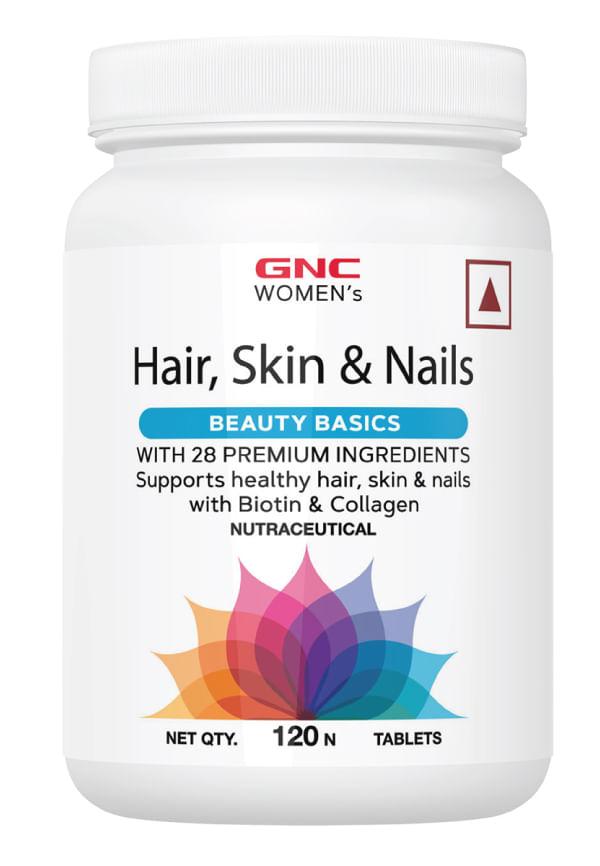
Women's Hair, Skin & Nails - For Stronger Hair, Clearer Skin, and Healthier Nails
Beyond hormones and genetics, several medical conditions and external factors can trigger hair loss in women. Understanding these connections helps identify the root cause and develop targeted treatment strategies.
Stress is a major trigger for temporary hair loss. Whether it's physical stress from illness, surgery, or extreme dieting, or emotional stress from major life changes, your hair follicles can respond by shifting into the resting phase prematurely. This condition, called telogen effluvium, typically shows up 2-3 months after the stressful event.
The good news about stress-related hair fall is that it's usually temporary. Once the stressor is removed and your body recovers, hair growth typically resumes within 6-12 months. However, chronic stress can lead to ongoing hair loss issues, making stress management crucial for long-term hair health.
Several organs are directly linked to hair health. The thyroid gland regulates metabolism and affects hair growth cycles. Ovaries produce hormones that influence hair density. Adrenal glands manage stress hormones that can impact hair follicles. When any of these systems are out of balance, hair loss often follows.
Autoimmune conditions like alopecia areata cause the immune system to attack hair follicles, resulting in patchy hair loss. Scalp infections, inflammatory conditions, and certain medications (including blood thinners, antidepressants, and chemotherapy drugs) can also trigger hair fall as a side effect.
Finding the right hair loss treatment women can rely on requires a personalised approach. What works for one person might not work for another, which is why understanding your specific triggers is so important.
Minoxidil is the only FDA-approved topical treatment specifically for female pattern hair loss. Available in 2% and 5% concentrations, it works by extending the growth phase of hair follicles and increasing blood flow to the scalp. Most women see results within 3-6 months of consistent use.
For hormonal hair loss, doctors might prescribe anti-androgen medications like spironolactone or finasteride (off-label for women). Professional procedures like platelet-rich plasma (PRP) therapy, low-level laser therapy, and hair transplants are also options for more advanced cases.
While there's no way to stop hair fall immediately, several natural approaches can support hair health over time. Scalp massage improves circulation and can help stimulate follicles. Essential oils like rosemary and peppermint have shown promise in small studies for promoting hair growth.
Dietary changes focusing on protein, iron-rich foods, and omega-3 fatty acids can provide the nutrients your hair needs. Managing stress through meditation, exercise, or therapy addresses one of the most common triggers of hair loss.
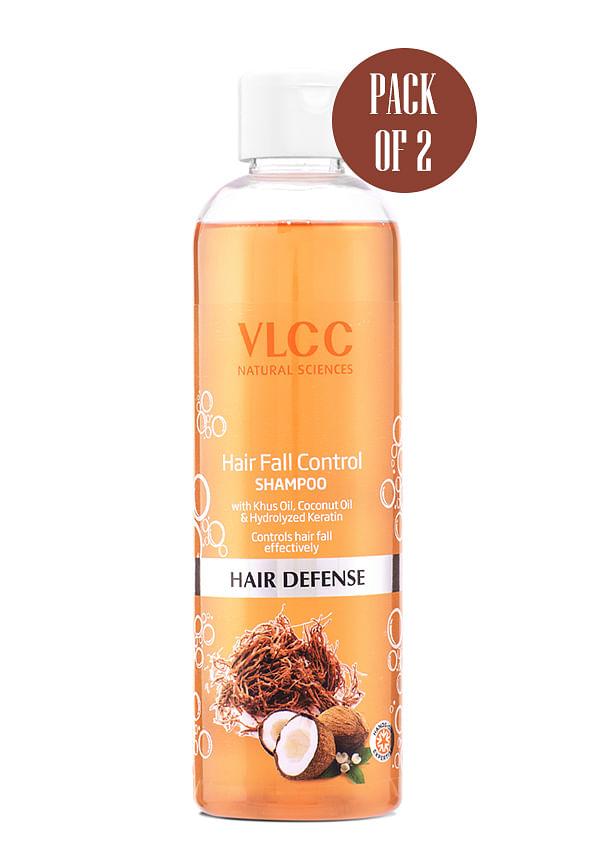
Hair Fall Control Shampoo with Buy One Get One
Prevention is always better than treatment when it comes to hair health. The strategies to prevent hair fall women can implement focus on maintaining optimal conditions for hair growth while minimising damage.
A balanced diet rich in protein, iron, vitamins, and minerals forms the foundation of healthy hair. Foods like salmon, eggs, spinach, nuts, and berries provide essential nutrients for hair growth. If dietary intake isn't sufficient, targeted supplements can help fill the gaps.
Iron supplements are particularly important for women with heavy periods or vegetarian diets. Vitamin D supplementation may benefit those with deficiencies, while biotin and other B-vitamins support keratin production. Always consult a healthcare provider before starting new supplements.
Gentle haircare practices can prevent unnecessary breakage and support existing hair health. Use a wide-tooth comb on wet hair, avoid tight hairstyles that pull on the scalp, and limit heat styling tools. When you do use heat, always apply a protective product first.
Choose shampoos and conditioners formulated for thinning hair, which are typically gentler and contain ingredients that support scalp health. Avoid products with harsh sulphates or heavy silicones that can weigh down fine hair.
Regrowing thinning hair requires patience and realistic expectations. Hair growth is slow – about half an inch per month – so visible improvements can take 3-6 months or longer. The key is consistency with whatever treatment approach you choose.
Most hair regrowth treatments require at least 3-4 months before you'll notice changes. Initial improvements might include reduced shedding rather than new growth. Full results from treatments like minoxidil can take 6-12 months to become apparent.
Track your progress with photos taken in consistent lighting and from the same angles. This helps you notice gradual improvements that might not be obvious day-to-day. Remember that some hair loss conditions respond better to treatment than others.
The most effective hair loss treatment women achieve often combines multiple approaches. Medical treatments like minoxidil work well alongside nutritional support and stress management. Professional monitoring helps adjust treatments based on your response and any side effects.
Long-term maintenance is crucial for sustained results. Most treatments need to be continued indefinitely to maintain benefits. This is why finding an approach you can stick with long-term is so important.
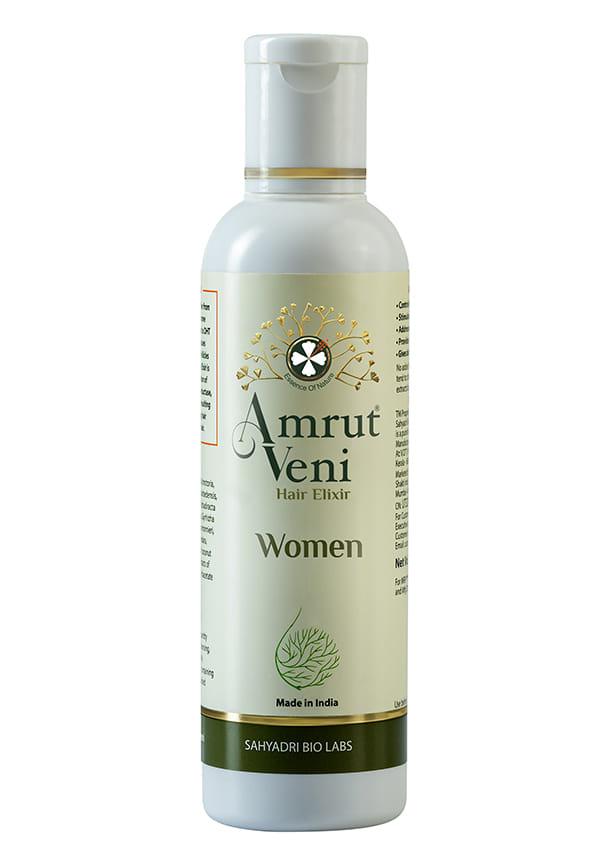
Hair Elixir Women
Hair fall in women can result from multiple factors including hormonal changes (particularly androgens, oestrogen fluctuations), nutritional deficiencies (iron, vitamin D, protein), genetics, stress, medical conditions like thyroid disorders or PCOS, and external factors such as harsh styling practices or certain medications. Often, it's a combination of several factors rather than a single cause.
Stopping hair fall requires identifying the underlying cause first. Start by consulting a dermatologist or trichologist for proper diagnosis. General steps include maintaining a balanced diet rich in protein and iron, managing stress levels, using gentle haircare products, avoiding tight hairstyles, and considering medical treatments like minoxidil if appropriate. Consistency with any chosen treatment approach is key.
Female hair loss treatment should be tailored to the specific type and cause. Options include FDA-approved topical treatments like minoxidil, hormonal therapies for PCOS-related hair loss, nutritional supplements for deficiencies, stress management techniques, and gentle haircare practices. Professional procedures like PRP therapy or low-level laser therapy may also be beneficial for some women.
Several organs affect hair health, but the thyroid gland is most commonly linked to hair loss. Both overactive and underactive thyroid conditions can cause diffuse hair thinning. The ovaries (affecting hormone production), adrenal glands (managing stress hormones), and even the liver (processing nutrients and hormones) also play important roles in maintaining healthy hair growth.
The reversibility of female hair loss depends on the underlying cause and how early treatment begins. Temporary hair loss from stress, nutritional deficiencies, or hormonal changes (like postpartum) often reverses completely with proper treatment. Genetic hair loss (female pattern baldness) can be slowed or partially reversed with consistent treatment, but complete reversal is less likely. Early intervention generally leads to better outcomes.
Consult a healthcare provider if you notice sudden, excessive hair shedding (more than 100 hairs daily), patchy bald spots, hair loss accompanied by scalp irritation or pain, or if hair loss is affecting your confidence and daily life. Also seek medical advice if you suspect an underlying condition like thyroid disease or PCOS, or if over-the-counter treatments haven't helped after 3-4 months of consistent use.
Understanding why women experience hair fall is the first step towards finding effective solutions. Whether it's hormonal fluctuations, nutritional gaps, stress, or genetic factors, identifying your specific triggers allows for targeted treatment approaches. Remember that hair regrowth takes time, and consistency with your chosen treatment plan is crucial for seeing results.
The most successful hair fall solutions often combine medical treatments with lifestyle modifications and proper haircare practices. Don't hesitate to seek professional help – dermatologists and trichologists can provide personalised treatment plans based on your specific situation. With the right approach and realistic expectations, most women can successfully manage hair loss and maintain healthy, fuller-looking hair.
Not sure which haircare products might work best for your specific hair concerns? Smytten offers trial-size versions of many hair treatments and styling products from trusted brands – a good way to test different formulations before committing to full-size purchases.
