Why Scalp Itches FAQ: Common Causes and Relief

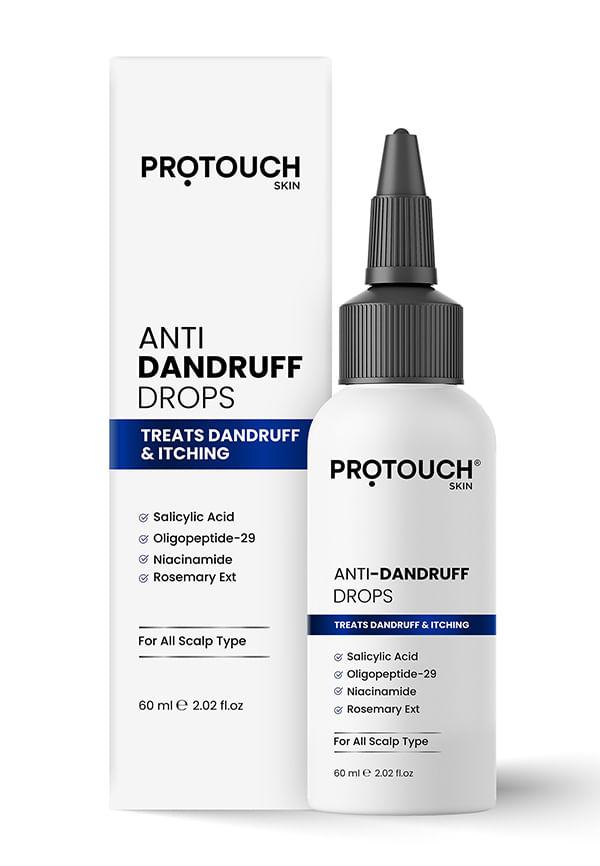
SKIN Anti Dandruff Drops Serum Soothes Itchy, Inflamed Scalp
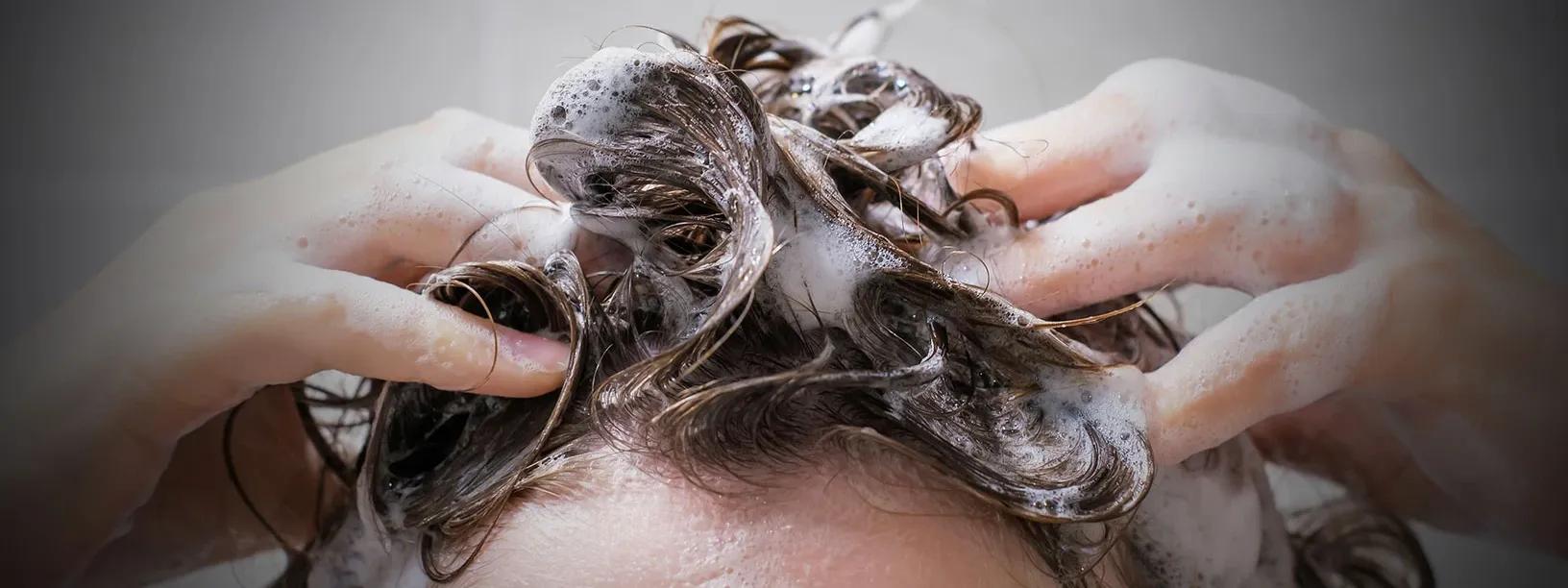
You know that moment when you're sitting in a meeting, trying to focus, but all you can think about is the maddening itch on your scalp? Or when you're lying in bed, finally ready to sleep, but your head feels like it's on fire with irritation? Let's be real—an itchy scalp is one of those things that can completely derail your day. The constant urge to scratch, the embarrassment of visible flakes, the frustration of not knowing what's causing it. If you've been googling "why scalp itches" at 2 AM, you're definitely not alone. Understanding what's behind that persistent itch is the first step to getting the relief you desperately need.
The truth is, your scalp can itch for loads of different reasons. Sometimes it's obvious—like when you've tried a new shampoo and suddenly your head feels like it's staging a revolt. Other times, it's trickier to pinpoint. Your scalp is basically an extension of your facial skin, which means it can react to everything from the weather to stress levels. The key is figuring out which of these common culprits might be behind your particular brand of scalp drama.
Here's the thing about dandruff—it's not just about dry skin flaking off. Real talk: dandruff happens when a yeast called Malassezia goes a bit wild on your scalp. This little troublemaker feeds on the oils your scalp naturally produces, and when it overgrows, it causes inflammation and those telltale white or yellowish flakes. Seborrheic dermatitis scalp conditions are basically dandruff's more intense cousin, often showing up as red, scaly patches that can be seriously itchy.
Plot twist: what you think is dandruff might actually be a dry scalp. Dry scalp happens when your skin barrier gets compromised—think harsh weather, hot showers, or over-washing. The flakes from dry scalp are usually smaller and whiter than dandruff flakes. If your scalp feels tight and the itching gets worse in winter, you're probably dealing with dryness rather than the yeast-related drama of actual dandruff.
Sometimes your scalp is basically throwing a tantrum because of something you're putting on it. Hair care products can contain ingredients that trigger allergic reactions—sulfates, fragrances, preservatives, you name it. Plus, if you're not washing thoroughly enough, product buildup can create the perfect environment for irritation. Your scalp needs to breathe, and when it's suffocated by layers of styling products, it's going to let you know.
Scalp psoriasis symptoms are pretty distinctive once you know what to look for. Instead of the fine flakes you get with dandruff, psoriasis creates thick, silvery scales that can extend beyond your hairline onto your forehead or neck. It's an autoimmune condition, which means your immune system is basically overreacting and causing rapid skin cell turnover. The itching can be intense, and the patches often feel raised and rough to the touch.
If you've noticed your scalp itching gets dramatically worse when you're trying to sleep, you're not imagining things. There are actual biological reasons why nighttime can turn your scalp into an itch fest. Understanding these patterns can help you tackle the problem more effectively and maybe actually get some decent sleep.
Your body's internal clock affects way more than just when you feel sleepy. At night, blood flow to your skin increases, which can make any existing irritation feel more intense. Plus, your body temperature naturally rises slightly during sleep, and warmth can amplify itchy sensations. Hormone levels also fluctuate throughout the day, and some of these changes can make your skin more reactive to irritants.
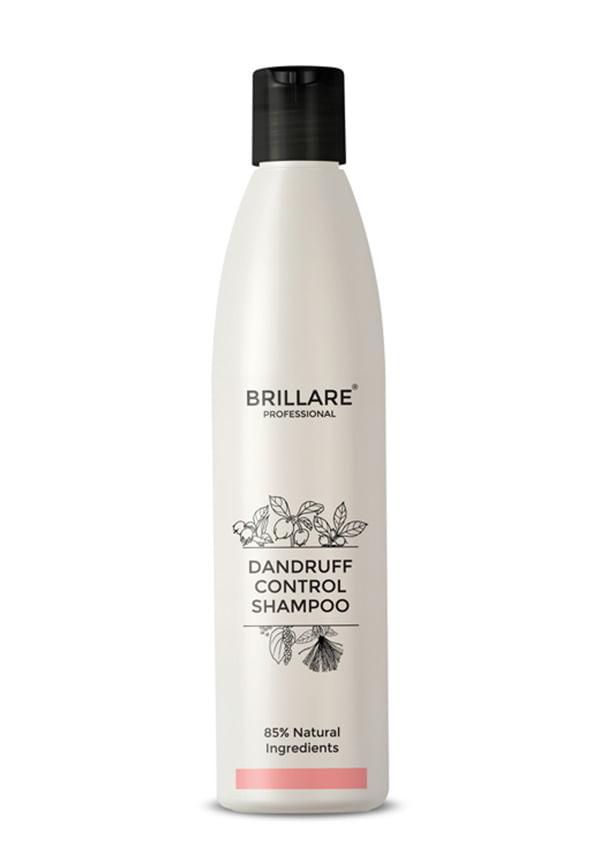
Dandruff Control Shampoo For Itchy, Flaky Scalp
Your pillow might be sabotaging your scalp without you realising it. Fabric softeners, detergents, and even the material of your pillowcase can trigger contact dermatitis. Cotton pillowcases can absorb oils and bacteria, creating a breeding ground for scalp irritation. Dust mites love warm, humid environments like your bed, and if you're allergic to them, your scalp might be reacting to their presence.
When your scalp is driving you mental with itching, you want relief now, not after a trip to the chemist. The good news is that your kitchen probably contains several ingredients that can help calm an angry scalp. These remedies won't cure underlying conditions, but they can provide much-needed temporary relief whilst you figure out the root cause.
For instant relief, try rinsing your scalp with cool water—heat will only make the itching worse. Apple cider vinegar diluted with water (about 1:3 ratio) can help restore your scalp's pH balance and has antimicrobial properties. Tea tree oil is brilliant for its anti-inflammatory effects, but always dilute it with a carrier oil like coconut oil. Aloe vera gel straight from the fridge can provide cooling relief and help reduce inflammation.
Coconut oil is your dry scalp's best mate—it penetrates the hair shaft and provides deep moisturisation. Warm it slightly and massage into your scalp, leaving it on for at least 30 minutes before washing. Oatmeal isn't just for breakfast; it contains compounds called avenanthramides that have anti-inflammatory properties. Blend oats into a fine powder, mix with water to make a paste, and apply to your scalp. Honey and yogurt together create a moisturising, probiotic-rich treatment that can help restore scalp health.
Green tea isn't just good for your insides—cooled green tea makes an excellent scalp rinse thanks to its anti-inflammatory properties. Chamomile has natural soothing compounds that can help calm irritated skin. Brew a strong chamomile tea, let it cool, and use it as a final rinse after shampooing. Witch hazel is a natural astringent that can help reduce inflammation and remove excess oil without over-drying.
Sometimes home remedies just aren't enough, and that's completely fine. Professional treatments exist for a reason, and there's no shame in needing something stronger to tackle persistent scalp issues. The key is matching the right treatment to your specific condition—what works for dandruff might not help with psoriasis, and vice versa.
Ketoconazole shampoos are antifungal powerhouses that target the yeast responsible for dandruff and seborrheic dermatitis. Selenium sulfide helps slow down skin cell turnover and has antifungal properties. Coal tar shampoos are particularly effective for scalp psoriasis because they help normalise skin cell production. Zinc pyrithione is gentler but still effective for mild dandruff and itching—it's often the first line of defence dermatologists recommend.
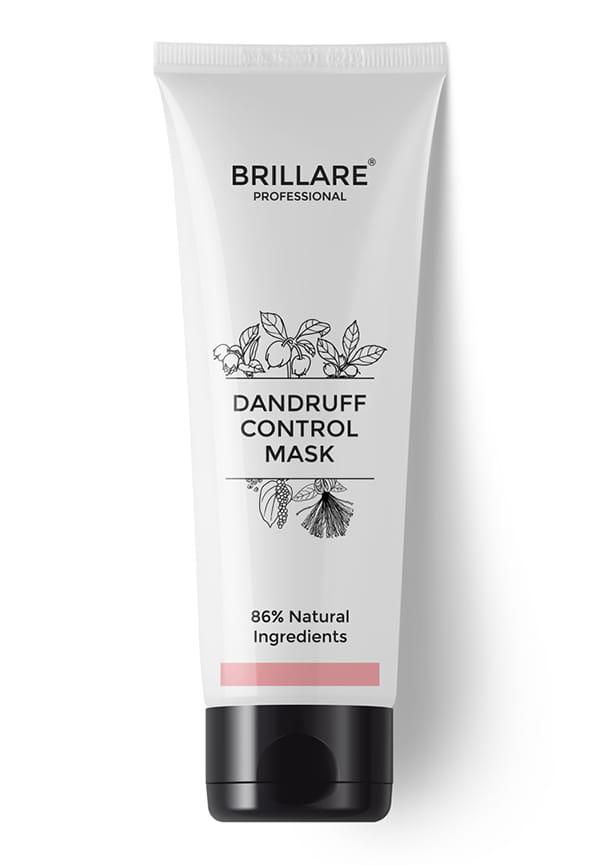
Conditioner For Itchy, Flaky Scalp
When over-the-counter options aren't cutting it, your doctor might prescribe topical corticosteroids to reduce inflammation quickly. Stronger antifungal medications can tackle stubborn yeast overgrowth. For autoimmune conditions like severe psoriasis, immunomodulators might be necessary to calm your immune system's overreaction. These treatments require medical supervision but can be game-changers for chronic scalp issues.
Prevention really is better than cure when it comes to scalp health. Building a routine that supports your scalp's natural balance can prevent many itching issues before they start. It's about being gentle, consistent, and paying attention to what your scalp is telling you. Small changes in your daily routine can make a massive difference in how your scalp feels and behaves.
How often you wash your hair depends on your scalp type, but generally, washing every other day or every few days is sufficient for most people. Use lukewarm water instead of hot—heat strips natural oils and can worsen irritation. Sulfate-free shampoos are gentler on sensitive scalps and won't disrupt your skin barrier as much. When you do shampoo, focus on your scalp rather than the lengths of your hair, and always follow with a conditioner to maintain moisture balance.
Your scalp needs protection from environmental stressors just like your facial skin does. UV rays can damage your scalp, especially if you have thinning hair or part your hair in the same place regularly. Wear a hat or use a UV-protective hair product when spending time outdoors. Pollution can also irritate sensitive scalps, so consider using products with antioxidants to create a protective barrier.
There's a real connection between stress and scalp itching—stress hormones can trigger inflammatory responses and make existing conditions worse. Regular exercise, adequate sleep, and stress-reduction techniques like meditation can actually improve your scalp health. When you're stressed, you're also more likely to scratch, which creates a vicious cycle of irritation and inflammation.
Whilst many scalp issues can be managed at home, some situations definitely warrant professional help. Knowing when to seek medical advice can save you time, discomfort, and potentially prevent more serious complications. Don't feel like you need to suffer through persistent scalp problems—dermatologists have seen it all and can provide targeted solutions.
If your itching is accompanied by hair loss, that's a sign something more serious might be going on. Open sores, bleeding, or signs of infection like pus or excessive redness need immediate attention. If a rash is spreading beyond your scalp to other areas of your body, or if you've tried over-the-counter treatments for two weeks without improvement, it's time to see a professional.
Dermatologists have tools to properly diagnose scalp conditions that might look similar to the untrained eye. They might perform a scalp biopsy if they suspect psoriasis or other autoimmune conditions. Fungal culture testing can identify specific types of yeast or bacteria causing problems. Allergy patch testing can pinpoint exactly which ingredients in your hair care products are triggering reactions.
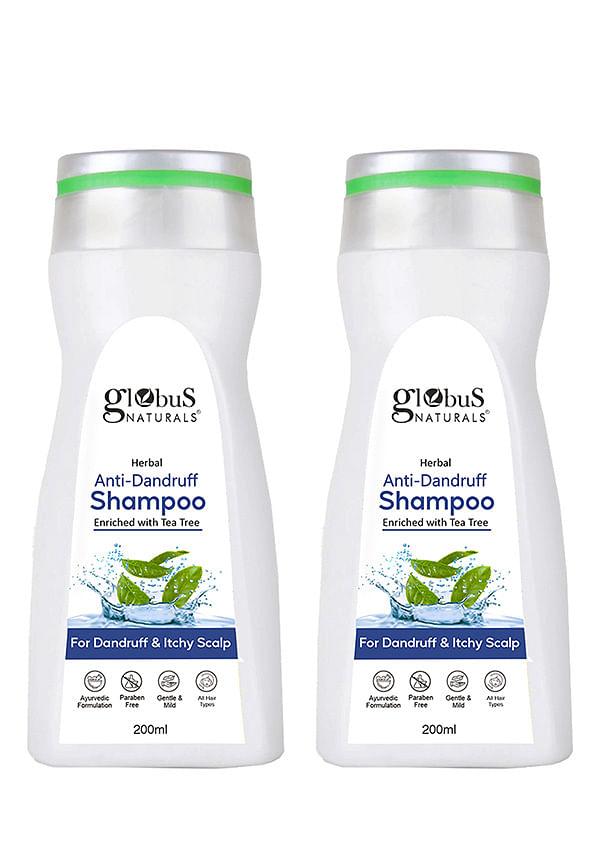
Anti Dandruff Shampoo, For Dandruff and Itchy Scalp
Breaking the itch-scratch cycle requires both physical and mental strategies. Keep your nails short to minimise damage if you do scratch. Apply a cool compress to the itchy area for 10-15 minutes to numb the sensation. Use anti-itch shampoos containing zinc pyrithione or ketoconazole. Try distraction techniques like squeezing a stress ball or engaging in activities that keep your hands busy. If the urge to scratch is overwhelming, gently pat or press the area instead of scratching.
Itchy scalp causes are varied and can include dandruff from yeast overgrowth, dry scalp from environmental factors or over-washing, allergic reactions to hair care products, seborrheic dermatitis, scalp psoriasis, product buildup, stress, and even certain medical conditions. The location and timing of the itching, along with other symptoms like flaking or redness, can help identify the specific cause.
There isn't a one-size-fits-all cure because treatment depends entirely on the underlying cause. Dandruff responds well to antifungal shampoos, whilst dry scalp needs moisturising treatments. Contact dermatitis requires identifying and avoiding trigger ingredients. Scalp psoriasis might need prescription medications. The key is proper diagnosis followed by targeted treatment—what works for one person's itchy scalp might not work for another's.
For immediate relief, rinse your scalp with cool water to reduce inflammation and remove irritants. Apply aloe vera gel or a cool compress for 10-15 minutes. Use a medicated shampoo if you have one available. Avoid scratching, which only makes inflammation worse. If you must touch the area, pat gently instead of scratching. Taking an antihistamine can also help if the itching is allergy-related.
Nighttime itching intensifies due to several factors: increased blood flow to the skin during sleep makes irritation more noticeable, fewer distractions mean you're more aware of itching sensations, dry indoor air can worsen scalp dryness, and allergens in bedding like dust mites or detergent residue can trigger reactions. Hormone fluctuations during sleep cycles can also affect skin sensitivity.
Permanent relief requires identifying and addressing the root cause rather than just treating symptoms. This might involve switching to gentler hair care products, managing underlying skin conditions like seborrheic dermatitis or psoriasis with appropriate medications, maintaining proper scalp hygiene, managing stress levels, and making lifestyle changes that support overall scalp health. Consistency with the right treatment approach is key to long-term success.
Dealing with an itchy scalp can feel like a never-ending battle, but understanding the why behind your particular scalp drama is half the victory. Whether you're dealing with dandruff, dryness, or something more complex like scalp psoriasis, there are solutions out there that can help. The key is being patient with the process—scalp issues often take time to resolve, and what works for your mate might not work for you.
Remember that your scalp is unique, and finding the right combination of products and treatments might take some trial and error. Start with gentle approaches and work your way up to stronger treatments if needed. Don't hesitate to seek professional help if home remedies aren't cutting it—there's no shame in needing expert guidance for persistent scalp issues.
If you're looking to experiment with different scalp care products without committing to full-size bottles, Smytten's curated selection includes trial-size versions of many scalp-soothing shampoos and treatments from trusted brands. It's a smart way to test what works for your specific scalp needs before investing in larger products—because finding your perfect scalp care routine shouldn't break the bank or leave you stuck with products that don't work for you.
