Why Itchy Flaky Scalp? FAQ: Common Causes & Solutions

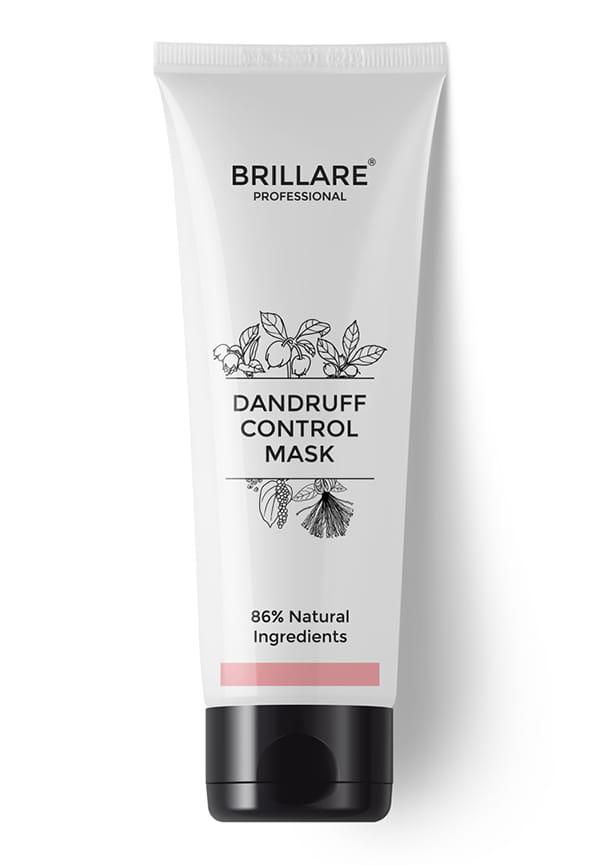
Conditioner For Itchy, Flaky Scalp
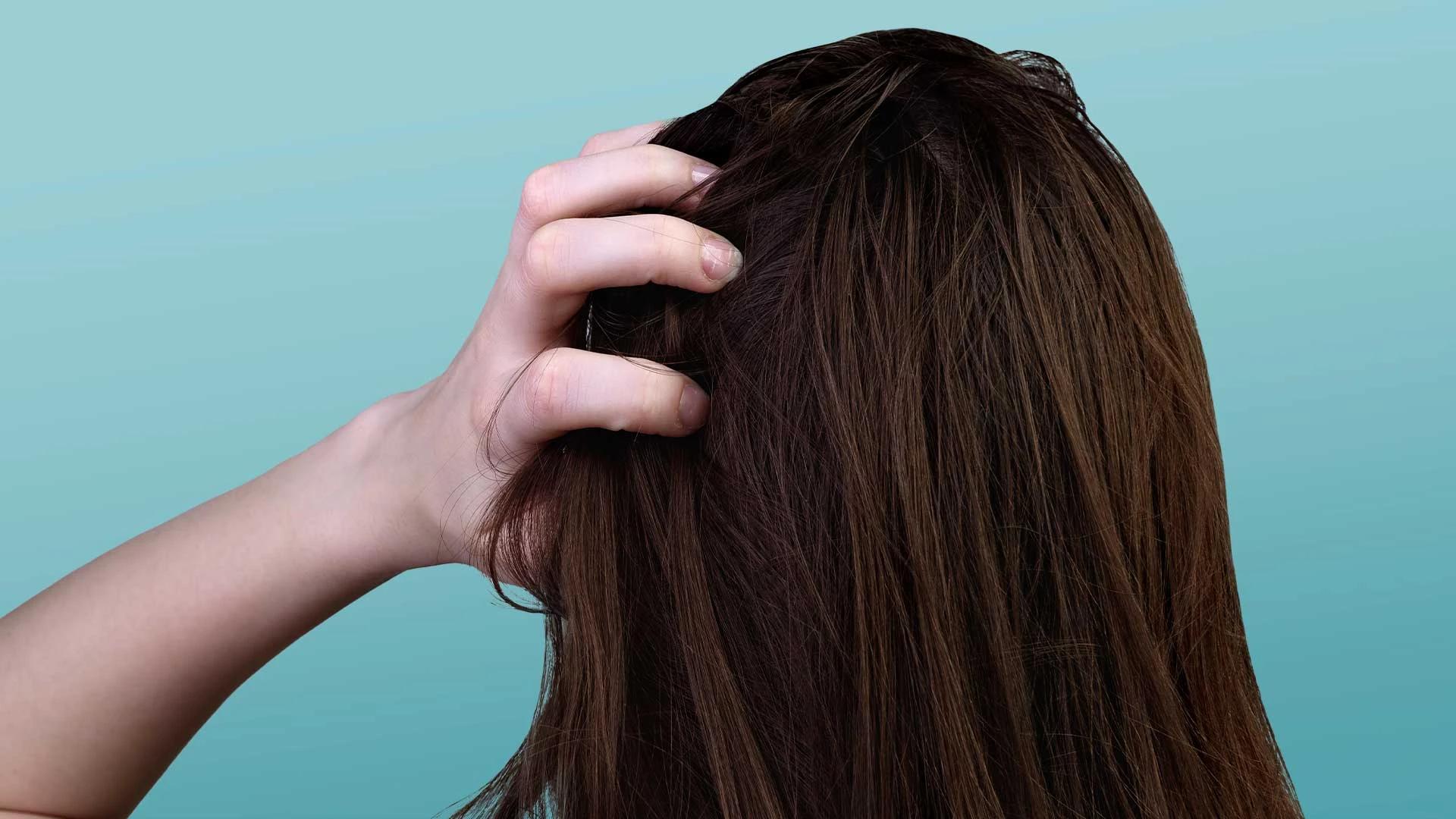
You know that moment when you're scrolling through your phone and suddenly realise you've been scratching your scalp for the past five minutes? Or when you're wearing a black top and notice those telltale white flakes on your shoulders? An itchy flaky scalp is one of those things that can make you feel self-conscious and frustrated, especially when you can't figure out why it's happening. The good news is that understanding the root causes can help you find the right solution and get back to feeling comfortable in your own skin.
Let's be real – there's no single answer to why itchy flaky scalp happens. Your scalp is basically a complex ecosystem, and when something throws it off balance, you'll feel it. The most common culprit is seborrheic dermatitis, which sounds fancy but is essentially your scalp's way of saying it's irritated. This condition creates oily, yellowish flakes and can make your scalp feel inflamed and tender.
Then there's the classic dry scalp versus dandruff confusion. Dry scalp produces small, white flakes and feels tight, whilst dandruff typically involves larger, oilier flakes. Product buildup is another major player – all those styling products, dry shampoos, and even regular shampoos can accumulate on your scalp, creating irritation and blocking your hair follicles.
Environmental factors play a huge role too. Winter heating systems can zap moisture from your scalp, whilst humid summer weather might trigger excess oil production. Hormonal fluctuations, particularly during menstruation, pregnancy, or times of stress, can also shift your scalp's oil balance and trigger scalp irritation.
Sometimes scalp conditions go beyond basic dryness or product reactions. Scalp psoriasis creates thick, silvery scales that can be quite stubborn and intensely itchy. Unlike regular dandruff, psoriasis patches often extend beyond the hairline and can appear on other parts of your body too.
Seborrheic dermatitis is particularly common and tends to flare up in areas where your skin produces more oil – like your scalp, eyebrows, and around your nose. Contact dermatitis happens when your scalp reacts to specific ingredients in hair products, creating red, itchy patches. Fungal infections, particularly from Malassezia yeast overgrowth, can also trigger persistent flaking and itching.
If your itchy scalp seems worse at bedtime, you're not imagining it. Your body temperature naturally rises in the evening, which can intensify itching sensations. Plus, after a full day of product buildup, environmental pollutants, and natural oil production, your scalp might be feeling overwhelmed.
Your pillow and bedding could also be contributing factors. Fabric softeners, detergents, or even the material of your pillowcase might be triggering contact dermatitis. Consider switching to a silk or satin pillowcase, which creates less friction and is gentler on both your hair and scalp.
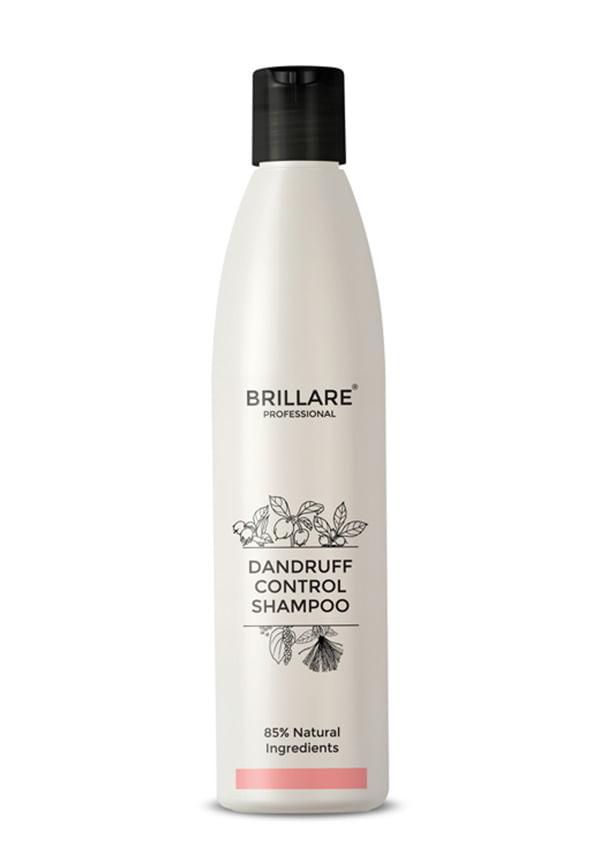
Dandruff Control Shampoo For Itchy, Flaky Scalp
When your scalp is driving you mad with itching, you need solutions that work fast. A cool water rinse can provide instant relief by reducing inflammation and washing away irritants. The cold temperature helps numb the itching sensation whilst gentle water pressure can dislodge loose flakes.
Apple cider vinegar is worth a try for its pH-balancing properties. Mix one part ACV with two parts water and apply it to your scalp for about 10 minutes before rinsing. The acidity helps restore your scalp's natural pH balance and has antimicrobial properties that can tackle fungal overgrowth.
Tea tree oil is another natural option with proven antifungal benefits. Always dilute it with a carrier oil like coconut or jojoba oil before applying, as pure tea tree oil can be too strong and might cause more irritation. A few drops mixed with your regular shampoo can also help.
For immediate cooling relief, try applying aloe vera gel directly to your scalp. Its anti-inflammatory properties can calm irritated skin whilst providing moisture. Keep a bottle in your fridge for an extra cooling effect when you need quick relief.
Real talk – fixing an itchy flaky scalp usually requires a consistent approach rather than quick fixes. Medicated shampoos containing zinc pyrithione, selenium sulfide, or ketoconazole can be game-changers for persistent dandruff causes. These ingredients target the underlying fungal overgrowth that often contributes to flaking and itching.
Your washing technique matters more than you might think. Lukewarm water is your friend – hot water can strip your scalp of natural oils and worsen dryness, whilst cold water might not effectively remove buildup. Focus on massaging the shampoo into your scalp rather than just your hair lengths, and always rinse thoroughly to prevent product residue.
Gentle scalp exfoliation can help remove dead skin cells and product buildup without causing additional irritation. You can use a soft-bristled brush or even just your fingertips to gently massage your scalp whilst shampooing. Avoid harsh scrubbing, which can worsen inflammation.
For dry scalp specifically, incorporating regular deep conditioning treatments can help restore moisture balance. Look for ingredients like hyaluronic acid, ceramides, or natural oils that can penetrate the scalp and provide lasting hydration.
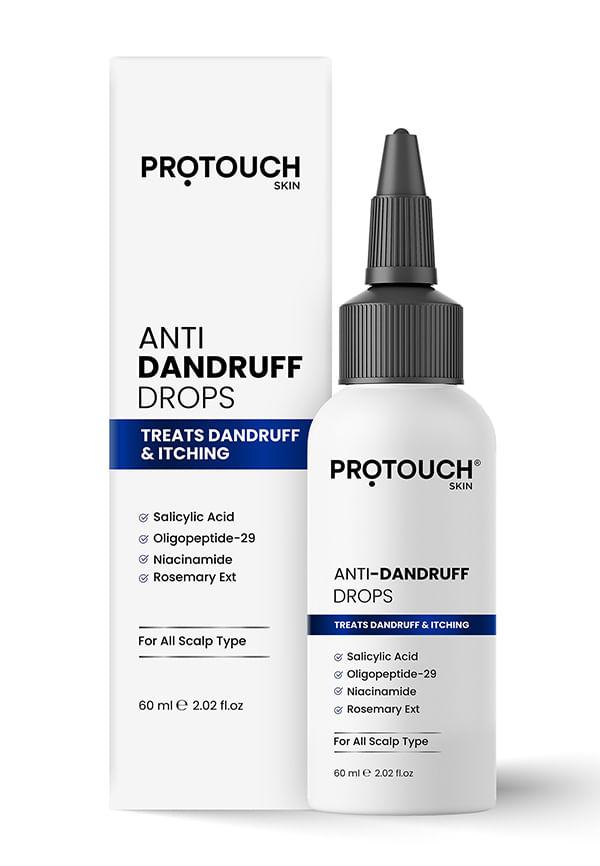
SKIN Anti Dandruff Drops Serum Soothes Itchy, Inflamed Scalp
When shopping for haircare for itchy scalp, ingredient lists become your best friend. Avoid products with sulfates, which can be too harsh for sensitive scalps, and steer clear of heavy fragrances or alcohol-based formulas that might trigger further irritation.
Instead, look for gentle, pH-balanced formulas with soothing ingredients like chamomile, oatmeal, or niacinamide. These can help calm inflammation whilst still effectively cleansing your hair and scalp.
Sometimes DIY solutions aren't enough, and that's completely normal. If your scalp conditions persist despite trying over-the-counter treatments for several weeks, or if you're experiencing severe itching, bleeding, or hair loss, it's time to see a dermatologist.
Professional treatments might include prescription-strength antifungal shampoos, topical steroids for inflammation, or even light therapy for conditions like scalp psoriasis. A dermatologist can also perform tests to identify specific triggers or underlying conditions that might be contributing to your scalp issues.
Don't feel embarrassed about seeking professional help – scalp health is an important part of overall wellness, and getting the right treatment can significantly improve your quality of life.
Dry scalp produces small, white flakes and feels tight or itchy due to lack of moisture. Dandruff typically involves larger, oilier flakes caused by fungal overgrowth or seborrheic dermatitis. Dry scalp responds well to moisturising treatments, whilst dandruff usually requires antifungal ingredients.
Absolutely. Foods high in sugar or processed ingredients can trigger inflammation throughout your body, including your scalp. Omega-3 fatty acids, zinc, and B vitamins support healthy skin and scalp function. Staying hydrated also helps maintain your scalp's moisture balance.
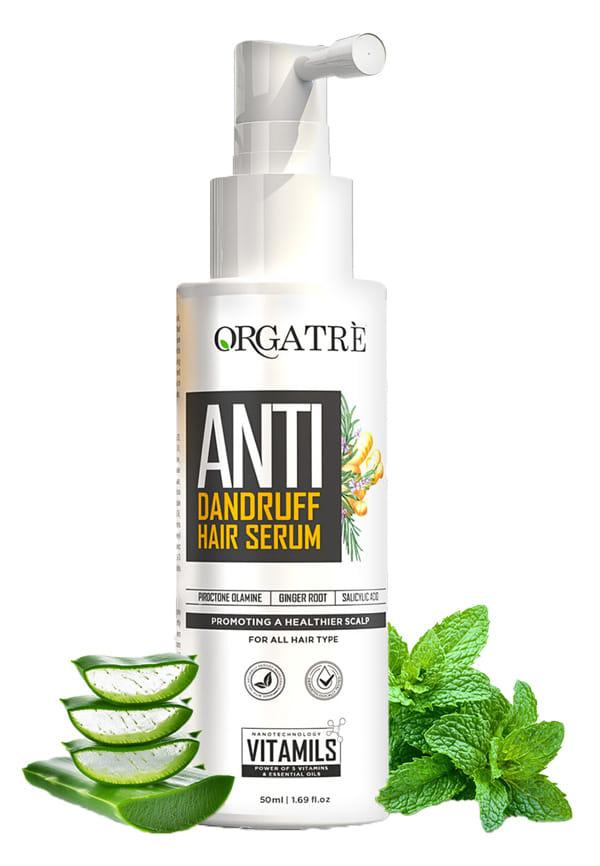
Anti Dandruff Hair Serum | Treatment for Dandruff, Flaky & Dry Scalp
Most people notice some improvement within 2-4 weeks of consistent treatment. However, complete resolution can take 6-8 weeks, especially for conditions like seborrheic dermatitis or scalp psoriasis. Be patient and consistent with your chosen treatment approach.
Most scalp conditions aren't contagious. Dandruff, seborrheic dermatitis, and scalp psoriasis can't be passed from person to person. However, some fungal infections can be contagious, so it's worth getting persistent symptoms checked by a healthcare professional.
Winter weather creates the perfect storm for scalp irritation. Indoor heating systems reduce humidity, whilst cold outdoor air can strip moisture from your skin. Hot showers (which feel amazing in winter) can further dry out your scalp. Using a humidifier and slightly cooler water can help.
Yes, stress can definitely trigger or worsen scalp conditions. When you're stressed, your body produces more cortisol, which can increase oil production and inflammation. Stress can also weaken your immune system, making you more susceptible to fungal overgrowth that contributes to dandruff.
Understanding why itchy flaky scalp happens is the first step towards finding relief. Whether you're dealing with simple dryness, seborrheic dermatitis, or another scalp condition, the right combination of gentle care, appropriate products, and patience can make a significant difference. Remember that everyone's scalp is different, so what works for your friend might not work for you – and that's perfectly normal.
The key is to start with gentle, consistent care and gradually introduce targeted treatments based on your specific symptoms. If over-the-counter solutions aren't cutting it after a few weeks, don't hesitate to consult a dermatologist for personalised advice.
Finding the right products for your scalp can feel overwhelming with so many options available. Smytten's curated selection includes gentle, effective haircare options from trusted brands, and their trial-size versions let you test different formulas before committing to full bottles – particularly helpful when you're trying to identify what works best for your sensitive scalp.
