Why Is My Scalp FAQ: Itching, Dryness, and Redness Explained

Conditioner For Itchy, Flaky Scalp
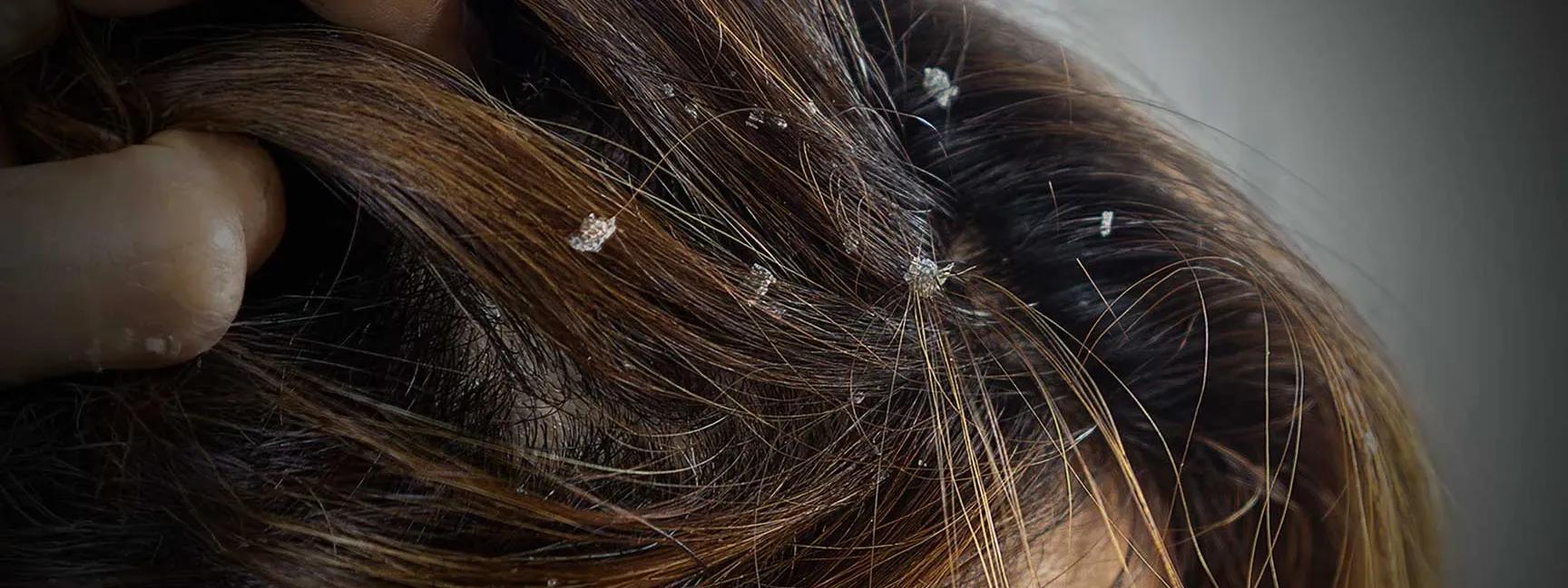
You know that moment when you catch yourself scratching your head during a Zoom call, or when you notice white flakes on your black top right before an important meeting? We've all been there. Your scalp is basically sending you an SOS signal, but decoding what it actually needs can feel like solving a puzzle. Whether it's that annoying itch that won't quit, dryness that makes your scalp feel like sandpaper, or redness that has you worried, understanding why your scalp is acting up is the first step to getting it sorted.
Let's be real — your scalp is skin, just like the rest of your body, but it's got some unique challenges. It's constantly covered by hair, which creates a warm, sometimes humid environment that can be a breeding ground for issues. A healthy scalp should feel comfortable, look relatively clear, and not draw attention to itself. When things go wrong, you'll notice symptoms like scalp itching, visible flakes, redness, or that tight, uncomfortable feeling that makes you want to scratch constantly.
Your scalp has sebaceous glands that produce natural oils to keep both your scalp and hair moisturised. When this delicate balance gets disrupted — whether by weather, products, stress, or underlying conditions — that's when problems start. The good news? Most scalp issues are totally manageable once you understand what's causing them.
A healthy scalp feels comfortable and looks relatively clear with minimal flaking. You shouldn't notice it throughout the day, and your hair should grow normally without excessive shedding. Signs of scalp distress include persistent itching, visible redness or inflammation, excessive flaking, tight or painful sensations, and unusual odours.
Environmental factors play a huge role in scalp health. Cold weather and indoor heating can strip moisture, while pollution and UV exposure can irritate sensitive skin. Product buildup from styling products, dry shampoo, or even regular shampoo can clog follicles and cause irritation. Stress affects your entire body, including your scalp, and hormonal changes during periods, pregnancy, or menopause can trigger various scalp issues.
Scalp itching is probably the most frustrating scalp issue because it's so hard to ignore. The urge to scratch can be overwhelming, but understanding the root cause helps you tackle it properly rather than just treating the symptom.
Dandruff affects nearly half the population at some point, so you're definitely not alone if you're dealing with it. It's caused by an overgrowth of Malassezia, a yeast that naturally lives on your scalp. When it multiplies too quickly, it irritates your scalp and speeds up skin cell turnover, leading to those telltale white or yellow flakes.
Sometimes what looks like dandruff is actually just a dry scalp. The flakes from dry scalp are typically smaller and whiter than dandruff flakes, and your scalp might feel tight or uncomfortable. This can happen from over-washing, using harsh shampoos with sulfates, or simply from dry weather conditions.
Contact dermatitis from hair products is more common than you'd think. New shampoos, conditioners, hair dyes, or styling products can trigger allergic reactions. Scalp psoriasis creates thick, silvery scales and can be quite itchy, while fungal infections might cause circular patches of hair loss along with itching.
Dandruff Control Shampoo For Itchy, Flaky Scalp
A dry scalp can make your entire head feel uncomfortable, and it often gets worse before you realise what's happening. Unlike dandruff, which is caused by too much oil and yeast, dry scalp happens when your scalp doesn't produce enough natural oils or when those oils get stripped away.
Winter weather is brutal on scalps. Cold air outside and heated indoor environments create the perfect storm for dryness. Your scalp loses moisture just like the skin on your face and hands. Sun exposure can also damage your scalp, especially if you have thin hair or part your hair in the same spot regularly.
Sulfate shampoos, while great at cleaning, can be too harsh for some people and strip away natural oils. Alcohol-based styling products, frequent heat styling, and chemical treatments like colouring or perming can all contribute to scalp dryness. Even washing your hair too frequently can disrupt your scalp's natural oil production.
Eczema can affect your scalp just like other parts of your body, causing dryness, itching, and sometimes redness. Thyroid disorders can affect your skin's ability to retain moisture, and as we age, our skin naturally produces less oil, which can lead to increased dryness.
Redness on your scalp is your skin's way of telling you something is irritating it. This scalp inflammation can range from mild irritation to more serious conditions that need professional attention.
Seborrheic dermatitis is like dandruff's more intense cousin. It causes red, scaly patches that can be quite itchy and may extend beyond your hairline to your eyebrows, nose, or ears. Scalp psoriasis creates thick, red patches covered with silvery scales and can be quite uncomfortable.
Sometimes redness comes with actual scalp pain. Tight hairstyles like ponytails, braids, or buns can cause traction and inflammation. Sunburn on your scalp is more common than people realise, especially if you have thin hair or spend time outdoors with your hair parted. Some people also experience nerve sensitivity that can make their scalp feel tender or painful.
While most scalp redness is manageable, some signs warrant a trip to the doctor. If you notice spreading redness, pus-filled bumps, fever, or hair loss in patches, it's time to see a professional. Bacterial or fungal infections need proper treatment, and some autoimmune conditions can first show up as scalp problems.
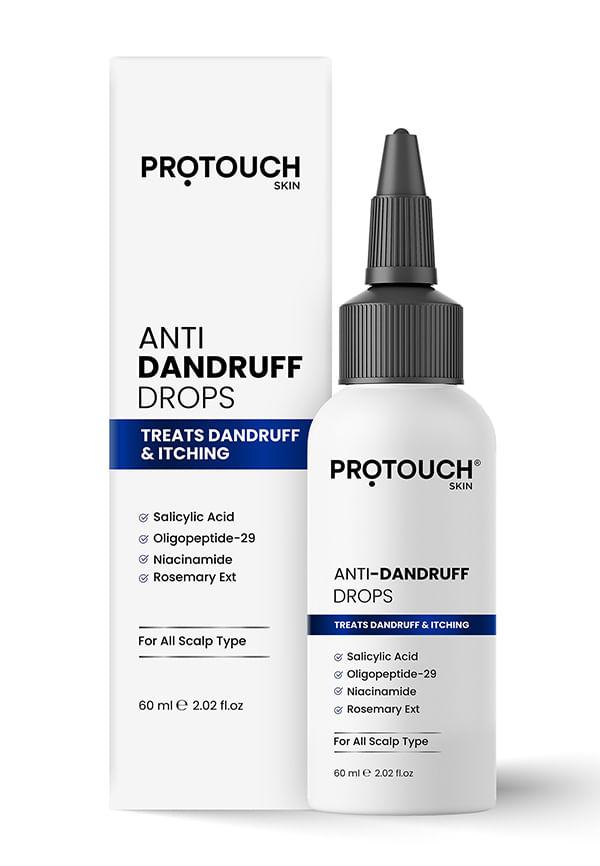
SKIN Anti Dandruff Drops Serum Soothes Itchy, Inflamed Scalp
An oily scalp might seem like the opposite problem from dryness, but it can be just as frustrating. When your sebaceous glands go into overdrive, it creates its own set of challenges.
Hormones play a huge role in oil production. Teenagers often deal with oily scalps due to hormonal changes, but adults can experience this too, especially during hormonal fluctuations. Genetics also matter — if your parents had oily skin or scalps, you might too. Stress and diet can also influence how much oil your scalp produces.
Excess oil can actually make dandruff worse because it feeds the Malassezia yeast. Your hair might look greasy within a day of washing, and you might notice clogged follicles or even scalp acne. The irony is that over-washing to combat oiliness can actually trigger your scalp to produce even more oil.
When your scalp is driving you mad with itching or discomfort, you need relief fast. Here are some strategies that can help calm things down while you work on addressing the underlying cause.
Cool water can provide instant relief for an itchy scalp. Rinse your hair with cool water and gently massage your scalp with your fingertips — never your nails. Natural ingredients like aloe vera gel or diluted tea tree oil can provide soothing relief. If you must scratch, try gently patting or pressing the itchy area instead.
Gentle exfoliation can help remove flakes without irritating your scalp further. You can use a soft brush or even gently massage with a damp cloth. For dry scalp, look for moisturising treatments with ingredients like hyaluronic acid or ceramides. If you're dealing with dandruff, anti-fungal ingredients like ketoconazole or zinc pyrithione can be effective.
When your scalp is sensitive, product choice becomes crucial. Look for sulfate-free shampoos that won't strip your scalp, and avoid products with strong fragrances or alcohol. pH-balanced formulations are gentler on sensitive skin. Ingredients to avoid include harsh sulfates, alcohol, and strong fragrances, while beneficial ingredients include ceramides, hyaluronic acid, and gentle cleansing agents.
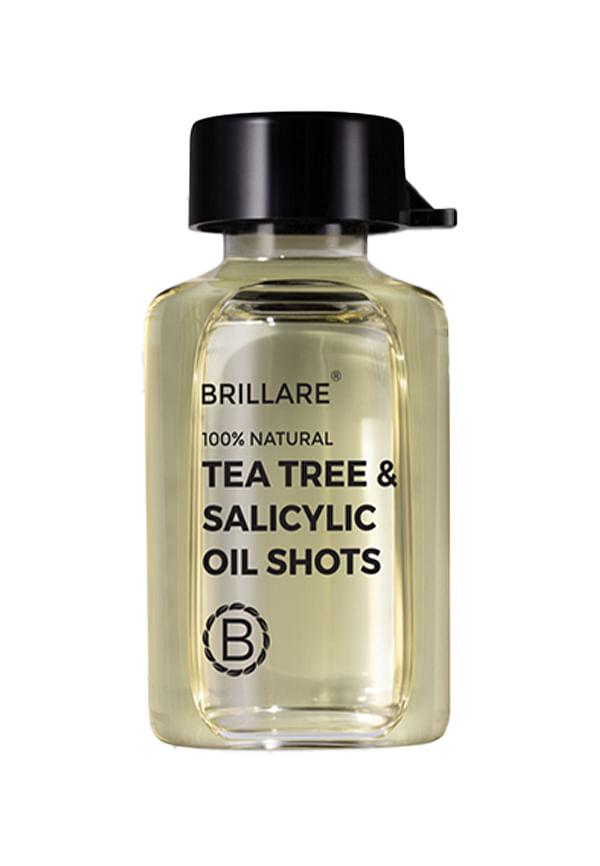
Tea Tree & Salicylic Oil Shots For Dry, Itchy Scalp to Fights Dandruff
Nighttime itching often feels worse because you're not distracted by daily activities, making you more aware of the sensation. Your body temperature rises slightly at night, which can increase itching. Additionally, if you're not washing your pillowcases regularly, allergens like dust mites or product buildup can irritate your scalp while you sleep.
Sometimes scalp itching has internal causes that aren't visible on the surface. Stress, hormonal changes, or dietary factors can trigger itching without obvious external signs. You might also be in the early stages of a scalp condition before visible symptoms appear, or dealing with microscopic irritants that aren't immediately apparent.
Coconut oil can be helpful for some people with dry, itchy scalps because of its moisturising properties and mild antimicrobial effects. However, if your itchy scalp is caused by dandruff or seborrheic dermatitis, coconut oil might actually make things worse by feeding the yeast that causes these conditions. It's worth trying, but discontinue use if your symptoms worsen.
Permanent relief requires identifying and addressing the root cause of your scalp itching. This might mean switching to gentler hair products, managing stress levels, treating underlying skin conditions, or making lifestyle changes. For persistent issues, consulting with a dermatologist can help you develop a long-term management plan tailored to your specific situation.
Dandruff flakes are typically larger, yellowish, and oily, while dry scalp flakes are smaller, white, and dry. Dandruff is caused by yeast overgrowth and excess oil, whereas dry scalp results from insufficient moisture. The treatments are different too — dandruff needs anti-fungal ingredients, while dry scalp needs moisturising care.
Absolutely. Stress affects your immune system and can trigger or worsen conditions like dandruff, seborrheic dermatitis, and even hair loss. Stress hormones can also increase oil production or disrupt your scalp's natural balance. Managing stress through exercise, meditation, or other relaxation techniques can genuinely improve your scalp health.
It depends on your specific issue. For dandruff, you might need to wash more frequently with medicated shampoo. For dry scalp, less frequent washing with gentle, moisturising products is usually better. Oily scalps might benefit from daily washing, but be careful not to over-strip the scalp. The key is finding the right balance for your particular situation.
See a healthcare professional if your symptoms persist for more than two weeks despite trying over-the-counter treatments, if you notice hair loss, if there are signs of infection like pus or fever, or if the condition is significantly affecting your quality of life. A dermatologist can properly diagnose your condition and recommend appropriate treatment.
Dealing with scalp issues can be frustrating, but remember that most problems are totally manageable once you understand what's causing them. The key is being patient with the process — scalp conditions often take time to improve, and what works for your friend might not work for you. Pay attention to how your scalp responds to different products and environmental factors, and don't be afraid to adjust your routine as needed.
Whether you're dealing with scalp itching, dryness, redness, or any combination of issues, the right products and routine can make a huge difference. Smytten's curated selection includes gentle, effective scalp care products from trusted brands, with options for every scalp type and concern. Plus, with their cashback system and India-wide delivery, you can explore different solutions without the commitment of full-size purchases. Not sure which products might work for your specific scalp concerns? Smytten also offers trial-size versions of many scalp care products — a smart way to test what works before investing in full bottles.
