Why Hair Thinning Happens to Women: Your FAQ

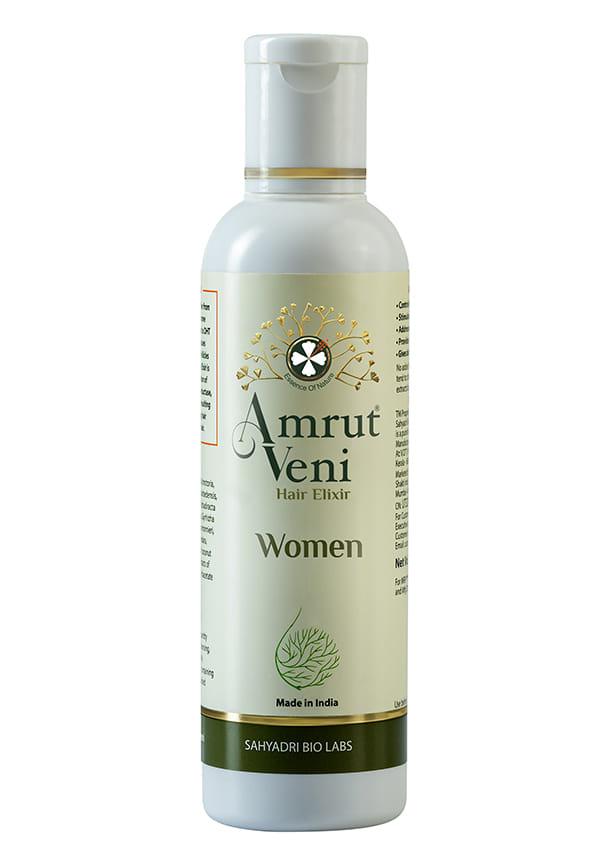
Hair Elixir Women
You're standing in front of the mirror, running your fingers through your hair, and there's that sinking feeling again. Your ponytail feels thinner, your parting looks wider, and you're finding more strands on your pillow than you'd like. If this sounds familiar, you're definitely not alone. Hair thinning affects millions of women worldwide, yet it's still wrapped in so much confusion and worry. Let's get real about what's actually happening up there and why your hair might be staging its own quiet rebellion.
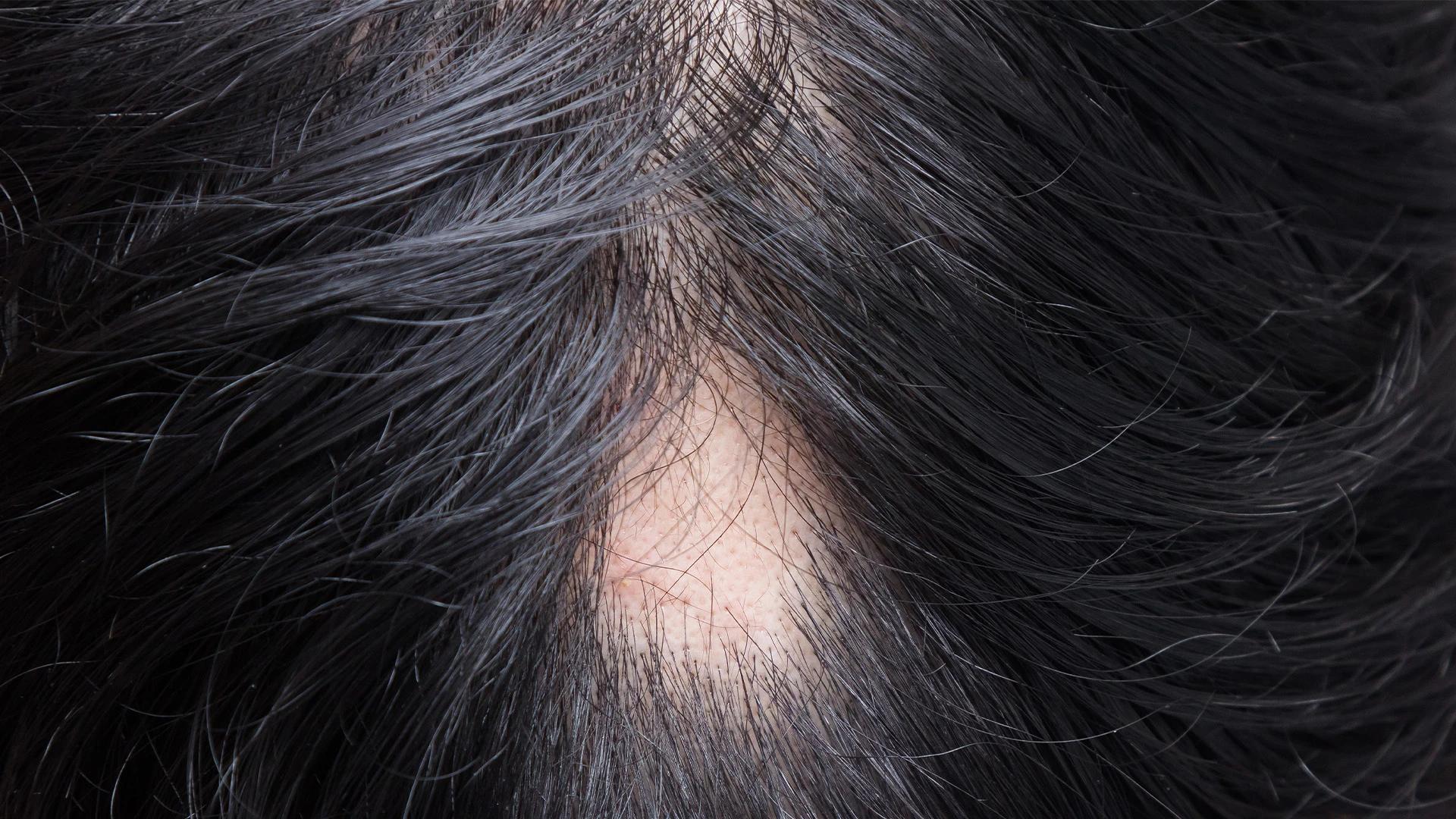
First things first—hair thinning isn't the same as going completely bald. While hair loss women experience can feel dramatic, thinning usually means your individual strands are becoming finer, your overall hair density is decreasing, or both. Think of it like this: if your hair was once a thick novel, thinning turns it into more of a magazine—still there, just not as substantial.
Your hair follows a natural growth cycle that lasts about two to seven years. During this time, each strand grows, rests, then falls out to make room for new growth. Normally, you lose about 50 to 100 hairs daily without even noticing. But when this cycle gets disrupted—whether by hormones, stress, or other factors—you might start losing more hair than you're growing back.
Here's something that might surprise you: studies show that about 40% of women experience noticeable hair thinning by age 40. By the time women reach menopause, that number jumps to around 50%. So if you're dealing with this, you're in pretty massive company. Female hair thinning causes are incredibly varied, which means there's usually something that can be done about it once you figure out what's going on.
Understanding why hair thinning women experience happens is like being a detective—you need to look at all the clues. Sometimes it's one obvious culprit, but often it's a combination of factors working together to mess with your hair's natural rhythm.
Hormones are basically the puppet masters of your hair growth, and when they go haywire, your hair often follows suit. Pregnancy can give you the most gorgeous, thick hair of your life, only to have it fall out in clumps a few months after delivery. This postpartum shedding is completely normal and usually sorts itself out within a year.
Then there's menopause, where declining oestrogen levels can trigger female pattern baldness. PCOS is another major player—the excess androgens can make your hair follicles shrink over time. Thyroid issues, whether your thyroid is overactive or underactive, can also throw your hair growth cycle completely off track.
Your hair is basically a non-essential tissue, which means your body will redirect nutrients to more vital organs when you're running low. Iron deficiency is huge—especially for women who have heavy periods. Low vitamin D, B vitamins, and protein can all contribute to thinning hair. It's like trying to build a house without enough bricks.
Chronic stress floods your system with cortisol, which can push hair follicles into their resting phase prematurely. Physical stress from illness, surgery, or crash dieting can trigger something called telogen effluvium—basically, your hair goes into shock and starts falling out about three months later. Poor sleep and extreme lifestyle changes can also mess with your hair's natural rhythm.
Autoimmune conditions like alopecia areata can cause patchy hair loss, while certain medications—from blood thinners to antidepressants—list hair loss as a side effect. Scalp health women need to consider includes conditions like seborrheic dermatitis or fungal infections that can damage follicles over time.
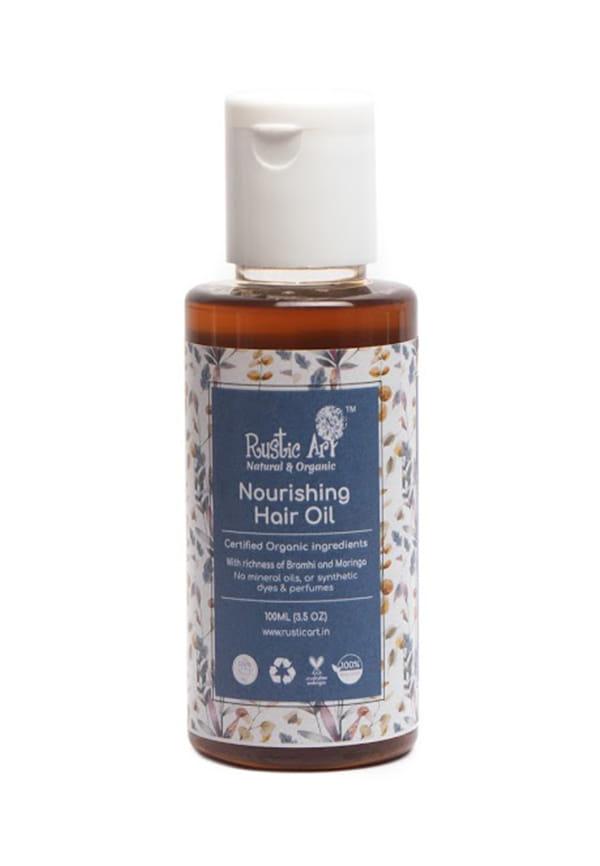
Organic Nourishing Hair Oil
Hair thinning doesn't follow a one-size-fits-all timeline. What's happening in your twenties is probably very different from what's going on in your forties, and understanding these patterns can help you figure out the best approach for your situation.
If you're noticing thinning hair in your twenties, genetics are often the main culprit. Female pattern baldness can start surprisingly early, usually beginning with a widening part or thinning at the crown. Lifestyle factors like extreme dieting, over-styling, or high stress from studies or early career pressures can also play a role. The good news? Early intervention often works best.
This is when hormonal shifts start becoming more noticeable, even before menopause officially begins. Pregnancy and postpartum changes are common during this decade. Career stress, juggling family responsibilities, and the general chaos of this life stage can all impact your hair. You might also start noticing that your hair texture is changing—becoming finer or less dense overall.
Menopause is like the ultimate hair plot twist. Declining oestrogen levels mean less protection for your hair follicles, while any genetic predisposition to thinning becomes more apparent. The good news is that there are more treatment options available now than ever before, and many women find effective ways to manage and even improve their hair density during this stage.
Now for the part you've probably been waiting for—what can actually be done about thinning hair? The world of hair thinning treatment has come a long way, and there are options ranging from simple lifestyle changes to medical interventions.
Minoxidil is probably the most well-known treatment, and it's available over the counter in 2% and 5% strengths for women. It works by increasing blood flow to hair follicles and can help slow thinning and promote regrowth. Some doctors also prescribe oral medications like spironolactone, which blocks androgens that contribute to hair loss.
If you're dealing with nutritional deficiencies, targeted supplements can make a real difference. Iron supplements for anaemia, vitamin D for deficiency, or biotin for overall hair health might be recommended. Always check with a healthcare provider before starting any supplements, though—more isn't always better.
Scalp massage isn't just relaxing—it can actually improve blood circulation to your hair follicles. Some studies suggest that regular scalp massage might help with hair density improvement over time. Essential oils like rosemary and peppermint have shown promise in small studies, though they're not miracle cures.
Managing stress through meditation, exercise, or therapy can help if stress is contributing to your hair loss. Getting adequate sleep, eating a balanced diet rich in protein and nutrients, and avoiding crash diets all support healthy hair growth.
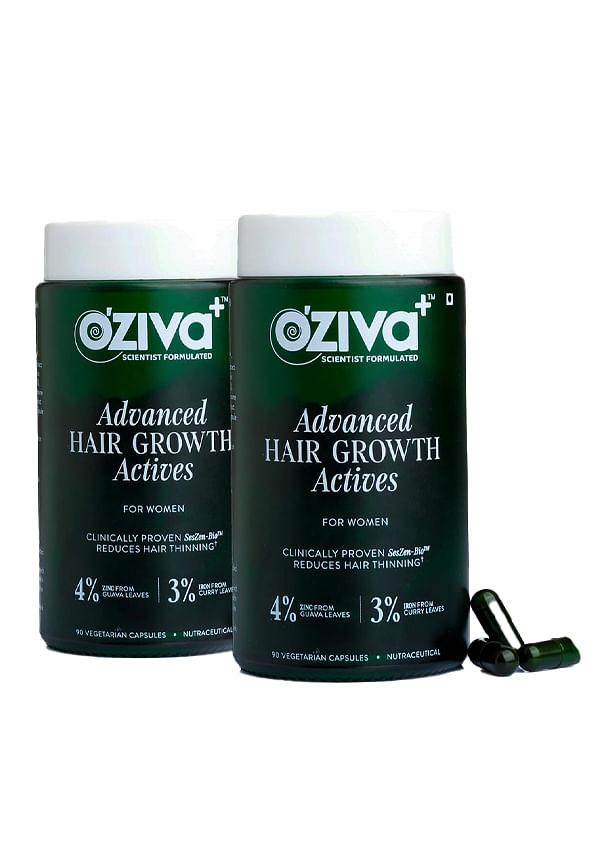
Advanced Hair Growth Actives | Anti-Thinning Hair Formula for Women
Good Product
 5
5“good product”
Good product, I like it
5“good product i like it it feels when I use it”
Nice Product
4“nice product.....thank you smytten”
For more severe cases, there are advanced options like platelet-rich plasma (PRP) therapy, where your own blood is processed and injected into your scalp to stimulate growth. Low-level laser therapy devices are also available, though results vary. Hair transplants are an option for some women, though they're typically recommended only after other treatments haven't worked.
The right haircare routine can make a massive difference in how your thinning hair looks and feels. It's not about expensive products or complicated routines—it's about being gentle and strategic with what you're already doing.
Sulfate-free shampoos are your friend when dealing with thinning hair. They clean without stripping away natural oils that help protect your scalp and remaining hair. You don't need to wash daily—every other day or even twice a week might be plenty, depending on your hair type and lifestyle.
When conditioning, focus on the mid-lengths and ends rather than the roots. Heavy conditioners near your scalp can weigh down fine hair and make thinning more obvious. Look for lightweight, volumising formulas that won't leave residue.
Volume boosting haircare starts with how you style your hair. Blow-drying with a round brush can create lift at the roots, while using a heat protectant prevents damage that could worsen thinning. Avoid tight hairstyles that pull on your hair—think loose ponytails, gentle braids, and styles that don't create tension on your scalp.
Strategic layering can also make thin hair appear fuller. A good stylist can create the illusion of density through clever cutting techniques that work with your hair's natural texture and growth patterns.
When shopping for products, look for ingredients like biotin, keratin, and peptides that can help strengthen existing hair. Caffeine-infused products might help stimulate the scalp, while niacinamide can improve scalp health. Avoid harsh sulfates, heavy silicones that build up, and alcohol-based products that can dry out your hair and scalp.
Stopping hair thinning usually requires identifying and addressing the underlying cause. This might mean managing stress, correcting nutritional deficiencies, adjusting medications with your doctor's help, or starting treatments like minoxidil. The key is early intervention—the sooner you address thinning, the better your chances of slowing or stopping the process. Gentle haircare routines, avoiding damaging styling practices, and maintaining good scalp health all play important roles too.
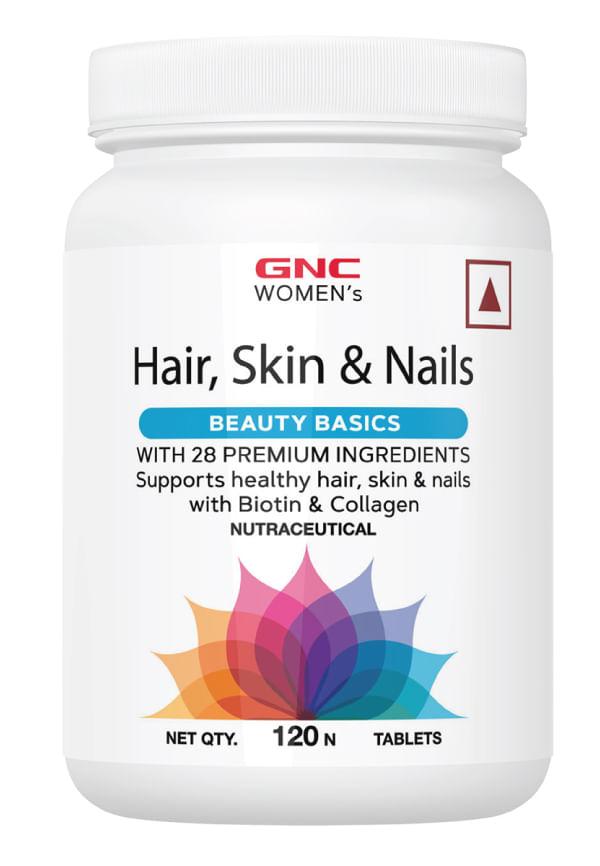
Women's Hair, Skin & Nails - For Stronger Hair, Clearer Skin, and Healthier Nails
Good Daily Vitamin
4“decent product for daily vitamin intake”
The "big 3" typically refers to minoxidil, finasteride, and ketoconazole. However, finasteride isn't usually recommended for women due to potential side effects, especially for those who might become pregnant. For women, the focus is usually on minoxidil for stimulating growth, ketoconazole shampoo for scalp health, and sometimes spironolactone as an oral anti-androgen. Your dermatologist can help determine which combination might work best for your specific situation.
Yes, hair can often grow back after thinning, especially if the underlying cause is addressed early. The success rate depends on factors like the cause of thinning, how long it's been happening, and individual response to treatment. Temporary causes like stress, nutritional deficiencies, or postpartum changes often resolve completely. Even genetic thinning can often be slowed or partially reversed with proper treatment, though results vary from person to person.
Several hormones can contribute to hair loss in women. Dihydrotestosterone (DHT), a byproduct of testosterone, is the main culprit in female pattern baldness. Declining oestrogen during menopause removes protection for hair follicles. Elevated cortisol from chronic stress can push hair into the shedding phase. Thyroid hormones, when imbalanced, can also disrupt the hair growth cycle. PCOS often involves elevated androgens that can cause thinning over time.
Iron deficiency is one of the most common nutritional causes of hair loss in women, especially those with heavy menstrual periods. Vitamin D deficiency has also been linked to hair thinning and conditions like alopecia areata. B vitamins, particularly B12 and biotin, play crucial roles in hair health. Protein deficiency can also cause hair to become thin and brittle. A blood test can help identify specific deficiencies that might be contributing to your hair concerns.
Determining the cause of your hair thinning often requires looking at multiple factors. Consider recent life changes, stress levels, dietary habits, medications, and family history. Keep a hair diary noting when you notice increased shedding and any potential triggers. A dermatologist can perform tests to check for underlying conditions, hormone imbalances, or nutritional deficiencies. Sometimes it's a combination of factors rather than a single cause, which is why professional evaluation can be so helpful.
Prevention is always easier than treatment, and there are plenty of things you can do to protect your hair health long-term. Hair thinning remedies work best when combined with good preventive habits that support your hair's natural growth cycle.
Pay attention to early warning signs like increased shedding, changes in hair texture, or a widening part. The sooner you notice changes, the more options you'll have for addressing them. Regular scalp health maintenance includes gentle cleansing, avoiding harsh chemicals, and protecting your hair from excessive heat and mechanical damage.
Nutritional prevention means eating a balanced diet rich in protein, iron, and vitamins that support hair growth. Managing stress through regular exercise, adequate sleep, and stress-reduction techniques can prevent stress-related hair loss. If you have a family history of hair thinning, consider discussing preventive options with a dermatologist before problems start.
Hair thinning can feel overwhelming, but understanding why it happens puts you back in control. Whether it's hormonal changes, nutritional gaps, or lifestyle factors, most causes of hair thinning in women have solutions—or at least management strategies that can make a real difference.
The key is being patient with the process and realistic about timelines. Hair grows slowly, so treatments often take three to six months to show noticeable results. Working with healthcare providers who understand hair loss can help you create a targeted approach that addresses your specific situation.
Remember, you're not alone in this journey. Millions of women deal with hair thinning, and there are more resources and treatment options available now than ever before. Whether you're looking for gentle haircare products to support thinning hair or want to explore treatment options, Smytten's curated selection includes products from trusted brands that understand the unique needs of women experiencing hair changes. Not sure which approach might work for your hair? Smytten also offers trial-size versions of many haircare products—a smart way to test what works before committing to full-size bottles.
