Why Does Hair Fall During Monsoon? Your FAQ Answered


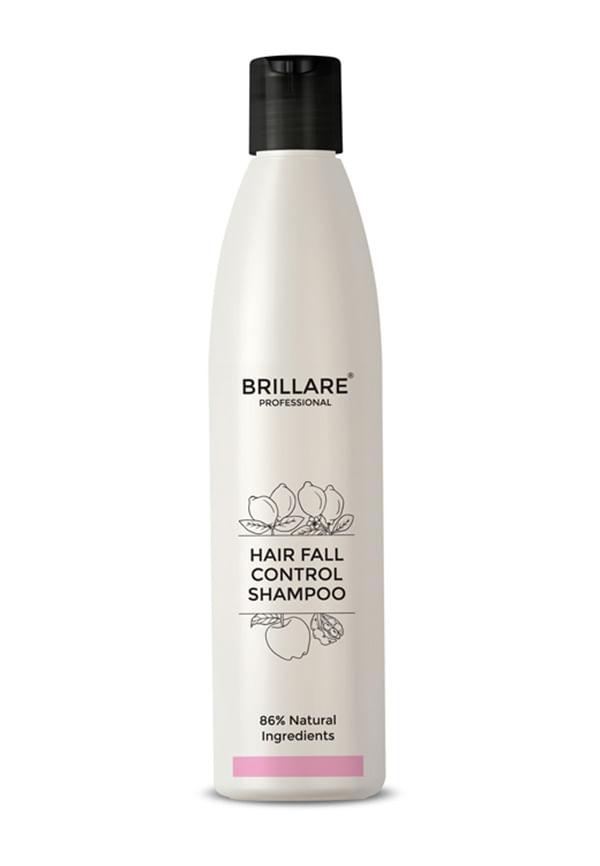
Shampoo To Reduce Seasonal Hair Fall
You step out of the shower and there it is again—more hair swirling down the drain than usual. Sound familiar? If you've been wondering why your hair seems to have a mind of its own during the rainy season, you're definitely not alone. Let's be real, monsoon hair fall is one of those things that catches most of us off guard. One day your hair feels normal, and the next, you're finding strands everywhere—on your pillow, in your brush, even on your clothes. The good news? There's actual science behind why this happens, and even better, there are ways to deal with it that actually work.
Real talk—understanding why does hair fall rain affects so many people starts with getting into the nitty-gritty of what monsoon weather actually does to your hair. It's not just about getting wet; there's a whole cascade of changes happening that your hair isn't exactly thrilled about.
Here's the thing about humidity and hair fall—when the air gets super humid (which is basically monsoon season in a nutshell), your hair absorbs all that extra moisture from the environment. Think of your hair like a sponge that's already damp trying to soak up even more water. This excess moisture penetrates the hair cuticles and messes with the protein bonds that keep your hair strong. The result? Your hair becomes more fragile and prone to breakage. It's like your hair strands are constantly swelling and contracting, which weakens them over time.
If you thought rainwater was just nature's way of giving your hair a gentle rinse, think again. Modern rainwater, especially in urban areas, comes loaded with pollutants, acids, and chemicals that have been hanging out in the atmosphere. When this contaminated water hits your hair repeatedly, it can cause serious damage to the hair shaft. Plus, if you're dealing with hard water in your area, the mineral buildup from rain exposure can make your hair even more brittle and prone to falling out.
Wet hair problems during monsoon aren't just about the hair strands themselves. When your scalp stays damp for extended periods (hello, humidity that never seems to go away), it creates the perfect environment for bacteria and fungi to throw a party. This can lead to scalp infections, dandruff flare-ups, and seborrheic dermatitis—all of which can trigger hair fall. Your scalp basically becomes stressed out, and stressed scalps don't hold onto hair very well.
Monsoon weather is notorious for its sudden changes—one minute it's humid and sticky, the next it's cool and breezy. These temperature and barometric pressure fluctuations can actually stress out your hair follicles. Your hair growth cycle gets disrupted because your follicles are trying to adapt to constantly changing conditions. It's like your hair can't decide whether it wants to grow or take a break, so it often chooses the latter.
Before you panic about every strand you find, let's put things into perspective. Seasonal hair fall during monsoon is incredibly common, but there's a difference between normal shedding and something that needs attention.
Typically, losing 50-100 strands of hair per day is considered normal. During monsoon, this number can increase to 150-200 strands daily for many people. The key is understanding whether you're dealing with temporary shedding (which will resolve itself) or more persistent hair loss that might need intervention.
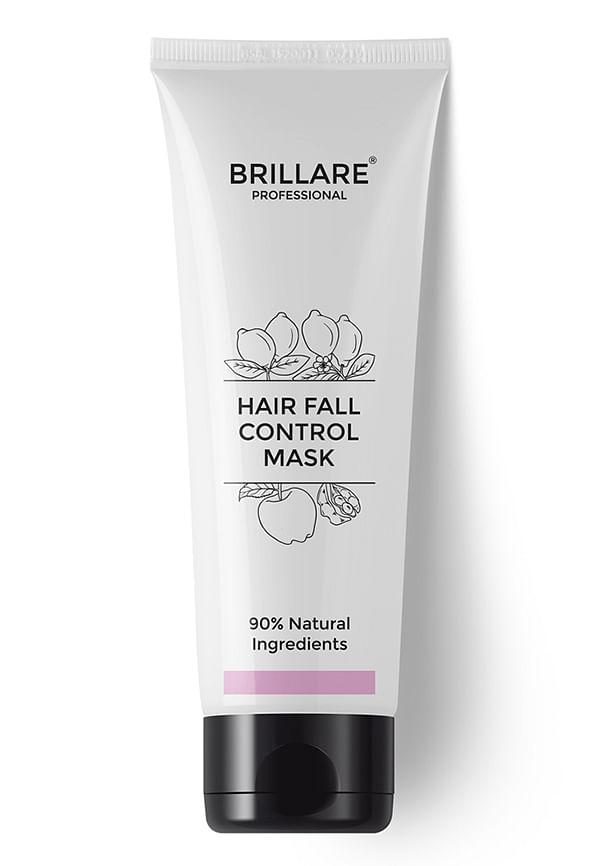
Conditioner To Reduce Seasonal Hair Fall
Normal monsoon hair fall usually follows a pattern—it increases gradually as the season progresses and then stabilises or decreases as your hair adapts. Concerning hair fall, on the other hand, might involve sudden, dramatic increases in shedding, bald patches, or hair that doesn't seem to be regrowing at all. If you're consistently losing more than 200 strands daily or noticing significant thinning, it might be worth checking in with a professional.
Most monsoon-related hair fall is temporary. Your hair typically starts recovering as the season changes and humidity levels stabilise. The regrowth process usually begins 2-3 months after the stressor (in this case, monsoon conditions) is removed. However, taking proactive steps during the rainy season can significantly improve your chances of maintaining healthy hair throughout.
Now that we've covered the why, let's talk about the how—as in, how to actually deal with monsoon hair care without losing your mind (or more hair).
The best defence against rain hair loss starts before you even step outside. Try protective hairstyles like loose braids or buns that keep your hair tucked away from direct rain exposure. Leave-in treatments with silicone-based ingredients can create a barrier against humidity. And yes, carrying an umbrella isn't just about staying dry—it's about protecting your hair from polluted rainwater.
Got caught in the rain? Don't just let your hair air-dry in all that humidity. Gently towel-dry your hair (no aggressive rubbing), then use a blow dryer on a cool setting to remove excess moisture. This prevents your hair from staying damp for hours, which is when most of the damage happens. Follow up with a clarifying shampoo to remove any pollutants that might have settled on your hair and scalp.
Think of these as your hair's spa days. Deep conditioning masks with ingredients like keratin, argan oil, or coconut oil can help repair damage and strengthen your hair against future monsoon stress. Scalp treatments with antifungal properties (look for tea tree oil or neem) can prevent the infections that often trigger hair fall during rainy season.
Sometimes you need to go beyond basic care and really tackle the problem head-on. Here's where the heavy-duty solutions come in.
Your hair needs extra support during monsoon, and that support often comes from within. Focus on foods rich in biotin, iron, zinc, and vitamins A, C, and E. Think leafy greens, nuts, seeds, and protein-rich foods. If your diet isn't covering all the bases, consider supplements specifically formulated for hair health—but always check with a healthcare provider first.
Regular shampoos might not cut it during monsoon. Look for antifungal shampoos that can prevent scalp infections, humidity-resistant styling products that create a protective barrier, and scalp treatments that specifically target the conditions that cause monsoon hair fall. The key is choosing products that address the root causes, not just the symptoms.
If you've tried everything and you're still dealing with excessive hair fall, it might be time to consult a trichologist or dermatologist. They can perform scalp analysis, identify any underlying conditions, and recommend clinical treatments like PRP therapy or medicated topical treatments that can help restore your hair health.
Let's clear up some of the misconceptions floating around about effects of rain on hair, because misinformation can actually make your hair problems worse.
Reality check—rain itself doesn't make your hair fall out. It's the combination of humidity, pollutants in rainwater, prolonged dampness, and the resulting scalp conditions that contribute to hair fall. Understanding this distinction helps you target the real culprits instead of just avoiding rain altogether (which isn't exactly practical).
This one's tricky because it depends on how you do it. Heavy, frequent oiling during humid weather can indeed clog pores and trap moisture, leading to scalp issues. However, light, targeted oil treatments with the right ingredients can actually protect and strengthen your hair. The key is moderation and choosing the right oils for the season.
While shorter hair might be easier to manage during monsoon, length itself isn't what causes hair fall. The issues happen at the scalp and root level, not at the ends. That said, shorter hair does dry faster and might be less prone to tangling and breakage, so there are some practical benefits.
Start with the basics—keep your scalp clean and dry, avoid leaving your hair wet for extended periods, and use a clarifying shampoo to remove pollutants after rain exposure. Quick fixes include using dry shampoo between washes to absorb excess oil and moisture, and applying leave-in treatments that create a protective barrier against humidity. If you're dealing with sudden increased shedding, gentle scalp massages with essential oils like rosemary or peppermint can help stimulate circulation and reduce immediate hair fall.
While hair fall does increase during monsoon for most people, losing 200+ strands daily consistently might be on the higher side. Normal monsoon hair fall usually ranges from 100-150 strands per day. If you're consistently losing more than 200 strands, especially if you notice thinning or bald patches, it's worth consulting a trichologist. Keep track of your hair fall for a week—count the strands in your brush, on your pillow, and in the shower drain to get an accurate picture.
In most cases, yes. Monsoon-related hair fall is typically temporary and related to seasonal stress on your hair and scalp. Hair regrowth usually begins 2-3 months after the stressor is removed, which means you might start seeing new growth around November-December. However, the speed and extent of regrowth depend on how well you care for your scalp during and after monsoon, your overall health, and whether there are any underlying conditions contributing to the hair fall.
Most people experience more hair fall during monsoon compared to summer, though both seasons present challenges. Summer hair fall is usually related to heat damage, UV exposure, and dehydration. Monsoon hair fall, however, tends to be more complex because it involves humidity, scalp infections, polluted rainwater, and prolonged dampness—multiple factors working together. The humidity during monsoon also makes hair more fragile, leading to increased breakage on top of natural shedding.
This depends on your hair type and lifestyle, but generally, washing every 2-3 days works well for most people during monsoon. If you have oily hair or get caught in the rain frequently, you might need to wash daily with a gentle, clarifying shampoo. For dry or chemically treated hair, stick to 2-3 times per week but use a good dry shampoo between washes to keep your scalp fresh. The key is keeping your scalp clean without over-stripping your hair of natural oils.
Absolutely. Your hair needs extra nutritional support during stressful seasons like monsoon. Focus on protein-rich foods (since hair is primarily protein), iron-rich foods like spinach and lentils, and foods high in omega-3 fatty acids like walnuts and fish. Vitamin C helps with iron absorption and collagen production, while biotin and zinc support hair strength. Stay hydrated and consider adding foods with natural antifungal properties like garlic and turmeric to help prevent scalp infections that can trigger hair fall.
Monsoon hair fall might feel overwhelming, but it's definitely manageable once you understand what's happening and why. The combination of humidity, polluted rainwater, scalp infections, and weather fluctuations creates a perfect storm for hair fall, but with the right approach, you can minimise the damage and support healthy regrowth.
Focus on keeping your scalp clean and dry, protecting your hair from direct rain exposure, and using targeted treatments that address the root causes of monsoon hair fall. Remember, most seasonal hair fall is temporary—your hair will likely bounce back as conditions improve.
If you're looking to experiment with different haircare products to find what works best for your monsoon routine, Smytten offers trial-size versions of many professional haircare brands. It's a smart way to test different shampoos, treatments, and styling products without committing to full-size bottles—especially helpful when you're trying to figure out your ideal monsoon hair care routine.
