Why Dandruff Itches: Your Questions Answered

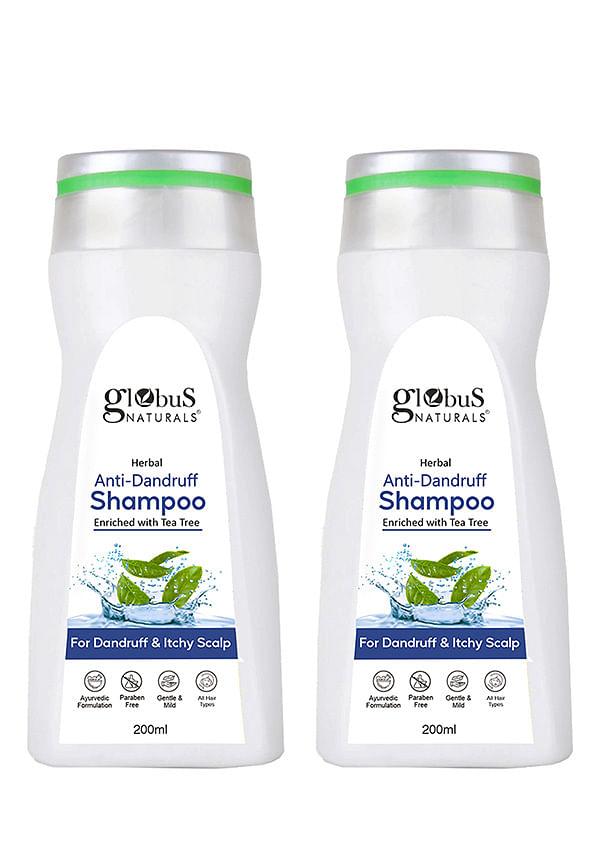
Anti Dandruff Shampoo, For Dandruff and Itchy Scalp
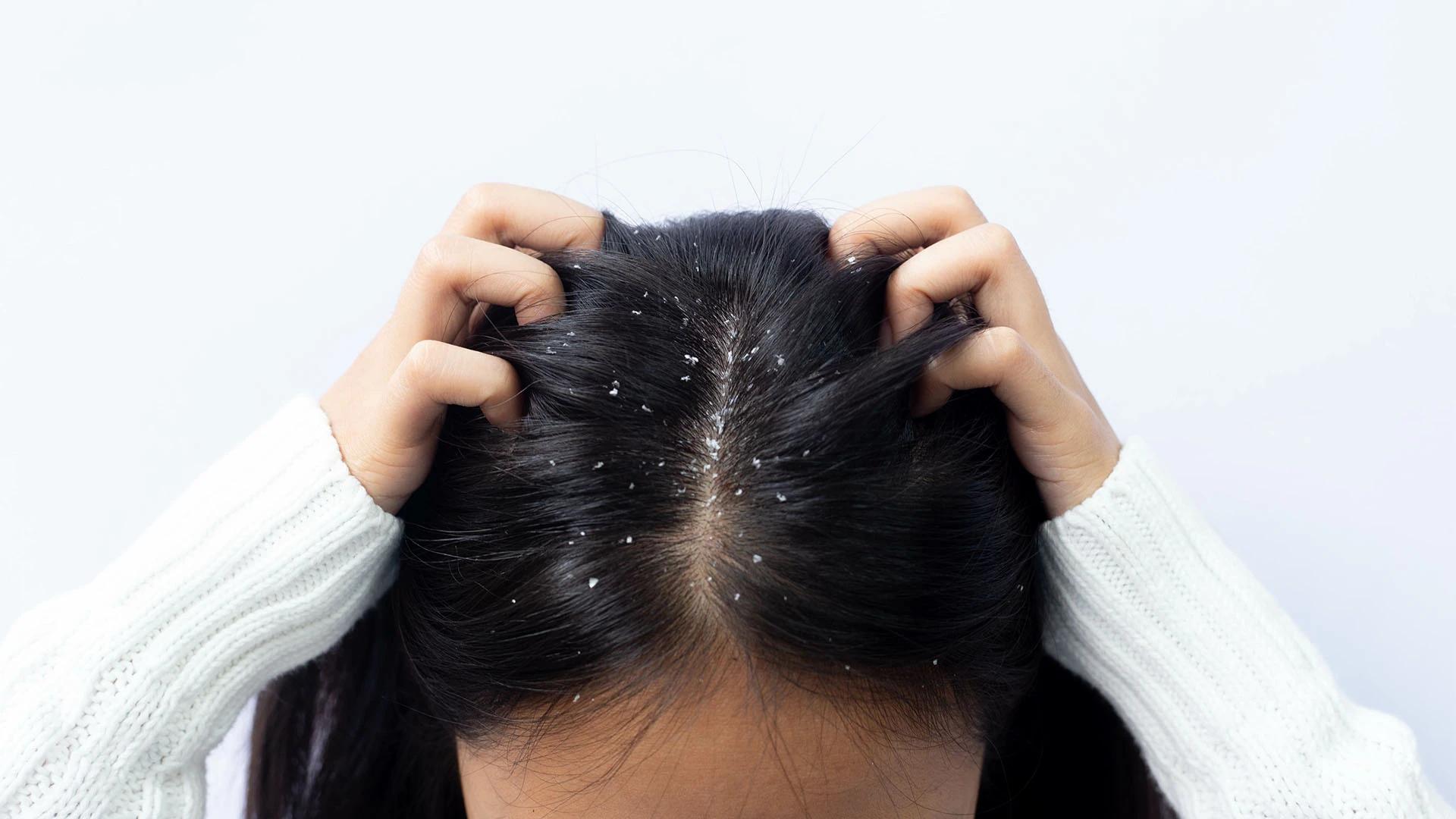
You know that moment when you're in the middle of an important meeting and your scalp decides to stage a full rebellion? The itch starts small, then builds until you're practically clawing at your head like you've got some sort of medieval curse. If you've got dandruff, this scenario probably sounds all too familiar. But here's the thing—that maddening itch isn't just your scalp being dramatic. There's actually some proper science behind why dandruff makes you want to scratch your head off, and more importantly, there are real ways to make it stop.
Let's get real about what's actually happening up there on your scalp. The whole dandruff situation is basically a three-way battle between a fungus called Malassezia, your immune system, and your skin cells—and unfortunately, your comfort is the casualty.
Here's how it works: Malassezia is a fungus that lives on everyone's scalp (yes, everyone's), feeding on the natural oils your skin produces. Most of the time, it minds its own business. But sometimes it gets a bit too enthusiastic and starts breaking down those oils into something called oleic acid. For about half the population, this oleic acid is like kryptonite—it triggers an inflammatory response that makes your scalp go absolutely mental.
Your immune system sees this inflammation and thinks, "Right, we're under attack," so it kicks your skin cell production into overdrive. Instead of the normal 28-day cycle, your scalp starts churning out new cells every 2-7 days. These immature cells clump together and flake off as those telltale white bits we call dandruff. But here's the kicker—all this rapid cell turnover and inflammation creates a perfect storm of scalp irritation that makes you itch like mad.
The itching intensity varies from person to person because we all have different sensitivity levels to these fungal byproducts. Some people barely notice, while others feel like they're wearing a hair shirt made of nettles. Your sebum production levels also play a role—more oil means more food for the fungus, which can mean more itching.
Before you blame everything on dandruff, it's worth checking if something else might be causing your scalp drama. Sometimes what looks like dandruff is actually a completely different issue with its own set of rules.
Seborrheic dermatitis is basically dandruff's more aggressive cousin. While regular dandruff gives you white flakes and mild itching, seborrheic dermatitis brings red, inflamed patches and yellowish, greasy scales. The itching is usually more intense, and it can spread beyond your scalp to your eyebrows, nose, and ears.
This one trips people up all the time. Dry scalp happens when your scalp doesn't produce enough oil, leading to small, white flakes and tightness. Dandruff, on the other hand, is often associated with an oily scalp and larger, yellowish flakes. The treatments are completely different, so getting this right matters.
Sometimes your scalp is just having a tantrum about something you've put on it. Contact dermatitis from hair products, seasonal changes, stress, or even hormonal fluctuations can all trigger scalp inflammation that mimics dandruff symptoms. If your itching started after switching products or during a particularly stressful period, this might be your culprit.
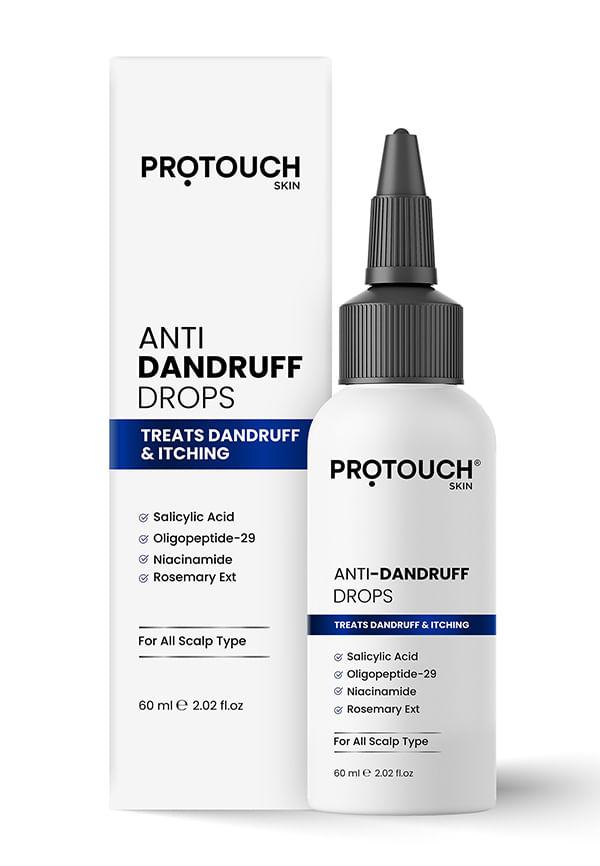
SKIN Anti Dandruff Drops Serum Soothes Itchy, Inflamed Scalp
Not all dandruff is created equal, and figuring out exactly what you're dealing with can help you choose the right approach to tackle it.
Start with the visual clues. Classic dandruff flakes are usually white to yellowish, medium-sized, and tend to show up on your shoulders and in your hair. If you're seeing tiny white flakes that look like dust, you might be dealing with dry scalp instead. Large, greasy yellow scales that stick to your scalp? That's leaning more towards seborrheic dermatitis territory.
Pay attention to when the itching hits hardest. Dandruff-related itching often gets worse when your scalp is oily, after you've been sweating, or when you've gone too long between washes. If the itching is constant and severe, or if you're seeing red, inflamed patches, you might need to consider other causes or chat with a dermatologist.
Track your patterns too. Does it get worse in winter when the air is dry? During stressful periods? After using certain products? These patterns can give you clues about triggers and help you prevent flare-ups.
When your scalp is driving you absolutely mental and you need relief right now, here's what actually works without making things worse.
First things first—resist the urge to scratch. Real talk: scratching feels amazing for about two seconds, then it just makes everything worse. Instead, try gently patting or pressing on the itchy areas. If you absolutely must touch your scalp, use the pads of your fingers, not your nails.
Cool compresses can be your best friend during an itch attack. Wrap some ice cubes in a thin towel and hold it against the itchiest spots for a few minutes. The cold numbs the itch and reduces inflammation temporarily. You can also try a cool water rinse if you're near a sink.
Proper washing technique makes a huge difference. Use lukewarm water (hot water just irritates things more), and when you shampoo, focus on massaging your scalp gently with your fingertips. Let anti-dandruff shampoos sit for a few minutes before rinsing—they need time to work their magic.
For overnight relief when the itching seems to get worse, try sleeping with a silk or satin pillowcase. The smooth surface creates less friction against your scalp, and these materials don't absorb moisture like cotton does, so your scalp stays more balanced.
The right anti-itch shampoo can be a game-changer, but with so many options out there, it helps to know what you're looking for.
Zinc pyrithione is probably the most common active ingredient you'll see, and for good reason—it's brilliant at controlling the Malassezia fungus that causes most dandruff. It's gentle enough for regular use and works well for mild to moderate cases. Look for shampoos with 1-2% zinc pyrithione.
Ketoconazole is the heavy hitter of antifungal ingredients. It's incredibly effective but can be a bit drying, so you might want to alternate it with a gentler option. Ketoconazole shampoos are usually recommended for more stubborn cases or seborrheic dermatitis.
Selenium sulfide helps slow down cell turnover, which tackles the root cause of flaking. It can be quite strong, so follow the instructions carefully and don't use it more often than recommended. Some people find it works better when they rotate it with other active ingredients.
Dandruff Control Shampoo For Itchy, Flaky Scalp
Salicylic acid is excellent for breaking down flakes and clearing them away, but it can be drying. If you have a dry scalp masquerading as dandruff, this might not be your best bet. However, if you've got thick, stubborn flakes, salicylic acid can help clear the way for other treatments to work better.
If you prefer to go the natural route or want to supplement your regular treatment, there are some genuinely effective options that aren't just wishful thinking.
Tea tree oil has solid antifungal properties, but here's the crucial bit—never use it undiluted. Mix a few drops with a carrier oil like coconut or jojoba oil, or look for shampoos that already contain it in safe concentrations. Some people are sensitive to tea tree oil, so patch test first.
Apple cider vinegar rinses can help restore your scalp's natural pH balance, which creates a less hospitable environment for fungus. Mix one part ACV with two parts water, apply after shampooing, leave for a few minutes, then rinse thoroughly. The smell isn't exactly spa-like, but it fades once your hair dries.
Aloe vera gel straight from the plant (or a pure gel) can provide immediate soothing relief for inflamed, itchy scalp. Apply it directly to problem areas, leave for 10-15 minutes, then rinse. It's particularly good for calming down acute flare-ups.
Coconut oil has both moisturising and antimicrobial properties. Warm a small amount between your hands and massage it into your scalp, leave for 30 minutes to an hour, then shampoo as normal. Don't overdo it though—too much oil can actually feed the fungus you're trying to control.
Once you've got your dandruff under control, keeping it that way is all about smart maintenance and understanding your triggers.
Consistency is key with scalp care. Find a washing routine that works for you and stick to it. For most people with dandruff, this means washing every 2-3 days with a medicated shampoo, but your mileage may vary. Some people need daily washing, others can go longer.
Your diet might play a role too. While there's no magic anti-dandruff food, some people find that reducing sugar and processed foods helps, possibly because these can promote inflammation. Omega-3 fatty acids from fish, nuts, and seeds might help with overall scalp health.
Stress management isn't just good for your mental health—it can genuinely impact your scalp condition. High stress levels can trigger flare-ups, so finding healthy ways to manage stress (exercise, meditation, proper sleep) can be part of your dandruff prevention strategy.
Pay attention to environmental factors too. Central heating in winter, air conditioning in summer, and even hard water can all affect your scalp. A humidifier in your bedroom during dry months can help, and if you have very hard water, consider a water softener or clarifying treatments.
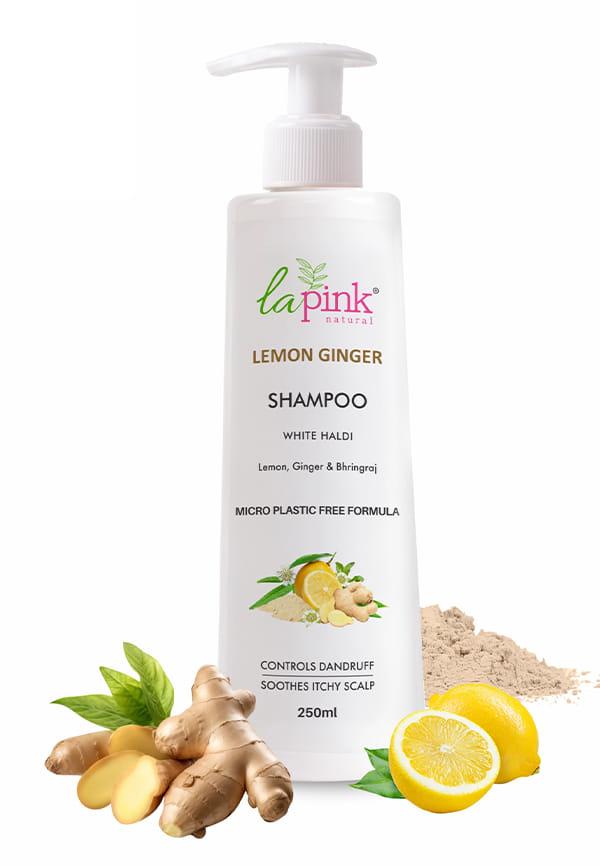
Lemon Ginger Shampoo with White Haldi to Control Dandruff & Soothe Itchy Scalp
Absolutely—itching is actually one of the main symptoms of dandruff. The inflammatory response that causes flaking also triggers nerve endings in your scalp, creating that maddening itch. However, if the itching is severe, constant, or accompanied by pain, bleeding, or hair loss, it's worth seeing a dermatologist to rule out other conditions.
The good news is that treating dandruff usually takes care of the itching too, since they're part of the same problem. Start with a medicated anti-dandruff shampoo containing zinc pyrithione or ketoconazole, use it consistently for 2-4 weeks, and you should see improvement in both flaking and itching. If one ingredient doesn't work, try switching to a different active ingredient.
Night-time itching is super common and happens for a few reasons. Your body temperature rises slightly when you lie down, which can increase inflammation and itching. Also, when you're not distracted by daily activities, you're more likely to notice the itch. Try keeping your bedroom cool and using a silk pillowcase to reduce friction.
Leave it alone! Scratching might feel satisfying in the moment, but it actually makes dandruff worse by irritating your scalp and potentially causing small wounds that can get infected. Instead, use gentle scalp massage with your fingertips when washing, or try cool compresses for immediate relief.
While there's no permanent "cure" for dandruff (since the fungus that causes it naturally lives on everyone's scalp), you can definitely manage it effectively long-term. The key is finding the right maintenance routine with medicated shampoos, identifying and avoiding your triggers, and being consistent with treatment even when symptoms improve.
Dry scalp itching tends to feel tight and uncomfortable, like your scalp is too small for your head. Dandruff itching is more of an inflammatory itch—it's often more intense and can feel warm or burning. Dry scalp produces small, white flakes, while dandruff flakes are usually larger and more yellowish.
Yes, stress can definitely trigger or worsen dandruff flare-ups. Stress affects your immune system and hormone levels, which can increase inflammation and oil production on your scalp—both of which feed into the dandruff cycle. Managing stress through exercise, adequate sleep, and relaxation techniques can genuinely help with scalp health.
Dandruff itching isn't just in your head (well, technically it is, but you know what we mean)—it's a real inflammatory response that has solid science behind it. Understanding why it happens is the first step to getting it under control.
The most important thing to remember is that consistency beats intensity when it comes to treatment. A gentle, regular routine with the right active ingredients will get you much further than aggressive scrubbing or constantly switching products. Give any new treatment at least 4-6 weeks to show results before deciding it's not working.
If you're still struggling to find the right approach, Smytten's curated selection includes various anti-dandruff and scalp care products from trusted brands, so you can explore different options without committing to full-size bottles right away. Not sure which active ingredient might work best for your scalp? Smytten also offers trial-size versions of many of these products—a good way to test what works before investing in a full bottle.
