Which Comb Is Best for Hair? Your FAQ Answered
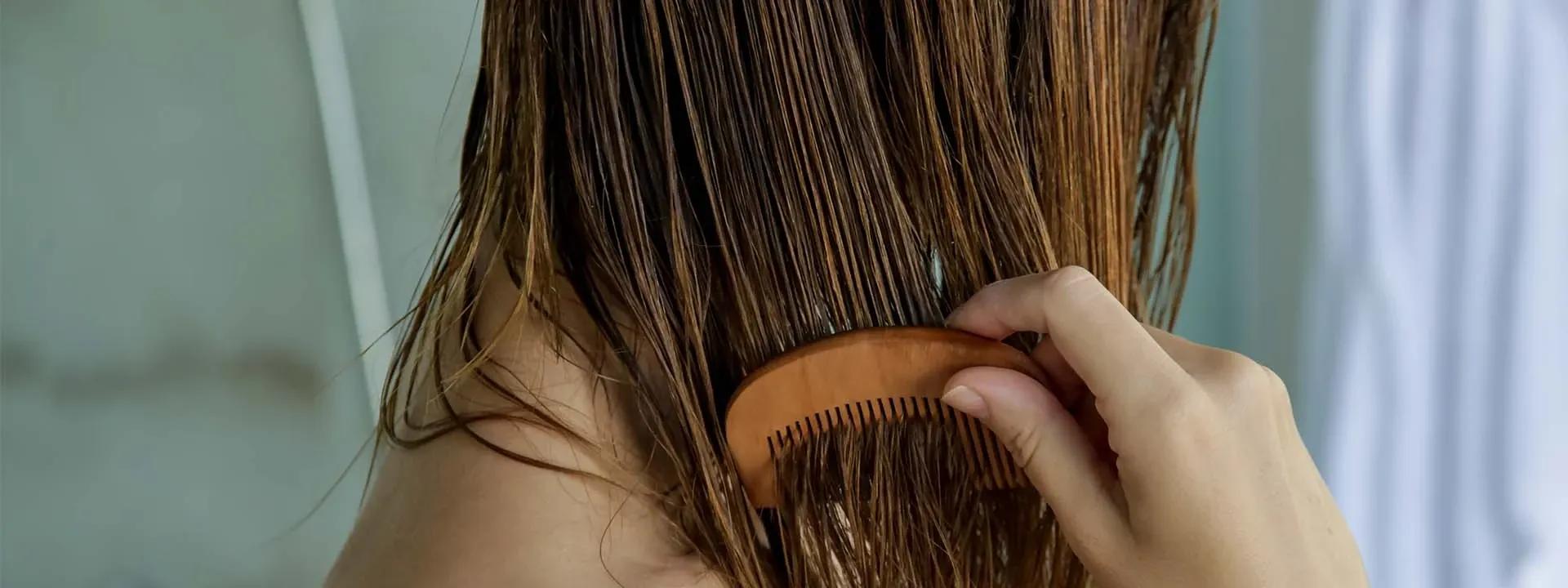

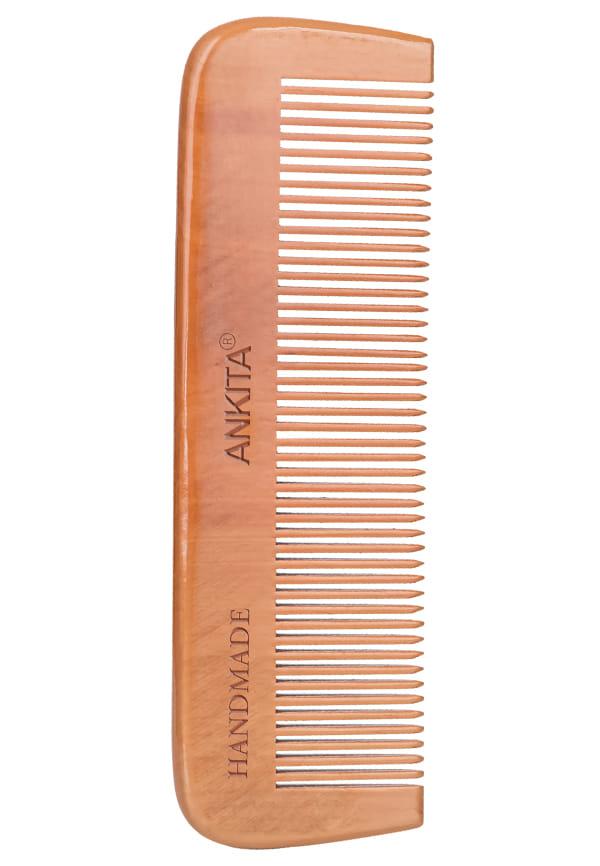
Wooden Handmade Hair Combs|No Static Hair Comb With Rounded Handle |Natural & Eco-Friendly|Anti-Bacterial Hair Styling Comb
Ever stood in the haircare aisle wondering which comb is best for hair, only to feel completely overwhelmed by the endless options? You're not alone. From wide-tooth detangling combs to fine-tooth styling tools, the world of hair combs can feel like a maze. But here's the thing—choosing the right comb isn't just about grabbing whatever's cheapest or looks prettiest. Your hair type, texture, and daily routine all play a massive role in determining which tool will actually work for you. Whether you're dealing with fine strands that need gentle handling or thick, curly hair that demands a completely different approach, the perfect comb is out there waiting for you. At Smytten, we've seen countless users discover their ideal haircare tools through trial packs, and trust us, finding the right comb can be a total game-changer for your hair health and styling routine.
Fine hair needs fine-tooth combs for precision, while thick and curly hair benefits from wide-tooth combs
Wooden combs reduce static and distribute natural oils better than plastic alternatives
Always use wide-tooth combs on wet hair to prevent breakage and damage
The right comb material and design can actually support healthier hair growth through proper scalp stimulation
Different combing techniques work better for different hair goals—from detangling to volume creation
Let's be real—most of us don't think twice about which comb we're using until our hair starts breaking or looking damaged. But the science behind proper combing is actually fascinating and super important for maintaining healthy hair. When you use the wrong comb, you're essentially creating tiny tears in your hair cuticle, leading to frizz, breakage, and that frustrating dull appearance that no amount of expensive treatments seems to fix.
The hair brush vs comb debate is another area where people get confused. Here's the simple breakdown: brushes are brilliant for distributing natural oils from your scalp down to your ends and creating smooth, sleek styles. Combs, on the other hand, are your go-to for precision work like creating clean parts, detangling specific sections, and working through wet hair without causing damage. Think of brushes as your daily maintenance tool and combs as your precision instrument.
Common combing mistakes include starting at the roots instead of the ends, using too much force, and choosing the wrong tooth spacing for your hair type. These seemingly small errors can lead to significant hair loss over time. When you're choosing the right comb, you're not just picking a styling tool—you're investing in your hair's long-term health and appearance.
Your hair type isn't just about whether it's straight or curly—it's about understanding the unique needs of your specific strands and finding tools that work with, not against, your natural texture. The best comb for hair type varies dramatically depending on factors like strand thickness, curl pattern, and even how your hair behaves when wet versus dry.
Fine hair requires a completely different approach because each strand is naturally more delicate and prone to breakage. A **comb for fine hair** should have closely spaced teeth that can grip and control lightweight strands without pulling or snagging. Fine-tooth combs are perfect for creating precise parts, smoothing flyaways, and achieving that sleek, polished look that fine hair does so beautifully.
The key with fine hair is avoiding static buildup, which can make your hair look flat and lifeless. Natural materials like wood or horn work wonders here because they don't create the same static charge as plastic combs. When detangling fine hair, always start from the ends and work your way up, using gentle, short strokes rather than long pulls through the entire length.
Thick hair is a whole different beast that needs tools designed to handle volume and density. A **comb for thick hair** typically features wider spacing between teeth to allow the comb to move through dense sections without getting stuck or pulling. The **wide tooth comb benefits** for thick hair include easier sectioning, reduced breakage, and the ability to maintain your hair's natural volume and texture.
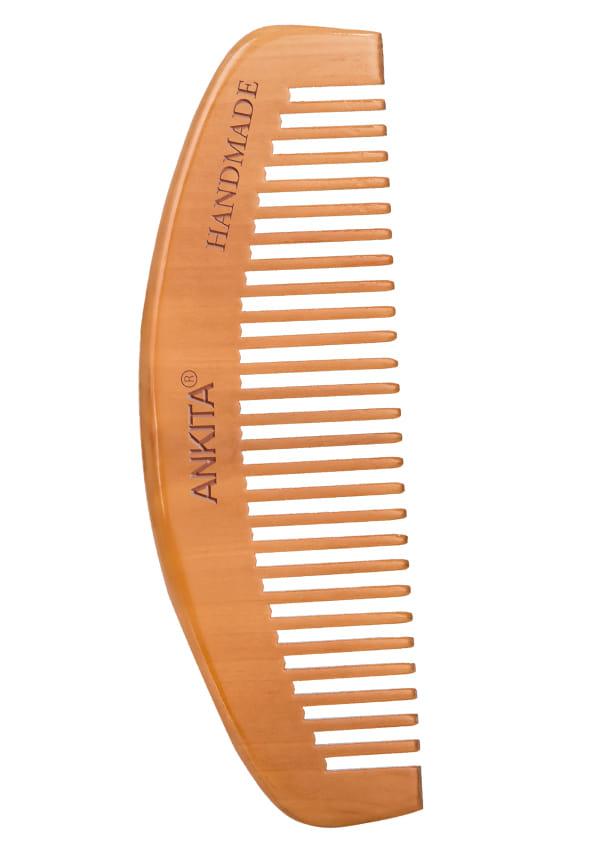
Wooden Handmade Hair Combs|No Static Hair Comb With Rounded Handle for Men, Women and Kids
When working with thick hair, sectioning becomes crucial. Use your wide-tooth comb to divide your hair into manageable sections before styling or detangling. This approach prevents the frustration of trying to work through too much hair at once and reduces the risk of breakage from excessive force.
Curly hair has its own set of rules, and using the wrong comb can completely destroy your curl pattern and create a frizzy mess. A **comb for curly hair** should always be wide-toothed to preserve the natural curl formation and prevent disrupting the hair's natural clumping pattern.
The golden rule for curly hair is to only comb when wet and loaded with conditioner or a detangling product. Dry combing breaks up curl clumps and creates frizz that's nearly impossible to tame. Start at the ends and work your way up, allowing the comb to follow the natural curl pattern rather than fighting against it.
Understanding **hair comb material** options can seriously upgrade your haircare game. Different materials interact with your hair and scalp in unique ways, and choosing the right one can make the difference between healthy, shiny hair and damaged, static-prone strands.
**Wooden combs** are often considered the gold standard for hair health. They naturally reduce static, help distribute your scalp's natural oils evenly throughout your hair, and provide gentle scalp stimulation that can support healthy hair growth. The smooth surface of quality wooden combs glides through hair without snagging, making them particularly beneficial for people with sensitive scalps or damaged hair.
Plastic combs are the most common and affordable option, but they're not all created equal. High-quality plastic combs with smooth, well-finished teeth can work well for daily use, especially if you prioritise easy cleaning and hygiene. However, cheaper plastic combs often have rough edges that can damage hair cuticles and create static.
Metal combs are typically used in professional settings for precision work and heat styling. They conduct heat well, making them useful for certain styling techniques, but they can be harsh on everyday hair and aren't recommended for regular detangling.
The **types of hair combs** available today serve different purposes in your haircare routine. Wide-tooth combs are your detangling heroes, perfect for working through wet hair and maintaining curl patterns. Fine-tooth tail combs excel at creating precise parts, sectioning hair for styling, and achieving smooth, sleek looks.
Pocket combs are designed for quick touch-ups throughout the day, while specialty combs like teasing combs or volumising combs serve specific styling purposes. Understanding which tool to use when can dramatically improve your styling results and reduce hair damage.
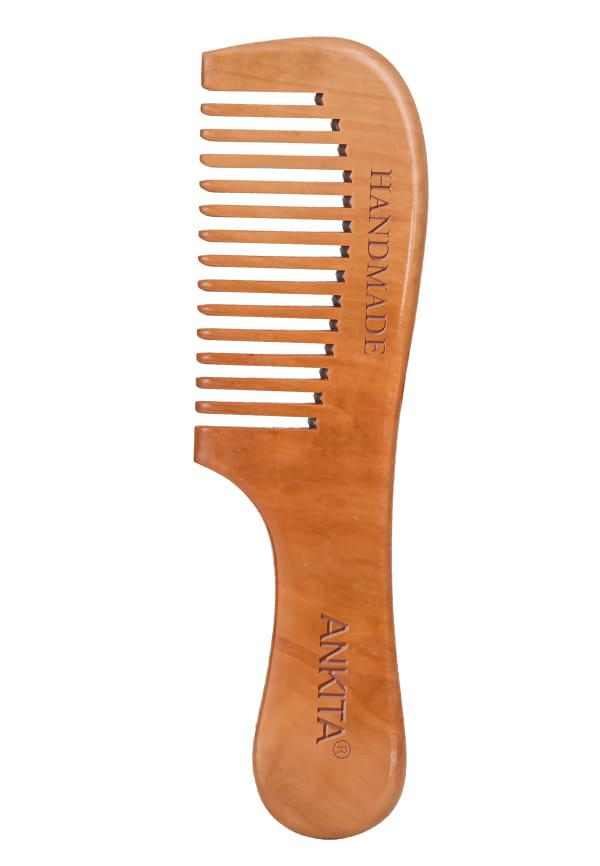
Wooden Handmade Hair Combs|No Static Hair Comb With Rounded Handle
Wet hair is at its most vulnerable state, with increased elasticity that makes it prone to stretching and breaking. Using the wrong technique or tool on wet hair can cause significant damage that accumulates over time. A proper **detangling comb for wet hair** should have wide-spaced, smooth teeth that can glide through tangles without pulling or snagging.
The step-by-step process for safe wet hair detangling starts with applying a leave-in conditioner or detangling spray to provide slip and protection. Begin at the very ends of your hair, working through small sections with gentle, short strokes. Gradually work your way up towards the roots, never forcing the comb through resistant tangles.
Remember that wet hair can stretch up to 50% of its original length before breaking, so what feels like gentle pressure might actually be causing microscopic damage. Take your time, use plenty of product for slip, and never rush through the detangling process.
The connection between proper combing and hair growth might surprise you, but it's rooted in solid science. When you use the right comb with proper technique, you're stimulating blood circulation in your scalp, which can support the hair follicles and potentially encourage healthier growth patterns.
Scalp stimulation through gentle combing helps distribute natural sebum from your scalp down the hair shaft, providing natural conditioning and protection. This is particularly important for people with longer hair, where natural oils struggle to reach the ends without assistance.
The key features to look for in a growth-supporting comb include smooth, well-finished teeth that won't snag or pull, appropriate spacing for your hair type, and materials that won't create static or damage. Daily gentle combing with the right tool can become a beneficial part of your hair health routine.
Professional stylists have specific techniques for getting the most out of different comb types. Sectioning hair effectively requires understanding how your hair naturally falls and using the right comb to create clean, precise divisions. For volume creation, the technique matters as much as the tool—backcombing with a fine-tooth comb at the roots can create lift, while wide-tooth combs can enhance natural texture.
When preparing hair for heat styling, the right comb can make your tools work more effectively. Smooth, detangled hair responds better to straighteners and curling irons, and using the appropriate comb beforehand ensures even heat distribution and better results.
Maintenance of your combs is crucial for their effectiveness and your hair health. Wooden combs should be cleaned gently with mild soap and water, then dried thoroughly to prevent cracking. Plastic combs can handle more aggressive cleaning but should be inspected regularly for rough edges that might develop over time.
Wooden combs with smooth, well-spaced teeth are excellent for supporting hair growth because they stimulate scalp circulation without causing damage. The gentle massage action promotes blood flow to hair follicles while distributing natural oils that nourish your strands.
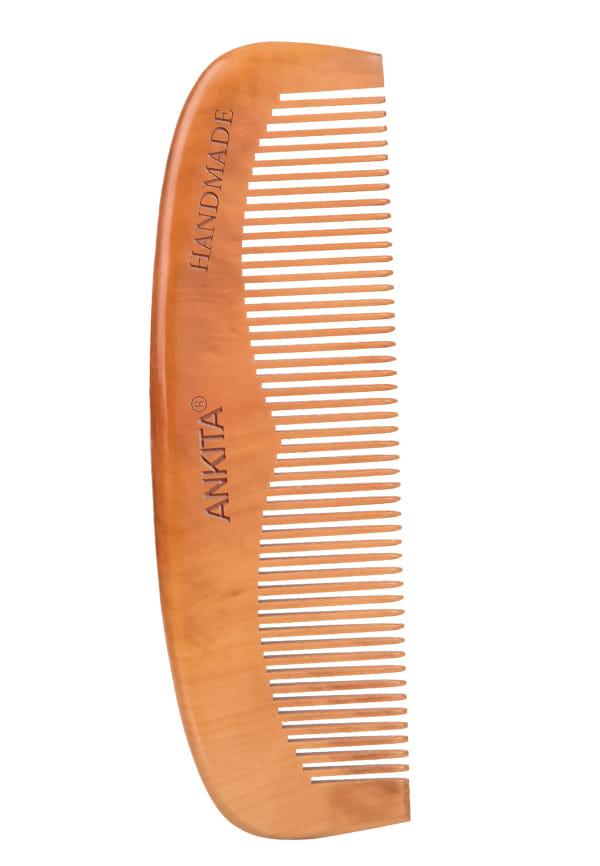
Wooden Handmade Hair Combs|No Static Hair Comb With Rounded Handle
Brushes are better for distributing oils and creating smooth styles, while combs excel at precision work like parting and detangling. For daily maintenance, most people benefit from using both tools for different purposes rather than choosing one over the other.
Natural materials like wood, horn, or high-quality acetate significantly reduce static compared to basic plastic combs. These materials don't create the same electrical charge that causes flyaways and frizz, especially in dry environments.
Fine hair works best with closely spaced teeth for control and precision, while thick or curly hair needs wider spacing to prevent breakage and maintain natural texture. When in doubt, start with wider spacing—you can always use a finer comb for finishing touches.
Yes, but only with the proper technique and tools. Always use a wide-tooth comb on wet hair, start from the ends, and use a detangling product for slip. Never force a comb through resistant tangles when hair is wet and vulnerable. Many users on Smytten have discovered gentle detangling products through trial packs that make daily wet combing much safer and more effective.
Plastic combs can be washed with shampoo and warm water, while wooden combs need gentle cleaning with mild soap and thorough drying. Replace combs when teeth become rough or damaged, as they can cause hair breakage and scalp irritation.
Finding which comb is best for hair comes down to understanding your unique hair type, texture, and styling needs. Fine hair thrives with fine-tooth combs that provide precision and control, while thick and curly hair needs the gentle approach of wide-tooth designs. The material matters just as much as the design—wooden combs offer superior hair health benefits, while quality plastic options provide convenience and easy maintenance.
Remember that wet hair requires special care, and investing in a proper detangling comb for wet hair can prevent years of cumulative damage. The right combing technique is just as important as the right tool, so take time to learn proper methods for your hair type. Whether you're looking to support hair growth, reduce breakage, or simply achieve better styling results, the perfect comb is out there waiting to transform your haircare routine.
Discovering the perfect comb for your hair type doesn't have to involve expensive trial and error. Smytten is India's largest product discovery and trial platform, connecting consumers with top lifestyle, beauty, wellness, and grooming brands. At its core, Smytten offers curated trial packs - mini-sized products from over 2,400 trusted brands such as Cetaphil, Dot & Key, True Elements, Oziva, Renee, Swiss Beauty Love, Beauty & Planet, WishCare, Carlton London and Bella Vita. This lets users explore and experience products before committing to full-size purchases. The platform covers a wide range of categories, including skincare, makeup, haircare, fragrances, and more. Each mini is linked with Trial Points, and users can get up to 10 Trial Points for just ₹279. Plus, Smytten offers 100% cashback on the purchase of these minis, redeemable in the shop section for future orders, making product discovery both affordable and rewarding. With over 28 million users and 100 million trial minis delivered across 90% pin code coverage, Smytten helps consumers make smarter, more confident choices. After all, why settle for 'maybe' when you can #TryItAll!
