What Treats Hair Fall? Your FAQ on Hair Loss Solutions

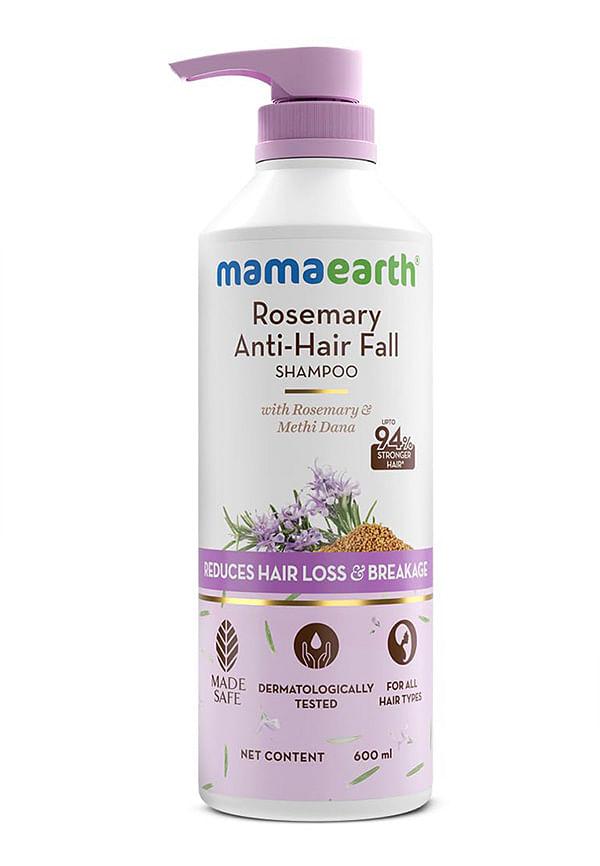
Rosemary Anti-Hair Fall Shampoo with Rosemary & Methi Dana for Reducing Hair Loss & Breakage
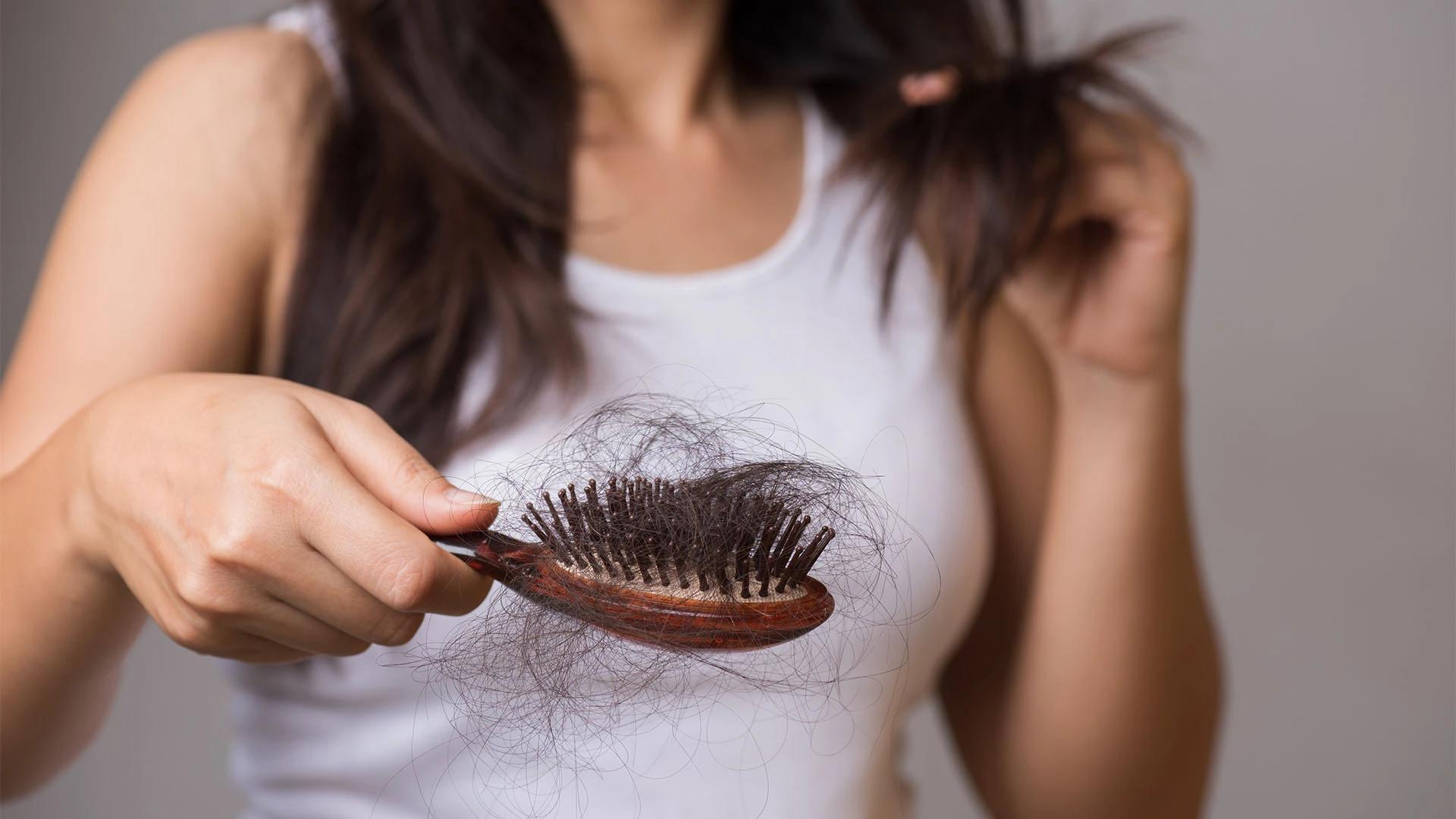
You're standing in front of the mirror, and there it is again—more hair in your brush than you remember seeing yesterday. Maybe it started as a few extra strands in the shower drain, but now you're genuinely worried. Hair fall can feel overwhelming, especially when you're not sure what's normal and what's not. The good news? Most hair fall is treatable, and understanding your options is the first step toward getting your confidence back.
Let's be real—everyone loses hair daily. It's completely normal to shed 50 to 100 strands per day as part of your hair's natural growth cycle. But when you're finding clumps in your hairbrush or noticing your ponytail feels thinner, that's when hair fall causes become worth investigating.
The most common culprit behind excessive hair fall is genetics. If your parents or grandparents experienced hair thinning, you might be dealing with androgenetic alopecia—basically, your hair follicles are sensitive to hormones like DHT (dihydrotestosterone). This hormone gradually shrinks follicles, making hair thinner and shorter until it stops growing altogether.
But genetics isn't the only player in this game. Stress, whether physical or emotional, can push hair follicles into a resting phase prematurely. Poor nutrition, particularly low iron or protein levels, can also trigger hair fall. Hormonal changes during pregnancy, menopause, or thyroid issues create another layer of complexity. Even your hair care routine—tight hairstyles, excessive heat styling, or harsh chemical treatments—can contribute to hair thinning solutions becoming necessary.
Your hair grows in three phases: anagen (active growth), catagen (transition), and telogen (resting). When something disrupts this cycle—stress, illness, or hormonal changes—more hairs can enter the telogen phase simultaneously, leading to noticeable hair fall about three months later.
When it comes to proven hair loss treatment options, science has given us some solid answers. The most well-researched treatments have clinical studies backing their effectiveness, though results vary from person to person.
Minoxidil, available over-the-counter as a topical solution or foam, is probably the most accessible option. Originally developed as a blood pressure medication, researchers discovered its hair growth benefits almost by accident. It works by increasing blood flow to hair follicles and extending the anagen phase. You'll typically see initial results after 3-4 months of consistent use, with peak benefits around the 12-month mark.
For men dealing with male pattern baldness, finasteride offers another scientifically-backed approach. This oral medication blocks the enzyme that converts testosterone to DHT, essentially cutting off the hormone that's shrinking your follicles. It's quite effective—studies show it stops hair loss in about 80% of men and promotes regrowth in about 65%. However, it's prescription-only and not suitable for women of childbearing age.
Professional procedures like platelet-rich plasma (PRP) therapy have gained popularity recently. This treatment involves drawing your blood, concentrating the platelets, and injecting them into your scalp. The growth factors in platelets can stimulate dormant follicles. While promising, PRP typically requires multiple sessions and can be costly.
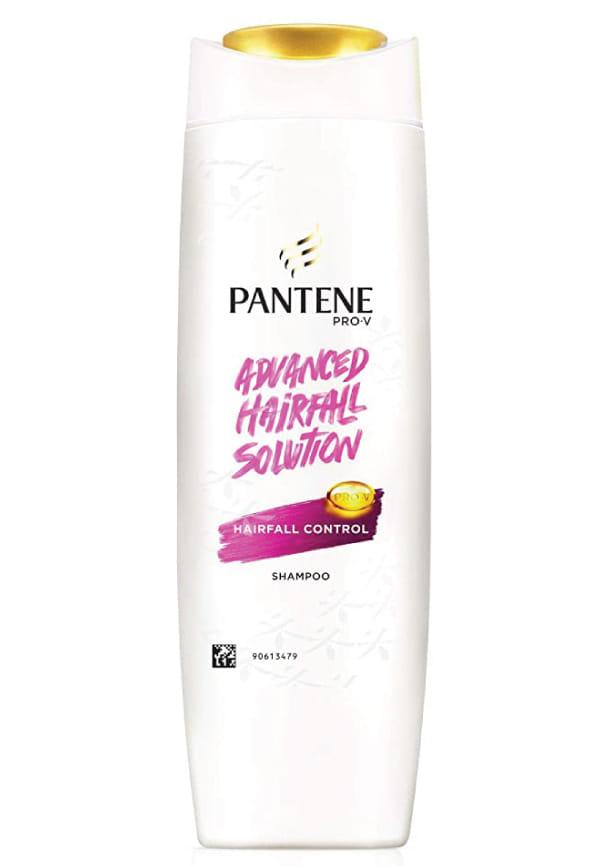
Advanced Hair Fall Solution Hair Fall Control Shampoo
Many dermatologists recommend combining minoxidil, finasteride (for men), and ketoconazole shampoo for comprehensive hair fall management. This trio addresses different aspects of hair loss—blood flow, hormone blocking, and scalp health—for potentially better results than any single treatment alone.
While medical treatments often show the most dramatic results, natural hair fall treatments can play a supporting role in your hair health journey. Some have surprising research backing them up, while others are more about general scalp wellness.
Scalp massage deserves serious consideration. A 2016 study found that daily 4-minute scalp massages increased hair thickness after 24 weeks. The mechanical stimulation likely improves blood circulation to follicles. You can do this with your fingertips or invest in a scalp massaging tool—either way, it's relaxing and potentially beneficial.
Essential oils, particularly rosemary oil, have shown promise in small studies. One research paper found rosemary oil performed as well as 2% minoxidil after six months of use. Peppermint oil has also demonstrated hair growth effects in animal studies. If you're trying essential oils, always dilute them in a carrier oil like jojoba or coconut oil to avoid scalp irritation.
Nutritional support matters more than you might think. Iron deficiency is strongly linked to hair fall, especially in women. Biotin supplements are popular, though deficiency is rare unless you have specific health conditions. Vitamin D, zinc, and adequate protein intake all support healthy hair growth. Rather than randomly taking supplements, consider getting blood work done to identify any actual deficiencies.
Onion juice treatments might sound odd, but they have some research support. The sulfur compounds in onions may improve circulation and provide nutrients to hair follicles. If you're willing to deal with the smell, blend an onion, strain the juice, and apply it to your scalp for 15-30 minutes before washing.
When you're desperate to stop hair fall, you want immediate action. While true regrowth takes months, you can prevent further damage starting today.
First, examine your hair handling habits. Wet hair is fragile, so avoid aggressive towel drying or brushing when it's soaking wet. Use a wide-tooth comb or detangling brush, starting from the ends and working upward. If you're constantly pulling your hair into tight ponytails or buns, give your follicles a break with looser styles.
Heat styling tools can weaken hair shafts, making them more prone to breakage. If you can't give up your straightener or curling iron completely, use heat protectant products and lower temperature settings. Air-drying when possible gives your hair a chance to recover.
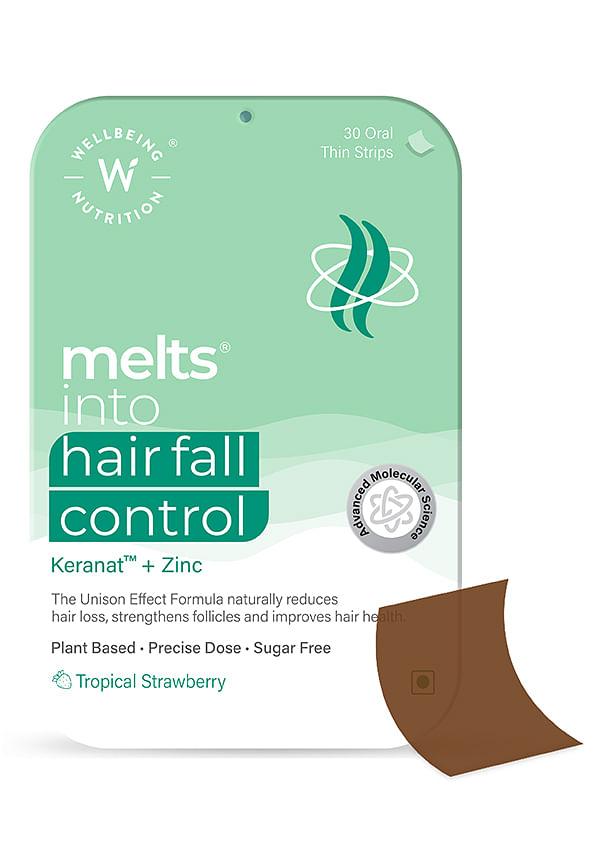
Melts Hair Fall Control Keranat & Zinc, Hair Loss Support to Improve Hair Anchoring (30 Oral Strips)
Stress management isn't just good for your mental health—it's crucial for your hair. Chronic stress elevates cortisol levels, which can push hair follicles into the resting phase. Whether it's meditation, exercise, or simply getting enough sleep, managing stress can help prevent hair loss from worsening.
Your diet plays a bigger role than you might expect. Hair is essentially protein, so inadequate protein intake can definitely impact growth. Aim for lean meats, fish, eggs, legumes, or plant-based protein sources. Iron-rich foods like spinach, lentils, and lean red meat support healthy hair growth, especially for women who may be iron-deficient.
The best approach to hair fall is preventing it from becoming severe in the first place. This means creating a hair care routine that supports follicle health while avoiding unnecessary damage.
Choose your shampoo wisely. If you're dealing with hair fall, look for gentle, sulfate-free formulas that won't strip your scalp's natural oils. Ingredients like ketoconazole, saw palmetto, or caffeine may provide additional benefits for hair growth. However, avoid over-washing—most people only need to shampoo 2-3 times per week unless they have very oily hair.
Conditioning is non-negotiable. It helps protect hair shafts from damage and makes detangling easier. Focus conditioner on the mid-lengths and ends of your hair rather than the scalp to avoid weighing down your roots.
Environmental factors matter too. UV radiation can damage hair just like it damages skin. If you're spending time outdoors, consider wearing a hat or using hair products with UV protection. Pollution can also contribute to scalp inflammation, so thorough but gentle cleansing becomes important if you live in a heavily polluted area.
Sleep on silk or satin pillowcases to reduce friction that can cause breakage. Cotton pillowcases can create drag that weakens hair strands over time. It's a small change that can make a difference over months and years.
Start with the basics: gentle hair handling, stress management, and a balanced diet rich in protein and iron. For persistent hair fall, consider proven treatments like minoxidil or consult a dermatologist for personalised advice. Combining lifestyle changes with appropriate treatments typically yields the best results.
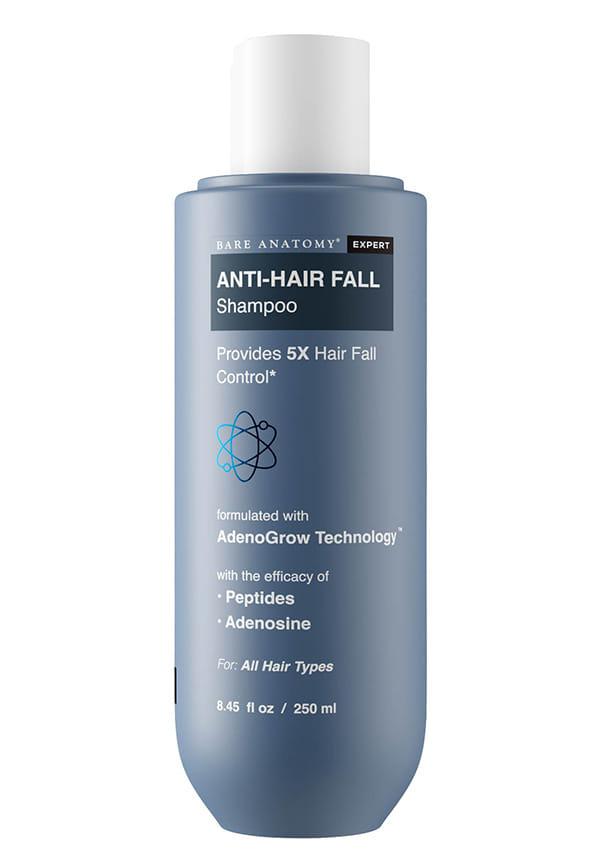
Anti-Hair Fall Shampoo | Provides 5X Hair Fall Control
There's no single "best" cure because hair fall has various causes. Minoxidil has the strongest research support for both men and women, while finasteride is highly effective for male pattern baldness. The most successful approach often combines multiple strategies—medical treatment, proper hair care, and addressing underlying causes like stress or nutritional deficiencies.
Young adults today face unique stressors that can contribute to hair fall: academic pressure, social media stress, irregular sleep patterns, and poor dietary habits. Additionally, frequent heat styling, chemical treatments, and tight hairstyles popular among younger generations can cause damage. Early intervention with gentle hair care and stress management can help prevent long-term issues.
The "big 3" refers to minoxidil, finasteride (for men), and ketoconazole shampoo used together. This combination addresses multiple aspects of hair loss: minoxidil improves blood flow to follicles, finasteride blocks DHT production, and ketoconazole has anti-inflammatory properties. Success rates are higher when these treatments are combined rather than used individually.
Most treatments require 3-6 months before you notice significant changes. Hair growth is slow—only about half an inch per month—and you need to see new hairs grow long enough to make a visual difference. Some people notice reduced hair fall within 6-8 weeks, but regrowth takes longer. Patience is crucial for successful treatment.
Expensive doesn't always mean better. Minoxidil, one of the most effective treatments, is relatively affordable and available over-the-counter. Professional procedures like PRP or hair transplants can be worth it for severe cases, but many people see good results with basic treatments combined with proper hair care. Focus on proven ingredients rather than price tags.
Hair fall can feel overwhelming, but understanding your options empowers you to take action. Whether you choose medical treatments, natural remedies, or a combination approach, consistency is key. Most effective hair growth tips involve patience—real results take months, not weeks.
Remember that what treats hair fall varies from person to person. Your friend's miracle treatment might not work for you, and that's completely normal. The key is finding the right combination of treatments and lifestyle changes that address your specific type of hair loss.
If you're exploring different hair care products to support your hair health journey, Smytten offers trial-size versions of many haircare products from trusted brands. This way, you can test what works for your hair type and concerns before committing to full-size bottles—because finding your perfect hair care routine shouldn't involve guesswork or wasted money.
