What is Scalp Buildup? Your FAQ Answered

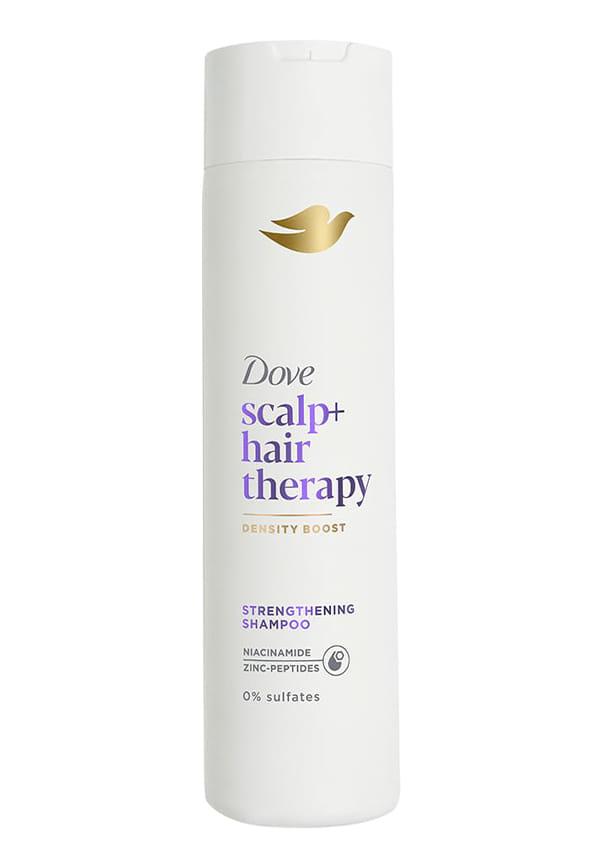
Dove Scalp+Hair Therapy Sulphate Free Density Boost Strengthening Shampoo
Ever scratched your scalp and found waxy, sticky gunk under your fingernails? Or noticed your hair feeling heavy and greasy even right after washing? You're probably dealing with scalp buildup—that annoying layer of dead skin, oils, and product residue that makes your scalp feel like it needs a proper deep clean. Let's be real, it's not the most glamorous hair topic, but understanding what's happening up there is the first step to getting your scalp back to feeling fresh and healthy.
Scalp buildup is basically your scalp's way of collecting everything it encounters—dead skin cells, natural oils (sebum), sweat, styling products, and even environmental pollutants. Think of it as a waxy film that forms over time, creating the perfect environment for bacteria and dirt to get trapped. Unlike regular dandruff, which tends to be dry and flaky, scalp buildup feels sticky, thick, and often has a yellowish tint. This accumulation doesn't just sit on the surface either. It can actually block your hair follicles, making it harder for your scalp to breathe and for new hair to grow properly. When your scalp can't function normally, you'll notice your hair looking dull, feeling heavy, and losing that natural bounce. A healthy scalp should feel clean and balanced, not weighed down by layers of gunk that make washing feel pointless. The tricky part about scalp buildup is that it develops gradually. You might not notice it at first, but over weeks or months, that thin layer becomes more obvious. Your usual shampoo routine might stop working as well, and you'll find yourself washing more frequently just to feel clean.
Spotting scalp buildup isn't always straightforward, especially if you're used to dealing with other scalp issues. The key is knowing what to look for and understanding how it differs from conditions like dandruff.
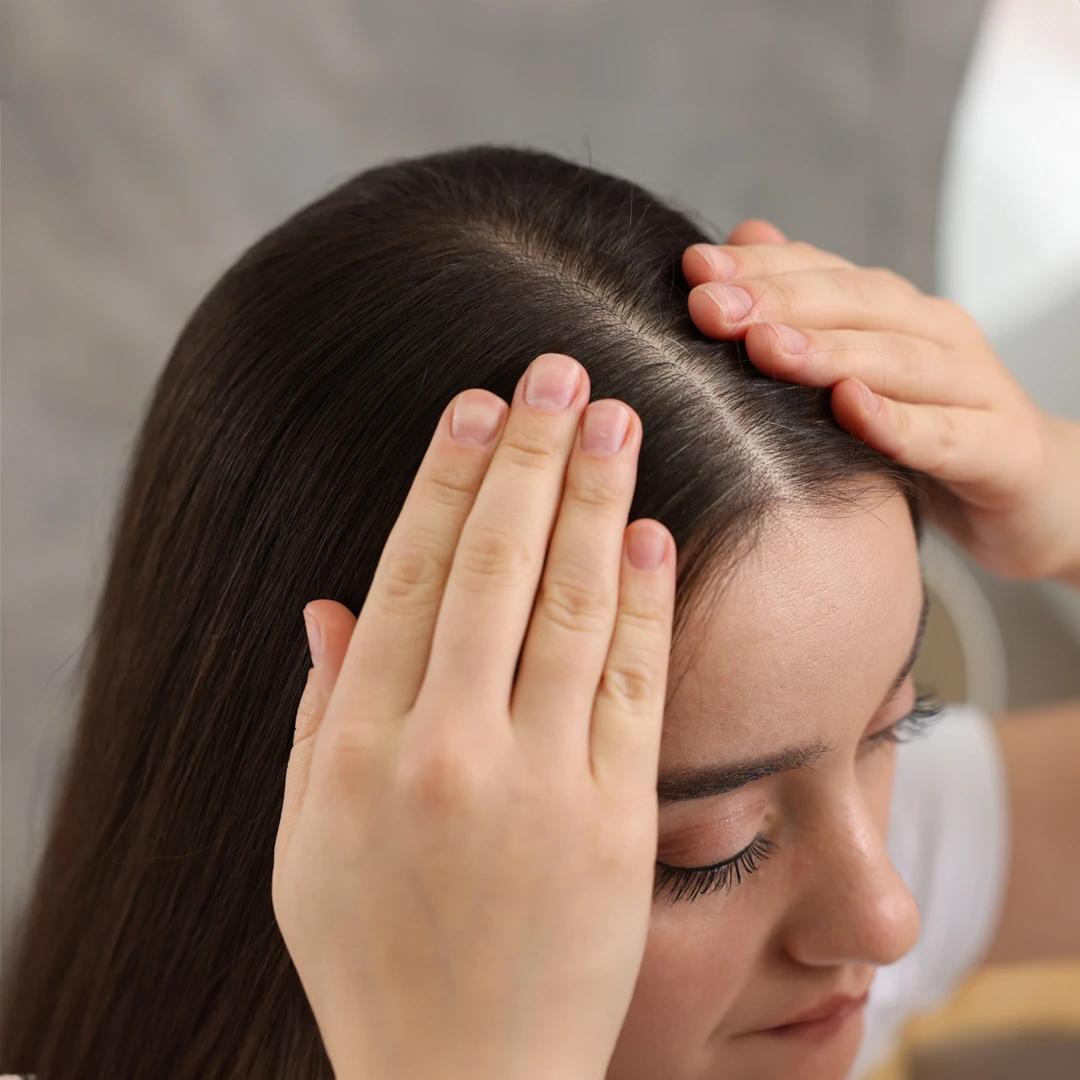
When you part your hair or look closely at your scalp, buildup appears as thick, waxy patches that might be white, yellow, or even slightly grey. Unlike dry dandruff flakes that brush off easily, this stuff sticks to your scalp and feels substantial when you touch it. If you gently scratch your scalp, you'll find sticky residue under your nails rather than dry flakes.
The most common complaint is persistent itchiness that doesn't go away even after washing. Your scalp might feel tender or sensitive, and you'll notice your hair looking flat and lifeless. Even freshly washed hair can feel greasy at the roots, and that clean feeling disappears much faster than usual. Many people also notice their hair products don't work as well—styling products don't hold, and treatments don't seem to penetrate properly. An oily scalp that never feels truly clean is often the biggest giveaway. You might find yourself reaching for dry shampoo more often or feeling like you need to wash your hair daily just to feel presentable.

Intensive Scalp Repair Anti Dandruff Shampoo
Understanding what causes scalp buildup helps you prevent it from happening again. Most of the time, it's a combination of factors rather than just one thing.
Heavy styling products are often the main culprits. Gels, creams, leave-in treatments, and especially silicone-heavy products can accumulate over time if they're not properly removed. Dry shampoo, while brilliant for extending wash days, can also contribute to product buildup if overused. The key issue is incomplete removal during washing—if your regular shampoo isn't strong enough to break down these products, they'll just keep layering up.
Your scalp naturally produces sebum to keep your hair healthy, but sometimes it goes into overdrive. Hormonal changes, stress, or even genetics can cause your scalp to produce more oil than usual. Dead skin cells also shed constantly, and if they're not properly removed, they mix with oils and products to create that sticky buildup. Hard water is another sneaky cause—mineral deposits from calcium and magnesium can coat your hair and scalp, making it harder for shampoos to work effectively. Environmental factors like pollution, sweat from workouts, and even touching your hair frequently can all contribute to the problem. Hair follicle blockage becomes more likely when all these elements combine.
Getting rid of scalp buildup requires a more targeted approach than your regular shampoo routine. The good news is that with the right techniques, you can get your scalp feeling fresh again.
Clarifying shampoos are your best friend for scalp buildup removal. Look for formulas containing salicylic acid, which helps break down the waxy buildup and exfoliate dead skin cells. These shampoos are stronger than your everyday options, so they're designed to cut through the layers of gunk that regular shampoos can't handle. Use a clarifying shampoo once a week initially, then adjust based on how your scalp responds. If you're dealing with severe buildup, you might need to use it twice a week for the first few weeks, then scale back to maintenance mode.
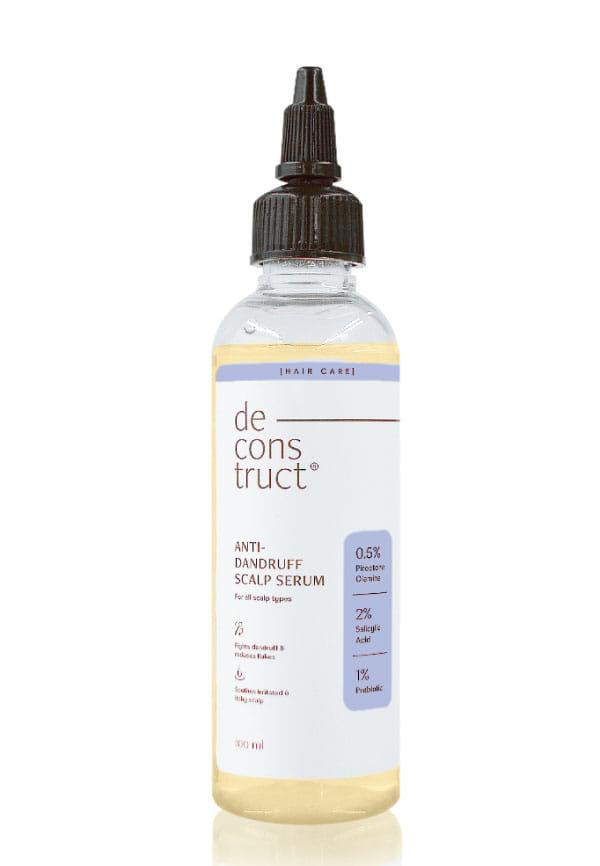
Anti-Dandruff Scalp Serum - 0.5% Piroctone Olamine + 2% Salicylic Acid + 1% Prebiotic
Scalp exfoliation is crucial for removing buildup naturally. A silicone scalp massager can help physically loosen the waxy deposits while you shampoo. Gentle circular motions work best—you want to lift the buildup without irritating your scalp. For natural removal methods, apple cider vinegar rinses can help dissolve mineral deposits and product residue. Mix one part vinegar with three parts water and pour it over your scalp after shampooing. Let it sit for a few minutes before rinsing thoroughly. Baking soda mixed into your shampoo occasionally can also help break down stubborn buildup, but use this sparingly as it can be drying. The most important part of any removal technique is thorough rinsing. Spend extra time massaging your scalp under warm water to ensure all loosened buildup is completely washed away.
Once you've cleared the buildup, keeping it from coming back is all about adjusting your routine and being mindful of what you put on your scalp.
Be strategic about heavy styling products. Apply them mainly to your hair lengths rather than directly to your scalp, and always use a clarifying shampoo weekly if you use a lot of styling products. Read ingredient labels and be aware of silicones and heavy oils that can accumulate over time.
Find the right washing frequency for your hair type and lifestyle. If you work out regularly or have naturally oily hair, you might need to wash more often. Focus on thoroughly rinsing your scalp—this step is often rushed but it's crucial for preventing buildup. After workouts, at least rinse your scalp with water to remove sweat and prevent it from mixing with oils and products. A healthy scalp maintenance routine includes regular scalp massages to improve circulation and help natural oils distribute evenly rather than accumulating in one area.
Definitely don't scratch it off with your nails. This can damage your scalp, cause inflammation, and potentially lead to infection. Instead, use gentle exfoliation methods like a scalp massager during washing, or try a clarifying treatment to soften and dissolve the buildup naturally.
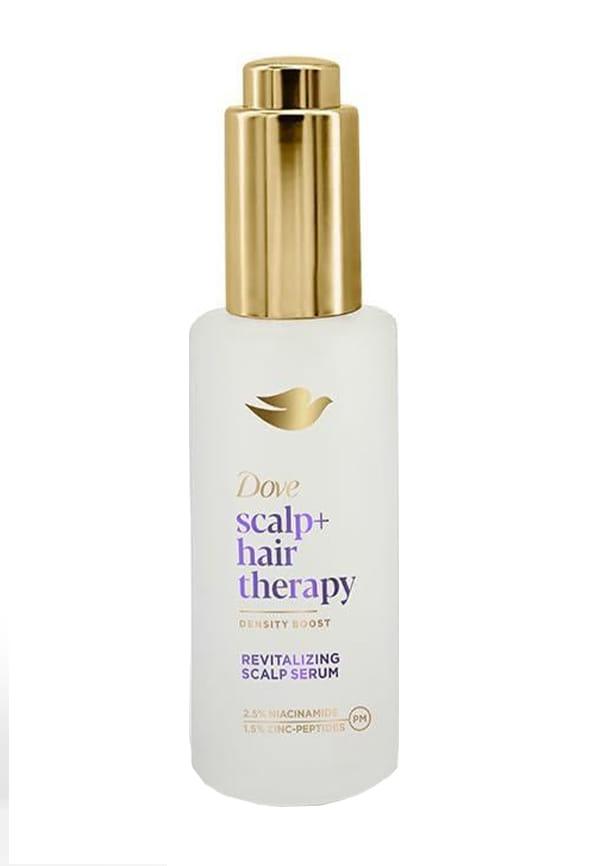
Dove Scalp+Hair Therapy Density Boost Revitalizing Scalp Serum
The main difference is texture and appearance. Dandruff typically appears as dry, white flakes that fall off easily, while scalp buildup is waxy, sticky, and often yellowish. Dandruff vs buildup also differs in causes—dandruff is usually related to a fungal condition or dry skin, while buildup is from accumulated products and oils.
Start with a good clarifying shampoo used weekly, combined with thorough scalp massage during washing. Apple cider vinegar rinses can help dissolve stubborn deposits, and making sure you rinse completely after every wash prevents new buildup from forming.
Once a week is usually perfect for most people. If you use a lot of styling products or have very oily hair, you might need it twice a week initially. Pay attention to how your scalp feels—if it starts feeling dry or irritated, scale back to every 10-14 days.
While scalp buildup itself doesn't directly cause permanent hair loss, it can block hair follicles and create an unhealthy environment for hair growth. This might lead to temporary thinning or slower growth, but addressing the buildup usually resolves these issues.
No, they're different conditions. Seborrheic dermatitis is a skin condition that causes inflammation, redness, and flaky patches, while scalp buildup is simply an accumulation of products and natural oils. However, buildup can sometimes worsen seborrheic dermatitis symptoms.
Dealing with scalp buildup might feel frustrating, but it's completely manageable once you understand what you're working with. The key is finding the right balance between thorough cleansing and maintaining your scalp's natural moisture. Remember that prevention is always easier than treatment, so being mindful of product usage and maintaining a consistent routine will save you from dealing with heavy buildup in the future. If you're looking to experiment with different clarifying shampoos or scalp treatments, Smytten's curated selection includes options from trusted brands that specialise in scalp health. Not sure which clarifying formula works best for your specific buildup concerns? Smytten also offers trial-size versions of many scalp care products—a smart way to test different approaches before committing to full bottles.
