What is Frizz Solution? Your Hair Care Questions Answered

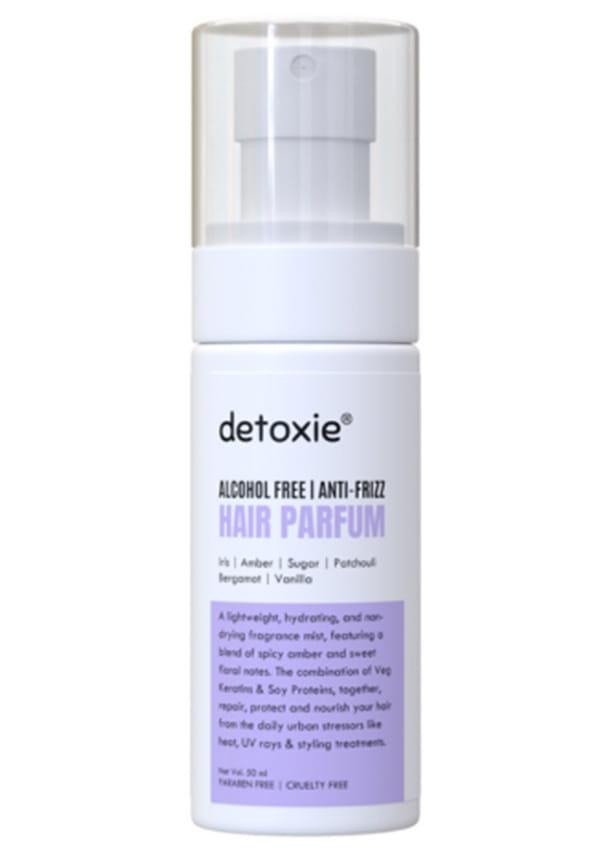
Alcohol Free Anti-Frizz Hair Parfum
Nice product with good fragrance
 4
4“Its nice product with good fragrance”
Positive Product Review
5“good for use. smells nice. can order again.”
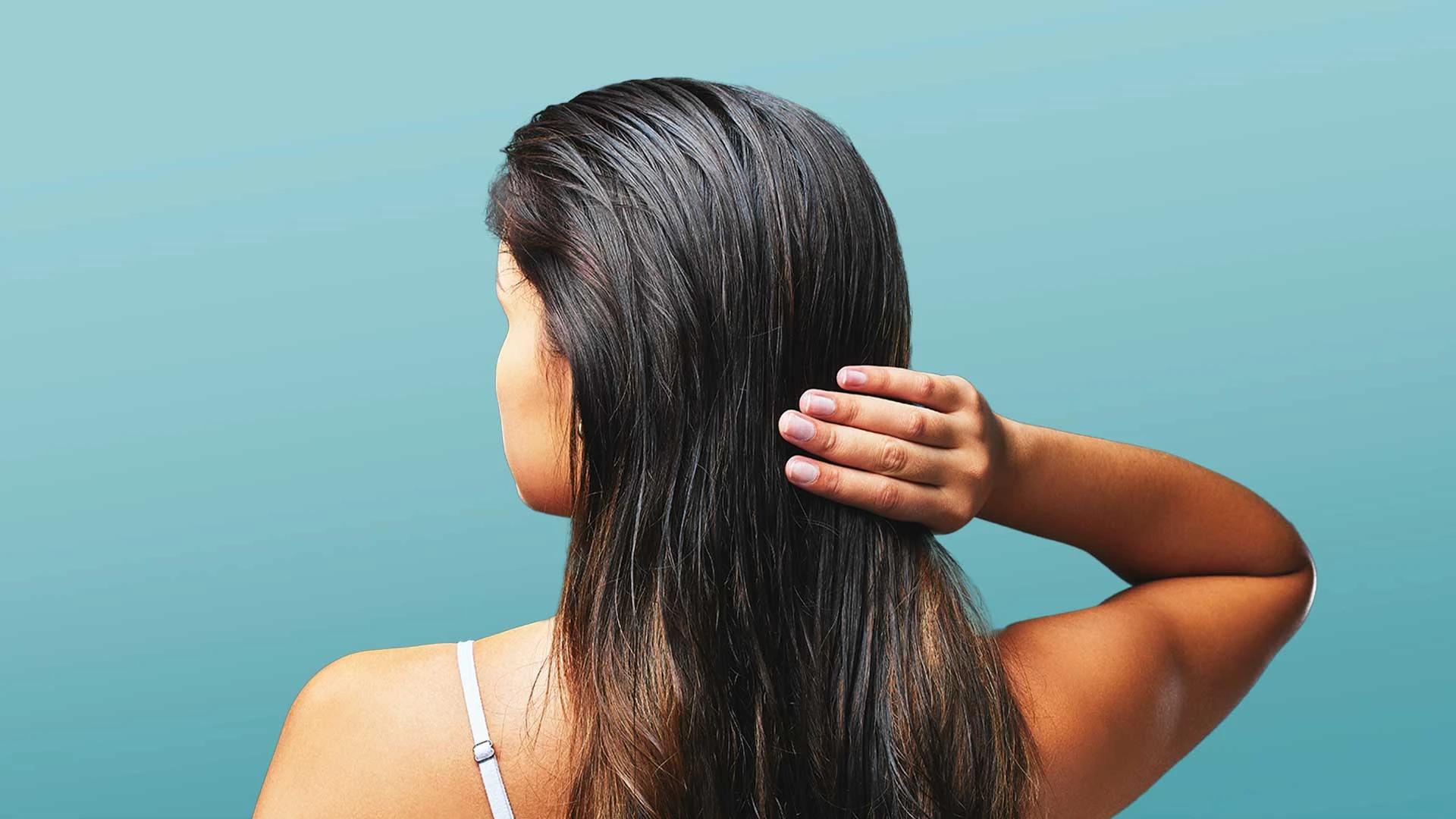
You know that moment when you step outside and your hair instantly transforms into something that looks like you've been struck by lightning? Or when you spend ages styling your hair, only to catch a glimpse of yourself in a shop window and wonder who that frizzy-haired person staring back at you is? If you're nodding along, you're definitely not alone. Frizz is one of those hair struggles that seems to have a mind of its own, appearing at the worst possible moments and refusing to budge no matter what you try. But here's the thing—understanding what frizz actually is and how to tackle it can be a total game-changer for your hair routine.
Let's get real about what frizz actually is. At its core, frizz happens when your hair cuticles (those tiny overlapping scales on each strand) lift up and allow moisture from the air to penetrate the hair shaft. Think of it like roof tiles that aren't lying flat—when they're raised, water gets in and causes the hair to swell unevenly. This creates that familiar fuzzy, unruly texture that seems impossible to smooth down.
The science behind frizzy hair is actually pretty fascinating. When your hair cuticles are damaged or naturally porous, they can't maintain a smooth surface. This damage can come from heat styling, chemical treatments, aggressive brushing, or even just genetics. Some people are simply born with hair that's more prone to frizz because of their natural hair structure and porosity levels.
Humidity is probably frizz's best friend and your hair's worst enemy. When there's moisture in the air, damaged or porous hair acts like a sponge, absorbing that moisture and swelling up. This is why your hair might look perfectly smooth indoors but turn into a frizzy mess the moment you step outside on a humid day. It's not your imagination—your hair is literally reacting to the environment around you.
But here's something worth knowing: not all texture is frizz. There's a difference between natural waves or curls and actual frizz. Natural texture follows a pattern and has definition, while frizz is random, uneven, and lacks any real structure. Understanding this difference is crucial because trying to eliminate natural texture can actually make frizz worse by damaging your hair's natural pattern.
Heat damage is probably the biggest frizz creator in most people's routines. Those daily blow-dry sessions and weekly straightening marathons might give you smooth hair temporarily, but they're actually lifting your cuticles and creating the perfect conditions for future frizz. Chemical treatments like bleaching or relaxing can have similar effects, weakening the hair structure and making it more susceptible to moisture absorption.
Your hair type and genetics play a massive role too. Curly and coily hair types are naturally more prone to frizz because of their structure—the curves and bends in the hair shaft create weak points where the cuticle can lift. Fine hair can also be surprisingly frizz-prone because it's more delicate and easily damaged.
When it comes to tackling frizz, there's no one-size-fits-all solution. What works for your friend might not work for you, and that's completely normal. The key is understanding the different types of frizz control options available and finding what suits your hair type, lifestyle, and budget.
Frizz solutions generally fall into three categories: immediate fixes for when you need results right now, professional treatments for longer-lasting smoothness, and daily care systems that prevent frizz from happening in the first place. Each approach has its place, and many people find that combining different methods gives them the best results.
Sometimes you need to tame frizz fast, and there are actually some pretty effective tricks for getting quick results. A tiny amount of hair serum for frizz worked through damp hair can instantly smooth down flyaways and add shine. The key is using just a few drops—too much and you'll end up with greasy-looking hair instead of smooth hair.
Another quick fix is the cold water rinse technique. After washing and conditioning, blast your hair with cold water for about 30 seconds. This helps seal the cuticles and lock in moisture, giving you smoother hair that's less prone to frizz throughout the day.
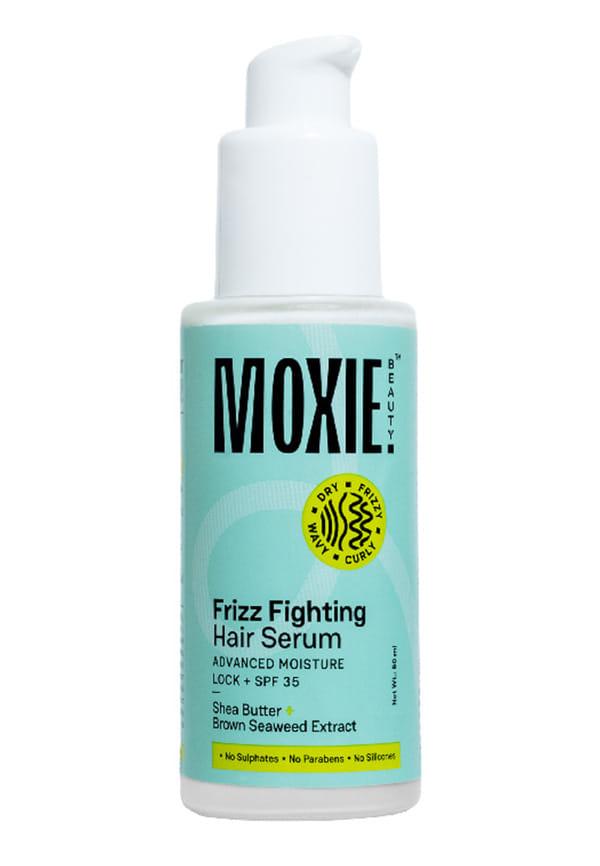
Frizz Fighting Hair Serum For Dry and Frizzy Hair
Excellent, Compact Product
5“excellent product, delivering the promise and vompact to carry”
If you're looking for longer-lasting frizz reduction, professional treatments might be worth considering. Keratin treatments are probably the most popular option—they work by filling in the gaps in damaged cuticles with protein, creating a smoother surface that's less likely to absorb moisture from the air.
These treatments typically last 3-4 months and can significantly reduce styling time. However, they do require some maintenance and can be quite an investment. The results vary depending on your hair type and the specific treatment used, so it's worth having a proper consultation with a stylist who understands frizzy hair.
Navigating the world of anti frizz products can feel overwhelming when every bottle promises miracle results. The truth is, different products work better for different hair types and frizz levels. Understanding what ingredients to look for can help you make smarter choices and avoid wasting money on products that won't work for your specific needs.
The best shampoo for frizzy hair typically contains gentle, sulfate-free cleansing agents that won't strip your hair of its natural oils. Look for formulas with moisturising ingredients like glycerin, hyaluronic acid, or natural oils. These help maintain your hair's moisture balance, which is crucial for preventing frizz.
When choosing hair care for frizzy hair, the golden rule is to avoid sulfates. These harsh detergents can strip your hair of natural oils, leaving it dry and more prone to frizz. Instead, look for gentle cleansing agents like coco-glucoside or sodium cocoyl isethionate.
Moisturising conditioners are non-negotiable for frizzy hair. Ingredients like shea butter, argan oil, and ceramides help smooth the cuticle and create a protective barrier against humidity. Apply conditioner from mid-length to ends, avoiding the roots to prevent greasiness.
Leave-in treatments are where you can really customise your frizz control approach. Oil-based serums work brilliantly for thick, coarse hair that can handle heavier products. They create a protective barrier that locks out humidity and adds serious shine.
For finer hair, water-based leave-ins or lightweight creams might be better options. These provide moisture and frizz control without weighing your hair down. The key is finding the right balance for your hair type and adjusting the amount you use based on the weather and your styling plans.
Building an effective frizz-fighting routine is about more than just using the right products—it's about how and when you use them. The way you wash, dry, and style your hair can make a huge difference in how much frizz you end up dealing with throughout the day.
Your wash day routine sets the foundation for everything else. Starting with a pre-shampoo treatment can help protect your hair from the drying effects of cleansing. This could be as simple as applying a bit of coconut oil to your lengths before shampooing, or using a dedicated pre-wash treatment.
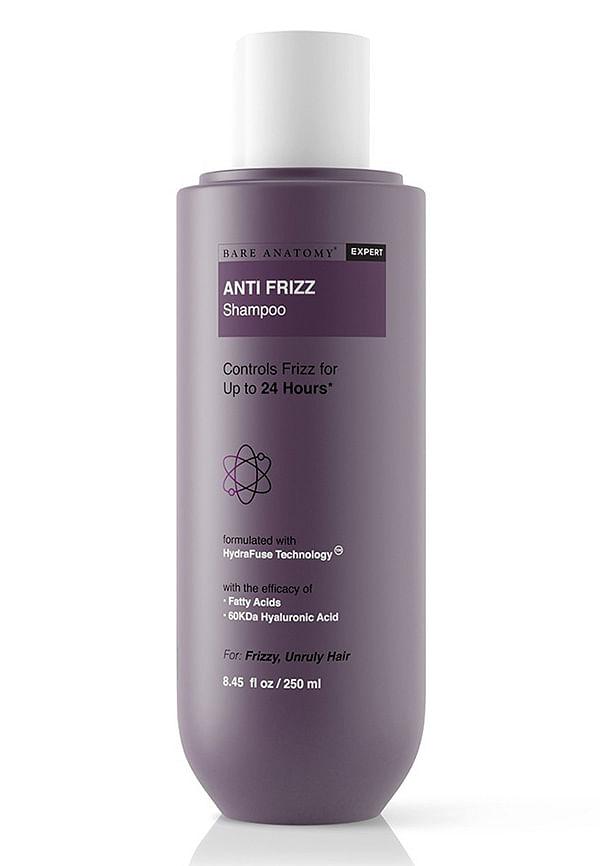
Expert Anti-Frizz Shampoo Tames Frizz For Up To 24 Hours
Good product, liked it
5“it is a good product and I liked it.”
Good Smell, Works Well
5“Go for it, the smell is good and it actually works well”
Good hydrating shampoo
5“a very good hydrating shampoo..”
Begin with lukewarm water—hot water opens the cuticles too much and can increase frizz. Apply shampoo only to your scalp and roots, letting the suds cleanse your lengths as you rinse. This prevents over-cleansing the more delicate parts of your hair.
When conditioning, focus on the mid-lengths and ends where frizz is usually most problematic. Leave the conditioner on for at least 3-5 minutes to allow it to properly penetrate the hair shaft. Some people find that applying conditioner before shampoo (reverse washing) works better for their hair type.
How you dry your hair is crucial for frizz control. If you're air-drying, gently squeeze out excess water with a microfibre towel or cotton t-shirt—regular towels can rough up the cuticles and create frizz. Apply your leave-in products to damp hair and scrunch gently to encourage your natural texture.
For blow-drying, always use a heat protectant and keep the temperature moderate. Use a round brush to smooth the hair as you dry, working in sections. Finish with a blast of cool air to seal the cuticles and lock in your style.
Living in a humid climate or dealing with seasonal weather changes requires some specific strategies. Humidity hair solutions aren't just about using different products—they're about adapting your entire approach based on environmental conditions.
Understanding your hair's porosity level is key to choosing the right humidity protection. High-porosity hair absorbs moisture quickly and needs heavier, more occlusive products to create a barrier. Low-porosity hair might need lighter products that won't build up on the hair shaft.
On particularly humid days, consider protective styles that work with your hair's natural tendency to expand rather than fighting against it. Braids, buns, or other updos can be lifesavers when the weather isn't cooperating with your hair goals.
Keep a small bottle of diluted leave-in conditioner in your bag for emergency touch-ups. Mix a small amount of your favourite leave-in with water in a spray bottle—this can help refresh your style and tame any frizz that appears throughout the day.
Silk or satin scarves aren't just fashion accessories—they can be practical tools for protecting your hair from humidity when you're moving between air-conditioned spaces and the outdoors.
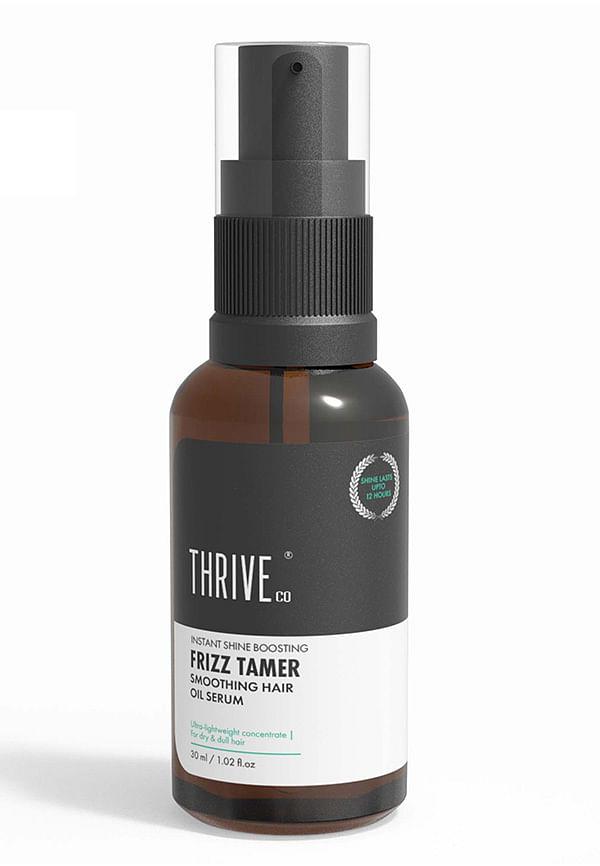
Frizz Tamer Smoothening Hair Oil
Nice & Worthy Product
4“this one is acutually nice worthy spended money on”
While there's no truly permanent solution for frizz, professional treatments like keratin treatments or chemical relaxers can provide long-lasting smoothness for 3-6 months. The key is managing expectations—these treatments reduce frizz significantly but don't eliminate it entirely. Maintaining healthy hair through proper care and regular treatments is the closest you'll get to permanent frizz control.
For quick frizz fixes, try applying a small amount of hair serum to damp hair, then smooth with your hands or a wide-tooth comb. A blast of cool air from your hairdryer can also help seal the cuticles instantly. In emergencies, even a tiny bit of hand cream can work as a smoothing agent—just use sparingly to avoid greasiness.
Curly hair needs frizz solutions that enhance rather than eliminate natural texture. Look for curl-defining creams and gels that provide hold without crunchiness. The "plopping" method—wrapping wet hair in a cotton t-shirt—can help curls dry with less frizz. Avoid brushing curly hair when dry, and consider the "squish to condish" method for better moisture distribution.
Coconut oil can be effective for some hair types, particularly thick, coarse hair that can handle heavier oils. It works by coating the hair shaft and preventing moisture absorption from the air. However, it can be too heavy for fine hair and may cause buildup if used too frequently. Apply sparingly to damp hair, focusing on the ends.
Avoid sulfates in shampoos as they can strip natural oils and worsen frizz. Alcohol-based products (particularly those with denatured alcohol) can be very drying. Some people with frizzy hair also find that silicones build up over time, requiring clarifying shampoos to remove. Pay attention to how your hair responds to different ingredients.
Frizzy hair typically benefits from less frequent washing—every 2-3 days or even weekly, depending on your hair type and lifestyle. Over-washing can strip natural oils that help keep frizz at bay. On non-wash days, use dry shampoo at the roots if needed, and refresh lengths with a water-based leave-in spray.
Understanding what frizz solution means for your specific hair type is the first step towards achieving smoother, more manageable hair. Remember that frizz isn't something to be completely eliminated—it's about finding the right balance of moisture, protection, and styling techniques that work with your hair's natural characteristics rather than against them.
The most effective approach combines good daily habits with the right products for your hair type. Whether that's investing in a quality hair serum for frizz, switching to sulfate-free shampoos, or learning new styling techniques, small changes can make a big difference in how your hair looks and feels.
Building a frizz-fighting routine takes time and experimentation. What works for someone else might not work for you, and that's perfectly normal. The key is being patient with the process and adjusting your approach based on how your hair responds. Not sure which products might work best for your hair type? Smytten offers trial-size versions of many popular frizz-fighting products—a smart way to test different formulas before committing to full-size bottles.
