What is a Hair Follicle? Understanding Its Anatomy and Function

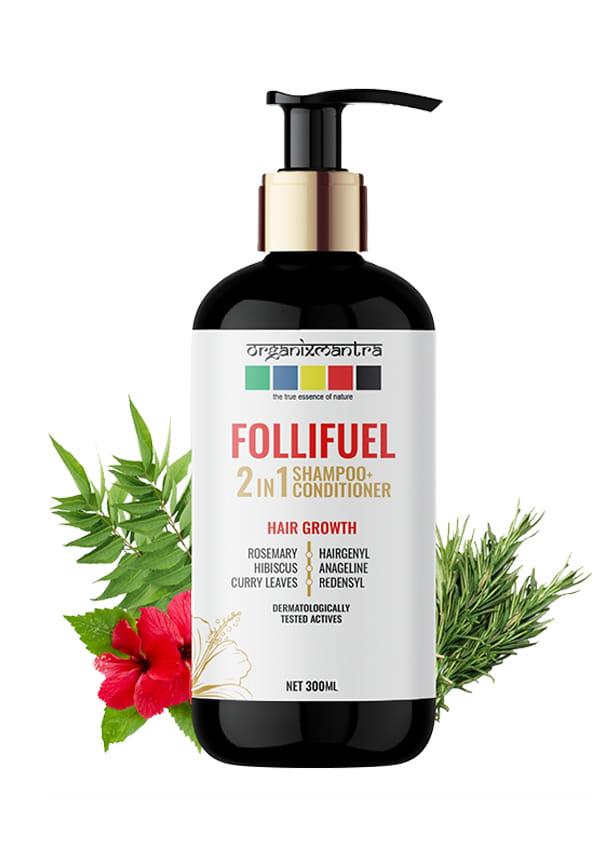
FolliFuel Hair Growth Serum with Hairgenyl, Anageline, Redensyl
Ever wondered what actually makes your hair grow? Let's be real—most of us take our hair for granted until something goes wrong. But understanding what a hair follicle is can totally change how you approach haircare. Think of hair follicles as tiny factories working 24/7 beneath your scalp, producing every strand you see. These microscopic structures are way more complex than you might think, and knowing how they work could be the key to healthier, stronger hair. Whether you're dealing with hair loss, trying to boost growth, or just curious about what's happening up there, getting to grips with hair follicle anatomy is your first step towards better hair days.
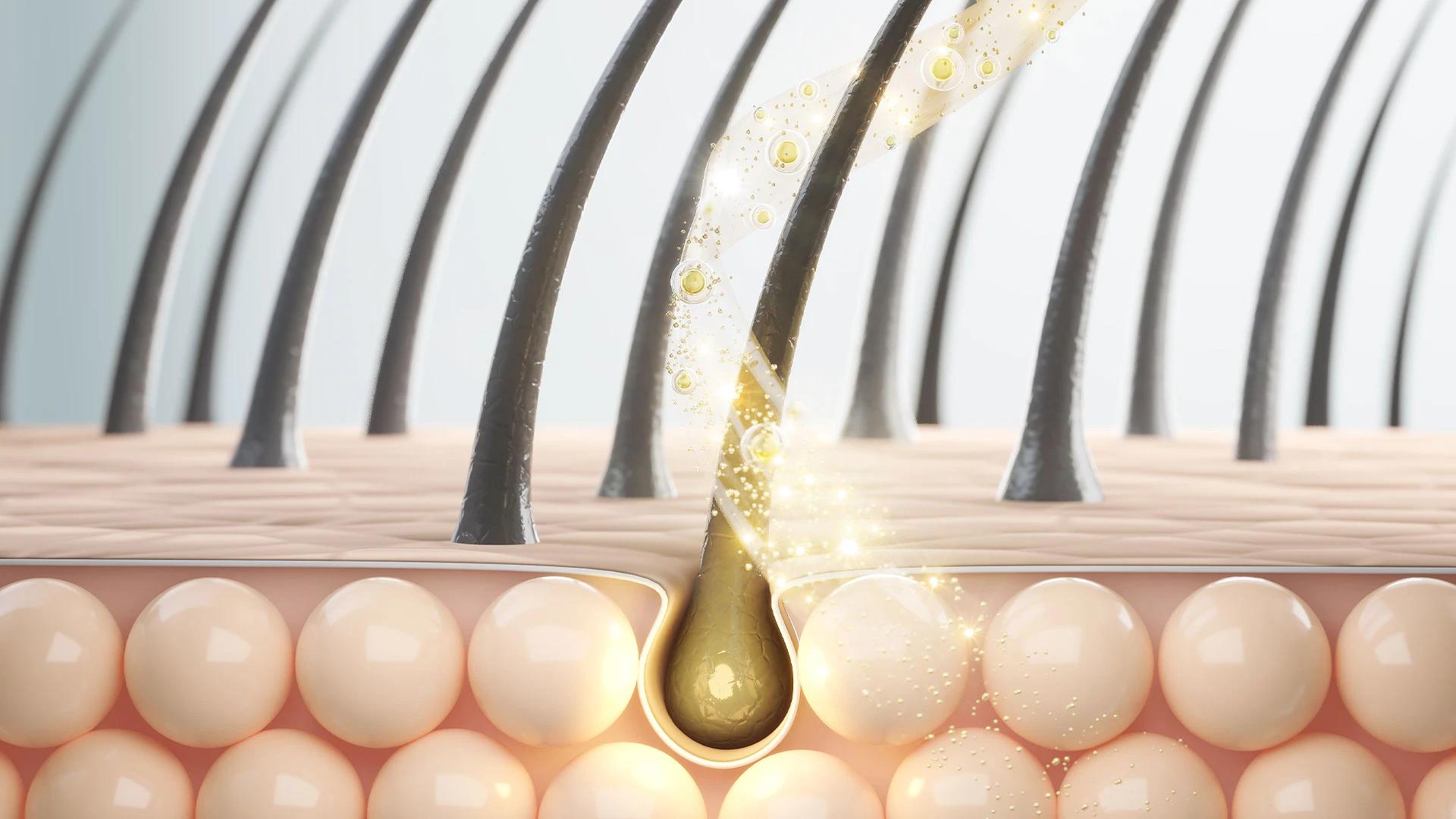
A hair follicle is essentially a tunnel-shaped organ that lives in your skin, stretching from the surface down into the deeper layers. Picture it as a tiny tube that houses and nurtures each individual hair strand from birth to shedding.
Here's what makes hair follicle structure so fascinating:
Location: Embedded in both the epidermis (outer skin layer) and dermis (deeper layer)
Size: Microscopic but mighty—each one is perfectly designed for hair production
Quantity: Your scalp alone hosts over 100,000 of these little hair factories
Function: Primary job is hair growth, but they do so much more
The hair follicle function goes beyond just sprouting hair. These structures are actually mini ecosystems that respond to hormones, nutrients, and environmental factors. Unlike a simple pore, each follicle is a complex organ with multiple components working together to create and maintain your hair.
Understanding hair follicle anatomy is like getting a backstage pass to your hair's production process. Each follicle is packed with specialised parts that work together seamlessly.
The hair follicle structure is surprisingly intricate for something so small. Here are the key players:
Hair bulb: The powerhouse at the bottom where all the magic happens—this is where new hair cells are born
Hair root sheath: Acts like protective packaging around the growing hair
Sebaceous gland: Your natural oil factory that keeps hair and scalp moisturised
Arrector pili muscle: The tiny muscle that makes your hair stand up when you're cold or scared
Hair canal: The pathway your hair travels through to reach the surface
Hair follicles don't just sit on your scalp—they're deeply embedded structures that connect multiple skin layers.
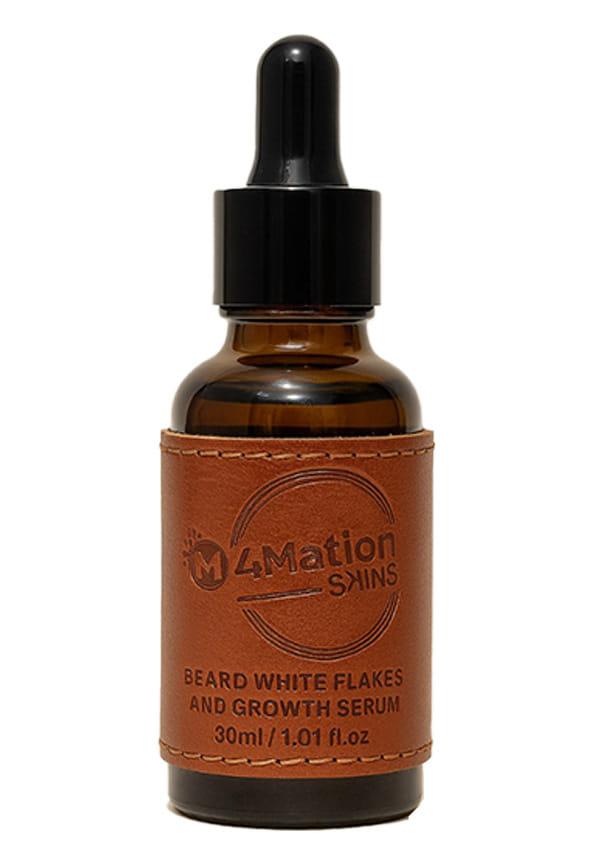
Beard White Flakes & Growth Oil
The opening starts at the epidermis surface
The main shaft extends through the dermis
The bulb reaches into subcutaneous tissue for maximum nourishment
Blood vessels surround the bulb, delivering essential nutrients
The hair follicle function is like a perfectly choreographed dance that never stops. These tiny structures are constantly cycling through different phases, each serving a specific purpose in hair production.
The hair growth cycle is where hair follicle regeneration really shines. This process happens in three distinct phases:
Anagen phase: The growth party—lasts 2-7 years and produces about 85% of your hair
Catagen phase: The transition period—a brief 2-3 week pause where growth slows
Telogen phase: Rest time—hair chills for 3 months before naturally shedding
What's brilliant about hair follicle regeneration is that each follicle operates on its own schedule. This means you're constantly growing new hair while others are resting or shedding—pretty clever system, right?
Hair follicles are multitaskers that do way more than just produce hair.
They help with wound healing by providing stem cells for skin repair
Act as sensory organs that detect touch and movement
Respond to hormonal changes throughout your life
Serve as reservoirs for skin regeneration when needed
Sometimes things go wrong with our hair follicles, and knowing what to look for can help you take action early. Hair follicle damage can happen for various reasons, and understanding the causes helps with prevention.
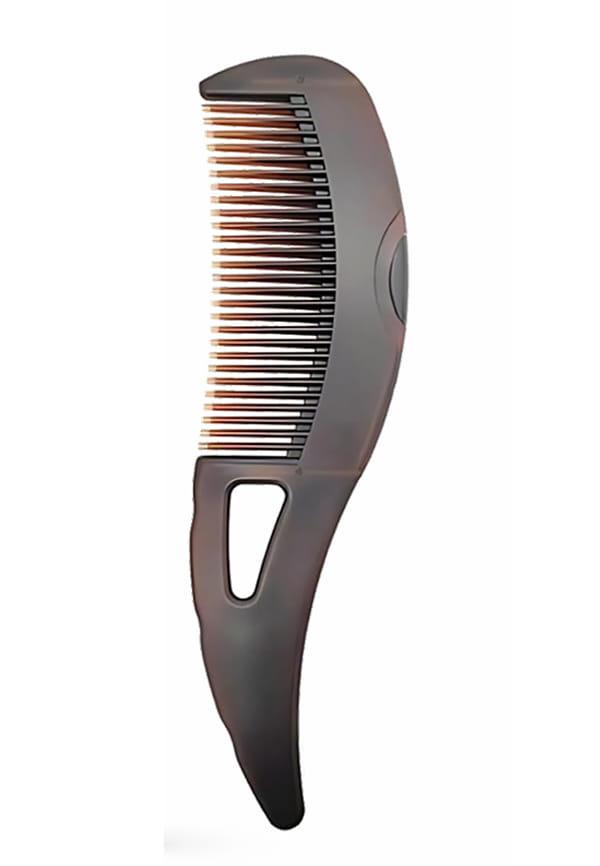
Dandruff Care Advanced Scalp Cleaning Comb
Hair follicle damage doesn't happen overnight—it's usually the result of ongoing stress on these delicate structures.
Physical trauma: Tight ponytails, aggressive brushing, or excessive heat styling
Chemical damage: Harsh hair treatments, certain medications, or environmental toxins
Hair follicle miniaturization: When follicles gradually shrink due to hormonal changes
Inflammation: Scalp conditions that create an unhealthy environment for follicles
Spotting hair follicle disorders early can make a huge difference in treatment outcomes.
Folliculitis: Inflammation that causes red, painful bumps around follicles
Scarring alopecia: Permanent hair loss due to follicle destruction
Androgenic alopecia: Pattern baldness caused by hormone sensitivity
Trichotillomania effects: Damage from compulsive hair pulling
The difference between healthy hair follicles and damaged ones is often visible—healthy follicles produce strong, consistent hair growth, while damaged ones might produce thin, weak strands or stop producing hair altogether.
The good news about hair follicle damage is that many conditions are treatable, especially when caught early. Hair follicle treatment ranges from simple lifestyle changes to advanced medical interventions.
Professional hair follicle treatment options have come a long way in recent years.
Topical treatments: Minoxidil and other growth-promoting solutions
Prescription medications: Finasteride for hormone-related hair loss
Professional scalp treatments: PRP therapy and microneedling
Advanced procedures: Hair transplants for severely damaged follicles
Supporting healthy hair follicles doesn't always require medical intervention—sometimes simple changes make a big difference.
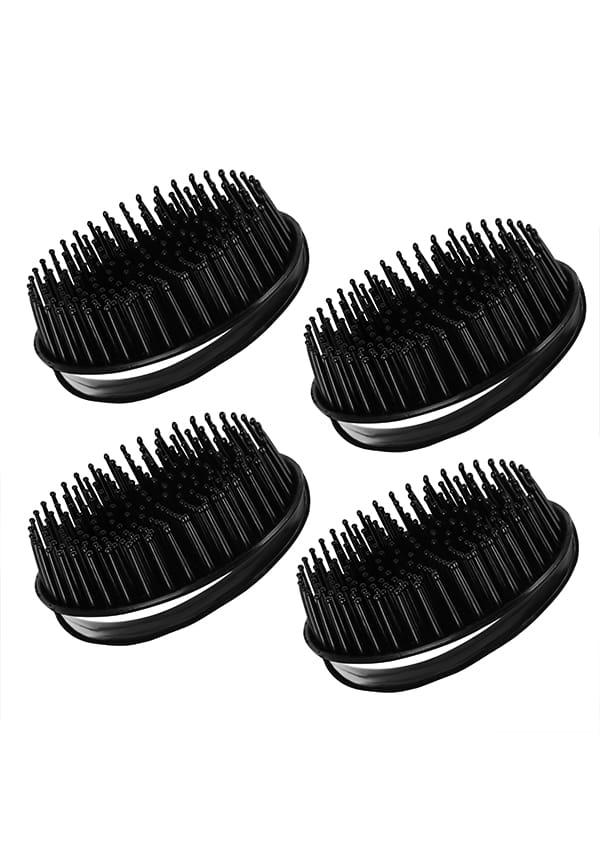
Hand Grip Round Comb & Scalp Massager | Small Round Hair Comb Shampoo Brush Scalp Massage
Eat a balanced diet rich in protein, iron, and vitamins
Practice gentle scalp massage to boost circulation
Choose mild, sulphate-free haircare products
Manage stress levels through exercise and relaxation
Protect hair from excessive heat and chemical processing
When exploring haircare products to support follicle health, platforms like Smytten make it easy to try different formulations without committing to full-size purchases. With trial packs from trusted brands, you can discover what works best for your specific hair needs before investing in larger products.
Hair follicle regeneration depends on the type and extent of damage. Follicles can recover from temporary damage caused by stress, poor nutrition, or gentle trauma. However, follicles destroyed by scarring or severe inflammation typically cannot regenerate. The key is early intervention—the sooner you address follicle damage, the better your chances of recovery.
Most hair follicles produce a single hair strand, but some follicles can contain 2-4 hairs grouped together in what's called a follicular unit. This is completely normal and varies across different areas of your scalp. The density and grouping of follicles contribute to your overall hair thickness and coverage.
Under a microscope, a hair follicle looks like a tiny tunnel or tube extending into the skin. At the surface, you might see a small opening (the pore) where hair emerges. The follicle itself appears as a cylindrical structure with the hair shaft in the centre, surrounded by various layers of cells and support structures.
Several factors can damage hair follicles including excessive heat styling, tight hairstyles, harsh chemicals, hormonal imbalances, poor nutrition, stress, certain medications, and scalp infections. Physical trauma from aggressive brushing or pulling can also cause follicle damage. The key is gentle handling and maintaining overall scalp health.
Understanding what a hair follicle is gives you the power to make better decisions about your haircare routine. These tiny but mighty structures are responsible for every strand on your head, and treating them well pays off in stronger, healthier hair.
Remember that healthy hair follicles are the foundation of great hair. Whether you're dealing with specific concerns or just want to maintain what you have, focusing on follicle health through gentle care, proper nutrition, and the right products makes all the difference. With platforms like Smytten offering trial-sized products from over 1,500 trusted brands, you can explore different haircare solutions to find what works best for your unique follicle needs—because why settle for maybe when you can Try It All?
