What Does Serum Do for Hair? Your FAQ Answered
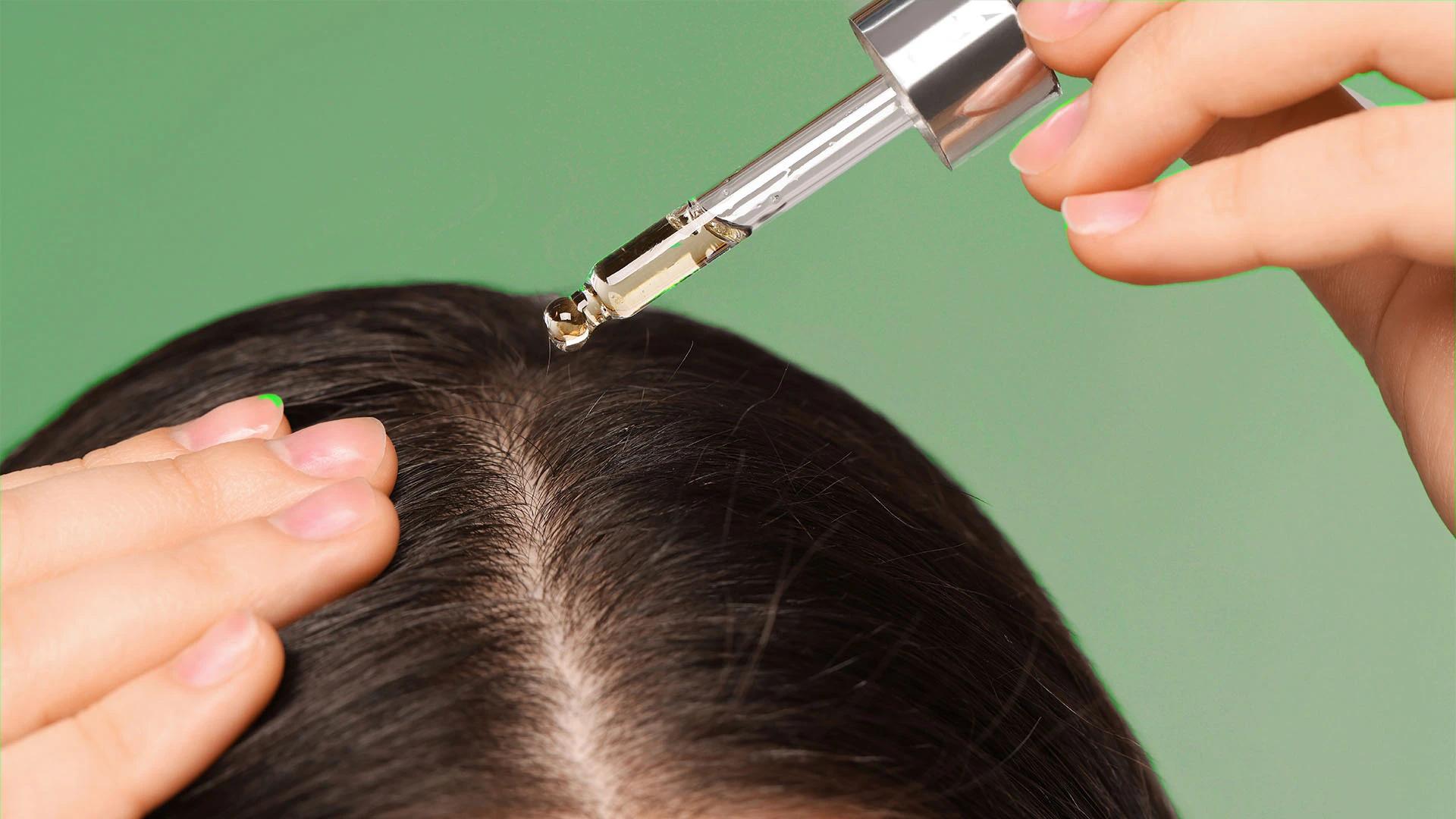

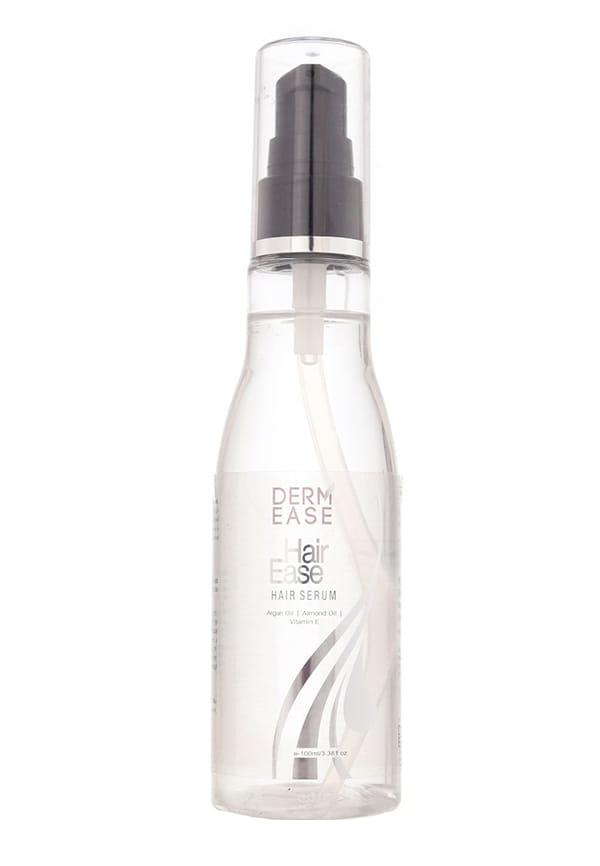
Hair Ease Hair Serum
Ever stood in front of the mirror, watching your hair do its own thing despite your best efforts? You're not alone. Whether it's frizz that appears out of nowhere, dullness that makes your hair look lifeless, or flyaways that refuse to stay put, we've all been there. That's where hair serum comes in — but what does serum actually do for your hair, and is it worth adding to your routine?
Let's clear something up first — hair serum is completely different from the face serums you might be familiar with. While facial serums are water-based treatments that penetrate deep into your skin, hair serums are silicone or oil-based products designed to coat your hair strands and smooth the outer layer (called the cuticle).
So what does serum do exactly? Think of it as a protective shield for your hair. Hair serum works by creating a thin, invisible layer around each strand that smooths down the cuticle scales. When these scales lie flat, your hair reflects light better, appears shinier, and feels smoother to touch. It's like giving your hair a glossy finish that also protects it from environmental damage.
The magic happens at the molecular level. Hair serums contain ingredients that fill in microscopic gaps in damaged hair cuticles, creating a smoother surface. This is why your hair feels silkier and looks more polished after applying serum — you're literally smoothing out the rough patches.
Hair serum benefits go way beyond just making your hair look pretty. Real talk — this little bottle can be a game-changer for multiple hair concerns you might be dealing with.
Frizz control tops the list of serum uses for hair. If humidity turns your hair into a puffball, serum creates a barrier that prevents moisture from penetrating your hair shaft and causing frizz. It's particularly brilliant for those monsoon months when the air feels thick enough to swim through.
Heat protection is another major win. Most hair serums contain ingredients that form a protective layer between your hair and hot styling tools. While it's not a replacement for dedicated heat protectants, it does offer some defence against damage from blow dryers, straighteners, and curling irons.
Split end prevention becomes easier with regular serum use. By keeping your hair cuticles smooth and sealed, serum reduces the friction that leads to breakage and splitting. Your hair ends stay healthier for longer, which means fewer trips to the salon for trims.
For colour-treated hair, serum acts like a protective coating that helps lock in your hair colour. The smoother cuticle surface means less colour molecules can escape, keeping your hair vibrant for longer periods.
Understanding hair serum ingredients helps you pick the right formula for your specific needs. Not all serums are created equal, and knowing what's inside makes all the difference.
Silicones are the workhorses of most hair serums. Dimethicone and cyclomethicone are the most common ones you'll spot on ingredient lists. These create that smooth, glossy finish and provide excellent heat protection. They're particularly good for coarse or damaged hair that needs serious smoothing power.
Natural oils like argan, coconut, and jojoba bring nourishment to the party. These ingredients don't just coat your hair — they actually penetrate the hair shaft to provide moisture and nutrients. Argan oil is especially loved for its lightweight feel and ability to tame frizz without weighing hair down.
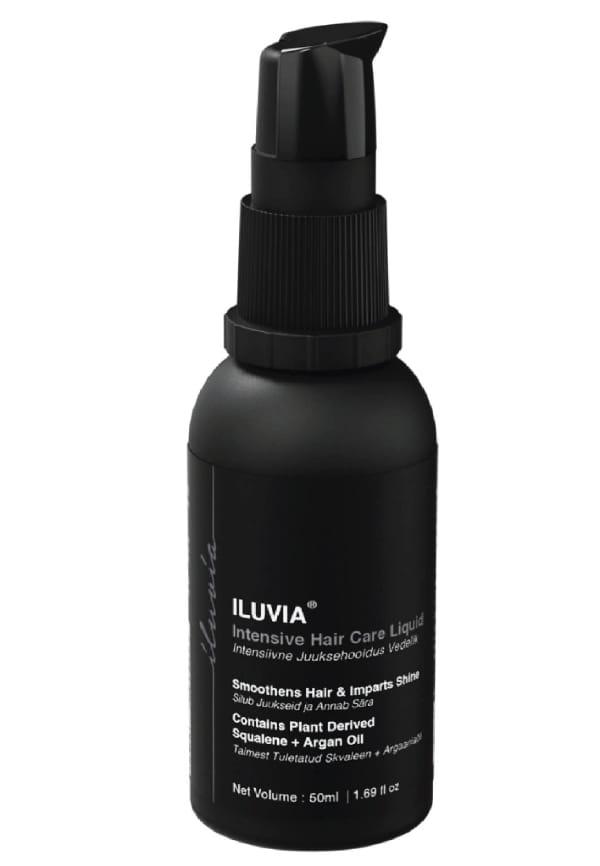
Intensive Haircare Serum | Softer, shiny, bouncier hair + Heat Protection
Proteins such as keratin and silk proteins help strengthen your hair structure. If your hair feels weak or brittle, look for serums containing these ingredients. They fill in gaps in damaged hair and help rebuild the hair's natural strength.
Vitamins E and B5 (panthenol) act as antioxidants and conditioning agents. Vitamin E protects your hair from environmental damage, while B5 helps retain moisture and adds shine. These ingredients make your hair healthier over time, not just prettier in the moment.
Not all hair serums work the same way, and choosing the right type makes a huge difference in your results. Let's break down the main categories so you can find your perfect match.
Hair smoothing serum is designed specifically for frizzy, unruly hair that needs serious taming. These formulas typically contain higher concentrations of silicones and are heavier in texture. They're brilliant for thick, coarse, or chemically treated hair that tends to puff up in humidity.
Lightweight serums work better for fine or thin hair that gets weighed down easily. These formulas contain smaller silicone molecules or oil blends that provide smoothness without the heaviness. They're perfect if you want shine and manageability without sacrificing volume.
Intensive repair serums target damaged hair with a combination of proteins, oils, and conditioning agents. If your hair has been through chemical processing, heat damage, or environmental stress, these serums help rebuild and strengthen while providing surface benefits.
Colour-protecting serums contain UV filters and antioxidants specifically chosen to prevent colour fading. They're essential if you've invested in hair colour and want to keep it looking fresh between salon visits.
Heat protection serums are formulated with ingredients that can withstand high temperatures. While they provide the usual smoothing benefits, their main job is protecting your hair during styling with hot tools.
Getting the most out of your hair serum comes down to proper hair serum application technique. It's not just about slapping it on and hoping for the best — there's actually a method to the madness.
Start with damp hair for the best results. Hair serum spreads more evenly on slightly wet hair and penetrates better than on completely dry strands. Towel-dry your hair gently first, removing excess water without rough rubbing that can cause frizz.
Amount matters more than you might think. For shoulder-length hair, you typically need just 2-3 drops of serum. Fine hair needs even less — maybe just 1-2 drops. Too much product will weigh your hair down and make it look greasy rather than glossy.
Distribution technique is crucial for even coverage. Rub the serum between your palms first, then gently press it through your hair from mid-length to ends. Avoid the roots unless you have very dry or damaged hair. Work in sections if you have thick hair to ensure every strand gets attention.
Comb through with a wide-tooth comb after application to distribute the product evenly. This prevents clumping and ensures every strand gets its share of the serum benefits.
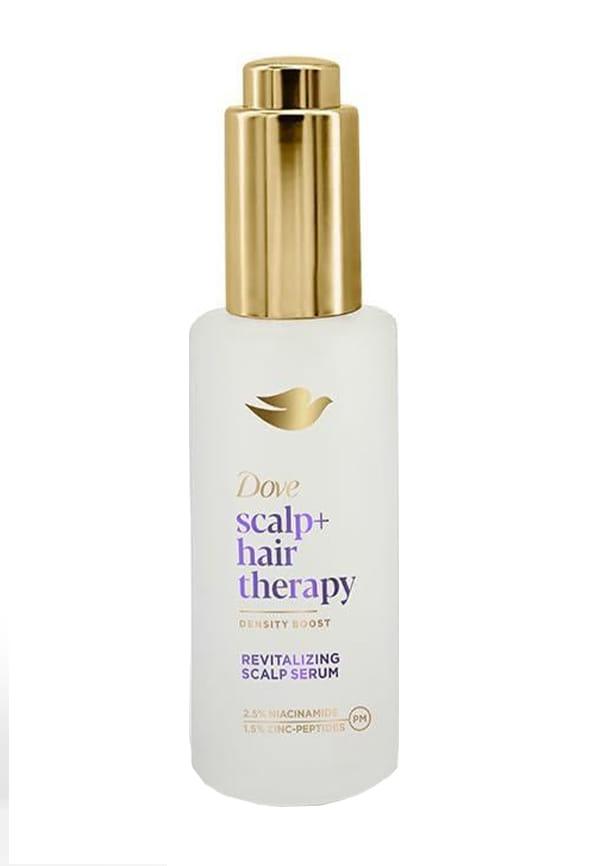
Dove Scalp+Hair Therapy Density Boost Revitalizing Scalp Serum
Don't apply serum to soaking wet hair — it won't absorb properly and might slide right off. Also, avoid applying too close to your scalp unless specifically directed, as this can make your roots look oily.
The hair serum vs oil debate is real, and honestly, both have their place in a good hair routine. Understanding the differences helps you pick the right product for your specific needs and hair type.
Hair oils penetrate deeper into the hair shaft, providing nourishment from within. Benefits of hair oil include deep conditioning, scalp health improvement, and long-term hair strengthening. Oils like coconut, argan, and jojoba can actually repair damaged hair over time.
Hair serums, on the other hand, work primarily on the surface. They provide instant results — immediate shine, smoothness, and frizz control — but don't necessarily improve your hair's health long-term. Think of oils as skincare for your hair, while serums are more like makeup.
For fine hair, serums usually work better because they're lighter and less likely to weigh hair down. Thick, coarse, or very dry hair often benefits more from oils, which can provide the deep nourishment these hair types crave.
You can actually use both together if your hair needs it. Apply oil as a treatment (either before washing or as an overnight mask), then use serum for daily styling and protection. Just don't use them at the same time — that's a recipe for greasy-looking hair.
Yes, most hair serums are designed for daily use, but it depends on your hair type and the specific formula. Fine hair might need serum only every other day to avoid buildup, while thick or damaged hair can usually handle daily application. Watch for signs like greasiness, limpness, or product buildup — these indicate you might be using too much or too frequently.
Hair serum isn't essential for hair health, but it can definitely make managing your hair easier and protect it from damage. If you have naturally smooth, healthy hair and don't use heat styling tools, you might not need serum. However, if you deal with frizz, dryness, or frequent styling, serum can be a helpful addition to your routine.
They serve different purposes, so you might benefit from both. Leave-in conditioner provides moisture and detangling benefits, while serum focuses on smoothing and shine. Apply leave-in conditioner first for moisture, then serum for finishing touches. Just use lighter amounts of each when layering products.
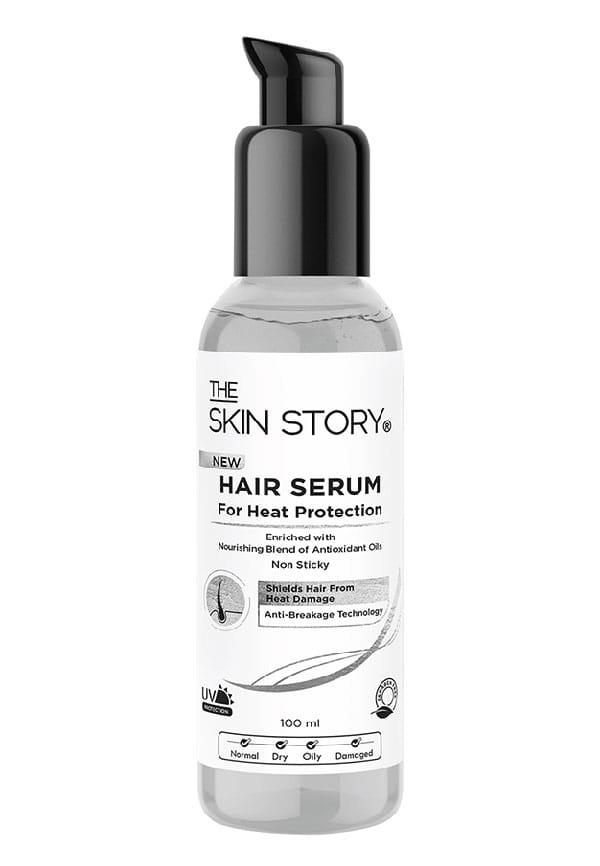
Hair Serum For Heat Protection, UV Protection With Anti Breakage Technology | Non-Sticky
Hair serum and face serum are completely different products despite sharing a name. Face serums are water-based treatments with active ingredients that penetrate skin, while hair serums are silicone or oil-based products that coat hair strands. Never use face serum on your hair — it won't provide the benefits you're looking for and might even cause buildup.
Properly formulated hair serums don't cause hair loss. However, using too much product or not washing it out regularly can lead to scalp buildup, which might clog hair follicles. Always follow usage instructions and maintain a regular hair washing routine.
Finding your perfect hair serum match depends on understanding your hair's specific needs and characteristics. What works brilliantly for your friend might not suit your hair at all.
Fine hair needs lightweight formulas that won't weigh it down. Look for serums with smaller silicone molecules like cyclopentasiloxane or natural lightweight oils. Avoid heavy, thick serums that can make fine hair look flat and greasy.
Thick or coarse hair can handle heavier formulations and often benefits from them. Serums with dimethicone, natural oils, or cream-based textures work well for providing the smoothing power these hair types need.
Curly hair requires serums that enhance natural texture while controlling frizz. Look for products specifically designed for curls, often containing ingredients that define curl patterns while providing moisture and shine.
Colour-treated hair needs extra protection from UV rays and environmental damage. Choose serums with antioxidants, UV filters, and ingredients that help seal the hair cuticle to lock in colour.
Damaged hair benefits from serums with repairing ingredients like proteins, amino acids, and nourishing oils. These help fill in gaps in the hair cuticle while providing surface smoothness.
Hair serum can be a brilliant addition to your hair routine when chosen and used correctly. It provides instant smoothness, shine, and frizz control while offering some protection against heat and environmental damage. The key is finding the right formula for your hair type and using the proper application technique.
Remember that serum works best as part of a complete hair care routine, not as a standalone solution. Combine it with appropriate shampoo, conditioner, and treatments for the best results. And don't forget — what works for others might not work for you, so some experimentation might be needed to find your perfect match.
Not sure which hair serum suits your specific needs? Smytten offers trial-size versions of many popular hair serums from trusted brands — a smart way to test different formulas before committing to full-size bottles. After all, finding the right serum for your hair is worth the effort when you see the results.
