What Causes Premature Grey Hair? Uncover the Surprising Reasons

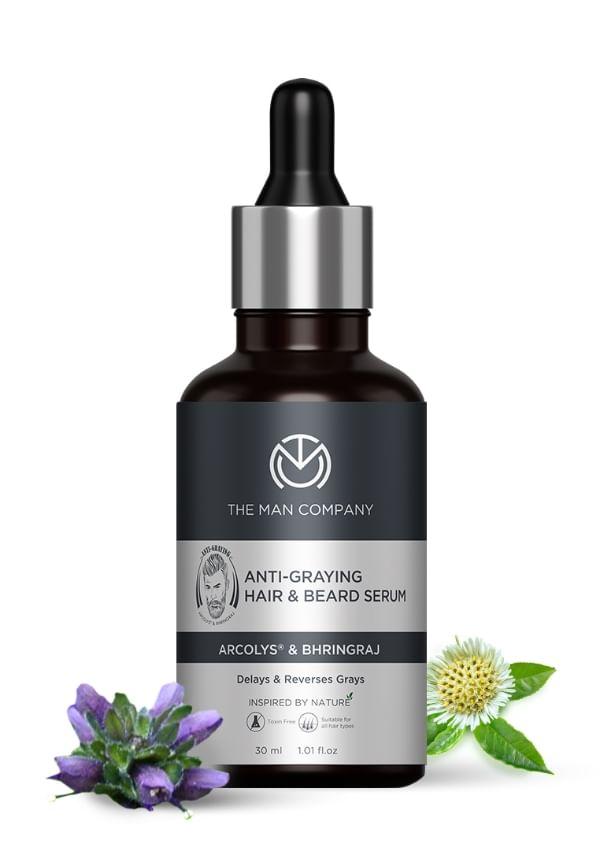
Anti-Graying Serum
Highly Recommended Product
 5
5“best product ,must be try , worth it”
Positive Face Product
5“nice product for face and leaves a good impact”
Awesome Product
5“it's awesome 💯💯💯💯💯💯💯💯💯💯”
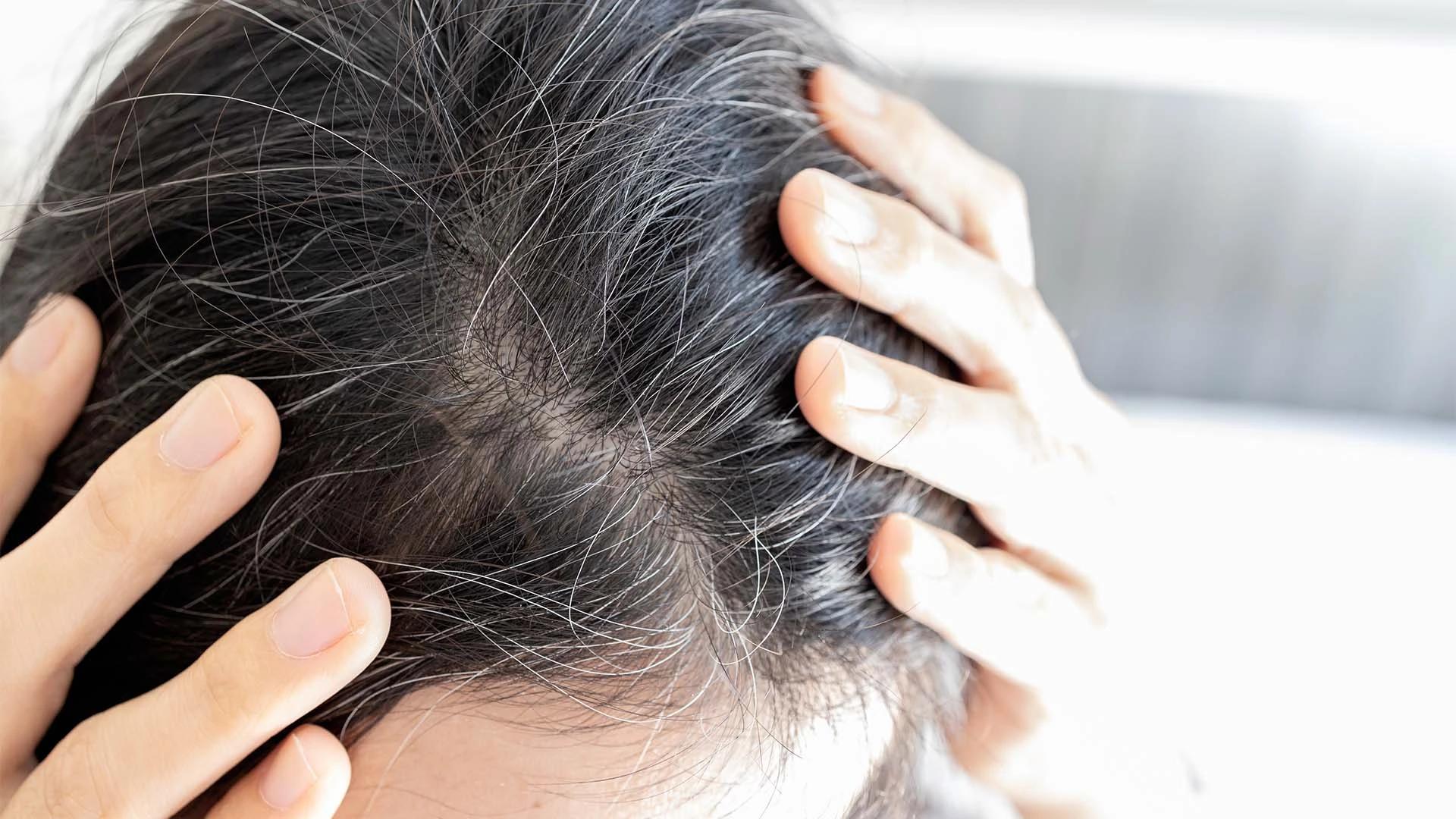
Spotting your first few grey strands can be quite the shock, especially when you're nowhere near your fifties. If you've been wondering why your hair's losing its colour earlier than expected, you're definitely not alone. Premature grey hair affects millions of people worldwide, and the causes of premature greying are way more complex than you might think. From your genes to your daily habits, there's a whole world of factors that could be behind those silver strands. Let's dive into the surprising reasons why some people experience early grey hair and what the science really tells us about this common concern.
Before we explore what causes grey hair early, it's worth understanding how your hair gets its colour in the first place. Your hair follicles contain special cells called melanocytes, which produce melanin - the same pigment that gives your skin its colour. There are two main types of melanin in hair: eumelanin (which creates brown and black colours) and pheomelanin (responsible for red and yellow tones).
As we age, these melanocytes gradually slow down their melanin production. When they eventually stop working altogether, new hair grows without pigment, appearing grey or white. Premature greying happens when this process kicks off much earlier than usual - typically before age 20 in people with lighter skin tones and before 30 in those with darker complexions.
The definition of premature varies depending on your ethnicity and family history. Generally, dermatologists consider greying premature if it starts before your twenties for Caucasians, before your twenties for Asians, and before your thirties for people of African descent.
Let's be real - genetics play a massive role in when your hair starts losing its colour. If your parents or grandparents went grey early, there's a solid chance you might follow the same pattern. Research shows that genetics account for about 30% of the reasons for early grey hair, making it one of the strongest predictors.
Scientists have identified several genes linked to premature greying, including IRF4, which affects melanin production in hair follicles. Your genetic makeup determines not just when you'll start greying, but also the pattern and speed of the process.
Interestingly, men tend to start greying earlier than women, often beginning in their late twenties or early thirties. Women typically notice their first grey hairs in their mid-thirties, though this varies widely based on individual genetics and other factors.
Sometimes, underlying medical conditions are the culprits behind premature grey hair causes. Your body's overall health has a direct impact on your hair's appearance, and certain conditions can accelerate the greying process significantly.
Both overactive (hyperthyroidism) and underactive (hypothyroidism) thyroid conditions can mess with your hair's pigmentation. Your thyroid controls many of your body's metabolic processes, including those that affect hair growth and colour. When it's not functioning properly, you might notice changes in your hair texture, thickness, and colour.
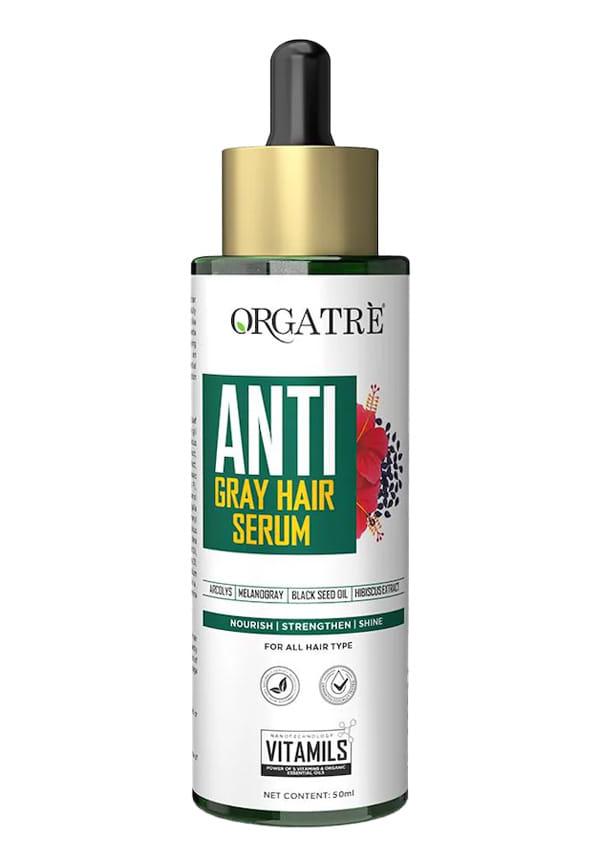
Anti Gray Hair Serum With Anti Greying Arcolys, Melanogray, Biotin
Effective for Hair
5“actually it helps my hair to reduce so very helpful”
Mixed results on grey hair
4“Didn't work for grey hair but gives nice shine and luster to hair”
Autoimmune disorders like vitiligo, where your immune system attacks melanin-producing cells, can cause premature greying. Alopecia areata, another autoimmune condition, doesn't just cause hair loss - when hair regrows, it often comes back grey or white.
Certain genetic syndromes, including Werner syndrome and progeria, can cause rapid ageing including premature grey hair. While these are rare, they highlight how your overall health connects to hair pigmentation.
What you eat (or don't eat) can significantly impact your hair's health and colour. Several nutritional deficiencies have been linked to premature hair graying triggers, and addressing these might help slow down the process.
Vitamin B12 deficiency is one of the most well-documented root causes of early greying. This vitamin is crucial for DNA synthesis and red blood cell formation, both of which affect hair pigmentation. People following strict vegetarian diets are particularly at risk since B12 is primarily found in animal products.
Iron deficiency doesn't just cause anaemia - it can also affect your hair's colour. Iron helps transport oxygen to hair follicles, and without enough of it, melanin production can suffer.
Copper is another essential mineral for melanin synthesis. A copper deficiency can lead to premature greying, though this is less common than B12 or iron deficiencies.
Folate, vitamin D, and certain amino acids also play roles in maintaining hair pigmentation. A balanced diet rich in these nutrients supports healthy hair colour throughout your life.
Your daily habits and environment contribute more to premature grey hair than you might realise. Understanding these lifestyle factors affecting grey hair can help you make choices that support your hair's natural colour for longer.
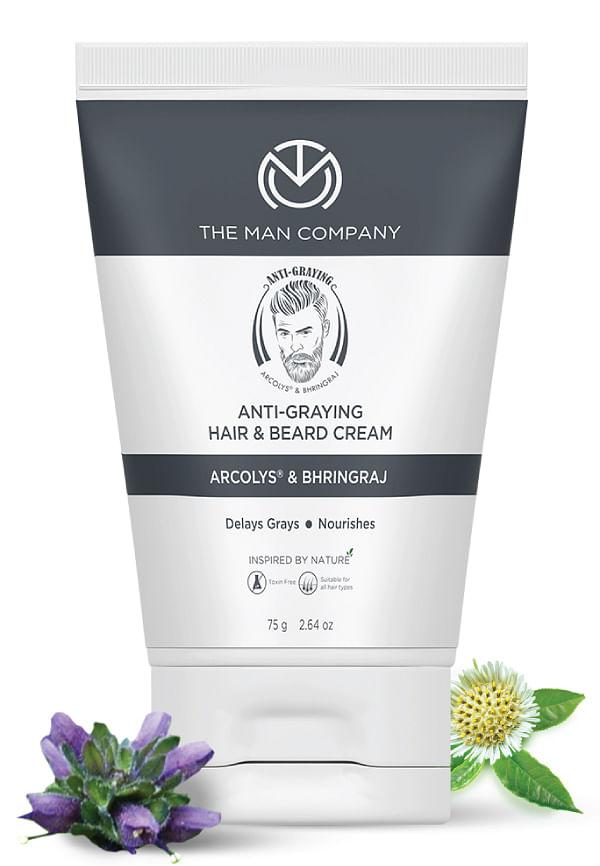
Anti-Graying Hair Cream
Highly Effective Product
5“awesome. it's effective ♥️♥️♥️♥️♥️♥️♥️♥️”
You've probably heard that stress can turn your hair grey overnight, and whilst that's not literally true, chronic stress does contribute to premature greying. Stress hormones like cortisol can interfere with melanin production and create oxidative stress that damages hair follicles.
Recent research has shown that stress can actually deplete the stem cells responsible for hair pigmentation, leading to permanent colour loss.
Here's another reason to quit smoking - it significantly increases your risk of premature greying. Smoking reduces blood flow to hair follicles and creates oxidative stress that damages melanocytes. Studies show smokers are 2.5 times more likely to develop grey hair before age 30.
UV radiation from sun exposure can break down melanin in your hair, leading to premature colour loss. Pollution and harsh chemicals in some hair products can also contribute to oxidative damage that accelerates greying.
While you can't change your genetics, there are ways to potentially slow down the greying process and maintain healthier hair overall. The key is addressing the underlying causes of premature graying that you can control.
Start with your diet - ensure you're getting adequate B vitamins, iron, copper, and antioxidants. Foods like leafy greens, fish, nuts, and berries support healthy hair pigmentation. If you suspect nutritional deficiencies, speak with your healthcare provider about appropriate supplements.
Since stress is one of the factors leading to premature graying, developing healthy coping mechanisms is crucial. Regular exercise, meditation, adequate sleep, and stress-reduction techniques can all help protect your hair's natural colour.
Use gentle, sulphate-free shampoos and avoid excessive heat styling. Protect your hair from UV damage with hats or UV-protective hair products. When exploring new haircare products, platforms like Smytten let you try mini-sized versions from trusted brands before committing to full-size purchases, helping you find what works best for your hair type without the guesswork.
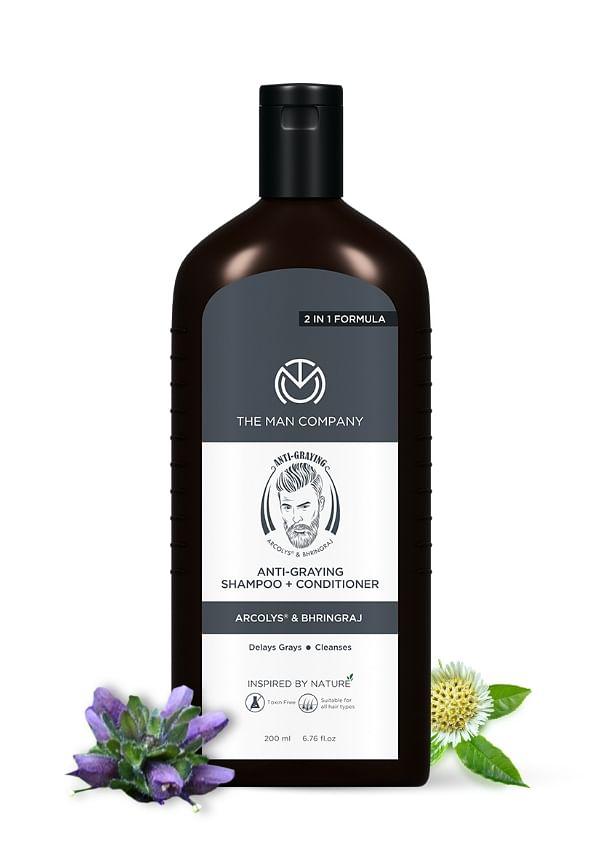
Anti-Graying Hair Shampoo + Conditioner
Good for hair darkening
5“good shampoo helpful in doing black”
Very Good Product
5“It is very good product has given best results”
Positive feedback
5“good nice love it thanks for all your recommendations”
While you can't completely reverse genetic greying, addressing nutritional deficiencies, managing stress, and maintaining a healthy lifestyle might help slow the process. Some people notice improvements when underlying health conditions are treated.
Generally, grey hair is considered premature if it appears before age 20-25 in people with lighter skin tones and before age 30 in those with darker complexions. However, this varies based on genetics and ethnicity.
Yes, B12 deficiency is strongly linked to premature greying. This vitamin is essential for DNA synthesis and melanin production. Correcting a B12 deficiency sometimes helps restore natural hair colour, especially in the early stages.
Chronic stress contributes to premature greying by creating oxidative damage and potentially depleting melanocyte stem cells. While stress won't turn your hair grey overnight, it can accelerate the natural greying process.
Currently, there's no proven way to completely prevent or reverse genetic greying. However, addressing underlying health issues, maintaining proper nutrition, and managing stress can help slow the process. Hair colouring remains the most effective cosmetic solution.
Sometimes premature greying can signal underlying health conditions like thyroid disorders, autoimmune diseases, or nutritional deficiencies. If you're concerned about sudden or rapid greying, it's worth discussing with your healthcare provider.
Understanding the science behind premature graying helps you make informed decisions about your hair health. While genetics play the biggest role, lifestyle factors like stress, nutrition, and environmental exposures also contribute significantly to when and how quickly your hair loses its colour.
The most important thing to remember is that premature grey hair is incredibly common and often completely normal. However, if you notice sudden or rapid greying, especially alongside other symptoms, it's worth checking with your healthcare provider to rule out underlying conditions.
Whether you choose to embrace your silver strands or explore colouring options, the key is making choices that support your overall hair health. With platforms like Smytten offering trial packs from over 1,500 trusted haircare brands, you can explore different products to find what works best for your unique needs. After all, healthy hair is beautiful hair, regardless of its colour - and why settle for maybe when you can Try It All!
