What Causes Itchy Scalp? Your FAQ Answered

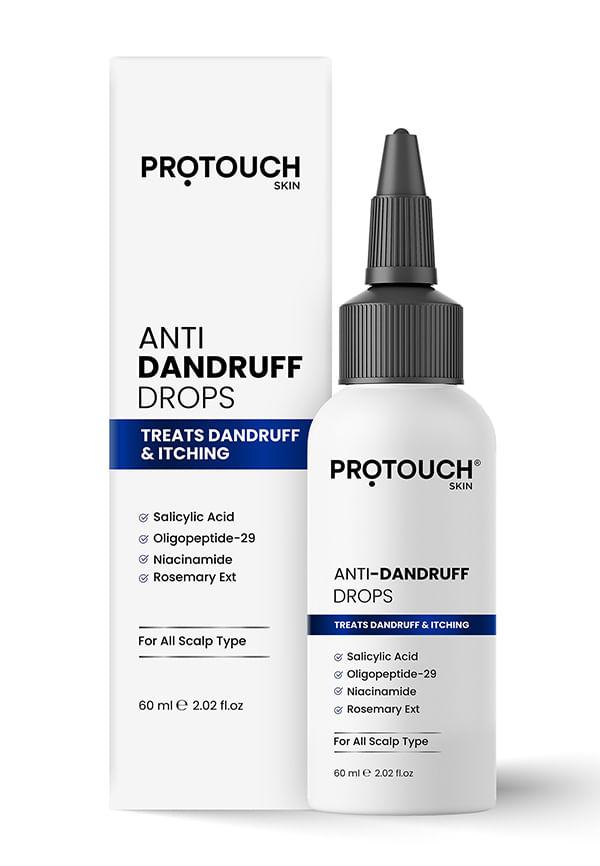
SKIN Anti Dandruff Drops Serum Soothes Itchy, Inflamed Scalp
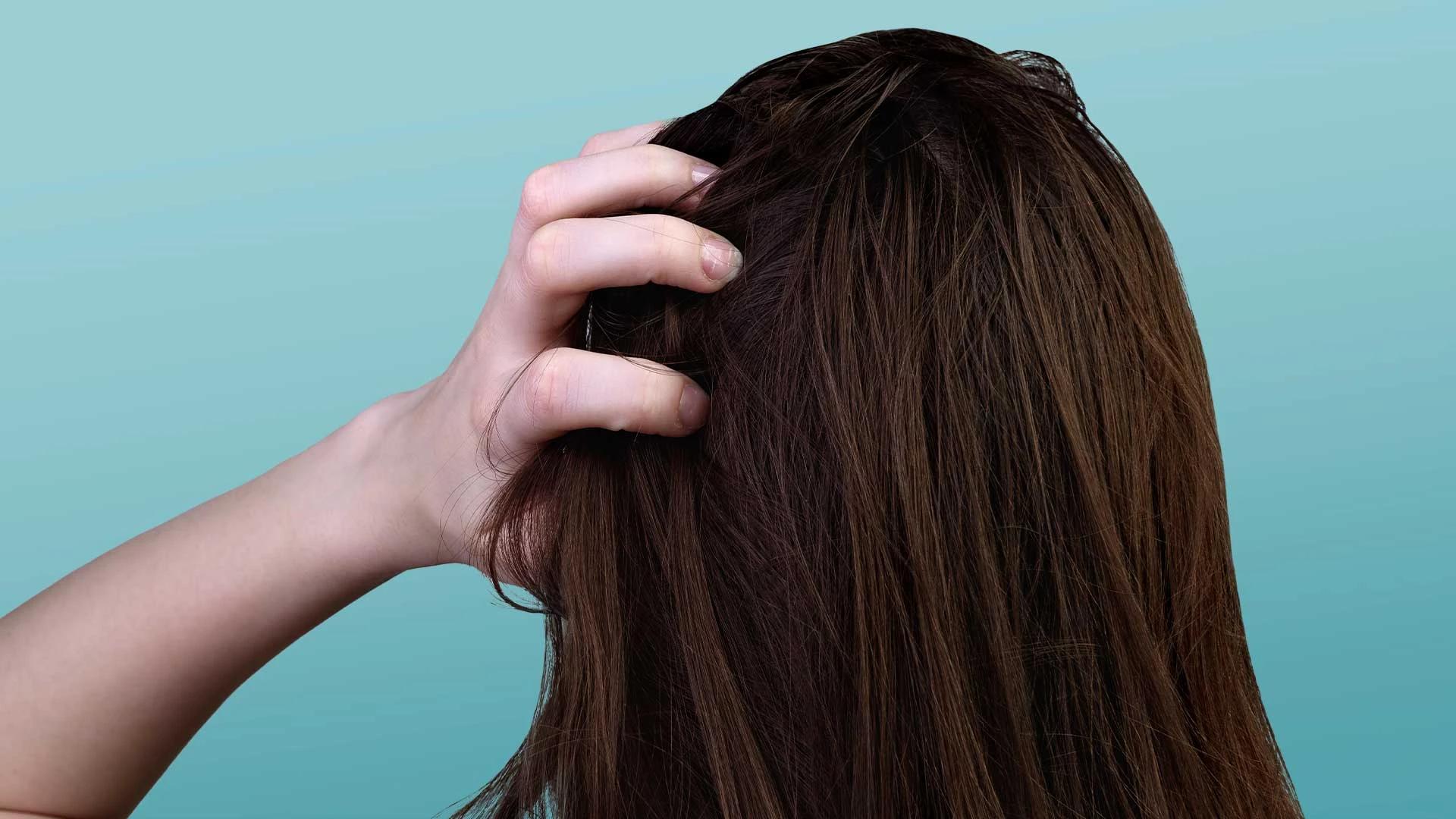
You know that feeling when your scalp starts tingling and you can't stop scratching? We've all been there—sitting in a meeting, trying to focus, but all you can think about is that persistent itch. Whether it's a sudden flare-up or something that's been bothering you for weeks, an itchy scalp can be seriously distracting. The good news? Understanding what causes itchy scalp issues is the first step to finding real relief. Let's dive into the most common culprits and what you can actually do about them.
Scalp irritation affects millions of people worldwide, and it's way more complex than just "dry skin up there." Your scalp has its own unique ecosystem—oil glands, hair follicles, and a delicate pH balance that can get thrown off by countless factors. When something disrupts this balance, your scalp sends out distress signals in the form of itching, burning, or that tight, uncomfortable feeling.
The tricky part about scalp irritation is that it can range from mild annoyance to seriously disruptive. Some people deal with occasional itchiness after trying a new shampoo, while others experience chronic conditions that affect their daily lives. Recognising the difference between temporary irritation and something that needs proper attention is crucial.
Watch out for warning signs like persistent itching that lasts more than a few days, visible flakes or scales, red patches, or any bleeding from scratching. If your scalp feels tender to touch or you notice unusual hair loss alongside the itching, it's worth checking in with a dermatologist. These symptoms often point to underlying conditions that respond well to targeted treatment.
Acute scalp irritation usually comes on suddenly—think reaction to a new hair product or environmental trigger. Chronic issues, on the other hand, tend to develop gradually and stick around for weeks or months. Understanding which category your symptoms fall into helps narrow down potential itchy scalp causes and guides your treatment approach.
Several medical conditions are notorious for causing persistent scalp irritation. Getting familiar with these can help you identify what might be going on and when to seek professional help. Let's break down the most common ones you're likely to encounter.
This is probably the most common cause of itchy scalp that people deal with. Seborrheic dermatitis happens when a naturally occurring fungus called Malassezia gets a bit too comfortable on your scalp. This fungus feeds on the oils your scalp produces, and when it overgrows, it triggers inflammation and those telltale white or yellowish flakes.
The symptoms are pretty distinctive—oily, greasy-looking flakes that stick to your hair and scalp, along with redness and itching. Unlike regular dry skin flakes, these tend to be larger and more yellowish. The itching often gets worse when you're stressed or during seasonal changes.
Scalp psoriasis creates thick, silvery scales that can extend beyond your hairline onto your forehead, neck, and ears. It's an autoimmune condition where your skin cells multiply too quickly, creating those characteristic thick patches. The itching can be intense, and unlike dandruff symptoms, psoriasis scales are typically thicker and more stubborn.
This condition often runs in families and can be triggered by stress, certain medications, or infections. The patches might feel tight and uncomfortable, and scratching can lead to temporary hair loss in affected areas.
Sometimes your scalp is literally telling you that it doesn't like something you're putting on it. Hair product allergies can develop suddenly, even to products you've used for years. Common culprits include sulfates in shampoos, preservatives like parabens, fragrances, and hair dyes containing PPD (para-phenylenediamine).
The reaction usually shows up as redness, swelling, and intense itching within hours or days of using the offending product. If you suspect a product allergy, try switching to gentler, fragrance-free alternatives and see if symptoms improve.
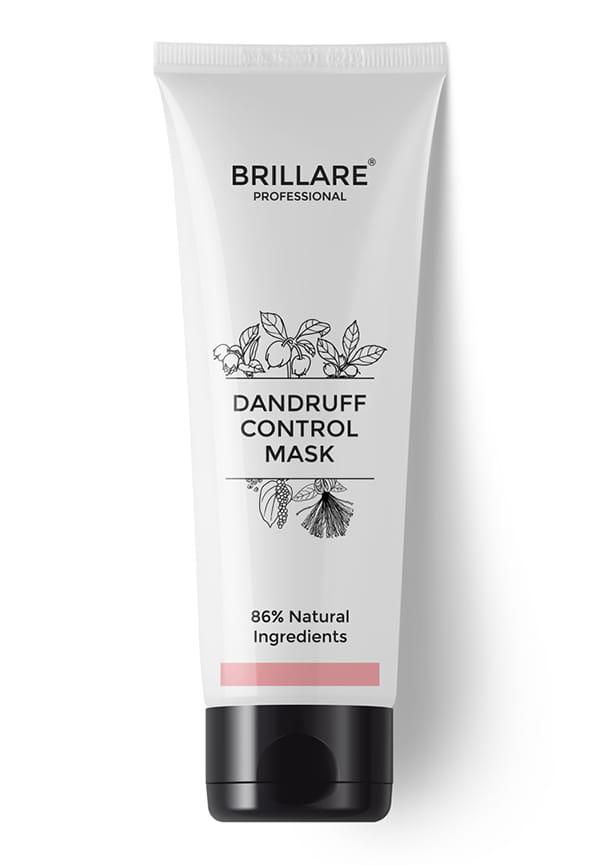
Conditioner For Itchy, Flaky Scalp
When hair follicles get infected or inflamed, they can cause localised itching and small, pus-filled bumps. This often happens from bacterial or fungal infections, especially if you frequently wear tight hairstyles, use dirty hair tools, or have excessive sweating.
The bumps might look like tiny pimples around hair follicles, and the area can feel tender or sore. Prevention involves keeping your scalp clean, avoiding overly tight styles, and ensuring your hair tools are properly sanitised.
Your environment and daily habits play a huge role in scalp health. Weather changes, especially drops in humidity during winter, can leave your scalp feeling tight and itchy. Central heating and air conditioning also strip moisture from the air, affecting your scalp's natural hydration levels.
How often you wash your hair matters more than you might think. Over-washing strips away natural oils, leading to dryness and irritation. Under-washing allows oil, dead skin cells, and product buildup to accumulate, creating an environment where bacteria and fungi can thrive. Finding that sweet spot—usually every 2-3 days for most people—helps maintain healthy scalp balance.
Hot water and high-heat styling tools are major culprits behind scalp irritation. That steamy shower might feel amazing, but hot water strips your scalp's protective oils. Similarly, blow dryers, straighteners, and curling irons used too close to the scalp can cause burns and ongoing sensitivity.
Stress is another sneaky trigger. When you're stressed, your body produces more cortisol, which can disrupt your scalp's oil production and make existing conditions like seborrheic dermatitis worse. Poor nutrition, particularly deficiencies in zinc, B vitamins, or omega-3 fatty acids, can also contribute to scalp problems.
While most scalp itching is benign, sometimes it can be a sign of something more serious happening in your body. Liver and kidney diseases can cause generalised itching that includes the scalp, often without visible rash or irritation. This type of itching tends to be more intense at night and doesn't respond well to typical scalp treatments.
Thyroid disorders, both overactive and underactive, can affect your scalp's health and sensitivity. Autoimmune conditions like lupus or dermatomyositis sometimes present with scalp symptoms before other signs become apparent.
In rare cases, persistent, unexplained itching can be associated with certain blood cancers or lymphomas. This is usually accompanied by other symptoms like unexplained weight loss, night sweats, or swollen lymph nodes. If your scalp itching is severe, doesn't respond to treatment, and comes with other concerning symptoms, definitely get it checked out.
The right itchy scalp treatment depends entirely on what's causing your symptoms. For fungal issues like seborrheic dermatitis, antifungal shampoos containing ketoconazole, selenium sulfide, or zinc pyrithione are often the first line of defense. These ingredients target the Malassezia fungus and help reduce inflammation.
Topical corticosteroids can provide quick relief for inflammatory conditions, but they're typically used short-term due to potential side effects with prolonged use. Your dermatologist might prescribe stronger treatments like topical calcineurin inhibitors for stubborn cases.
Dermatologists have access to more intensive treatments when over-the-counter options aren't cutting it. Light therapy (phototherapy) can be effective for psoriasis, while prescription-strength antifungal treatments tackle severe seborrheic dermatitis.
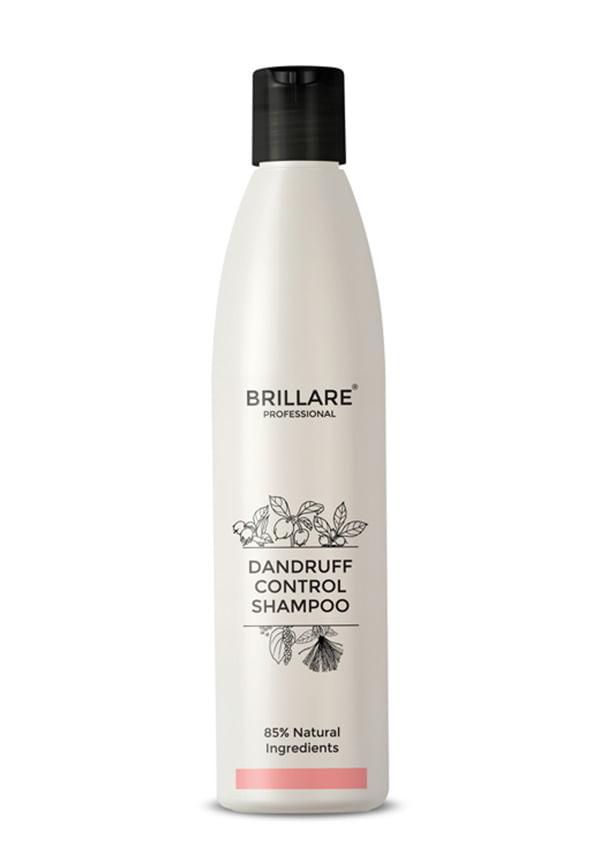
Dandruff Control Shampoo For Itchy, Flaky Scalp
In complex cases, your dermatologist might recommend a scalp biopsy to definitively diagnose the condition. This sounds scary, but it's a simple procedure that provides valuable information for targeted treatment.
Sometimes the most effective itchy scalp home remedies are sitting right in your kitchen. These natural approaches can complement medical treatments or provide relief for mild irritation.
Tea tree oil has strong antifungal and antibacterial properties, making it excellent for treating fungal-related scalp issues. Mix a few drops with a carrier oil like coconut oil before applying, as pure tea tree oil can be too strong for direct scalp contact.
Apple cider vinegar helps restore your scalp's natural pH balance and has antimicrobial properties. Dilute it with equal parts water and use as a final rinse after shampooing. The smell fades once your hair dries, leaving behind a healthier scalp environment.
Aloe vera gel provides immediate cooling relief and has anti-inflammatory properties. Apply pure aloe vera gel directly to irritated areas and leave for 15-20 minutes before rinsing. Coconut oil works as both a moisturiser and antifungal agent, particularly effective for dry scalp remedies.
How you wash and care for your hair makes a massive difference in scalp health. Use lukewarm water instead of hot, and focus shampoo on your scalp rather than the length of your hair. Gentle scalp massage with your fingertips (not nails) improves circulation and helps distribute natural oils.
Choose a brush with natural bristles and clean it regularly to prevent bacteria buildup. Avoid tight hairstyles that pull on your scalp, and give your hair breaks from heat styling when possible.
Preventing scalp irritation is often easier than treating it. Establish a consistent hair care routine that works for your specific scalp type and stick with it. Pay attention to how your scalp reacts to different products and environmental changes.
Read ingredient lists carefully and avoid known irritants if you have sensitive skin. Manage stress through regular exercise, adequate sleep, and relaxation techniques. Your scalp health is closely connected to your overall wellbeing, so taking care of yourself holistically makes a real difference.
Consider your diet too—foods rich in omega-3 fatty acids, zinc, and B vitamins support healthy skin and scalp function. Stay hydrated and limit processed foods that can trigger inflammation throughout your body.
You should see a healthcare provider if your scalp itching persists for more than two weeks, is accompanied by hair loss, shows signs of infection (pus, severe redness, warmth), or comes with other symptoms like fever or swollen lymph nodes. Also seek help if over-the-counter treatments haven't provided relief after consistent use for several weeks.
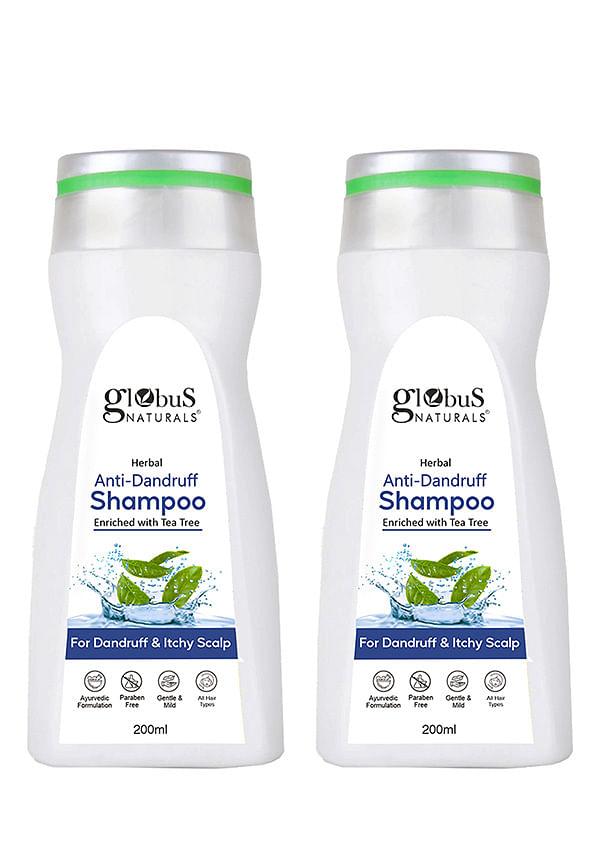
Anti Dandruff Shampoo, For Dandruff and Itchy Scalp
For immediate relief, try applying a cold compress to the itchy area, using a gentle anti-dandruff shampoo, or applying diluted apple cider vinegar as a rinse. Avoid scratching, which can worsen irritation and potentially lead to infection. If you have aloe vera gel on hand, it can provide cooling relief when applied directly to the scalp.
Yes, deficiencies in certain nutrients can contribute to scalp problems. Low levels of zinc, B vitamins (particularly biotin and B12), omega-3 fatty acids, and vitamin D have all been linked to scalp irritation and hair problems. A balanced diet or targeted supplements can help address these deficiencies.
Scalp itching often feels worse at night because there are fewer distractions, making you more aware of the sensation. Additionally, lying down can increase blood flow to the scalp, intensifying itching. Dry indoor air from heating or air conditioning can also worsen nighttime scalp irritation.
An itchy scalp can sometimes accompany hair loss conditions like alopecia areata or androgenetic alopecia, but itching alone doesn't necessarily mean you'll lose hair. However, excessive scratching can damage hair follicles and lead to temporary hair loss. If you notice both itching and unusual hair shedding, it's worth consulting a dermatologist.
Some people find that certain foods can trigger or worsen scalp conditions. Common culprits include dairy products, high-sugar foods, and foods you're allergic or sensitive to. Keeping a food diary alongside tracking your scalp symptoms can help identify potential triggers.
Most treatments show initial improvement within 1-2 weeks of consistent use, but complete resolution can take 4-6 weeks or longer depending on the underlying cause. Fungal conditions like seborrheic dermatitis typically respond within 2-4 weeks, while autoimmune conditions like psoriasis may take longer to control.
Consider seeing a dermatologist if over-the-counter treatments haven't helped after 4-6 weeks, if you're experiencing severe symptoms that interfere with daily life, or if you're unsure about the cause of your scalp problems. A dermatologist can provide accurate diagnosis and access to prescription treatments that aren't available over the counter.
Understanding what causes itchy scalp issues is your first step toward finding lasting relief. Whether you're dealing with common conditions like dandruff or more complex issues like scalp psoriasis, the right approach combines proper diagnosis, targeted treatment, and consistent scalp care habits.
Remember that scalp health is deeply connected to your overall wellbeing—stress, diet, and environmental factors all play important roles. Don't hesitate to seek professional help if your symptoms persist or worsen, as early intervention often leads to better outcomes.
For those exploring new scalp care products, Smytten's curated selection includes gentle, dermatologist-recommended brands that can help address various scalp concerns. Not sure which products might work for your specific scalp type? Smytten also offers trial-size versions of many scalp care products—a smart way to test different formulations before committing to full-size bottles.
