What Causes Hair Frizz? Your Questions Answered

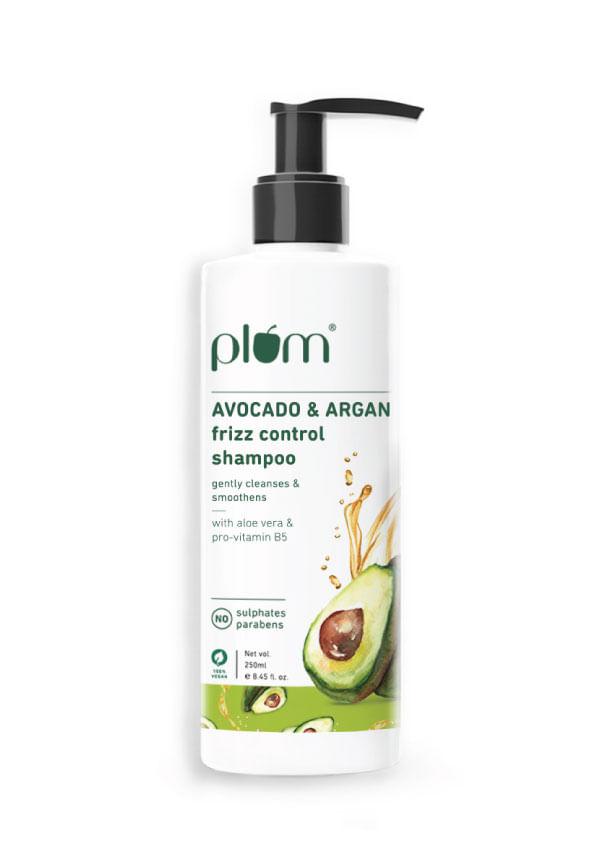
Avocado & Argan Frizz Control Shampoo For Curly, Wavy, Frizzy Hair
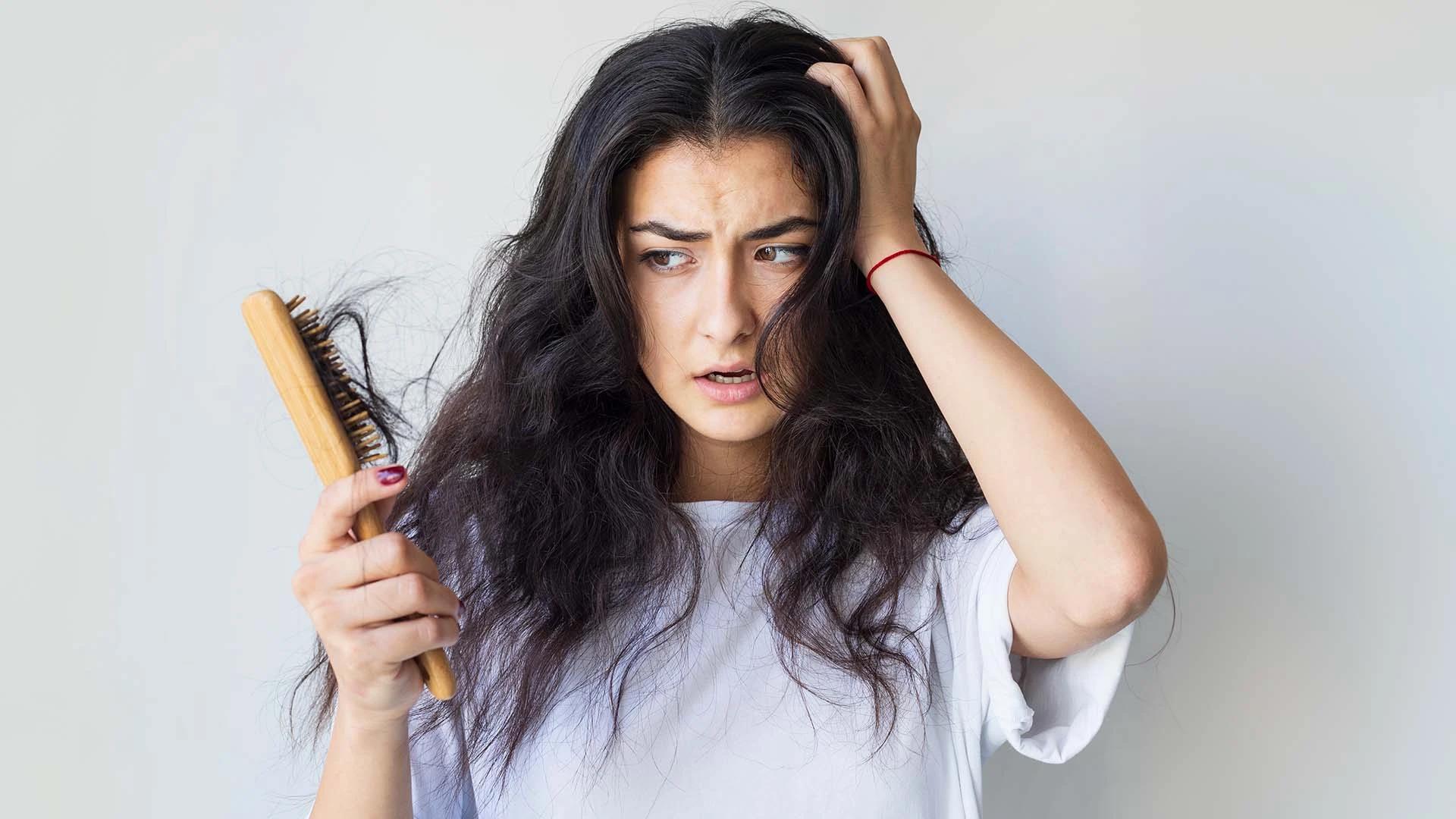
You know that feeling when you step out of the house with perfectly styled hair, only to catch a glimpse of yourself in a shop window an hour later looking like you've been through a wind tunnel? Yeah, we've all been there. Hair frizz has this sneaky way of showing up uninvited, turning what started as a good hair day into a battle with your own strands. But here's the thing – understanding what causes hair frizz is actually the first step to winning that battle.
Let's get a bit nerdy for a moment (but in a fun way). Your hair is basically made up of three layers, and the outermost one – called the cuticle – is where all the frizz drama happens. Think of it like roof tiles on a house. When these "tiles" lie flat and smooth, your hair looks sleek and shiny. But when they're raised or damaged, that's when moisture from the air sneaks in and causes your hair to swell up and go all wonky.
The moisture-frizz connection is pretty straightforward once you get it. Dry hair is like a thirsty sponge – it'll grab moisture from anywhere it can find it, including the humidity in the air. This is why your hair might look amazing in your air-conditioned bedroom but turn into a frizzy mess the moment you step outside on a humid day. It's not your imagination; it's just science doing its thing.
Hair porosity plays a massive role here too. High porosity hair (usually from damage) has gaps in the cuticle that let moisture in and out way too easily. Low porosity hair repels moisture, which can also lead to dryness and eventual frizz. It's like your hair can't find the sweet spot between too much and too little moisture.
Real talk – there isn't just one thing that causes frizzy hair. It's usually a combination of factors that team up to make your life difficult. Let's break down the main culprits so you can spot them in your own routine.
Humidity and hair frizz go together like monsoons and traffic jams – they're practically inseparable. When there's moisture in the air, your hair tries to balance itself out by absorbing that moisture, which causes the hair shaft to swell and the cuticle to lift. This is why your hair might be perfectly behaved in winter but turns into a lion's mane during monsoon season.
Here's where most of us mess up without even realising it. Over-washing strips your hair of its natural oils, leading to dry hair frizz that just won't quit. Those sulfate-heavy shampoos might make your hair feel squeaky clean, but they're also stripping away the good stuff your hair needs to stay smooth. And don't even get me started on hot water – it opens up the cuticle and makes your hair more vulnerable to frizz.
Using styling tools without heat protection is like going out in the sun without sunscreen – you might get away with it once or twice, but eventually, you'll pay the price. Damaged hair frizz from heat styling is super common because high temperatures literally cook your hair's protein structure. Chemical treatments like colouring or relaxing can also mess with your hair's natural structure, making it more prone to frizz.
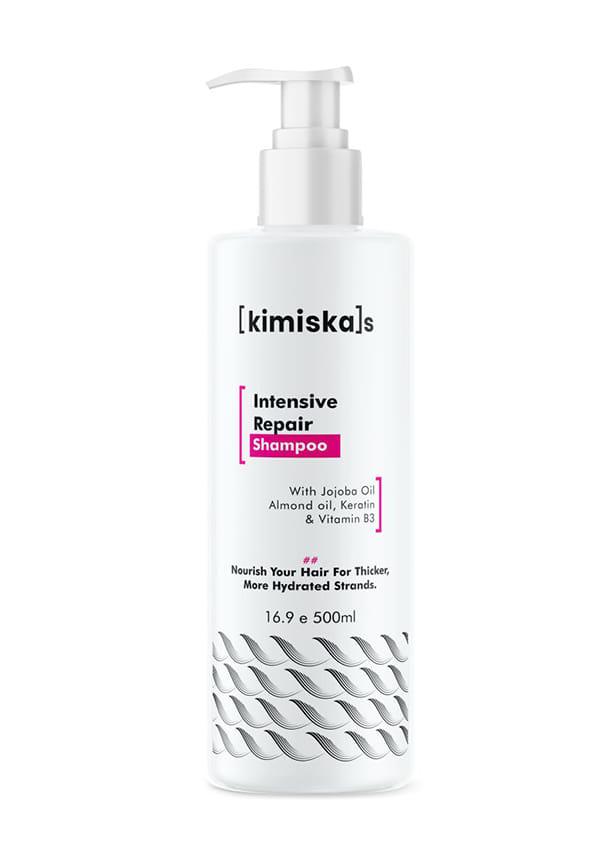
Intensive Hair Repair Shampoo for Dry and Frizzy Hair
Sometimes what you think is frizz might actually be your hair's natural texture trying to break free. Many people have hidden waves or curls that appear as frizz when they're fighting against their hair's natural pattern. Genetics also play a role – if your parents had frizzy hair, there's a good chance you inherited that tendency.
Prevention is always better than cure, and this definitely applies to frizz. The good news is that most frizz prevention strategies are actually pretty simple once you know what you're doing.
How to prevent frizzy hair starts in the shower. Use lukewarm water instead of hot – your hair will thank you for it. Sulfate-free shampoos are your friend because they clean without stripping. And here's a pro tip: only shampoo your scalp, not your lengths. The suds will clean the rest as they rinse down.
Ditch the regular towel and grab a microfiber one or even a cotton t-shirt. The smoother surface creates less friction, which means less frizz. If you're air drying, try the plopping method – wrap your hair gently in a t-shirt and let it absorb excess moisture without disturbing your hair's natural pattern.
Your pillowcase might be sabotaging your hair while you sleep. Silk or satin pillowcases create less friction than cotton, which means you'll wake up with smoother hair. If silk isn't in the budget, even tying your hair up in a loose silk scarf can make a difference.
Now let's talk about the fun stuff – the products that can actually help tame your frizz. But remember, what works for your friend might not work for you, so it's all about finding your perfect match.
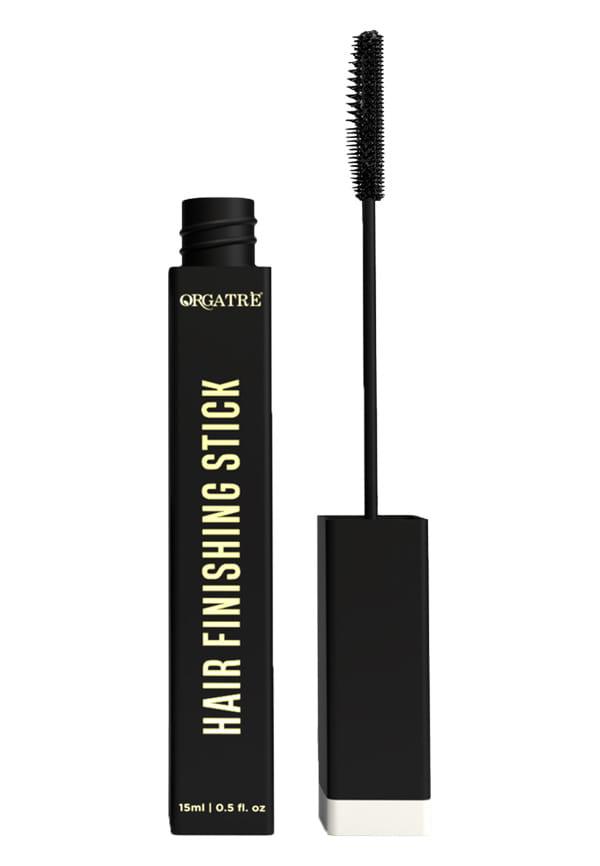
Hair Finishing Stick | Hair stick for frizzy hair | Anti flyaway for Smooth, Non-Greasy and Non-Sticky Look
Leave-in conditioners are like a protective shield for your hair. They add moisture and create a barrier against humidity. Serums work better for fine hair because they're lighter, while oils are great for thicker, coarser hair that can handle more weight. Heat protectants are non-negotiable if you're using any styling tools – think of them as insurance for your hair.
Keratin treatments can be game-changers for seriously frizzy hair, but they're not for everyone. They temporarily smooth the hair cuticle and can last for months. Deep conditioning masks should be a weekly thing if you're dealing with frizz – they help repair damage and add moisture back into your hair.
Building a routine that works is all about consistency. Start with a gentle, sulfate-free shampoo, follow with a moisturising conditioner, and always use a leave-in product. The key is layering products from thinnest to thickest consistency – water-based products first, then creams, then oils or serums.
Managing frizzy hair isn't just about the products you use – it's about developing habits that work with your hair, not against it.
If you have wavy or curly hair, try scrunching instead of brushing when your hair is wet. This helps define your natural texture instead of disrupting it. When you do need to brush, use a wide-tooth comb on wet hair with conditioner, never on dry hair.
Summer calls for lighter products and more frequent deep conditioning to combat humidity. Winter means adding more moisture to fight the dry air from heating systems. Transitional seasons are tricky – you might need to switch up your routine as the weather changes.
Your diet affects your hair more than you might think. Protein, healthy fats, and vitamins all play a role in hair health. Stress can also affect your hair's texture and growth patterns, so managing stress levels can actually help with frizz control.
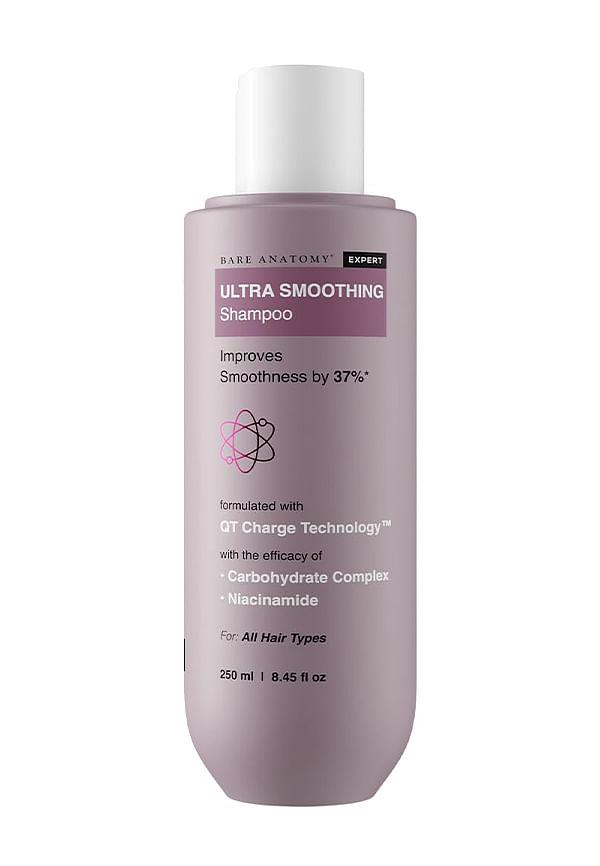
Ultra Smoothing Shampoo for Dry and Frizzy Hair
Start with the basics: use lukewarm water, sulfate-free shampoo, and always apply a leave-in conditioner. Avoid heat styling when possible, and when you do use heat, always use protection. Sleep on silk or satin, and consider your hair's natural texture when choosing styling methods.
The main cause is usually damaged or raised hair cuticles that allow moisture to enter and exit the hair shaft irregularly. This can happen due to heat damage, chemical processing, environmental factors like humidity, or simply genetics and natural hair texture.
While you can't permanently change your hair's natural texture, you can significantly reduce frizz through consistent care, professional treatments like keratin, and using the right products for your hair type. The key is managing your hair's moisture levels and protecting it from damage.
Deficiencies in biotin, vitamin D, iron, and omega-3 fatty acids can all contribute to hair texture issues including frizz. A balanced diet with adequate protein is crucial for healthy hair structure. If you suspect nutritional deficiencies, it's worth consulting with a healthcare provider.
Hair ends are the oldest part of your hair and have been exposed to more damage over time. They're also furthest from your scalp's natural oils. Split ends and damage accumulate at the tips, making them more porous and prone to frizz. Regular trims and targeted treatments for ends can help.
Post-wash frizz usually happens because of rough towel drying, using water that's too hot, or not applying leave-in products to wet hair. The cuticle is most vulnerable when hair is wet, so gentle handling and immediate moisture protection are crucial.
Understanding what causes hair frizz is honestly half the battle won. Once you know whether you're dealing with humidity, damage, or just your hair's natural texture, you can choose the right frizz control tips and products that actually work for your specific situation. Remember, managing frizzy hair is a journey, not a destination – what works might change with the seasons, your hair's condition, or even your lifestyle.
The key is being patient with your hair and consistent with your routine. Whether you're dealing with occasional frizz or it's a daily struggle, there are solutions out there that can help. From simple changes like switching your pillowcase to investing in quality anti frizz products, every small step adds up to smoother, more manageable hair. Not sure which products might work for your specific frizz concerns? Smytten offers trial-size versions of many haircare products from trusted brands – a smart way to test what works for your hair before committing to full-size bottles.
