What Causes Grey Hair and How to Prevent It

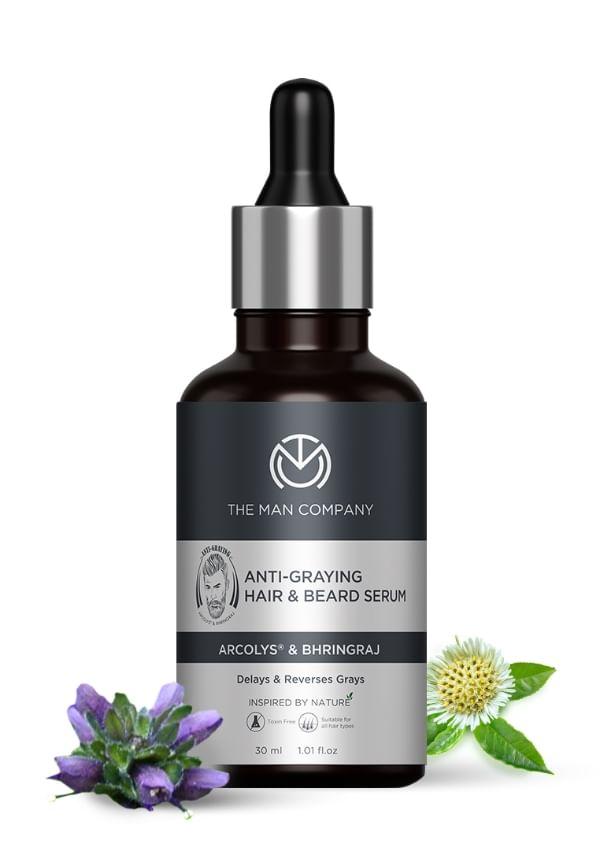
Anti-Graying Serum
Highly Recommended Product
 5
5“best product ,must be try , worth it”
Positive Face Product
5“nice product for face and leaves a good impact”
Awesome Product
5“it's awesome 💯💯💯💯💯💯💯💯💯💯”
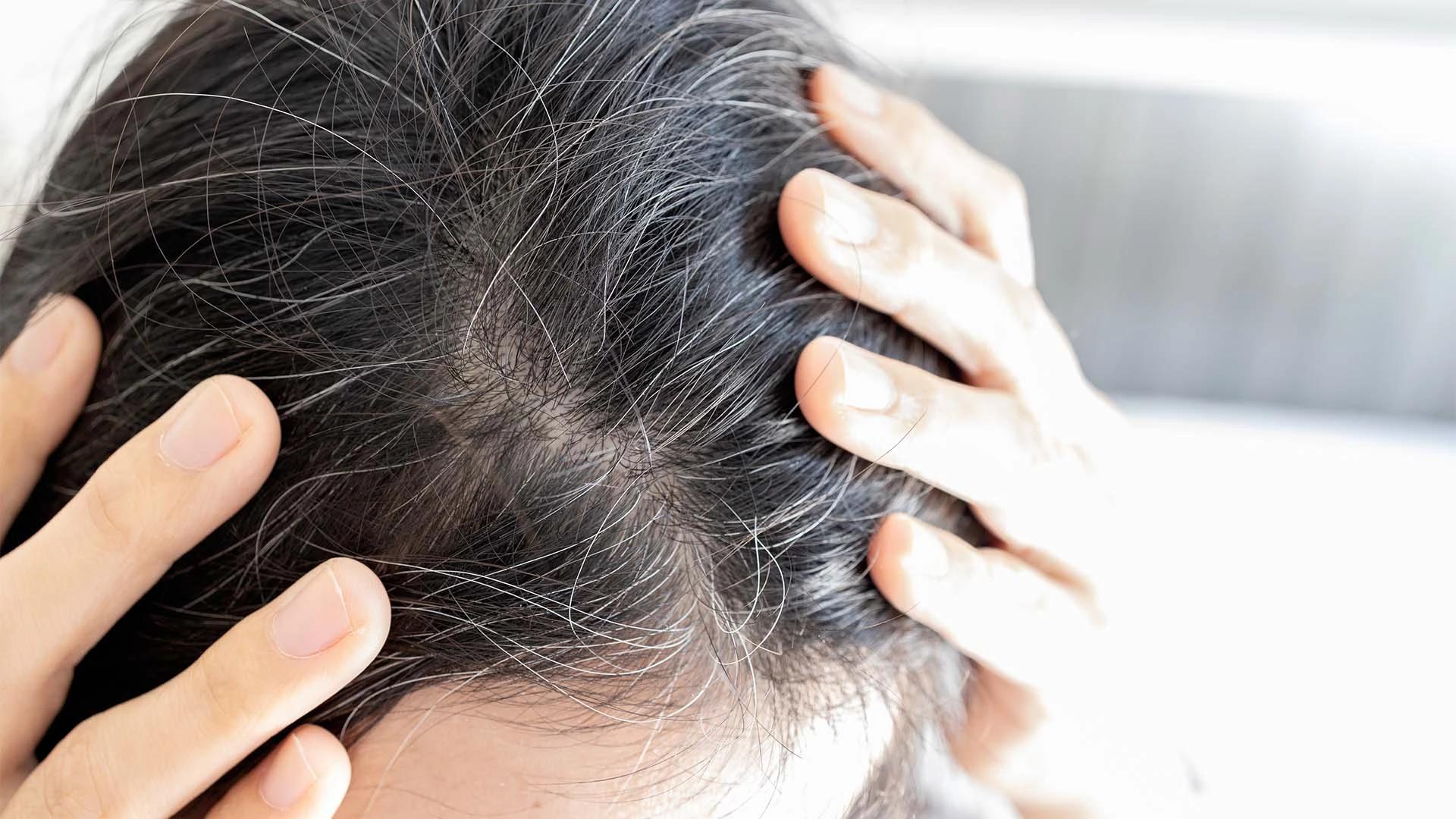
Finding those first silver strands can feel like a proper reality check, can't it? Whether you're 25 or 45, spotting grey hair often sends us down a rabbit hole of questions. Is it genetics? Stress from that never-ending work deadline? Or maybe you've been skipping your vitamins? The truth is, understanding the reason for grey hair isn't just about vanity—it's about taking control of your hair health and making informed choices. Let's dive into the science behind why hair loses its colour and explore practical ways to slow down the process. Because knowledge is power, especially when it comes to your locks.
Here's the thing about grey hair—it's not actually grey at all. What we see as grey is simply hair that's lost its pigment, creating an optical illusion when mixed with your still-pigmented strands. The real reason for grey hair lies in tiny cells called melanocytes, which live in your hair follicles and produce melanin—the same stuff that gives your skin its colour.
Think of melanocytes as little paint factories working around the clock. They produce two types of melanin: eumelanin (which creates brown and black tones) and pheomelanin (responsible for red and yellow hues). As we age, these factories gradually slow down production, and eventually, they shut down completely. Without melanin, new hair grows in completely colourless—what we call white or grey.
Your melanocytes don't just wake up one day and decide to quit. The process is gradual and influenced by various factors. Research shows that melanocyte stem cells, which replenish these pigment-producing cells, become depleted over time. Once they're gone, that's it—no more colour for that particular follicle.
Plot twist: your hair follicles actually produce hydrogen peroxide as a byproduct of normal cellular processes. Usually, an enzyme called catalase breaks this down. But as we age, catalase production decreases, allowing hydrogen peroxide to build up and literally bleach your hair from the inside out. Wild, right?
Now that we understand the mechanics, let's explore what triggers premature greying. Spoiler alert: it's not just about getting older. Several factors can accelerate the process, and understanding these causes of grey hair can help you take preventive action.
Let's be real—genetics play the starring role in when you'll start going grey. If your parents or grandparents went grey early, chances are you might too. Scientists have identified specific genes, like IRF4 and TYRP1, that influence when melanocyte function starts declining.
Family history patterns: Look at both sides of your family tree for clues
Ethnic variations: People of European descent typically grey earlier than those of African or Asian heritage
Gender differences: Men often start greying in their 30s, while women typically begin in their 35s
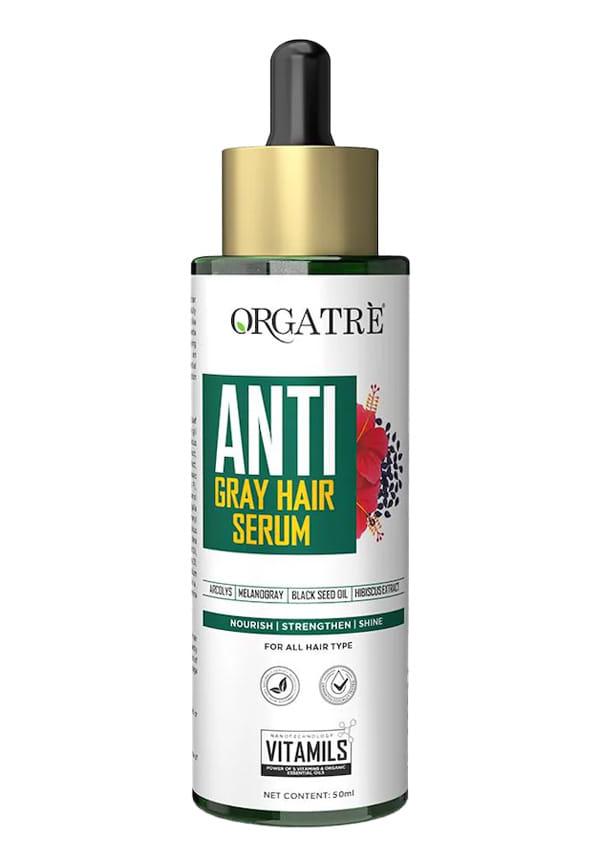
Anti Gray Hair Serum With Anti Greying Arcolys, Melanogray, Biotin
Effective for Hair
5“actually it helps my hair to reduce so very helpful”
Mixed results on grey hair
4“Didn't work for grey hair but gives nice shine and luster to hair”
Your daily habits and environment can significantly impact your hair's pigmentation timeline. Here's where things get interesting—some of these factors are completely within your control.
Stress and cortisol: That chronic stress from work deadlines isn't just affecting your sleep. High cortisol levels can damage melanocyte stem cells, leading to premature greying. Studies have shown that significant emotional stress can literally drain the colour from your hair.
Smoking: Creates oxidative stress that damages hair follicles
UV exposure: Sun damage affects melanin production in hair, just like it does in skin
Pollution: Environmental toxins can accelerate cellular ageing in hair follicles
Chemical treatments: Frequent bleaching or harsh chemical processes can damage melanocytes
Your hair is basically a reflection of your overall health, and what you eat (or don't eat) can directly impact pigmentation. Certain nutrient deficiencies have been linked to early greying, making grey hair prevention partly about what's on your plate.
Vitamin B12 deficiency is one of the most well-documented nutritional causes of premature greying. This vitamin is crucial for melanin production, and vegetarians or vegans are particularly at risk since B12 is primarily found in animal products.
Iron: Essential for healthy hair growth and pigmentation
Copper: Directly involved in melanin synthesis
Zinc: Supports hair follicle health and pigment production
Vitamin D: Deficiency linked to various hair disorders, including premature greying
Biotin: Supports overall hair health and structure
Rather than reaching for supplements immediately, try incorporating these nutrient-rich foods into your diet. Think leafy greens, nuts, seeds, fish, and legumes. Dark chocolate (yes, really!) contains copper, while foods rich in antioxidants help combat the oxidative stress that damages melanocytes.
Sometimes, premature greying isn't just about genetics or lifestyle—it can signal underlying health issues. Understanding these connections helps you know when to seek professional advice for grey hair treatment.
Your thyroid gland controls metabolism, including how quickly your hair grows and maintains its colour. Both hyperthyroidism and hypothyroidism can affect melanin production, leading to premature greying or even changes in hair texture.
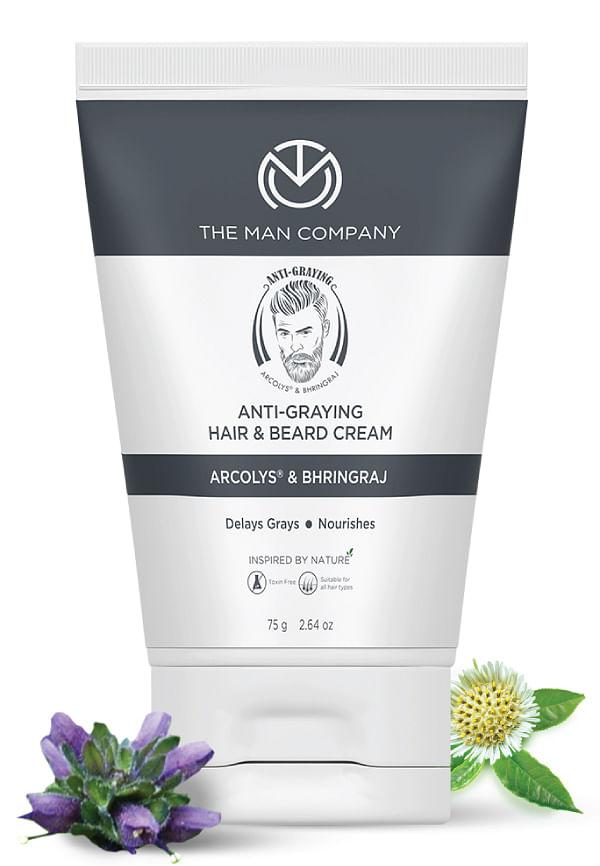
Anti-Graying Hair Cream
Highly Effective Product
5“awesome. it's effective ♥️♥️♥️♥️♥️♥️♥️♥️”
Conditions like vitiligo, which affects melanin production in skin, can also impact hair pigmentation. Alopecia areata, another autoimmune condition, sometimes causes hair to grow back grey after hair loss episodes.
When to consult a doctor: Sudden, rapid greying within months
Additional symptoms: Hair loss, skin changes, or fatigue alongside greying
Age considerations: Greying before age 20 in Caucasians or before 30 in people of colour
While you can't completely stop the ageing process, there are evidence-based grey hair remedies and prevention strategies that might help slow things down. The key is taking a holistic approach that addresses multiple factors simultaneously.
Focus on a balanced diet rich in antioxidants, which help combat the oxidative stress that damages melanocytes. Think colourful fruits and vegetables, omega-3 rich fish, and protein sources that provide the building blocks for healthy hair.
Since chronic stress can accelerate greying, developing effective greying hair solutions includes managing your stress levels. Regular exercise, meditation, adequate sleep, and finding healthy outlets for stress can all help protect your hair's pigmentation.
Scalp massage: Improves circulation to hair follicles
Essential oils: Some studies suggest rosemary and sage oils may support hair pigmentation
Regular exercise: Reduces stress hormones and improves overall circulation
Quality sleep: Allows cellular repair processes to function optimally
When exploring managing grey hair through topical treatments, Smytten offers an excellent way to trial various haircare products before committing to full sizes. With curated trial packs from trusted brands, you can experiment with different formulations to find what works best for your hair type and concerns.
Let's address some persistent grey hair myths that continue to circulate, despite scientific evidence to the contrary. Separating fact from fiction helps you make better decisions about your haircare routine.
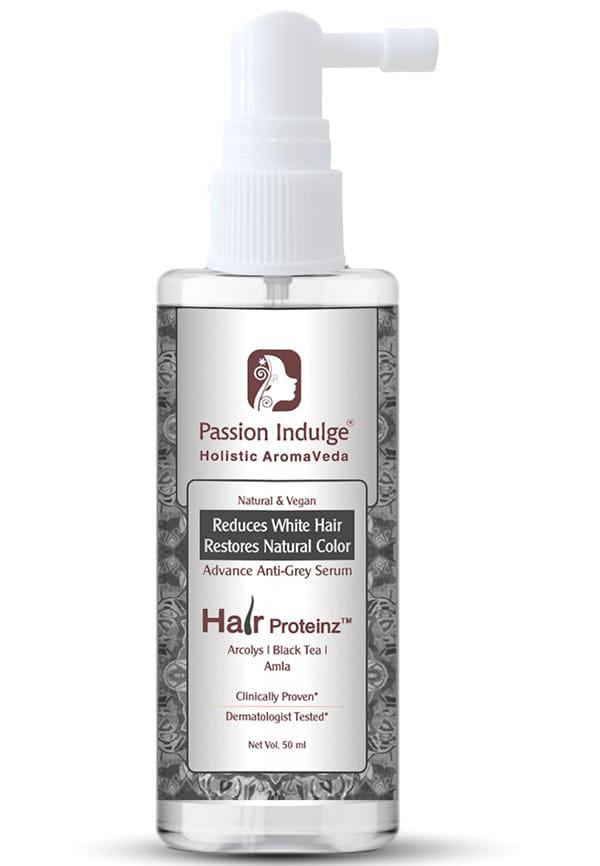
Hair Proteinz Serum with Anti Greying Arcolys
Myth: Plucking grey hairs causes more to grow. Truth: Each follicle can only produce one hair at a time. Plucking won't cause multiplication, but it can damage the follicle over time.
Myth: Stress turns hair grey overnight
Truth: While stress accelerates greying, it's a gradual process that takes months or years
Myth: Reversing grey hair is impossible
Truth: In rare cases, addressing underlying deficiencies can restore some pigmentation
Myth: Only expensive treatments work
Truth: Many effective strategies focus on nutrition and lifestyle changes
There's growing acceptance and even celebration of grey hair, particularly among women who are choosing to embrace their natural colour rather than constantly covering it up. This shift represents a broader conversation about ageing, beauty standards, and self-acceptance.
Smytten's platform reflects this diversity in beauty choices, offering everything from traditional hair dyes to products that enhance and care for natural grey hair. With over 25 million users exploring different options, the platform demonstrates that there's no one-size-fits-all approach to grey hair care.
While you can't completely halt the greying process, you can slow it down through proper nutrition, stress management, protection from UV damage, and avoiding smoking. Focus on foods rich in B vitamins, antioxidants, and minerals like copper and iron.
Finding a few grey hairs in your mid-twenties isn't unusual, especially if you have a family history of early greying. However, if you notice rapid, extensive greying, it's worth consulting a healthcare provider to rule out underlying conditions.
In most cases, grey hair is permanent once the melanocytes stop functioning. However, if greying is caused by nutritional deficiencies or certain medical conditions, addressing these issues might restore some pigmentation to newer hair growth.
B vitamins (especially B12), vitamin D, iron, copper, and zinc are most important for maintaining hair pigmentation. However, it's better to get these nutrients from a balanced diet rather than relying solely on supplements.
Understanding the reason for grey hair empowers you to make informed decisions about prevention and management. While genetics largely determine your greying timeline, lifestyle factors like nutrition, stress management, and overall health play significant supporting roles. Whether you choose to prevent, embrace, or cover your grey hair, the key is feeling confident in your choice.
Remember, exploring different haircare products doesn't have to break the bank or leave you stuck with full-size products you might not love. Platforms like Smytten make it easy to trial various formulations and brands, helping you discover what works best for your unique hair needs. After all, why settle for maybe when you can try it all and find your perfect match?
