What Causes Frizzy Hair FAQ: Your Questions Answered


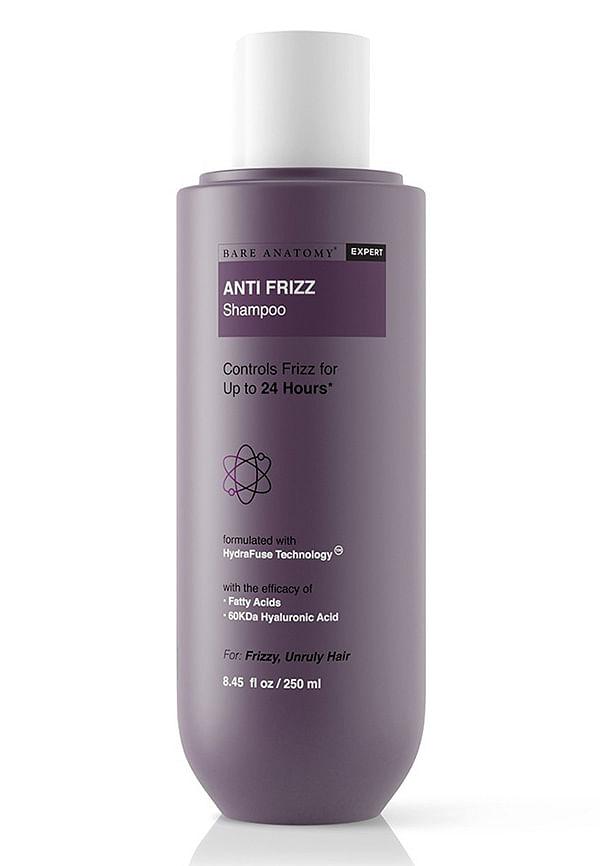
Expert Anti-Frizz Shampoo Tames Frizz For Up To 24 Hours
You know that moment when you catch your reflection and wonder how your hair went from sleek to looking like you've been wrestling with a balloon? We've all been there. One minute you're feeling confident about your hair game, the next you're googling "what causes frizzy hair" at 2 AM, desperately seeking answers. The truth is, frizz isn't just about having a bad hair day — it's your hair's way of telling you something about its health, your routine, or even the weather outside.
Let's get real about what's actually happening up there. Your hair isn't just being dramatic for no reason — there's proper science behind why it decides to puff up like a dandelion. Each strand of your hair has a protective outer layer called the cuticle, made up of tiny scales that lie flat when your hair is healthy and smooth. Think of it like roof tiles that should overlap neatly.
When these cuticles get damaged or lifted, moisture from the air sneaks in and causes the hair shaft to swell. That's when you get frizz. Your hair is basically absorbing humidity like a sponge, which explains why rainy days are your hair's worst enemy. The more porous your hair (meaning the more gaps in those cuticles), the more moisture it'll grab from the environment.
Some hair types are naturally more prone to this chaos. Curly and coily hair textures have a different structure that makes the cuticles more likely to lift, whilst chemically treated or heat-damaged hair has weakened cuticles that can't do their job properly. It's not your fault — sometimes it's just genetics, and sometimes it's years of styling habits catching up with you.
Now that we know the science, let's break down the usual suspects behind your frizz frustrations. Spoiler alert: some of these might surprise you.
Humidity is the obvious villain here, but it's not working alone. When the air is loaded with moisture, your hair tries to balance itself by absorbing that extra humidity. This is why your hair can look perfect indoors but turn into a frizzy mess the moment you step outside on a humid day.
Hard water is another sneaky culprit. Those minerals in your tap water — calcium, magnesium, and others — build up on your hair over time, creating a film that makes your cuticles rough and more likely to catch moisture. If you've noticed your hair feeling different after moving to a new area, the water might be to blame.
UV damage doesn't just affect your skin. Those rays break down the proteins in your hair, weakening the cuticle structure and making your strands more vulnerable to frizz. Environmental pollutants add insult to injury, coating your hair with particles that disrupt its natural smoothness.
Here's where things get personal — some of your daily habits might be working against you. Hot water feels amazing in the shower, but it strips your hair of natural oils and opens up those cuticles we talked about. The result? Dry hair frizz that seems to appear out of nowhere.
Harsh sulfates in many shampoos can be too aggressive for already fragile hair. They clean so thoroughly that they remove the protective oils your hair actually needs. Over-washing compounds this problem — your scalp goes into overdrive trying to replace those oils, often creating an oily-root, dry-ends situation that's a recipe for frizz.
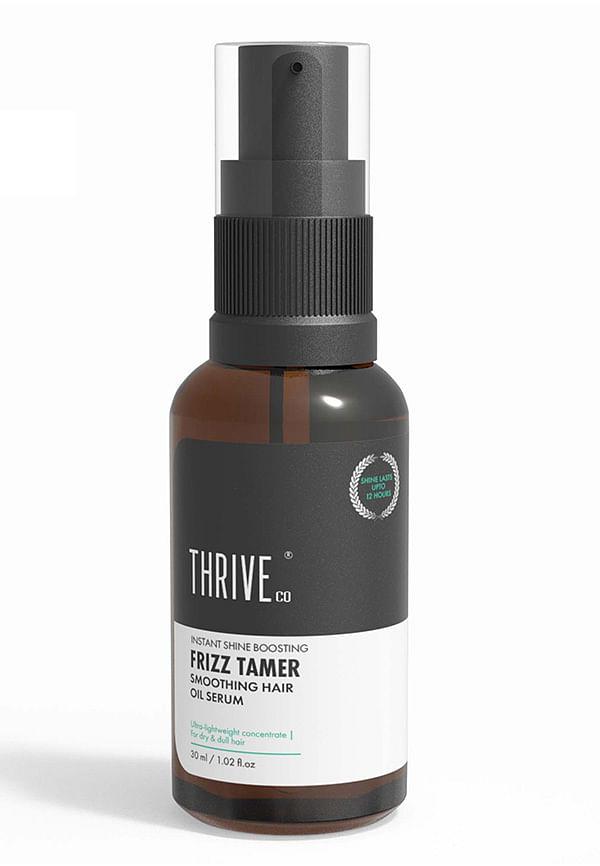
Frizz Tamer Smoothening Hair Oil
Heat styling without proper protection is like sending your hair into battle without armour. Those high temperatures literally cook the moisture out of your strands and damage the cuticle structure. Even something as simple as rough towel drying creates friction that lifts the cuticles and invites frizz to the party.
Sometimes what you think is frizz is actually your hair's natural texture trying to express itself. Many people have hidden curl patterns that get brushed out or weighed down by heavy products, creating that frustrating in-between texture that looks frizzy rather than defined.
Genetics play a huge role too. If your parents dealt with frizzy hair, chances are you've inherited hair that's naturally more porous or has a structure that's prone to moisture absorption. Age also changes your hair — as you get older, your hair can become more porous and lose some of its natural oils, making frizz more likely.
Blokes, you're not immune to this struggle. What causes frizzy hair in men often comes down to different grooming habits and product choices. Many men use products designed for short hair that can actually create buildup when hair grows longer, leading to that weird frizzy texture that doesn't quite look like intentional waves.
Hormonal factors also play a role. Testosterone can affect hair texture over time, and many men notice their hair becoming coarser or more unruly as they age. The tendency to use harsher products — think strong-hold gels and pomades — can also damage the hair cuticle over time.
Shorter hair presents its own challenges for frizz control. You can't rely on the weight of longer hair to pull down the frizz, so every little bit of damage or dryness becomes more noticeable. Plus, many men skip conditioner entirely, which is like trying to drive a car without oil — technically possible, but you're going to have problems.
Right, enough about the problems — let's talk solutions. The good news is that with the right approach, you can definitely tame that frizz and get your hair working with you instead of against you.
For those emergency moments when your hair decides to rebel, try running a tiny bit of hair oil or serum through your palms and gently smoothing it over the frizzy areas. Don't apply it directly to your hair — the warmth from your hands helps distribute it evenly without weighing your hair down.
A damp microfibre cloth can work wonders for spot-treating frizz. Lightly dampen it and gently press it against the frizzy sections. The microfibre texture helps smooth the cuticles without creating more friction. If you're really desperate, a dryer sheet (yes, the laundry kind) can temporarily tame static and frizz — just don't make it a regular habit.
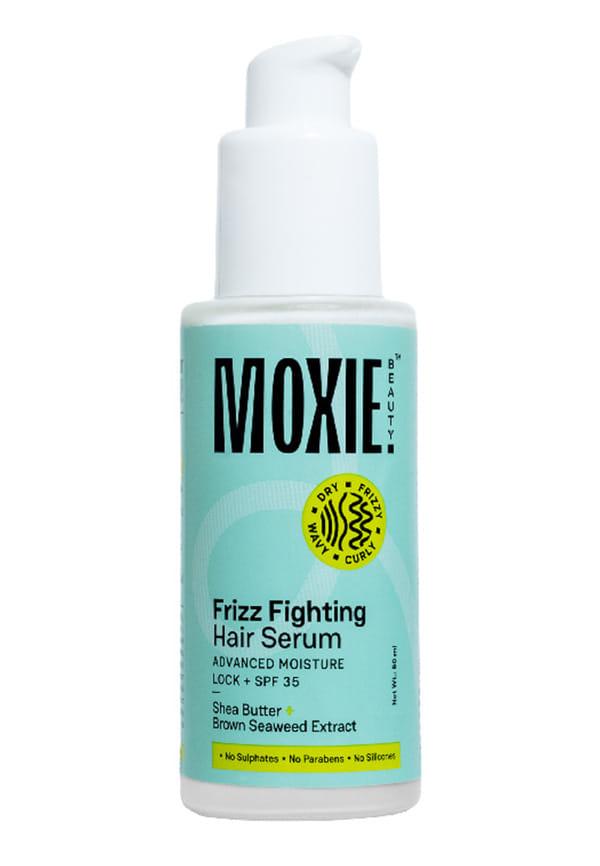
Frizz Fighting Hair Serum For Dry and Frizzy Hair
Building a proper routine is where the real magic happens. Start with lukewarm water in the shower and focus your shampoo on the scalp only. Let the suds rinse through the lengths of your hair — that's enough cleaning for the rest of your strands. Always follow with a conditioner, concentrating on the mid-lengths and ends where your hair is oldest and most prone to damage.
Your drying technique matters more than you might think. Instead of rubbing your hair with a towel, gently squeeze out excess water and then wrap your hair in a microfibre towel or even a cotton t-shirt. The smoother surface creates less friction and helps prevent frizz from forming in the first place.
When you do use heat styling tools, always use a heat protectant and keep the temperature as low as possible while still getting results. Your hair doesn't need to be scorched to look good — patience and the right products will get you there without the damage.
Not all haircare products are created equal when it comes to fighting frizz. Knowing what to look for can save you from a bathroom cabinet full of products that don't actually work for your hair type.
Leave-in conditioners are your first line of defence. They provide ongoing moisture and protection throughout the day, helping to seal the cuticles and prevent humidity from wreaking havoc. Look for lightweight formulas that won't weigh your hair down — you want moisture, not grease.
Hair masks and deep conditioning treatments work like intensive therapy sessions for damaged hair. Use them weekly to repair and strengthen your hair structure. The key is consistency — sporadic treatments won't give you the results you're after.
Sulfate-free shampoos are gentler on already fragile hair. They clean effectively without stripping away the natural oils that help keep frizz at bay. Your hair might feel different at first if you're used to the squeaky-clean feeling of sulfates, but give it time to adjust.
Moisture-binding ingredients like hyaluronic acid and glycerin are brilliant for keeping your hair hydrated. They attract moisture from the environment and lock it into your hair shaft, but in a controlled way that prevents the chaotic swelling that causes frizz.
Protein treatments can help repair damaged cuticles, but use them sparingly. Too much protein can make your hair brittle, whilst too little leaves it weak and prone to damage. It's about finding the right balance for your hair's current condition.
Natural oils like argan, jojoba, and coconut oil can help smooth the cuticles and add shine. The key is using the right amount — start with just a few drops and build up if needed. Different oils work better for different hair types, so you might need to experiment a bit.
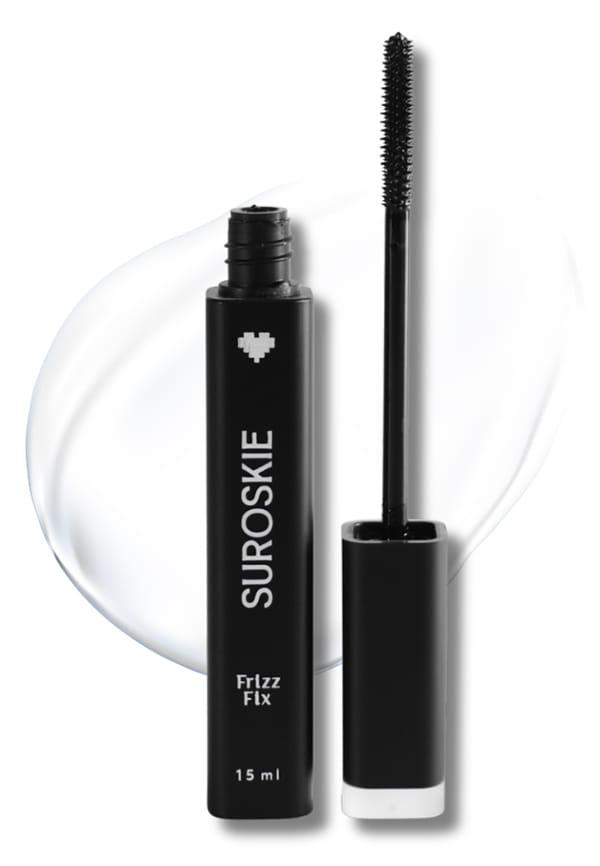
Anti Frizz Hair Stick
Sometimes you need to bring in the professionals. Salon treatments like keratin treatments or protein reconstructors can provide longer-lasting frizz control by temporarily filling in gaps in damaged cuticles. These aren't permanent fixes, but they can give you several months of more manageable hair.
Professional stylists also know techniques that can help minimise frizz during styling. They understand how to work with your hair's natural texture rather than fighting against it. A good stylist can teach you techniques specific to your hair type that you can replicate at home.
If your frizz is severe or sudden, it might be worth consulting a trichologist. Sometimes underlying health issues, hormonal changes, or nutritional deficiencies can affect your hair texture. Getting to the root cause can be more effective than just treating the symptoms.
The most effective approach combines proper hydration, gentle handling, and protective styling. Start with a sulfate-free shampoo, always use conditioner, and apply a leave-in treatment while your hair is still damp. Avoid heat styling when possible, and when you do use heat, always use protection. Sleep on a silk or satin pillowcase to reduce friction overnight, and consider protective hairstyles that keep your hair contained and smooth.
Not necessarily. Whilst some frizz can be your hair's natural texture trying to express itself, excessive frizz usually indicates damage to the hair cuticle or lack of moisture. Healthy hair should have some natural movement and texture, but it shouldn't look consistently wild or unmanageable. If your hair suddenly becomes much frizzier than usual, it's worth examining your routine and possibly consulting a professional.
There's no permanent cure for frizz because your hair is constantly growing and being exposed to environmental factors. However, you can achieve long-term management through consistent care, regular deep conditioning, protecting your hair from damage, and using products suited to your hair type. Professional treatments can provide temporary smoothing for several months, but maintenance is always required.
Several nutritional deficiencies can affect hair texture, including lack of biotin, vitamin D, iron, and essential fatty acids. Protein deficiency can also make hair weak and prone to damage. However, sudden changes in hair texture are more often related to external factors like heat damage, chemical processing, or hormonal changes. If you suspect a nutritional cause, consult with a healthcare provider for proper testing and guidance.
Natural approaches can definitely help manage frizz, though they might not be as dramatic or fast-acting as chemical treatments. Regular deep conditioning with natural ingredients like coconut oil or honey, protecting your hair from heat and environmental damage, and maintaining proper hydration can all improve your hair's texture over time. However, severely damaged hair might need professional intervention to see significant improvement.
Understanding what causes frizzy hair is the first step towards managing it effectively. Whether it's environmental factors, styling mistakes, or your hair's natural characteristics, there are solutions that can help you achieve smoother, more manageable hair. The key is consistency and patience — good hair doesn't happen overnight, but with the right approach, you can definitely see improvement.
Remember that everyone's hair is different, so what works for your friend might not work for you. It's worth experimenting with different products and techniques to find your perfect routine. If you're not sure which products might work for your specific hair type and concerns, exploring trial sizes can be a smart way to test different formulations before committing to full-size products. This approach lets you discover what truly works for your hair without the risk of ending up with a bathroom full of products that don't deliver results.
