Weak Hair Causes FAQ: Everything About Hair Breakage & Thinning

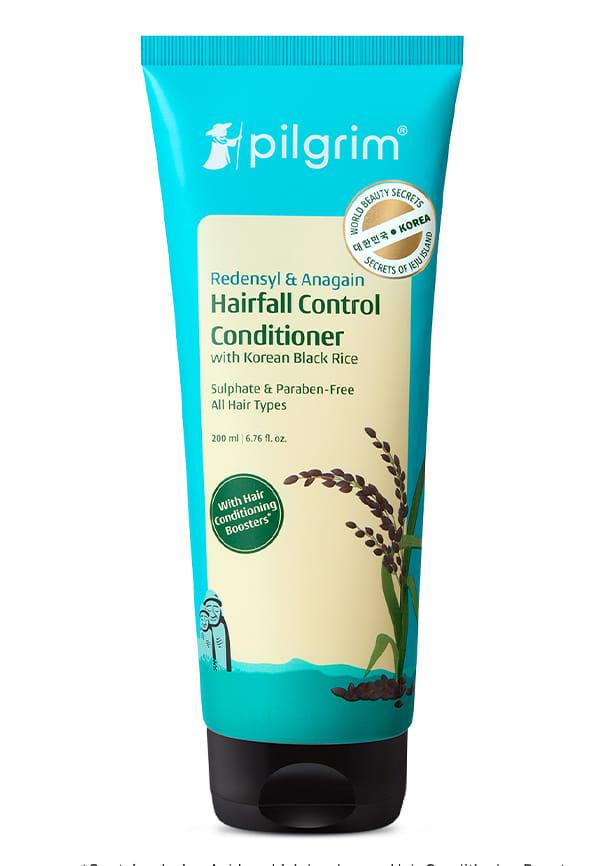
Redensyl & Anagain Conditioner Prevents Hair Breakage|Increases Hair Thickness
You know that sinking feeling when you run your fingers through your hair and find more strands than usual? Or when you notice your ponytail feels thinner than it used to? Hair weakness isn't just about bad hair days—it's your hair sending signals that something's not quite right. Whether it's sudden breakage, gradual thinning, or that brittle texture that makes styling feel impossible, understanding what's behind weak hair is the first step to getting your healthy strands back.
Let's be real—weak hair doesn't happen overnight, and it's rarely just one thing causing the problem. Your hair is basically a reflection of what's happening inside your body and how you're treating it on the outside. From the products you use to the nutrients you're getting (or missing), multiple factors can team up to leave your hair feeling fragile and looking less than its best.
If you're constantly reaching for that straightener or can't live without your weekly salon colour touch-ups, your hair might be crying for help. Heat styling tools can reach temperatures of over 200°C, which literally breaks down the protein structure in your hair shaft. Chemical processes like bleaching, perming, or relaxing work by altering your hair's natural bonds—and when done too frequently or incorrectly, they can leave your strands seriously compromised.
Your hair is basically made of protein, so when your body isn't getting enough of the right nutrients, your hair is often the first to show it. Iron deficiency is particularly common in women and can lead to both hair breakage and hair loss. Protein deficiency affects your hair's structure directly, while shortages of vitamins like D, zinc, and B-complex vitamins can disrupt your hair growth cycle entirely.
Hormones control pretty much everything in your body, including your hair growth cycle. Thyroid disorders can make your hair thin and brittle, while conditions like PCOS can increase androgen levels that weaken hair follicles. Even natural hormonal changes during pregnancy, postpartum, or menopause can temporarily or permanently affect your hair's strength and thickness.
Here's something that trips up a lot of people—hair breakage and hair loss aren't the same thing, even though they can look similar. Breakage happens when your hair shaft snaps due to damage, while hair loss occurs when hair falls out from the root. Knowing which one you're dealing with helps you choose the right approach to fix it.
Tight ponytails, aggressive brushing when your hair is wet, and even sleeping on rough cotton pillowcases can cause physical stress that leads to breakage. Environmental factors like UV exposure, pollution, and harsh weather conditions also weaken your hair's protective cuticle layer. The result? Hair that snaps easily and develops split ends faster than you can trim them.
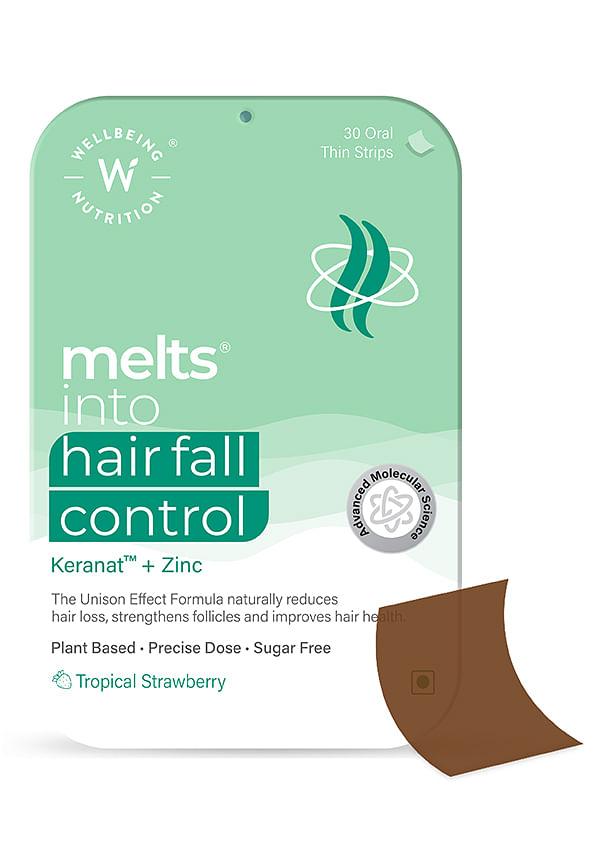
Melts Hair Fall Control Keranat & Zinc, Hair Loss Support to Improve Hair Anchoring (30 Oral Strips)
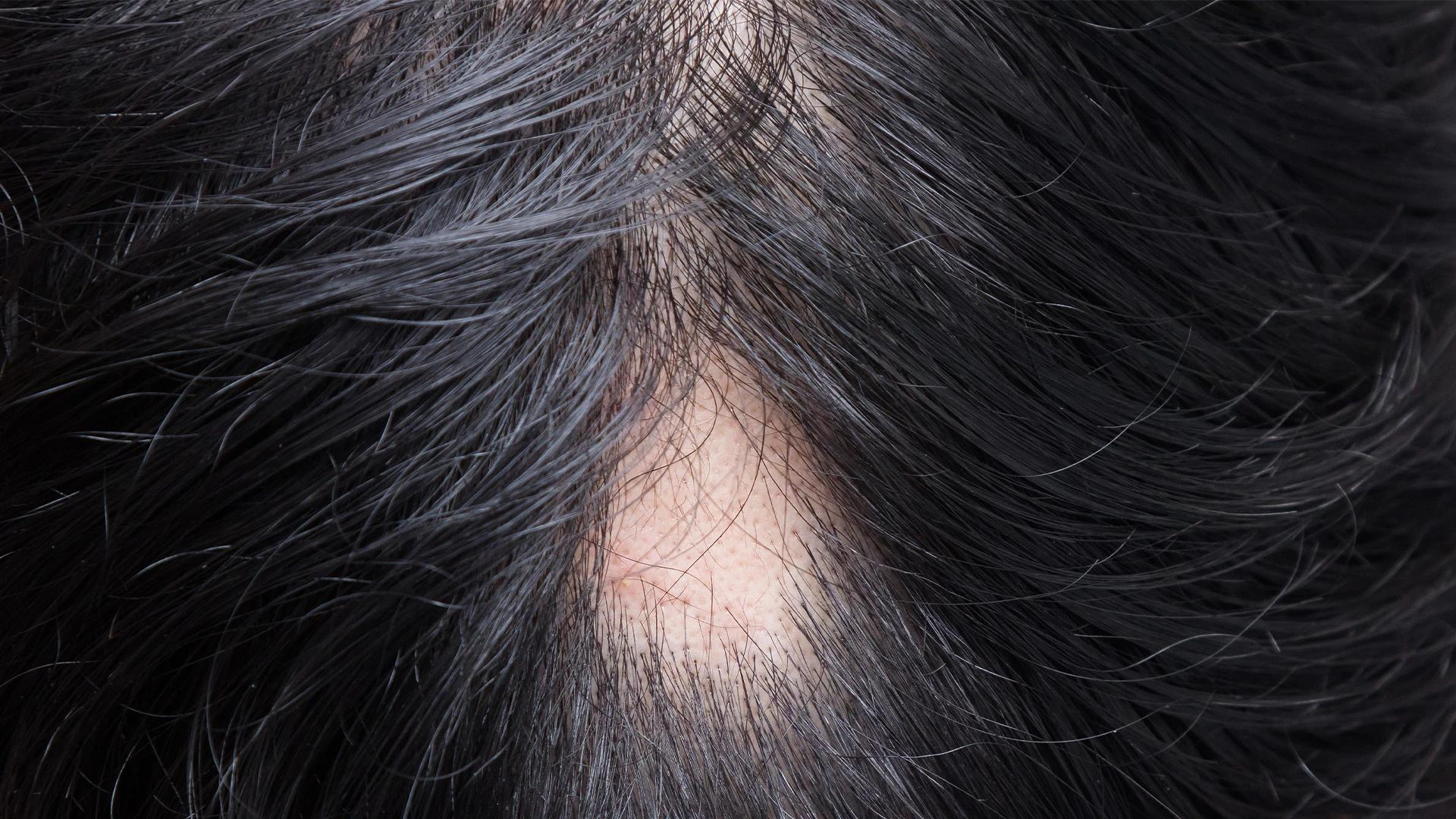
True hair loss often has deeper roots—literally and figuratively. Genetic predisposition to androgenetic alopecia affects both men and women, while autoimmune conditions like alopecia areata cause patchy hair loss. Certain medications, medical treatments, and severe stress can also trigger telogen effluvium, where hair follicles go into a resting phase and shed more than usual.
Hair thinning is one of those things that can sneak up on you gradually. You might not notice it day to day, but over months or years, you realise your hair just doesn't have the same volume it used to. Understanding the specific causes of hair thinning helps you address the problem before it becomes more noticeable.
Age plays a huge role in hair thinning—as we get older, our hair follicles naturally shrink and produce thinner strands. Hormonal changes, particularly the decrease in oestrogen during menopause, can accelerate this process. Chronic stress, poor nutrition, and certain medications can also contribute to gradual hair thinning over time.
If your parents or grandparents experienced hair thinning, there's a good chance you might too. Androgenetic alopecia, commonly known as male or female pattern baldness, is largely hereditary and affects the sensitivity of your hair follicles to dihydrotestosterone (DHT). This hormone gradually shrinks follicles, leading to progressively thinner hair.
Your daily habits have more impact on your hair than you might think. Crash dieting, excessive exercise without proper nutrition, smoking, and chronic stress can all contribute to hair thinning. Even seemingly harmless habits like wearing tight hairstyles regularly can cause traction alopecia, where constant pulling gradually damages hair follicles.
Recognising the early signs of hair weakness can help you take action before the problem becomes more serious. Your hair usually gives you plenty of warning signals—you just need to know what to look for.
Split ends are probably the most obvious sign of hair damage, but they're not the only thing to watch for. Dullness and lack of shine often indicate that your hair's cuticle layer is damaged. You might also notice more hair in your brush than usual, or that your hair feels thinner when you put it in a ponytail. Thinning at the crown or temples can be early signs of pattern hair loss.
Healthy hair should feel smooth and have some elasticity when you gently stretch a strand. If your hair feels rough, brittle, or snaps easily when you stretch it, these are clear signs of weakness. Hair that tangles easily or feels dry despite regular conditioning might also be showing signs of damage to its protective outer layer.
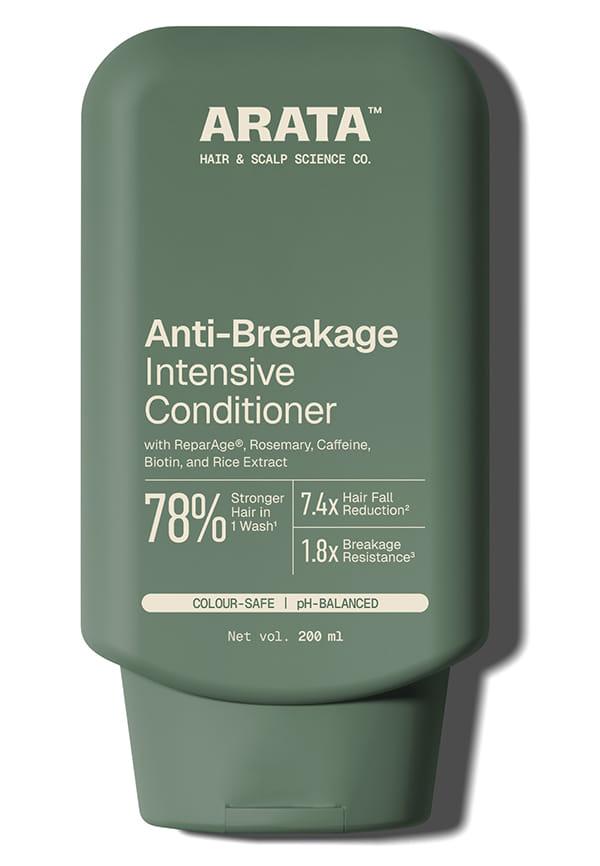
Anti-Hair Fall Conditioner for Breakage and Split-End Reduction | Powered by ReparAge®, Rice Protein, Caffeine, and Biotin | Supports Thicker & Dense
The good news is that most types of hair weakness can be improved with the right approach. Whether you're dealing with breakage, thinning, or general brittleness, there are both immediate and long-term strategies that can help restore your hair's strength and vitality.
Deep conditioning treatments are your first line of defence against damaged hair. Look for treatments that contain proteins like keratin or hydrolysed wheat protein to help rebuild your hair's structure. Regular scalp massage can improve blood circulation to your hair follicles, promoting healthier growth. For severe damage, professional salon treatments like Olaplex or similar bond-building treatments can help repair broken disulphide bonds in your hair.
For hair thinning, the approach depends on the underlying cause. Minoxidil is an FDA-approved treatment that can help stimulate hair growth and slow down hair loss. Low-level laser therapy devices are becoming increasingly popular for at-home treatment. For more advanced thinning, options like scalp micropigmentation or hair transplants might be worth considering, though these should always be discussed with a qualified professional.
Prevention is always better than cure when it comes to hair health. Building a solid hair care routine that addresses your specific hair type and concerns can prevent many of the issues that lead to weak hair in the first place.
Start with gentle cleansing—overwashing can strip your hair of natural oils, while underwashing can lead to buildup that weighs hair down. Use a wide-tooth comb on wet hair to prevent breakage, and always apply a heat protectant before using any styling tools. Switching to a silk or satin pillowcase can reduce friction while you sleep, preventing unnecessary breakage.
Weekly deep conditioning treatments help maintain your hair's moisture balance and protein levels. Monthly scalp exfoliation can remove buildup and improve circulation. Oil treatments using ingredients like argan, coconut, or jojoba oil can provide extra nourishment for dry or damaged hair. Regular trims every 6-8 weeks prevent split ends from travelling up the hair shaft.
Brittle hair is particularly frustrating because it breaks easily and feels rough to the touch. This condition usually develops when your hair's moisture and protein balance is severely disrupted, often due to a combination of external damage and internal factors.
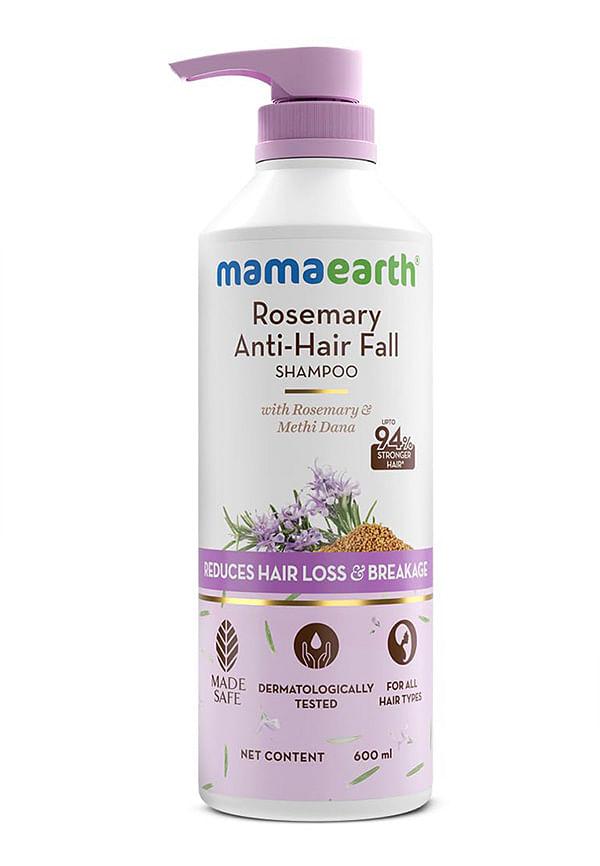
Rosemary Anti-Hair Fall Shampoo with Rosemary & Methi Dana for Reducing Hair Loss & Breakage
Overprocessing with chemicals is one of the main culprits behind brittle hair. When you bleach, colour, or chemically straighten your hair too frequently, you're essentially breaking down its natural structure. Environmental factors like hard water, chlorine from swimming pools, and excessive sun exposure can also contribute to brittleness. Medical conditions like hypothyroidism or eating disorders can affect your hair's texture and strength from the inside out.
The most common reason for weak hair is a combination of nutritional deficiencies and external damage from heat styling or chemical processing. Iron deficiency, protein shortage, and excessive use of hot tools are the top three culprits. Hormonal imbalances, particularly thyroid disorders and PCOS, also frequently contribute to hair weakness.
Focus on improving your nutrition first—ensure you're getting enough protein, iron, and vitamins D and B12. Use gentle, sulphate-free shampoos and deep condition weekly. Reduce heat styling and always use a heat protectant when you do style. Regular scalp massage with oils like rosemary or peppermint can improve circulation and promote stronger hair growth.
Iron deficiency is the most common nutritional cause of hair loss, especially in women. Vitamin D deficiency is also increasingly recognised as a major factor in hair loss and weak hair. B-complex vitamins, particularly B12 and biotin, play crucial roles in hair health, and deficiencies can lead to both hair loss and weakening.
Sudden hair weakness often indicates a recent change in your health, diet, or hair care routine. Common triggers include starting new medications, hormonal changes (like pregnancy or menopause), severe stress, crash dieting, or overuse of new styling products. Seasonal changes and hard water can also cause sudden brittleness.
Absolutely. Both physical and emotional stress can significantly impact hair strength. Chronic stress increases cortisol levels, which can disrupt your hair growth cycle and weaken existing strands. Stress also often leads to poor eating habits and sleep patterns, which further compromise hair health. Acute stress can trigger telogen effluvium, causing increased shedding 2-3 months after the stressful event.
You might notice some improvement in hair texture within 4-6 weeks of starting a proper hair care routine and addressing nutritional deficiencies. However, since hair grows about 1cm per month, it can take 3-6 months to see significant improvement in overall hair strength and thickness. Consistency with your hair care routine and patience are key to seeing lasting results.
Weak hair is rarely caused by just one factor—it's usually a combination of internal and external influences working together. The most effective approach combines addressing nutritional deficiencies, improving your hair care routine, and protecting your hair from damage. Remember that hair health is closely tied to overall health, so taking care of your body will reflect in stronger, healthier hair.
Whether you're dealing with breakage, thinning, or general weakness, the key is to be patient and consistent with your approach. Hair takes time to respond to changes, but with the right care, most people can see significant improvement in their hair's strength and appearance. Not sure which hair care products might work best for your specific concerns? Smytten offers trial-size versions of many strengthening treatments and gentle hair care products—a smart way to test what works for your hair before investing in full-size bottles.
