Unraveling Dandruff: Expert Insights on Scalp Health
Published Date - 18 January 2026
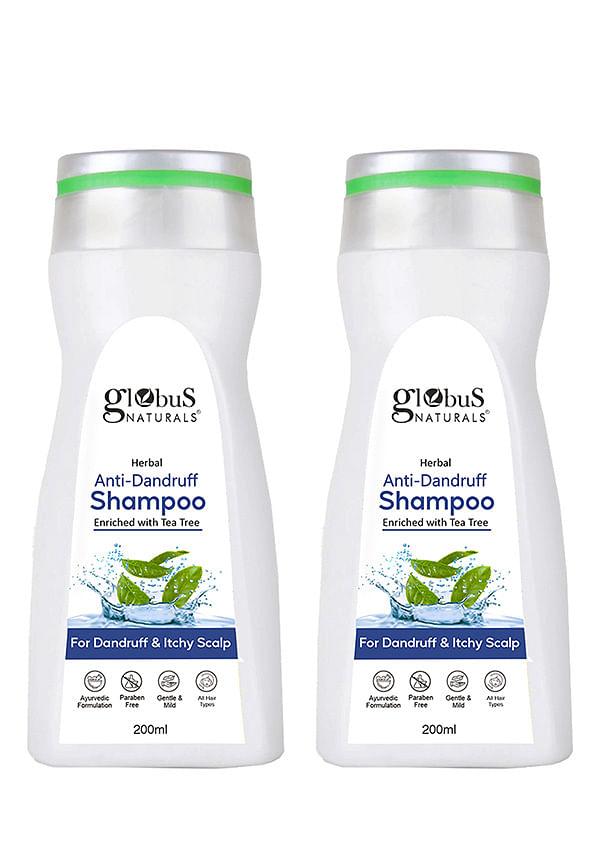
3.8|(200 ml*2)
Globus Naturals
Anti Dandruff Shampoo, For Dandruff and Itchy Scalp
₹ 80185 % OFF
₹ 120
Reviews from genuine users
Effective for Itchy Scalp, Small Packing
5
“small packing, but a great offer in price product is nice on scalp to reduce itchy issues effectively”
Polekar Divya17 Sep 2026
Nice Shampoo
5
“dis shampoo is very nice liked it”
Nidhi Tripathi21 Aug 2026
Nice Shampoo
5
“dis shampoo is very nice liked it”
Nidhi Tripathi21 Aug 2026
Let's be real—there's nothing quite like the frustration of an itchy scalp that just won't quit. You scratch, you flake, you try every shampoo on the shelf, and yet those pesky white bits keep showing up on your favourite black top. If you're nodding along, you're definitely not alone. Studies show that nearly half the global population deals with dandruff at some point, making it one of the most common scalp conditions out there. But here's the thing about dandruff itchy scalp causes—they're way more complex than just "dry skin." From fungal overgrowth to hormonal changes, your scalp is basically trying to tell you something important. Ready to decode what's really going on up there? Let's dive into the science behind those flakes and figure out how to get your scalp back to its happy place.
The Science Behind Dandruff and Scalp Irritation
Your scalp is basically a fascinating ecosystem that's constantly renewing itself. Think of it like your skin's overachiever cousin—it's working 24/7 to shed old cells and create new ones. But sometimes, this process goes a bit haywire, and that's where things get flaky.
What Is Dandruff Really?
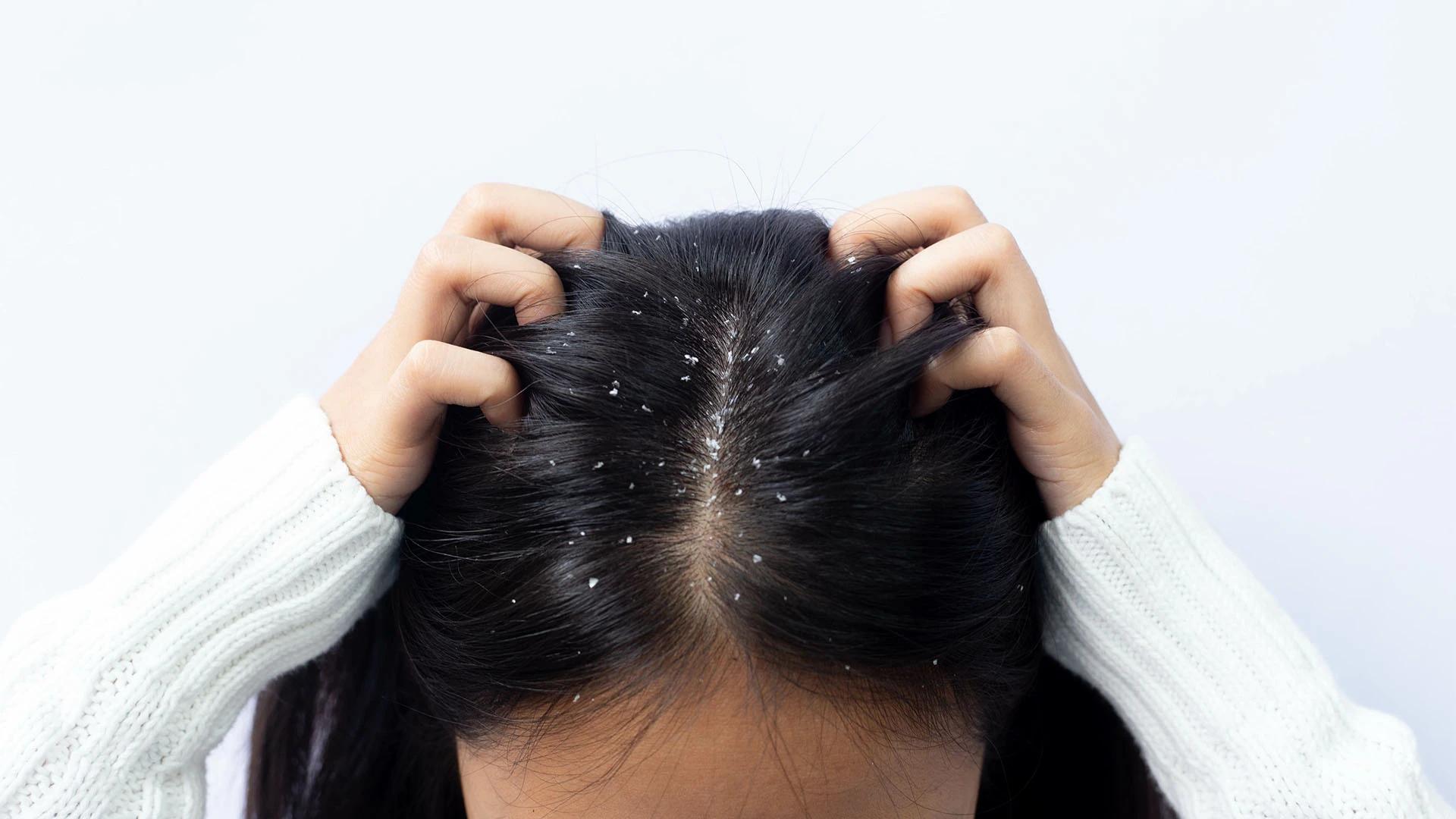
Dandruff isn't just "dry scalp" like many people think. It's actually a condition where your scalp sheds skin cells way faster than normal. Instead of the usual 28-day cycle, these cells are practically sprinting to the surface in just 2-7 days. The result? Those visible white or yellowish flakes that love to make an appearance at the worst possible moments.
The plot twist? Dry scalp and dandruff are actually different beasts entirely. Dry scalp produces small, white flakes and feels tight, whilst dandruff creates larger, oilier flakes that can be yellow or white. Then there's seborrheic dermatitis—dandruff's more dramatic cousin that brings redness and inflammation to the party.
The Root Causes of Dandruff
Here's where it gets interesting. The main culprit behind most dandruff causes is actually a tiny fungus called Malassezia. This little organism lives on everyone's scalp (yes, even people without dandruff), but in some people, it decides to throw a proper rave.
Malassezia feeds on the oils your scalp naturally produces. When it breaks down these oils, it creates oleic acid, which can irritate your scalp and speed up that cell turnover process. Your scalp basically goes into overdrive trying to get rid of the irritation, hence the flakes.
Scalp inflammation is another key player in this drama. When your scalp gets irritated—whether from the fungus, harsh products, or environmental factors—it triggers an inflammatory response that makes everything worse.
Common Triggers That Worsen Itchy Scalp Conditions
Now that we know the main players, let's talk about what makes them act up. Spoiler alert: it's probably more things than you'd expect.
Environmental and Lifestyle Factors
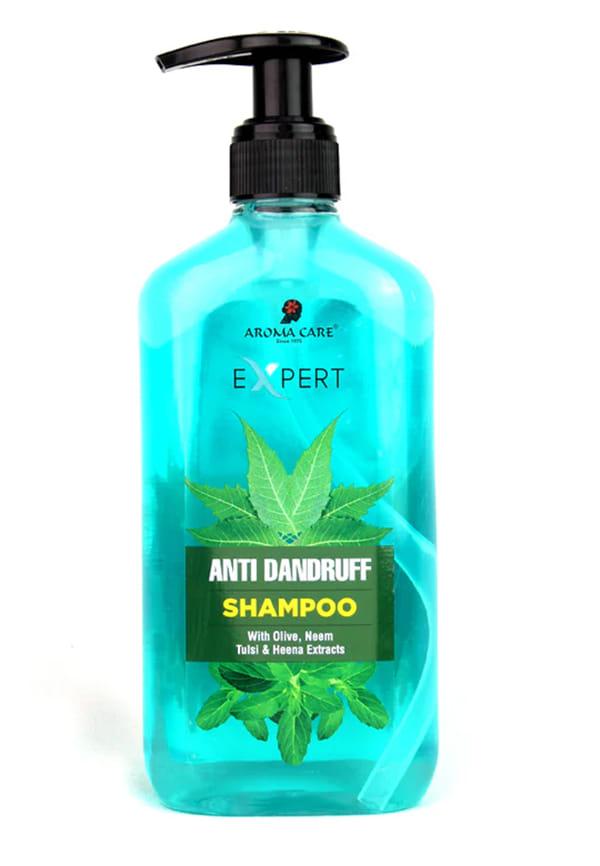
4.0|(320 ml)
Aroma Care
Anti Dandruff Shampoo
₹ 16510 % OFF
₹ 149
Reviews from genuine users
Dandruff Reduced After One Wash
4
“yup my dandruff is going slowly after one wash I saw the result”
Sukhwinder Saggu10 Aug 2026
Dandruff Reduced After One Wash
4
“yup my dandruff is going slowly after one wash I saw the result”
Sukhwinder Saggu10 Aug 2026
Dandruff Reduced After One Wash
4
“yup my dandruff is going slowly after one wash I saw the result”
Sukhwinder Saggu10 Aug 2026
Weather changes are massive triggers for scalp irritation. Cold, dry air can make your scalp produce less oil, leading to dryness and flaking. On the flip side, hot, humid weather can make your scalp produce more oil, feeding that Malassezia fungus.
Stress is another sneaky trigger. When you're stressed, your body produces more cortisol, which can mess with your scalp's oil production and immune response. It's like your scalp is having its own little stress breakdown.
Your diet plays a role too. Foods high in sugar and unhealthy fats can potentially worsen inflammation throughout your body, including your scalp.
Hair Care Mistakes
Here's where many of us go wrong with our haircare for dandruff. Over-washing strips your scalp of natural oils, making it produce even more oil to compensate. Under-washing lets oil and dead skin cells build up, creating a feast for that fungus.
Product sensitivity is huge too. Harsh sulphates, strong fragrances, and certain preservatives can trigger contact dermatitis, making your flaky scalp situation even worse.
Identifying Your Specific Scalp Condition
Not all flakes are created equal, and knowing what you're dealing with is half the battle. Let's break down the usual suspects.
Symptom Differentiation Guide
Classic dandruff typically shows up as white or slightly yellow flakes that aren't too oily. You might have some mild itching, but it's not usually painful or severely inflamed.
Seborrheic dermatitis is dandruff's more intense sibling. You'll see red, inflamed patches along with the flakes, and the itching can be pretty intense. It often affects areas beyond just your scalp—think eyebrows, nose, and chest.
A truly dry scalp produces small, white flakes that look almost powdery. Your scalp might feel tight or uncomfortable, but you won't see the oiliness that comes with dandruff.
When Sudden Changes Appear
If your scalp suddenly goes from fine to flaky, it's worth paying attention. Sudden onset could indicate a reaction to a new product, hormonal changes, or even an underlying health condition.
Red flag symptoms that need professional attention include severe inflammation, patches of hair loss, or flakes that are thick and silvery (which could indicate psoriasis).
Proven Dandruff Treatment Strategies
Right, let's get to the good stuff—what actually works for dandruff treatment
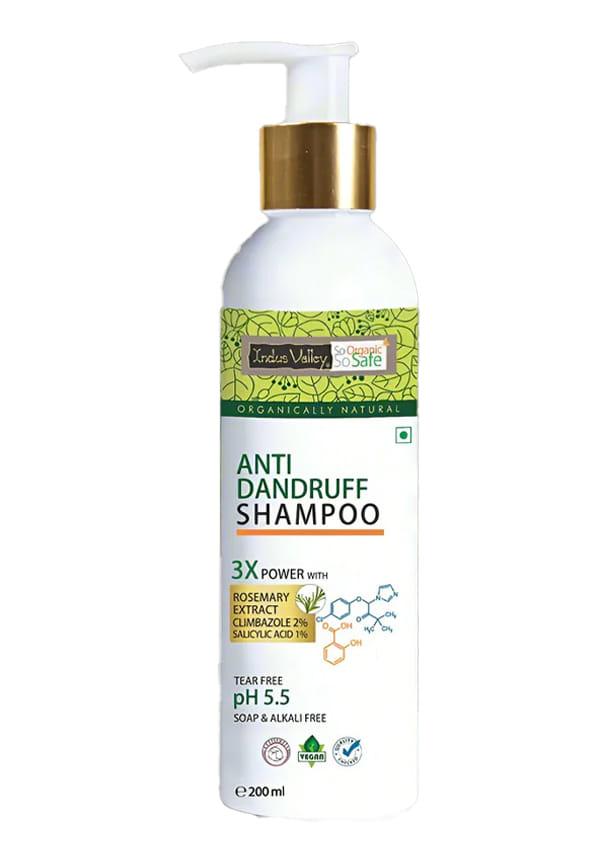
4.1|(200 ml)
Indus Valley
Anti Dandruff Shampoo
₹ 35020 % OFF
₹ 280
Reviews from genuine users
Effective for dandruff and scalp cleansing
5
“works on dandruff , cleans scalp effectively”
Yashwanti K01 Sep 2026
Effective for dandruff and scalp cleansing
5
“works on dandruff , cleans scalp effectively”
Yashwanti K01 Sep 2026
Effective for dandruff and scalp cleansing
5
“works on dandruff , cleans scalp effectively”
Yashwanti K01 Sep 2026
.
Medicated Shampoo Solutions
Zinc pyrithione is your first line of defence. It's antifungal and antibacterial, tackling that Malassezia whilst being gentle enough for regular use. Look for shampoos with 1-2% concentration.
Selenium sulfide is the heavy hitter for stubborn cases. It slows down cell turnover and has antifungal properties, but it can be a bit drying, so use it 2-3 times a week max.
Ketoconazole is the prescription-strength option that really goes after fungal overgrowth. It's incredibly effective but should be used as directed by a healthcare professional.
Professional Treatment Options
Sometimes you need to call in the experts. Dermatologists can prescribe stronger treatments or identify underlying conditions that might be causing your scalp issues.
In-office treatments like scalp peels or light therapy can be game-changers for severe cases. These aren't your typical spa treatments—they're medical procedures that can reset your scalp's behaviour.
Natural Itchy Scalp Remedies and Home Solutions
If you're more of a natural remedies person, there are some genuinely effective itchy scalp remedies backed by science.
Science-Backed Home Remedies
Tea tree oil is a proper antifungal powerhouse. Studies show that 5% tea tree oil can be as effective as some medicated shampoos. Just remember to dilute it—pure tea tree oil can be too harsh.
Apple cider vinegar helps balance your scalp's pH and has antimicrobial properties. Mix one part vinegar with two parts water and use it as a rinse after shampooing.
Coconut oil contains lauric acid, which has antifungal properties. It's also deeply moisturising, making it perfect for dry scalp conditions.
Aloe vera is brilliant for soothing scalp inflammation. Its anti-inflammatory properties can calm irritated skin and provide relief from itching.
Daily Routine for Scalp Health
Gentle is the keyword here. Use lukewarm water (hot water strips natural oils), massage your scalp gently with your fingertips (not nails), and don't scrub aggressively.
When choosing products, look for ingredients like salicylic acid, which helps exfoliate dead skin cells, and avoid harsh sulphates that can strip your scalp.
Prevention and Long-Term Scalp Health Management
The goal isn't just to treat dandruff—it's to keep it from coming back. This is where Smytten's approach to product discovery becomes invaluable. With over 1,500 trusted brands including Cetaphil, Dot & Key, and Love, Beauty & Planet, you can try different haircare for dandruff formulations without committing to full-size products. Getting up to 8 minis for just ₹249 means you can experiment with various treatments to find what works for your specific scalp needs.
Maintenance Routines That Work
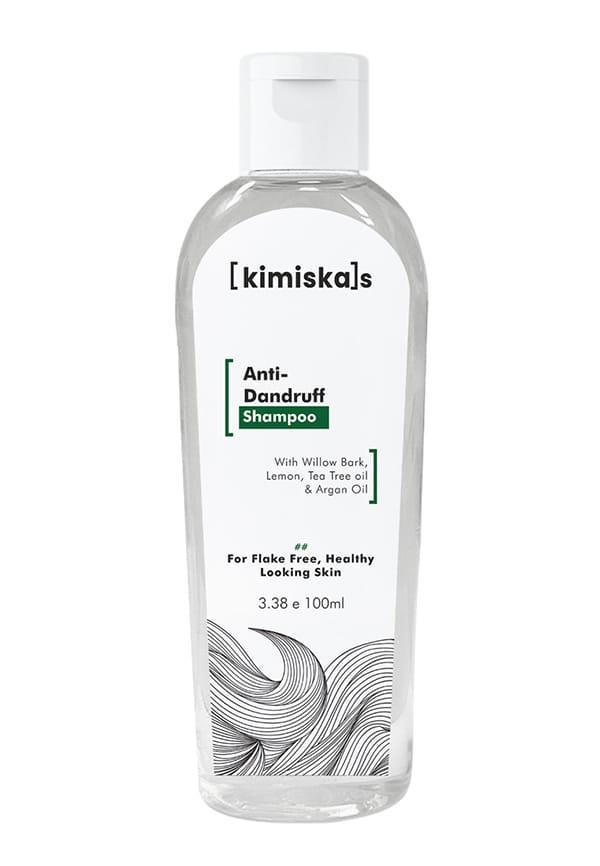
4.2|(100 ml)
Kimiska
Anti-Dandruff Shampoo
₹ 17510 % OFF
₹ 158
Reviews from genuine users
So Good! Must Try!
5
“it is so good....I love it....u should give a try to it.”
Subhash More07 Aug 2026
So Good! Must Try!
5
“it is so good....I love it....u should give a try to it.”
Subhash More07 Aug 2026
So Good! Must Try!
5
“it is so good....I love it....u should give a try to it.”
Subhash More07 Aug 2026
Consistency is everything. Once you find a routine that works, stick with it. Many people make the mistake of stopping treatment as soon as their symptoms improve, only to have everything flare up again.
Seasonal adjustments are crucial too. You might need a more moisturising routine in winter and a more clarifying one in summer.
Building a Scalp-Healthy Lifestyle
Stress management isn't just good for your mental health—it's essential for your scalp health too. Regular exercise, adequate sleep, and stress-reduction techniques can all help keep scalp inflammation at bay.
Nutrition matters more than you might think. Omega-3 fatty acids, zinc, and B vitamins all support healthy scalp function.
Frequently Asked Questions
Why do I keep getting dandruff and itchy scalp?
Recurring dandruff usually indicates that the underlying causes haven't been fully addressed. This could be due to using the wrong products, not treating consistently enough, or having triggers like stress or hormonal changes that keep setting off flare-ups.
How to get rid of itchy scalp due to dandruff?
Start with a medicated shampoo containing zinc pyrithione or selenium sulfide. Use it 2-3 times a week, leaving it on for 3-5 minutes before rinsing. Avoid scratching, which can worsen inflammation, and consider adding a gentle scalp oil for extra moisture.
What causes dandruff in kids?
Children can develop dandruff due to the same fungal overgrowth as adults, but it's often milder. Hormonal changes during puberty, using adult hair products, or not washing hair frequently enough can all contribute. Gentle, child-specific treatments are usually most effective.
Can dandruff be cured permanently?
Whilst there's no permanent "cure" for dandruff, it can be very effectively managed with the right routine. Most people can keep symptoms completely under control with consistent care and the right products.
Key Takeaways
Understanding dandruff itchy scalp causes is the first step towards getting your scalp health back on track. Whether you're dealing with classic dandruff, seborrheic dermatitis, or just a dry scalp, the key is identifying your specific condition and treating it consistently.
Remember, what works for your friend might not work for you—scalp health is surprisingly individual. That's where platforms like Smytten become incredibly valuable. With access to trial-sized products from trusted brands, you can discover the perfect dandruff treatment without the financial risk of buying full-size products that might not suit your scalp. After all, why settle for maybe when you can try it all and find what actually works for your unique scalp needs?

 5
5