Understanding Men's Hair Growth Vitamins: Your FAQ

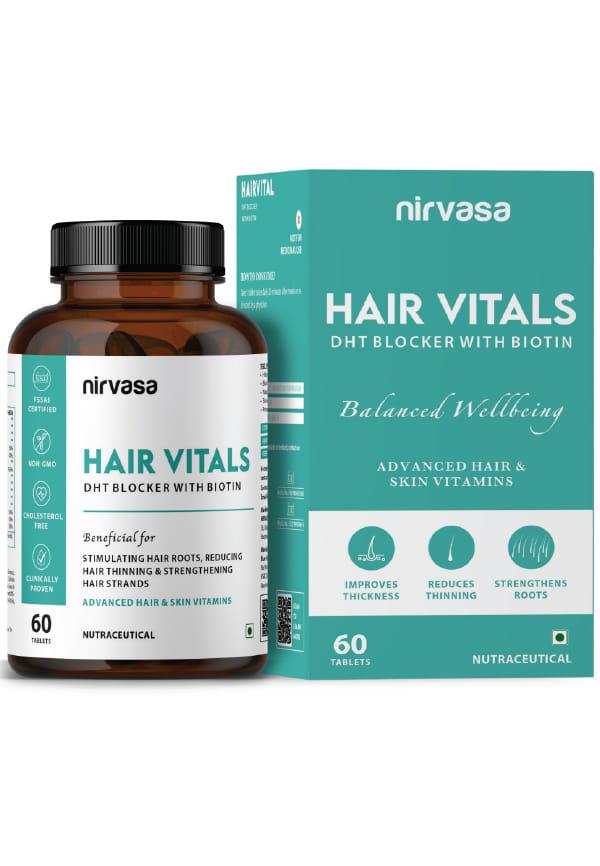
Hair Vitals DHT Blocker with Biotin Tablets | Hair Vitamins for Men & Women
Useful Nirvasa Product
 4
4“Very useful product from Nirvasa”
Positive Product Feedback
4“good product..................”
Positive Hair Vitamin Review
5“Hair vitamins from this brand is good”
Let's be real — watching your hairline slowly retreat or noticing more strands in the shower drain isn't exactly the confidence boost you're looking for. If you're one of the 50% of men who'll experience some form of hair loss by age 50, you've probably wondered whether those hair growth vitamins actually work or if they're just expensive placebos. The good news? There's actual science behind some of these supplements, and understanding which nutrients your hair truly needs can make all the difference. We're diving deep into the world of men's hair growth vitamins, separating the marketing hype from the research-backed facts, so you can make informed choices about your hair health journey.
Your hair follicles are basically tiny factories working around the clock, and like any factory, they need the right raw materials to function properly. Understanding how hair growth works at the cellular level helps explain why certain vitamins for male hair loss can actually make a difference. Each hair follicle goes through three distinct phases: anagen (the active growth phase lasting 2-7 years), catagen (a brief transitional phase), and telogen (the resting phase before the hair sheds). During the anagen phase, your follicles are rapidly dividing cells and producing the keratin proteins that form your hair shaft.
The process is more complex than you might think. Your hair follicles require a steady supply of amino acids, vitamins, and minerals to synthesise the proteins that make up each strand. When you're deficient in key nutrients, this cellular machinery starts to slow down, leading to thinner, weaker hair or even premature entry into the telogen phase. Men face unique challenges here because factors like higher testosterone levels, increased DHT production, and different dietary patterns can affect how efficiently nutrients reach the hair follicles.
Most men don't realise how their lifestyle choices create nutritional gaps that directly impact hair health. High-stress jobs, irregular eating patterns, and reliance on processed foods can deplete essential vitamins faster than they're replenished. Iron deficiency, for instance, is more common in men than previously thought, especially those following plant-based diets or dealing with chronic stress. Similarly, vitamin D deficiency affects nearly 70% of Indian men, and this nutrient plays a crucial role in hair follicle cycling. These deficiencies don't just happen overnight — they build up gradually, which is why hair thinning often seems to appear suddenly when it's actually been developing for months.
When it comes to hair growth supplements for men, not all vitamins are created equal. While the supplement industry loves to make bold claims, only a handful of nutrients have solid scientific backing for their role in male hair health. The research is clear on three key players that consistently show up in clinical studies, and understanding their specific mechanisms can help you make smarter choices about supplementation.
Vitamin D tops the list for good reason. Research published in dermatology journals shows that vitamin D receptors in hair follicles are essential for the anagen phase of hair growth. Men with androgenetic alopecia often have significantly lower vitamin D levels than those with healthy hair. Iron comes in second — it's not just about preventing anaemia. Iron helps transport oxygen to hair follicles and plays a role in DNA synthesis during rapid cell division. Vitamin C rounds out the trio by enhancing iron absorption and supporting collagen production, which strengthens the hair shaft structure.
Here's where things get interesting. Biotin is probably the most marketed hair vitamin, but the clinical evidence for biotin for men's hair is actually quite limited. Most studies showing biotin effectiveness were conducted on people with actual biotin deficiency, which is relatively rare in healthy adults. However, if you're dealing with brittle, weak hair rather than hair loss, biotin supplementation at 2.5-5mg daily might help with hair strength and texture. The key is managing expectations — biotin won't regrow hair on a bald scalp, but it might improve the quality of existing hair.
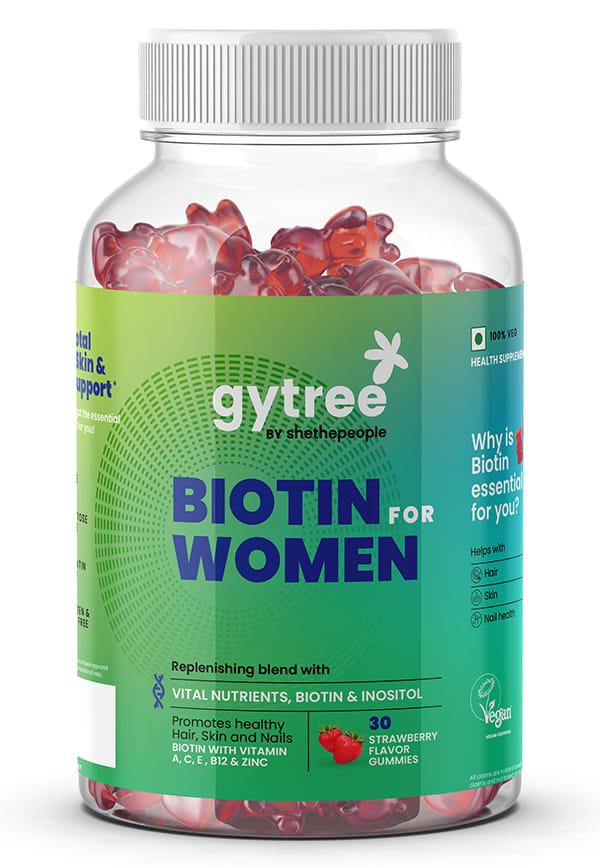
The Total Hair, Skin & Nail Support Biotin Gummies
Beyond the big three, several other nutrients show promise for male hair health. Zinc plays a dual role — it helps regulate DHT levels (the hormone responsible for male pattern baldness) and supports protein synthesis in hair follicles. B-complex vitamins, particularly B6 and B12, support the energy metabolism that hair follicles need for rapid cell division. Omega-3 fatty acids deserve a mention too, as they help maintain scalp health and reduce inflammation that can interfere with hair growth. The key is understanding that these work best as part of a comprehensive approach rather than magic bullets.
Walking into a supplement store or browsing online can feel overwhelming when you're faced with hundreds of hair health supplements men can choose from. The marketing promises are bold, the ingredient lists are long, and the price ranges vary wildly. But here's the thing — more ingredients doesn't always mean better results, and the most expensive option isn't necessarily the most effective.
A quality hair supplement should contain vitamin D3 (1000-2000 IU), iron (if you're deficient — get tested first), vitamin C (500-1000mg), zinc (15-30mg), and B-complex vitamins. Look for chelated minerals, which are better absorbed than basic mineral salts. Avoid supplements with proprietary blends that don't list individual ingredient amounts — you need to know exactly what you're getting. Also, be wary of supplements with caffeine or stimulants, as these can actually increase stress hormones that contribute to hair loss.
Third-party testing is non-negotiable. Look for certifications from organisations like NSF International or USP, which verify that what's on the label is actually in the bottle. Check for bioavailable forms of nutrients — methylcobalamin instead of cyanocobalamin for B12, for example. The supplement should also be free from unnecessary fillers, artificial colours, and allergens. Price-wise, you don't need to break the bank, but extremely cheap supplements often cut corners on quality and bioavailability.
Taking vitamins isn't a set-it-and-forget-it solution for hair health. The most effective approach combines targeted supplementation with lifestyle changes that support overall hair health. Think of hair regrowth products for men as part of a comprehensive strategy rather than a standalone solution.
Start with a baseline — get blood tests for vitamin D, iron, B12, and zinc levels before beginning any supplement regimen. This helps you identify actual deficiencies rather than guessing. Combine your vitamin routine with scalp massage using oils like rosemary or peppermint, which have shown promise in small studies. Timing matters too — take iron supplements on an empty stomach with vitamin C for better absorption, but take them separately from calcium or zinc. Most importantly, be consistent. Hair follicles respond to steady nutrient availability, not sporadic supplementation.
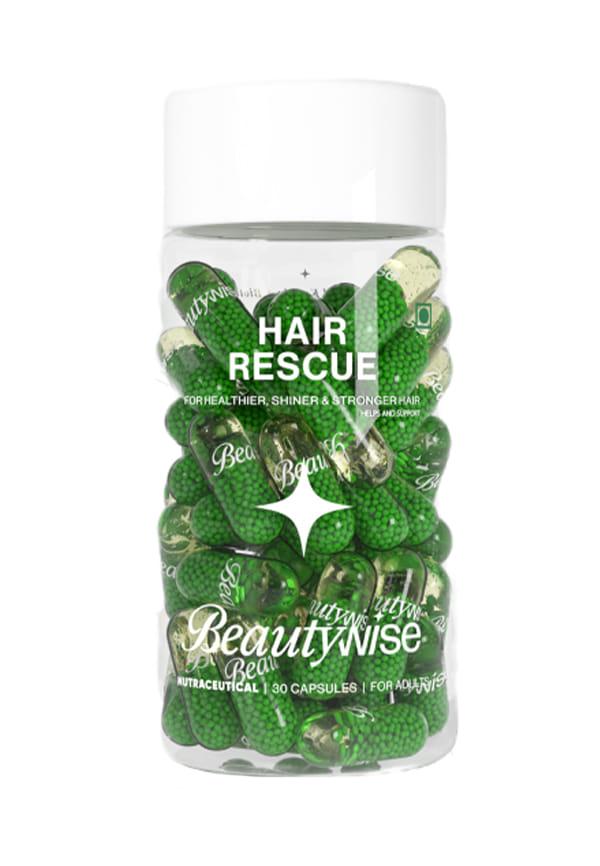
Hair Rescue, Hair Aminos, Vitamins, DHT Blocker for Hairfall Control & Growth
Good product, slow hair growth
4“good product but slow process of growth of hair”
Hair Improvement
5“my hair are improving day by day.”
Real talk — you won't see dramatic changes overnight. Hair grows about half an inch per month, and it takes 3-6 months to see noticeable improvements in hair quality or density. Take progress photos in consistent lighting and track changes in hair texture, strength, and shedding patterns. If you're not seeing any improvement after six months, it might be time to reassess your approach or consult a dermatologist. Sometimes hair loss has underlying medical causes that vitamins alone can't address.
While vitamins can address nutritional deficiencies that contribute to hair problems, they're just one piece of the puzzle. The most effective men's hair thinning solutions take a holistic approach that addresses multiple factors affecting hair health.
Your scalp health is just as important as what you put in your body. Regular scalp massage increases blood circulation to hair follicles, potentially enhancing nutrient delivery. Use gentle, sulfate-free shampoos that won't strip natural oils, and consider incorporating a weekly deep-cleansing treatment to remove buildup. Diet plays a huge role too — focus on protein-rich foods, healthy fats, and antioxidant-rich vegetables. Manage stress through regular exercise, adequate sleep, and stress-reduction techniques, as chronic stress can push hair follicles into the telogen phase prematurely.
If you're experiencing rapid hair loss, patchy bald spots, or hair loss accompanied by scalp irritation, it's time to see a dermatologist. These could be signs of conditions like alopecia areata or scalp infections that require medical treatment. A healthcare provider can also help determine if your hair loss is primarily genetic (androgenetic alopecia) or related to nutritional deficiencies, stress, or other factors. They might recommend prescription treatments like minoxidil or finasteride alongside nutritional support for more comprehensive results.
There isn't one single "best" vitamin, but vitamin D consistently shows up in research as crucial for hair follicle health. Most men benefit from a combination approach including vitamin D3, iron (if deficient), and vitamin C. The key is getting blood tests to identify your specific deficiencies rather than taking a one-size-fits-all approach. Individual needs vary based on diet, lifestyle, and genetic factors.
For overall hair health, vitamin D takes the top spot due to its role in hair follicle cycling and the high prevalence of deficiency in men. However, comprehensive formulas that include B-complex vitamins, zinc, and iron tend to be more effective than single nutrients. Age matters too — men over 40 might need higher doses of certain vitamins due to decreased absorption and increased nutritional needs.
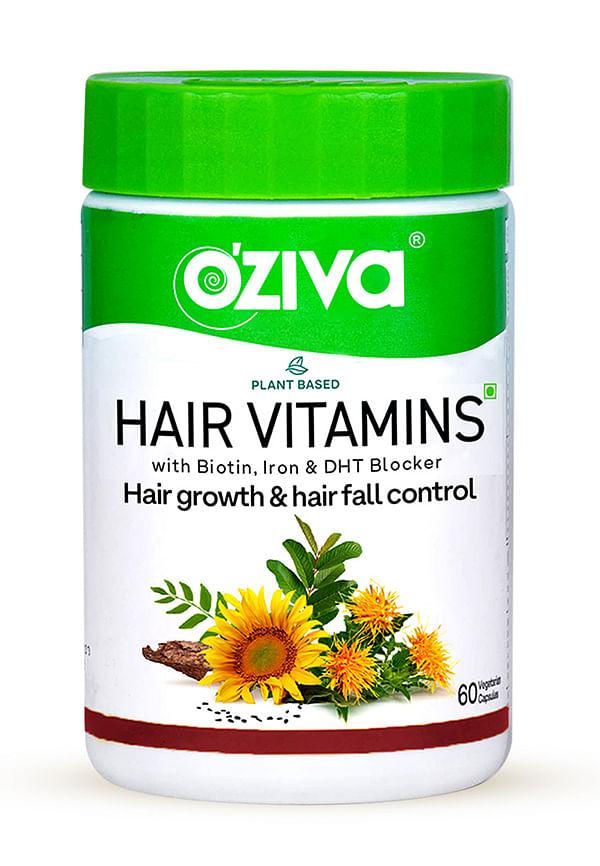
OZiva Plant Based Hair Vitamins | Hair Supplement For Growth & Hair Fall Control (60 Capsules)
Good Product for Hair
5“A very good product . Good for hair.”
Good Product for Hair
5“A very good product . Good for hair.”
Hair Vitamin Capsule Useful
5“Hair vitamin capsule is very useful.”
Realistic expectations are crucial here. You might notice improvements in hair texture and strength within 6-8 weeks, but visible changes in hair density typically take 3-6 months. This timeline reflects the natural hair growth cycle — existing hair needs time to grow out stronger, and new hair growth takes time to become noticeable. Factors like the severity of deficiency, overall health, and consistency with supplementation all influence response time.
Absolutely. Fat-soluble vitamins like A, D, E, and K can accumulate in your body and cause toxicity if taken in excessive amounts. Iron overload is particularly dangerous for men, as they don't lose iron through menstruation like women do. Signs of vitamin toxicity include nausea, headaches, fatigue, and in severe cases, organ damage. Stick to recommended dosages and get regular blood tests if you're taking high-dose supplements.
Hair vitamins are most effective for hair loss caused by nutritional deficiencies, stress, or poor hair quality. They're less effective for androgenetic alopecia (male pattern baldness), which is primarily genetic and hormonal. However, even men with genetic hair loss can benefit from vitamins if they also have underlying deficiencies. The key is understanding the root cause of your hair loss and setting appropriate expectations.
Not necessarily. Many expensive supplements contain the same basic vitamins as cheaper alternatives, just with fancier marketing and packaging. Focus on ingredient quality, bioavailability, and third-party testing rather than price. Sometimes you're paying for brand recognition rather than superior formulation. That said, extremely cheap supplements often use low-quality ingredients with poor absorption rates.
Even with a good diet, certain nutrients can be difficult to get in optimal amounts for hair health. Vitamin D is hard to get from food alone, especially in India where many people have limited sun exposure. Iron absorption from plant sources is lower than from meat, so vegetarian men might benefit from supplementation. If you're unsure, blood tests can reveal whether your "balanced" diet is actually meeting your hair's nutritional needs.
Chronic stress can interfere with nutrient absorption and increase the body's demand for certain vitamins and minerals. Stress hormones like cortisol can also push hair follicles into the resting phase, counteracting the benefits of supplementation. For best results, combine hair vitamins with stress management techniques like regular exercise, adequate sleep, and relaxation practices.
Understanding men's hair growth vitamins for wellness isn't about finding a magic pill that'll give you a full head of hair overnight. It's about identifying and addressing the nutritional gaps that might be contributing to your hair concerns. The science is clear that certain vitamins and minerals play crucial roles in hair health, but they work best as part of a comprehensive approach that includes proper scalp care, stress management, and realistic expectations.
Remember that hair loss can have multiple causes — genetic, hormonal, nutritional, or medical — and vitamins are most effective when the underlying issue is actually nutrient-related. Getting blood tests before starting any supplement regimen helps you target your specific needs rather than taking a shotgun approach. And while it's tempting to want quick results, hair health is a long-term game that requires consistency and patience.
If you're curious about trying different hair care products alongside your vitamin routine, Smytten offers trial-size versions of many hair strengthening and growth products from trusted brands. It's a practical way to test what works for your specific hair type and concerns before investing in full-size products, letting you build a comprehensive hair care routine that complements your nutritional approach.
