Understanding Hair Product Ingredients: Your Complete FAQ

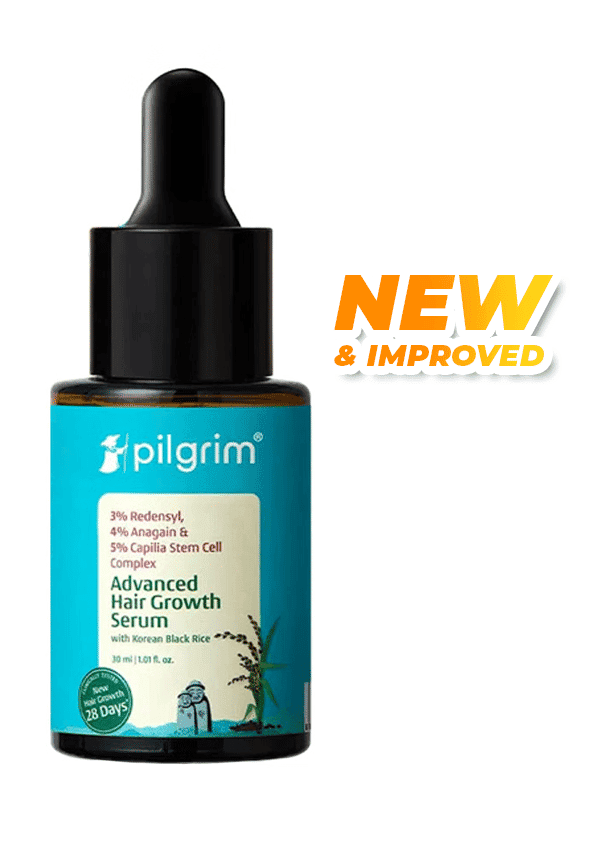
3% Redensyl, 4% Anagain & 5% Capilia Stem Cell Complex Advanced Hair Growth Serum
Life Saving Product
 4
4“This serum is such a life saving product ❤️❤️❤️.I love it”
Effective Hair Serum
5“best best brand and serum for hair, very effective”
Nice Product
5“nice product 👍🏻😺😃😺😺😺😺😺😺😺”
Ever stood in the haircare aisle, squinting at ingredient lists that read like a chemistry textbook? You're not alone. Between sulfates, parabens, and those impossible-to-pronounce names, understanding hair product ingredients can feel overwhelming. But here's the thing—knowing what goes into your shampoo and conditioner isn't just about being a conscious consumer. It's about making choices that actually work for your hair type and concerns. Let's break down the science behind those labels and help you become your own haircare detective.
Reading hair product ingredients isn't as complicated as brands make it seem. The key is understanding the system behind those scientific names and knowing what to look for first.
Every ingredient on your haircare products follows the International Nomenclature of Cosmetic Ingredients (INCI) system. This means "Aqua" is just water, "Sodium Chloride" is table salt, and "Tocopherol" is vitamin E. Once you know the common translations, those intimidating labels become much clearer.
Ingredients are listed by concentration, from highest to lowest. Water typically tops the list in shampoos, followed by your main cleansing agents. After the 1% threshold, ingredients can be listed in any order, which is why you'll see preservatives and fragrances at the end. This hierarchy tells you what's actually doing the work in your product.
Watch out for vague terms like "fragrance" or "parfum"—these can hide hundreds of unlisted chemicals. Marketing language like "clinically proven" without specific studies or "natural" without context should also raise eyebrows. Real transparency means listing everything clearly.
Understanding haircare ingredients means knowing what each component actually does for your hair. From cleansing to conditioning, every ingredient has a specific job.
Surfactants like Sodium Lauryl Sulfate or gentler alternatives like Coco Glucoside do the cleaning. Emulsifiers help oil and water mix, while conditioning agents like Cetyl Alcohol smooth your hair cuticles. pH balancers keep your scalp happy, preservatives prevent bacterial growth, and thickeners give that perfect consistency you expect from your shampoo.
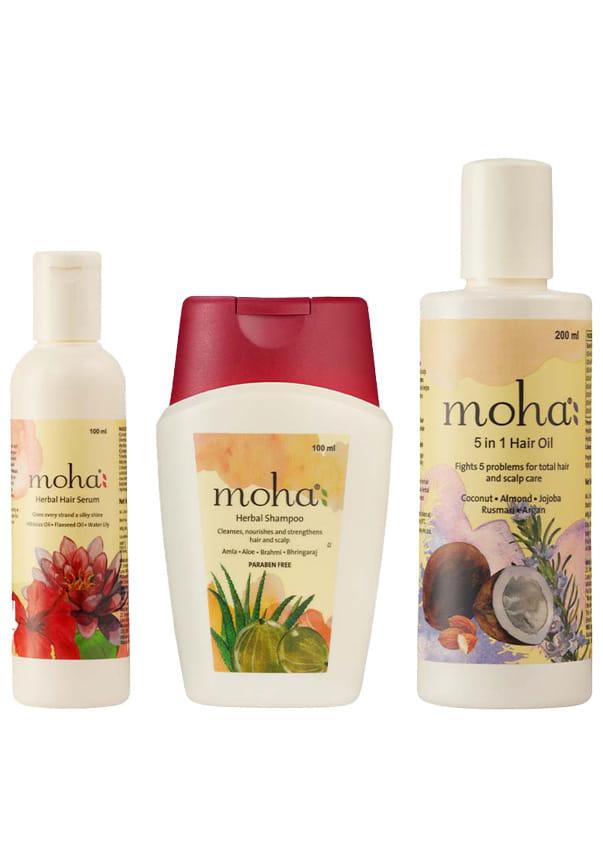
Herbal Hair Shampoo - 5 In 1 Hair Oil And Hair Serum
Good serum, but misleading offer
5“I thought I would get something free with it but nothing was there with it. but the serum is good.”
Conditioners rely on positively charged (cationic) ingredients that stick to your negatively charged hair shaft. This creates that smooth, anti-static effect you feel after conditioning. The balance between protein and moisture in these formulas determines whether your hair feels strong or soft.
Not all ingredients in shampoo are created equal. Active ingredients like salicylic acid for dandruff or biotin for hair health do the heavy lifting. Fillers like water and basic emulsifiers are necessary but don't provide specific benefits. Look for products where actives appear higher on the ingredient list.
The clean beauty movement has put sulfates and parabens in the spotlight, but the reality is more nuanced than marketing claims suggest.
Sodium Lauryl Sulfate (SLS) is harsher than Sodium Laureth Sulfate (SLES), but both can work fine for oily hair types. If you have dry, damaged, or colour-treated hair, gentler alternatives like Sodium Cocoyl Isethionate or Decyl Glucoside might be worth trying. The key is matching the cleansing strength to your hair's needs.
Parabens are effective preservatives that prevent harmful bacteria and mould growth in your products. While some studies raised concerns about endocrine disruption, regulatory bodies worldwide still consider them safe at cosmetic concentrations. Alternatives like phenoxyethanol or natural preservative systems work too, but often require higher concentrations or multiple ingredients.
"Clean" isn't a regulated term, so brands define it differently. Focus on ingredient safety databases, third-party certifications, and your own hair's response rather than marketing buzzwords. What matters most is finding formulas that work for your specific concerns without causing irritation.
Natural doesn't always mean better, but some plant-based ingredients have solid science backing their benefits for hair health.
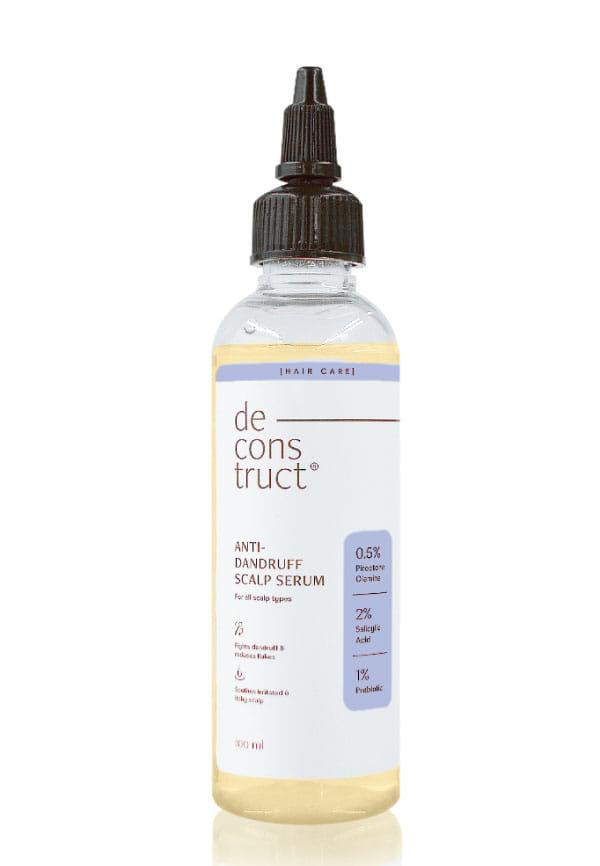
Anti-Dandruff Scalp Serum - 0.5% Piroctone Olamine + 2% Salicylic Acid + 1% Prebiotic
Effective for dandruff and hairfall
5“awesome product, really helps in dandruff and hairfall”
Effective for Dandruff
5“it really works...! I was struggling with dandruff until I bought this. please go for it 🙏”
Good for clear scalp and dandruff
4“Good product for clear scalp to deal with dandruff.”
Coconut oil actually penetrates the hair shaft thanks to its molecular structure, making it genuinely protective. Rice water contains amino acids and vitamins that can strengthen hair over time. Fermented ingredients like yogurt-derived lactobacillus support scalp health by maintaining its natural microbiome.
Biotin supports keratin production, but deficiency is rare unless you have specific health conditions. Ginseng extract can improve circulation to hair follicles, while ingredients containing iron, zinc, and protein address common deficiency-related hair issues. Remember, topical application has limits—nutrition matters too.
Essential oils like rosemary or peppermint should never exceed 1-2% concentration and always need dilution in carrier oils. Carrier oils like argan or jojoba can be used neat but work best when formulated properly. Always patch test, especially with essential oils that can cause sensitivity.
While most cosmetic ingredients are safe when used as directed, some deserve extra caution, especially with frequent use.
Formaldehyde-releasing preservatives like DMDM Hydantoin can cause scalp irritation and are being phased out by many brands. Some hair dyes contain heavy metals that can accumulate over time. Certain synthetic fragrances contain phthalates, which may disrupt hormones, though this is still being researched.
The EU requires listing 26 specific fragrance allergens when present above certain concentrations. Common culprits include limonene, linalool, and geraniol. If you have sensitive skin, look for products that list these clearly or choose fragrance-free options.
Natural preservative systems using combinations of organic acids and plant extracts can replace controversial preservatives. Gentle surfactants derived from coconut or sugar can clean effectively without stripping. Plant-based styling ingredients often perform just as well as synthetic alternatives.
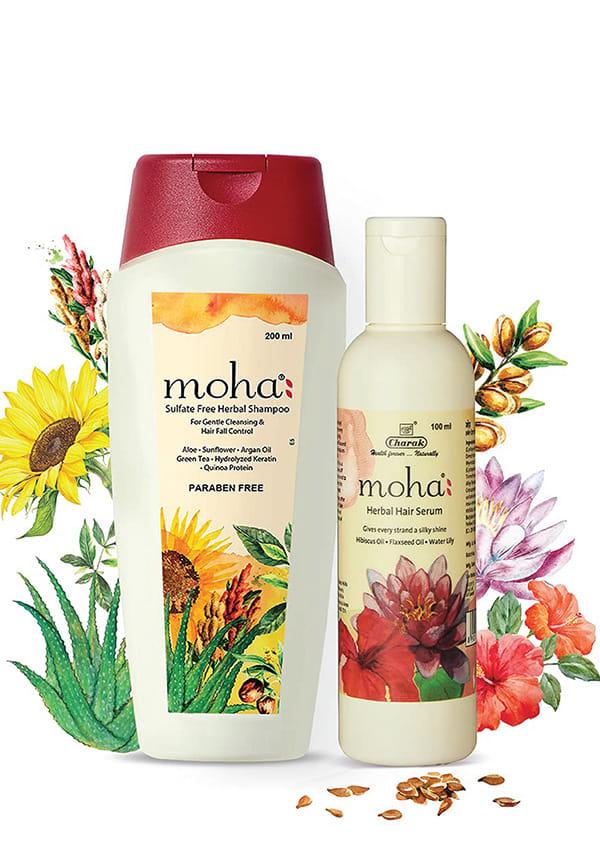
Sulfate Free Herbal Shampoo + Herbal Hair Serum
Start from the top—ingredients are listed by concentration from highest to lowest. Water usually comes first, followed by main active ingredients. After about the fifth ingredient, concentrations drop significantly. Look for actives that address your specific concerns in the first half of the list.
Water forms the base, surfactants do the cleaning, conditioning agents smooth hair, preservatives prevent spoilage, and pH adjusters keep your scalp balanced. Additional actives like salicylic acid for dandruff or proteins for damage repair target specific concerns.
Caffeine, peptides, and certain plant extracts like saw palmetto show promise in studies. Niacinamide improves scalp circulation, while biotin supports keratin production. However, realistic expectations are key—topical ingredients support healthy growth but can't override genetics or underlying health issues.
Match ingredients to your hair's porosity and texture. High porosity hair needs proteins and heavier oils, while low porosity hair responds better to lighter formulas and heat. Oily scalps benefit from clarifying ingredients, while dry scalps need gentle, moisturising formulas.
Price doesn't guarantee quality. Some drugstore brands use identical ingredients to luxury ones. Focus on the ingredient list and how your hair responds rather than the price tag. Sometimes you're paying for packaging and marketing rather than superior formulation.
Give new products at least 4-6 weeks for your hair to adjust, unless you experience immediate irritation. Hair grows slowly, so benefits from strengthening or growth-promoting ingredients take time to show. Keep a hair diary to track changes objectively.
Understanding hair product ingredients isn't about memorising every chemical name—it's about knowing what works for your specific hair type and concerns. Focus on ingredient order, watch for your personal triggers, and remember that expensive doesn't always mean better. The most important ingredient in any haircare routine is consistency with products that suit your hair's unique needs.
Ready to put this knowledge into practice? Smytten's curated selection includes haircare products from trusted brands with transparent ingredient lists. Not sure which formulation works for your hair type? Trial-size versions of many products let you test ingredients and formulas before committing to full bottles—because your hair deserves ingredients that actually work, not just marketing promises.
