Understanding Hair Porosity Test: Your Questions Answered


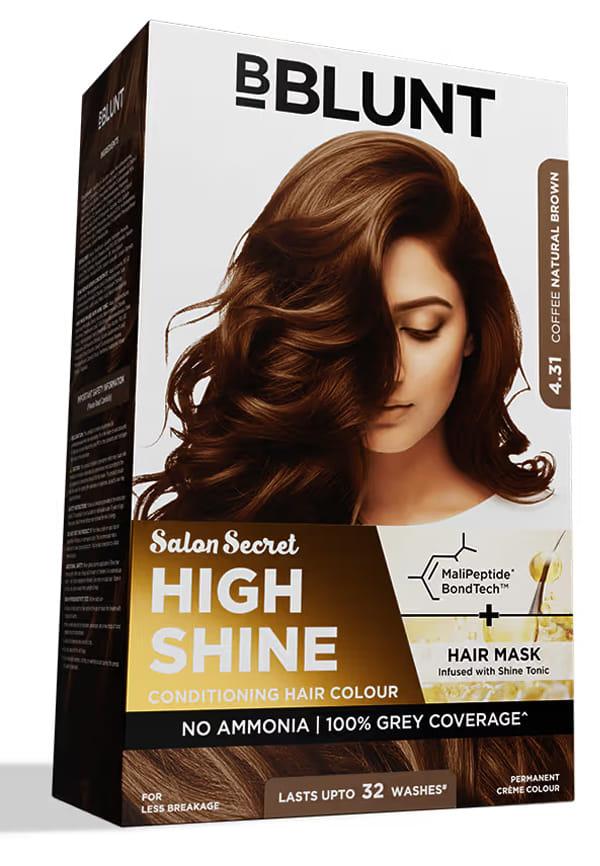
Salon Secret High Shine Conditioning Hair Colour
All-time favorite, great results
 5
5“my All time fevrouite result bahut ache h”
All-time favorite, great results
5“my All time fevrouite result bahut ache h”
All-time favorite, great results
5“my All time fevrouite result bahut ache h”
Ever wondered why your friend's haircare routine works magic on her locks but leaves yours looking flat and lifeless? Or why that expensive hair mask everyone raves about just sits on your strands without doing much? The answer might lie in something you've probably never heard of: hair porosity. Understanding your hair's porosity is like having a secret code to unlock what your hair actually needs. It's the difference between guessing what might work and knowing exactly what will make your hair thrive.
Think of hair porosity as your hair's thirst level—how easily it drinks up moisture and how well it holds onto it. Your hair structure is made up of overlapping scales called cuticles, kind of like roof tiles. When these cuticles are tightly closed, your hair has low porosity. When they're raised or damaged, you're dealing with high porosity hair. Medium porosity sits right in the sweet spot between the two.
Here's why this matters for your hair health: porosity determines everything from how your hair responds to products to how long your colour lasts. Low porosity hair might repel moisture initially but holds onto it well once it gets in. High porosity hair drinks up everything you put on it but struggles to keep moisture locked in. Understanding this helps you choose the right products, techniques, and even the timing of your haircare routine.
Your hair's porosity affects how it reacts to humidity (hello, frizz!), how quickly it dries, and even how it feels to touch. Once you know your porosity type, you can stop throwing products at your hair and start giving it exactly what it craves.
Let's break down the three hair porosity types so you can start identifying where your hair fits in this spectrum.
Low porosity hair has cuticles that lie flat and tight, creating a protective barrier. This hair type is naturally resistant to moisture and products. You might notice that water beads up on your hair when you first wet it, and it takes ages to get fully saturated. Hair masks seem to sit on top rather than sinking in, and your hair takes forever to dry. The upside? Once moisture gets in, it stays put, making this hair type naturally shiny and less prone to damage.
Consider yourself lucky if you have medium porosity hair—it's the Goldilocks of hair types. The cuticles are slightly raised, allowing just the right amount of moisture in and out. This hair type accepts and retains moisture well, responds beautifully to most products, and generally behaves itself. It's the easiest to manage and style, though it can still benefit from regular deep conditioning.
High porosity hair has raised or damaged cuticles with gaps and holes. This hair type absorbs moisture quickly but loses it just as fast. You might notice your hair feels dry shortly after washing, gets frizzy in humid weather, and seems to drink up products without showing much improvement. While this sounds challenging, high porosity hair responds well to protein treatments and heavier, sealing products.
Hair Building Fiber
Ready to solve the mystery of your hair's porosity? There are several ways to test your hair at home, and we'll walk you through the most reliable methods for testing hair porosity.
This is the most popular method for understanding hair porosity test results. Start with clean, product-free hair. Pluck a few strands from different areas of your head—your crown, sides, and back might have different porosity levels. Fill a clear glass with room temperature water and gently place the strands on the surface. Now, wait and watch. Low porosity hair will float for several minutes or even indefinitely. Medium porosity hair will slowly sink after a few minutes. High porosity hair sinks immediately or within the first minute.
For a quicker assessment, try the spray test. Take a section of clean, dry hair and mist it lightly with water. Low porosity hair will have water beading up on the surface. Medium porosity hair will absorb the water gradually. High porosity hair will soak up the water almost instantly, leaving the section looking darker and wet.
Run your fingers along a strand of hair from root to tip. Low porosity hair feels smooth and the cuticles lie flat. Medium porosity hair has a slight texture but still feels relatively smooth. High porosity hair feels rough, bumpy, or catches on your fingers as you slide down the strand.
Now that you've done your porosity test, let's decode what those results actually mean for your haircare routine. The float test is generally the most reliable, but remember that your hair might show mixed results—and that's completely normal.
If your hair floated in the water test, you're dealing with low porosity. This means your hair needs help opening up those cuticles to let moisture in. Heat is your friend here, whether it's from a warm towel during deep conditioning or using products in a steamy bathroom. Your hair might also benefit from clarifying treatments to remove product buildup that can make porosity seem even lower than it actually is.
Hair that sank gradually indicates medium porosity—the sweet spot that most people aim for. Your hair has a good balance and will respond well to a variety of products and techniques. You can experiment with different ingredients and formulations without worrying too much about overwhelming or under-nourishing your strands.
If your hair sank immediately, you're working with high porosity hair. This hair type needs extra moisture and protein to fill in those gaps in the cuticles. Look for leave-in treatments, heavier oils, and protein-rich products. Your hair will also benefit from techniques that help seal the cuticles, like cool water rinses and products with film-forming ingredients.
Understanding your porosity is just the beginning—now let's talk about how to actually care for your specific hair type. Each porosity level needs a different approach to achieve healthy, happy hair.
QuickGroom Beard Root Touch Up Wax
Low porosity hair needs encouragement to accept moisture. Use lightweight oils like argan or jojoba rather than heavy butters that will just sit on top. Apply heat when deep conditioning—wrap your hair in a warm towel or sit under a hooded dryer. Clarifying shampoos are essential to remove buildup that can make your hair even more resistant to moisture. Look for humectants like glycerin and honey that can help draw moisture into the hair shaft.
You've got the easiest hair type to manage, but don't get complacent. Regular deep conditioning treatments will keep your hair in optimal condition. You can experiment with both protein and moisture treatments, but pay attention to how your hair responds. Alternate between different types of treatments to maintain that perfect balance.
High porosity hair craves both moisture and protein. Use heavier creams and butters to help seal moisture in. Protein treatments can help temporarily fill in the gaps in your cuticles—try treatments with hydrolysed proteins that are small enough to penetrate the hair shaft. Finish your routine with oils or serums that can create a protective barrier. Cool water rinses help close the cuticles and lock in your treatments.
Let's clear up some confusion around hair porosity that might be steering you in the wrong direction.
First myth: your porosity never changes. Actually, hair porosity can shift due to chemical processing, heat damage, environmental factors, and even age. That's why it's worth retesting periodically, especially after major changes to your routine or lifestyle.
Another misconception is that the float test is always 100% accurate. While it's a good starting point, factors like hair thickness, previous product use, and even the water temperature can affect results. It's best to combine multiple testing methods and observe how your hair actually behaves with different products.
Many people also assume that all damaged hair is automatically high porosity. While damage often increases porosity, some hair can be damaged yet still maintain relatively low porosity, especially if the damage is primarily to the hair's interior structure rather than the cuticle layer.
No, you should always test on clean, dry hair. Wet hair behaves differently and can give you inaccurate results. The water already present on your strands will interfere with how your hair interacts with the test water.
Instant Hair Color Stick – Temporary Root Touch Up for Grey Hair Coverage
Test your porosity every 3-6 months, or after any major changes like chemical processing, significant heat damage, or if you notice your usual products aren't working as well. Your porosity can change over time.
This is actually quite common. Different sections of your hair might have different porosity levels due to varying exposure to damage, sun, or processing. Treat each section according to its needs, or choose products that work for your hair's average porosity level.
Yes, recent protein treatments, deep conditioning, or heavy product use can temporarily affect your results. For the most accurate test, use a clarifying shampoo first and avoid any treatments for 24-48 hours before testing.
Professional testing can provide more detailed information, but home tests are surprisingly reliable when done correctly. The key is using multiple methods and observing your hair's actual behaviour with products over time.
Absolutely. Hormonal changes, ageing, and even seasonal shifts can affect your hair's structure and porosity. Pregnancy, menopause, and thyroid changes are particularly known for altering hair characteristics.
Understanding your hair porosity is like having a roadmap to better hair days. It takes the guesswork out of choosing products and helps you understand why certain techniques work better for you than others. Remember, there's no "best" porosity type—each has its own needs and benefits when properly cared for.
The key is to test accurately, interpret your results thoughtfully, and adjust your routine accordingly. Your hair might surprise you with how much better it responds when you give it exactly what it needs rather than what you think it should want.
Ready to put your newfound porosity knowledge to work? Smytten's curated selection includes haircare products specifically formulated for different porosity types, from lightweight oils perfect for low porosity hair to rich, sealing treatments ideal for high porosity strands. Not sure which format works for your hair? Smytten also offers trial-size versions of many of these products—a good way to check before committing to a full bottle.
