Understanding Hair Growth Vitamins for Men: Your FAQ


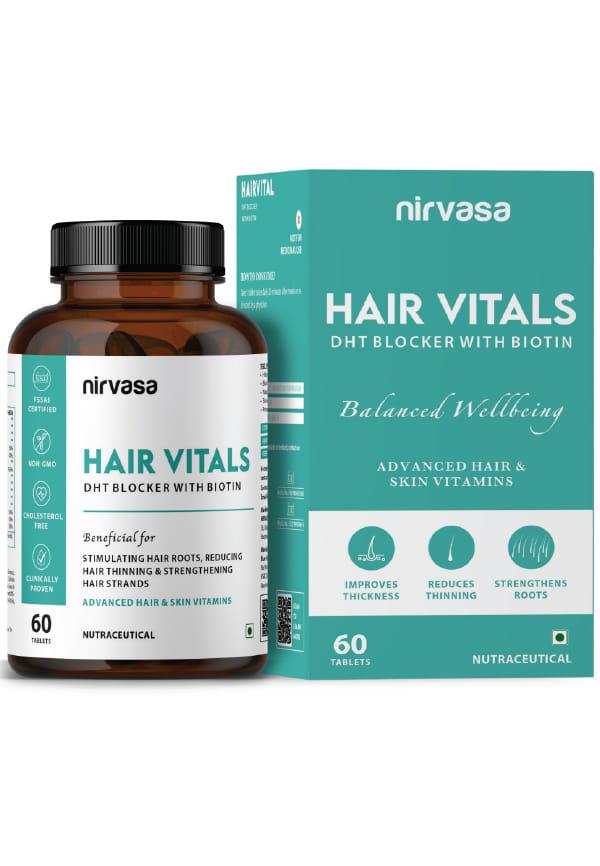
Hair Vitals DHT Blocker with Biotin Tablets | Hair Vitamins for Men & Women
You're standing in front of the mirror, running your fingers through your hair, and noticing what feels like more strands coming away than usual. Sound familiar? You're definitely not alone in this. Hair thinning and loss affect millions of men, and whilst genetics often play the starring role, there's growing buzz around whether the right vitamins could help support your hair's health. But with so many supplements promising miracle results, it's tough to separate the science from the sales pitch. Let's dig into what actually works when it comes to understanding hair growth vitamins for men for wellness.
Here's the real talk: your hair follicles are basically tiny factories that need specific nutrients to function properly. When you're missing key vitamins and minerals, these factories can't produce strong, healthy hair strands. Clinical studies have shown that certain deficiencies—particularly iron, vitamin D, and biotin—can directly impact hair growth cycles.
Your hair goes through three main phases: anagen (growth), catagen (transition), and telogen (rest). Hair growth supplements for men work by supporting the anagen phase, which is when your hair is actively growing. Research indicates that nutrients for hair growth men need most include B-vitamins, which help with cell division, and minerals like zinc that support protein synthesis.
But let's be clear about something important: hair growth vitamins aren't the same as hair loss treatments like minoxidil or finasteride. Vitamins address nutritional deficiencies that might be contributing to hair problems, whilst medical treatments target hormonal factors like DHT (dihydrotestosterone). Think of vitamins as foundational support rather than a cure-all solution.
The timeline for seeing results from vitamin supplementation is typically 3-6 months. This isn't marketing fluff—it's based on the hair growth cycle itself. Since hair grows about half an inch per month, you need to give new, healthier hair time to emerge and become noticeable.
When it comes to the best vitamins for male hair loss, research consistently points to seven key players. Each one supports hair health in different ways, and understanding what they do can help you make smarter choices about supplementation.
Biotin gets loads of attention in hair care circles, and for good reason. It's essential for keratin production—the protein that makes up your hair. Studies suggest 2.5-5mg daily for men, though most people get enough biotin from food unless they have a specific deficiency.
Your hair follicles have vitamin D receptors, and research shows that low vitamin D levels correlate with hair loss conditions like alopecia areata. Many men are deficient without realising it, especially if they spend most of their time indoors.
Iron carries oxygen to your hair follicles. Without enough iron, your follicles can't function properly. Whilst iron deficiency is more common in women, men who follow restrictive diets or have digestive issues might also be at risk.
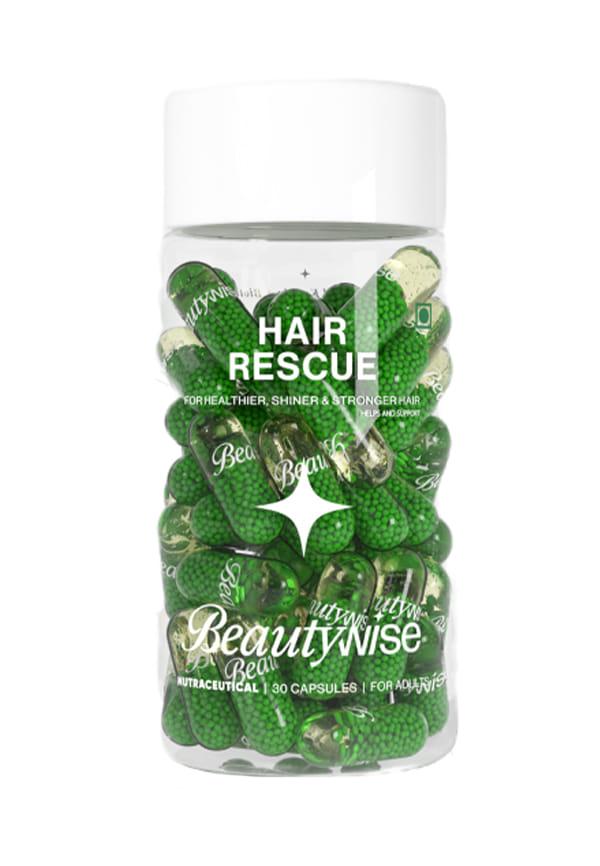
Hair Rescue, Hair Aminos, Vitamins, DHT Blocker for Hairfall Control & Growth
This mineral helps regulate DHT levels and supports protein synthesis in hair follicles. Zinc deficiency can lead to hair thinning, but too much zinc can actually cause hair loss, so balance is key.
Vitamin C helps your body absorb iron and supports collagen production, which strengthens hair strands. It's also an antioxidant that protects hair follicles from damage.
Folic acid, B12, and other B vitamins support cell division and DNA synthesis—crucial processes for hair growth. Deficiencies in these vitamins to strengthen hair men need can slow down hair production significantly.
Vitamin A helps produce sebum, the natural oil that keeps your scalp healthy. However, too much vitamin A can actually cause hair loss, so stick to recommended doses.
Let's zoom in on biotin for men's hair since it's probably the most talked-about supplement in hair health for men circles. The truth is, biotin deficiency is relatively rare in healthy adults who eat a balanced diet. Your gut bacteria actually produce some biotin naturally, and it's found in foods like eggs, nuts, and seeds.
That said, certain factors can increase your biotin needs. If you're dealing with digestive issues, taking antibiotics long-term, or following a very restrictive diet, you might benefit from supplementation. Some men also have genetic variations that affect biotin metabolism.
The optimal dose for hair health appears to be 2.5-5mg daily, though some studies have used higher amounts. Side effects are rare since biotin is water-soluble, but very high doses might interfere with certain lab tests, so let your doctor know if you're supplementing.
Realistic expectations are crucial here. If you're biotin-deficient, supplementation might help improve hair strength and reduce breakage within a few months. If you're not deficient, you probably won't see dramatic changes from biotin alone.
Whilst vitamins can support hair health, effective hair thinning solutions men need often require a more comprehensive approach. Think of vitamins as one piece of a larger puzzle that includes stress management, proper sleep, and addressing underlying health conditions.
Men's hair loss prevention works best when you tackle multiple factors simultaneously. For instance, chronic stress increases cortisol levels, which can disrupt hair growth cycles even if your vitamin levels are perfect. Similarly, poor sleep quality affects growth hormone production, which plays a role in hair regeneration.
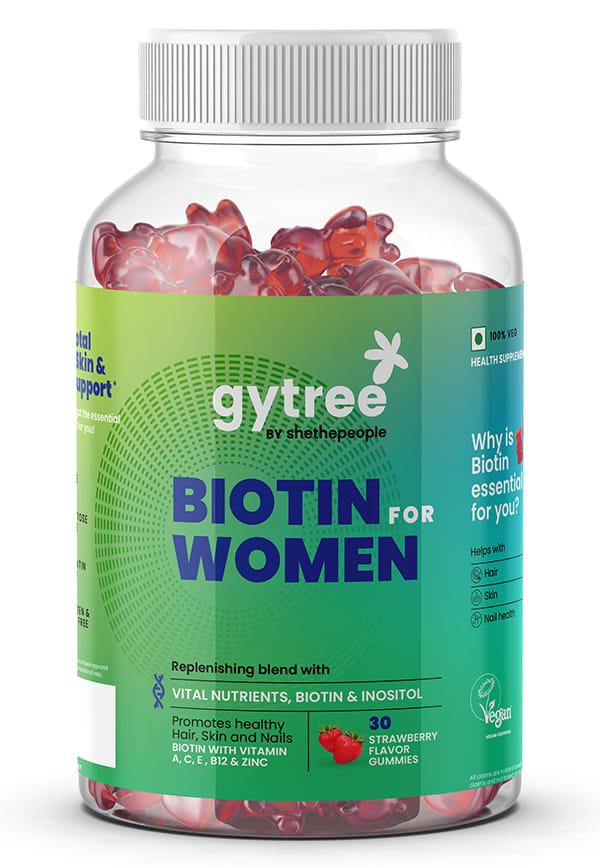
The Total Hair, Skin & Nail Support Biotin Gummies
If you're dealing with significant hair loss, it's worth consulting a dermatologist or trichologist. They can help determine whether your hair issues are primarily nutritional, hormonal, genetic, or related to other factors. Sometimes combining vitamins with other treatments like topical minoxidil or prescription medications provides better results than vitamins alone.
The key is monitoring your progress objectively. Take photos from the same angles in similar lighting every few months, and keep track of how much hair you're losing in the shower or when brushing. This helps you assess whether your current approach is working or if you need to adjust your strategy.
Before reaching for supplements, it's worth optimising your diet for healthy hair men can achieve through food alone. Your hair is essentially a reflection of your overall nutritional status, so a well-balanced diet often provides better results than isolated supplements.
Protein is particularly crucial since hair is made primarily of keratin, a protein. Aim for high-quality protein sources like fish, lean meats, eggs, and legumes. Most men need about 0.8-1g of protein per kilogram of body weight daily, though this can vary based on activity level and overall health.
Anti-inflammatory foods deserve special attention too. Chronic inflammation can disrupt hair growth cycles, so incorporating foods rich in omega-3 fatty acids (like salmon and walnuts), antioxidants (berries, leafy greens), and polyphenols (green tea, dark chocolate) can support scalp health.
Hydration plays a bigger role than most people realise. Dehydrated hair follicles can't function optimally, and even mild dehydration can affect hair texture and growth. Aim for at least 8-10 glasses of water daily, more if you're active or live in a hot climate.
That said, even the best diet might not provide optimal levels of certain nutrients, especially if you have increased needs due to stress, illness, or genetic factors. This is where targeted supplementation can fill the gaps, but food should always be your foundation.
There isn't one single "best" vitamin since hair health depends on multiple nutrients working together. However, vitamin D and biotin tend to show the strongest evidence for supporting hair growth, especially in men with deficiencies. A comprehensive B-complex vitamin often provides better results than isolated nutrients since B vitamins work synergistically.
Vitamin D often tops the list because many men are deficient without knowing it, and hair follicles have vitamin D receptors. Biotin comes second for its role in keratin production, followed by iron for men who might have absorption issues or follow plant-based diets. The "best" vitamin really depends on your individual nutritional status.
Hair growth vitamins work if you have nutritional deficiencies that are contributing to hair problems. Meta-analyses show that correcting deficiencies in biotin, vitamin D, iron, and zinc can improve hair density and reduce hair loss. However, if your hair loss is primarily genetic or hormonal, vitamins alone might not provide dramatic results.
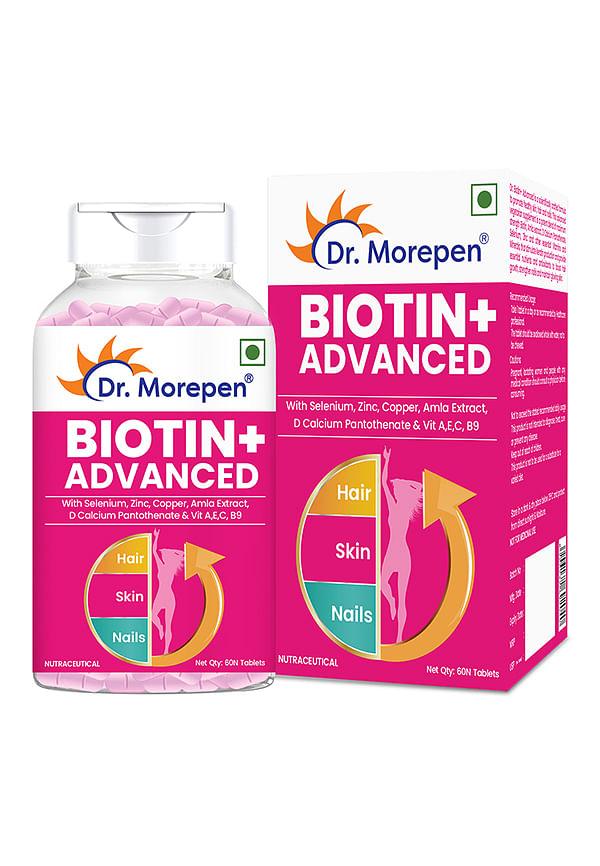
Biotin+ Advanced Tablets for Hair Growth, Glowing Skin & Healthy Nails with Multivitamins & Natural Extracts - 60 Tablets
Most people see initial improvements in hair strength and texture within 6-8 weeks, but visible changes in hair density typically take 3-6 months. This timeline reflects the hair growth cycle—new, healthier hair needs time to grow long enough to be noticeable. Consistency is crucial during this period.
Yes, definitely. Fat-soluble vitamins (A, D, E, K) can accumulate in your body and cause toxicity if taken in excessive amounts. Even water-soluble vitamins like biotin can interfere with lab tests at very high doses. Stick to recommended dosages and consider getting blood tests to check your nutrient levels before supplementing.
Hair growth complexes are often more convenient and cost-effective, plus they're formulated with complementary nutrients that enhance absorption. However, if you have specific deficiencies identified through testing, targeted individual supplements might be more appropriate. Quality matters more than whether you choose individual vitamins or complexes.
Not all hair regrowth products for men are created equal, and the supplement industry isn't as tightly regulated as pharmaceuticals. Here's what to look for when choosing vitamins to support your hair health goals.
Third-party testing is non-negotiable. Look for supplements that have been tested by independent labs for purity and potency. Certifications from organisations like NSF International or USP indicate that the product contains what the label claims without harmful contaminants.
Ingredient transparency matters too. Avoid products with proprietary blends that don't list individual ingredient amounts. You need to know exactly how much of each vitamin you're getting to avoid deficiencies or toxicity. Quality brands will clearly list all active and inactive ingredients.
Bioavailability is another crucial factor. Some forms of vitamins are better absorbed than others. For instance, methylcobalamin is generally better absorbed than cyanocobalamin for vitamin B12, and chelated minerals tend to be more bioavailable than oxide forms.
Be wary of supplements making unrealistic promises. Phrases like "regrow a full head of hair in 30 days" are red flags. Legitimate supplements will have realistic timelines and won't claim to cure male pattern baldness, which is primarily genetic.
Cost-effectiveness varies widely. Expensive doesn't always mean better, but extremely cheap supplements often cut corners on quality. Compare the cost per serving and the amounts of active ingredients to find the best value.
Understanding hair growth vitamins for men for wellness comes down to realistic expectations and a science-based approach. Vitamins can definitely support hair health, especially if you have underlying deficiencies, but they're not magic bullets for genetic hair loss. The most effective strategy combines proper nutrition, targeted supplementation when needed, stress management, and professional guidance for significant hair concerns.
Remember that consistency is key—hair growth is a slow process, and you need to give any intervention at least 3-6 months to see meaningful results. Focus on overall health rather than just hair, since the factors that support healthy hair (good nutrition, adequate sleep, stress management) benefit your entire body.
If you're curious about trying hair growth supplements but want to test the waters first, Smytten offers trial-size versions of many hair care and wellness products. It's a smart way to explore different options before committing to full-size bottles, especially when you're building a hair health routine that works for your specific needs.
