Understanding Hair Follicle: Your Questions Answered

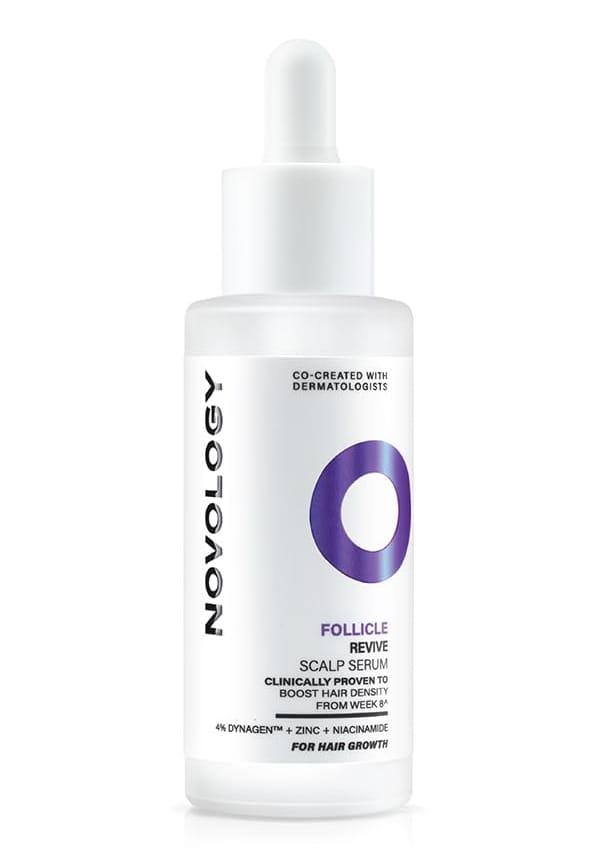
Follicle Revive Scalp Serum
Ever wondered why some people seem to have naturally thick, healthy hair while others struggle with thinning or hair fall? The answer often lies in understanding hair follicle health. These tiny structures beneath your scalp are basically the factories where your hair is made, and when they're not functioning properly, it shows. Whether you're dealing with sudden hair loss, noticing your hair feels thinner than usual, or just curious about what's actually happening under your scalp, getting to grips with hair follicle basics can be a real game-changer for your haircare routine.
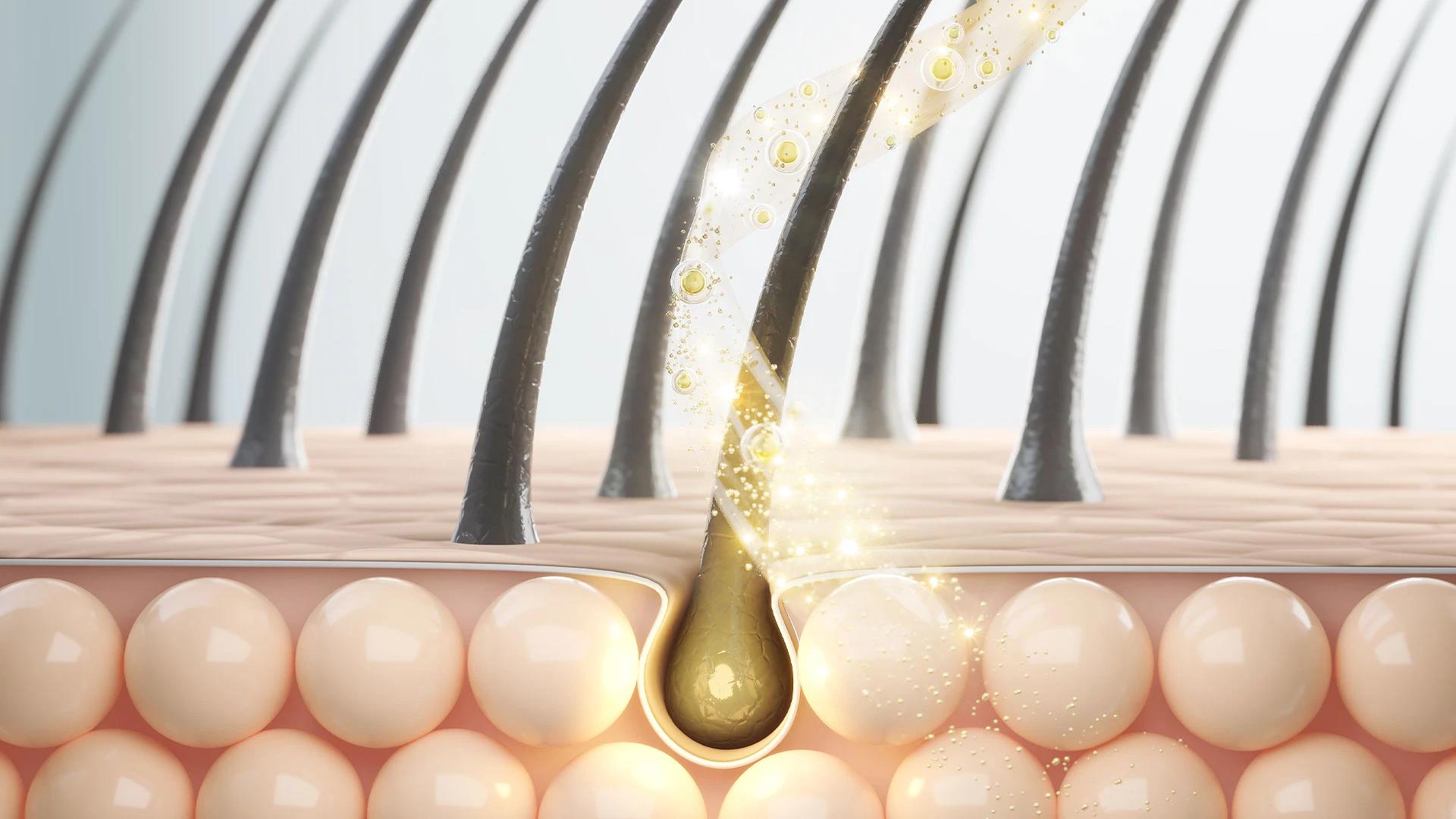
Think of a hair follicle as a tiny pocket in your skin that houses the root of each hair strand. Understanding hair follicle structure starts with knowing that these aren't just simple holes—they're complex, living systems with multiple layers and components working together. Each follicle is essentially a mini organ with its own blood supply, nerve endings, and even muscle fibres.
The hair follicle anatomy includes several key parts that work in harmony. The outer root sheath acts like a protective casing, while the inner root sheath guides the growing hair upward. At the very bottom sits the hair bulb, which contains the dermal papilla—think of this as the control centre where all the hair growth magic happens. Connected to each follicle, you'll also find sebaceous glands that produce natural oils to keep your hair moisturised, and tiny arrector pili muscles that make your hair stand up when you're cold or scared.
What's fascinating is that you're born with all the hair follicles you'll ever have—roughly 5 million across your entire body, with about 100,000 to 150,000 on your scalp alone. These follicles vary in size and depth depending on where they are and what type of hair they produce. Scalp follicles are typically deeper and more robust than those producing fine body hair.
Your hair follicle function follows a predictable pattern called the hair growth cycle, which happens in three distinct phases. Understanding this cycle is crucial because it explains why you naturally lose 50-100 hairs daily without going bald.
The anagen phase is where the action happens. This growth phase can last anywhere from 2-7 years, during which your follicle is actively producing hair. The cells in the hair bulb divide rapidly, pushing the hair shaft upward and outward. About 85-90% of your hair is in this phase at any given time, which is why most of your hair appears to be growing.
Next comes the catagen phase, a brief 2-3 week transition period where growth slows down and eventually stops. The follicle begins to shrink, and the hair becomes detached from its blood supply. Only about 1-3% of your hair is in this phase at once.
Finally, the telogen phase is the resting period lasting about 3 months. The old hair remains in place while the follicle takes a break before starting the cycle again. When a new hair begins growing in the anagen phase, it pushes out the old telogen hair—this is the hair you see in your brush or shower drain.
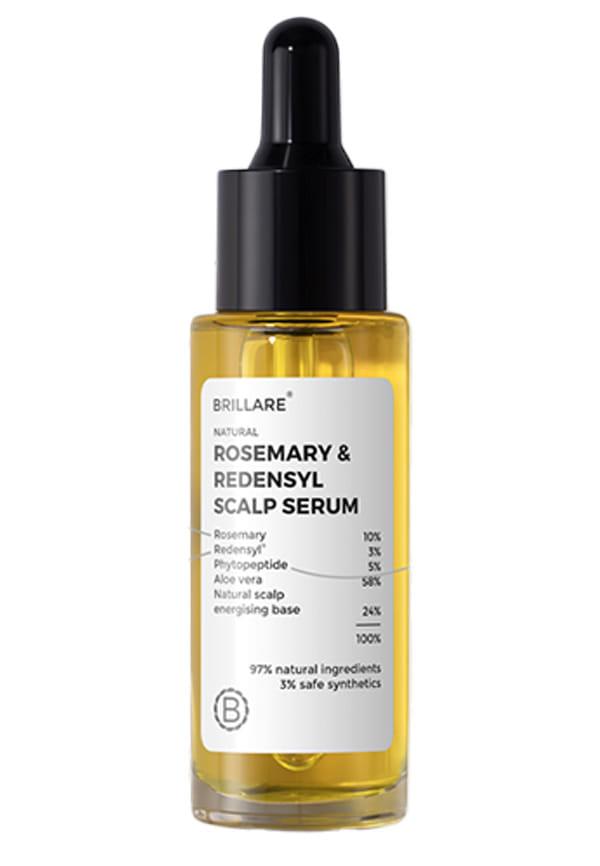
Rosemary & Redensyl Scalp Serum
The science behind hair follicle function is pretty remarkable when you break it down. Each follicle operates like a sophisticated factory, complete with its own supply chain and quality control systems. Blood vessels surrounding the follicle deliver essential nutrients, oxygen, and hormones directly to the hair-producing cells. Without proper blood flow, follicles can't function optimally, which is why scalp massage and good circulation are often recommended for hair health.
Protein synthesis is at the heart of hair production. The cells in your hair bulb are constantly manufacturing keratin—the same protein found in your nails. This process requires a steady supply of amino acids, vitamins, and minerals. When your body is deficient in these building blocks, hair follicle function suffers, often resulting in weaker, thinner hair or slower growth.
Hormones play a massive role in regulating follicle activity. Androgens like testosterone and its derivative DHT can either stimulate or inhibit hair growth depending on the follicle's location and sensitivity. This is why some people develop male pattern baldness while simultaneously growing more body hair. Healthy hair follicles maintain a delicate balance with these hormonal influences.
The stem cells residing in each follicle are what make hair follicle regeneration possible. These cells can differentiate into various types needed for hair production and are responsible for the cyclical nature of hair growth. When these stem cells are damaged or depleted, the follicle's ability to produce healthy hair diminishes significantly.
Hair follicle damage can manifest in several ways, and recognising the signs early can make a real difference in treatment outcomes. Hair follicle miniaturization is one of the most common issues, particularly in androgenetic alopecia. This process involves follicles gradually shrinking over successive hair cycles, producing progressively thinner and shorter hairs until they eventually stop producing visible hair altogether.
Folliculitis is another concern where hair follicles become inflamed or infected. You might notice small red bumps, pustules, or itchy patches around hair follicles. This can be caused by bacteria, fungi, or even ingrown hairs. While often treatable, chronic folliculitis can lead to scarring and permanent follicle damage if left untreated.
Physical trauma from tight hairstyles, excessive heat styling, or harsh chemical treatments can also compromise follicle health. Traction alopecia, for instance, occurs when constant pulling damages the follicle structure. The good news is that if caught early, this type of hair follicle damage is often reversible with proper care and lifestyle changes.
Maintaining healthy hair follicles isn't just about what you put on your hair—it's about supporting the entire system from within. Proper nutrition forms the foundation of good follicle health. Your follicles need adequate protein, iron, zinc, biotin, and vitamins A, C, D, and E to function optimally. A balanced diet rich in these nutrients provides the raw materials your follicles need for healthy hair production.
Scalp care deserves special attention when it comes to hair follicle treatment. A clean, well-moisturised scalp creates the ideal environment for follicles to thrive. Regular but gentle cleansing removes buildup that can clog follicles, while avoiding over-washing prevents stripping natural oils that protect the scalp and hair.

Onion & Rosemary Anti Hairfall Scalp Serum
Certain topical treatments have shown promise in supporting hair follicle regeneration. Ingredients like minoxidil, caffeine, and various plant extracts can help improve blood circulation to the scalp and potentially stimulate dormant follicles. Natural oils such as rosemary, peppermint, and castor oil are also popular choices, though scientific evidence varies for their effectiveness.
Stress management plays a crucial role in follicle health that's often overlooked. Chronic stress elevates cortisol levels, which can disrupt the hair growth cycle and push more follicles into the telogen phase prematurely. This is why you might notice increased hair shedding during particularly stressful periods. Regular exercise, adequate sleep, and stress-reduction techniques can all contribute to healthier hair follicles.
When home care isn't enough, several professional hair follicle treatment options are available. Low-level laser therapy has gained popularity for its ability to stimulate cellular activity in follicles without causing damage. The treatment is thought to increase blood flow and encourage follicles to enter the active growth phase.
Microneedling or dermarolling creates tiny punctures in the scalp, which may trigger the body's healing response and potentially stimulate hair follicle regeneration. When combined with topical treatments, this method can enhance absorption and effectiveness.
For more severe cases of hair follicle damage, medical interventions might be necessary. Prescription medications, hormone therapy, or even hair transplant procedures can help restore hair growth when follicles are severely compromised or destroyed.
The potential for hair follicle regeneration depends largely on the extent and type of damage. Follicles that are dormant or miniaturised often respond well to treatment, especially if the damage is caught early. However, follicles that have been completely destroyed by scarring or severe trauma typically cannot regenerate. The key is early intervention—the sooner you address follicle issues, the better your chances of successful treatment.
Healthy hair follicles typically produce hair that feels strong, has good elasticity, and maintains consistent thickness from root to tip. Your scalp should feel comfortable without excessive itching, flaking, or inflammation. If you're noticing gradual thinning, increased hair shedding, or changes in hair texture, it might indicate that your follicles aren't functioning optimally. A dermatologist or trichologist can perform a detailed scalp analysis to assess follicle health.
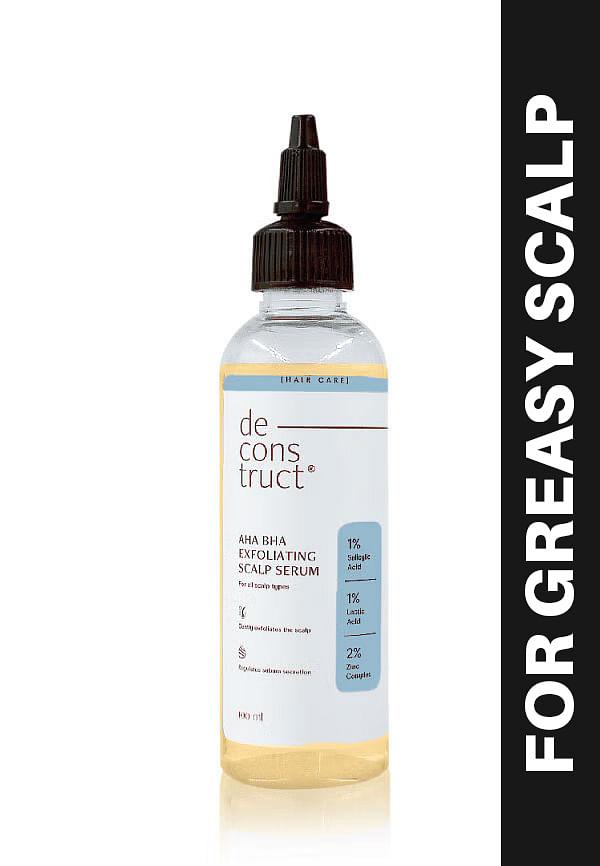
AHA BHA Exfoliating Scalp Serum - 1% Salicylic Acid + 1% Lactic Acid + 2% Zinc Complex
When a hair is forcibly removed, you're usually just pulling out the hair shaft and possibly damaging the follicle structure temporarily. True follicle removal is quite difficult and typically requires significant trauma. If the follicle structure remains intact, it will usually recover and produce new hair within a few months. However, repeated trauma to the same follicle can eventually cause permanent damage.
Hair follicle miniaturization can sometimes be slowed or partially reversed, particularly in the early stages. Treatments like minoxidil, finasteride, and various natural remedies have shown success in helping miniaturised follicles return to producing thicker hair. However, the process requires patience and consistent treatment, and results vary significantly between individuals.
Because hair growth follows natural cycles, improvements in follicle health typically take 3-6 months to become visible. This timeline reflects the fact that any new, healthier hair needs time to grow long enough to be noticeable. Some people may see initial improvements in hair texture or reduced shedding within 6-8 weeks of starting treatment.
While chronic stress can significantly impact hair follicle function and trigger conditions like telogen effluvium, it rarely causes permanent follicle damage on its own. Most stress-related hair loss is temporary, and follicles typically recover once stress levels normalise and proper care is implemented. However, prolonged stress combined with other factors like poor nutrition or harsh hair treatments can contribute to more lasting damage.
Understanding hair follicle health is really about recognising that your hair is only as good as the foundation it grows from. These complex structures require proper nutrition, gentle care, and sometimes professional intervention to function at their best. The encouraging news is that many follicle issues are treatable, especially when caught early.
Whether you're dealing with thinning hair, excessive shedding, or just want to maintain what you have, focusing on overall follicle health through good nutrition, stress management, and appropriate haircare can make a real difference. Remember that hair growth is a slow process, so patience is key when implementing any new routine or treatment.
For those looking to explore different haircare products that support follicle health, Smytten offers an extensive range of scalp treatments, nourishing shampoos, and follicle-stimulating serums from trusted brands. Not sure which approach might work best for your specific concerns? Trial-size versions of many follicle-supporting products are available through Smytten—a practical way to test different formulations before investing in full-size bottles.
