Understanding Hair Fall Causes FAQ: Your Questions Answered

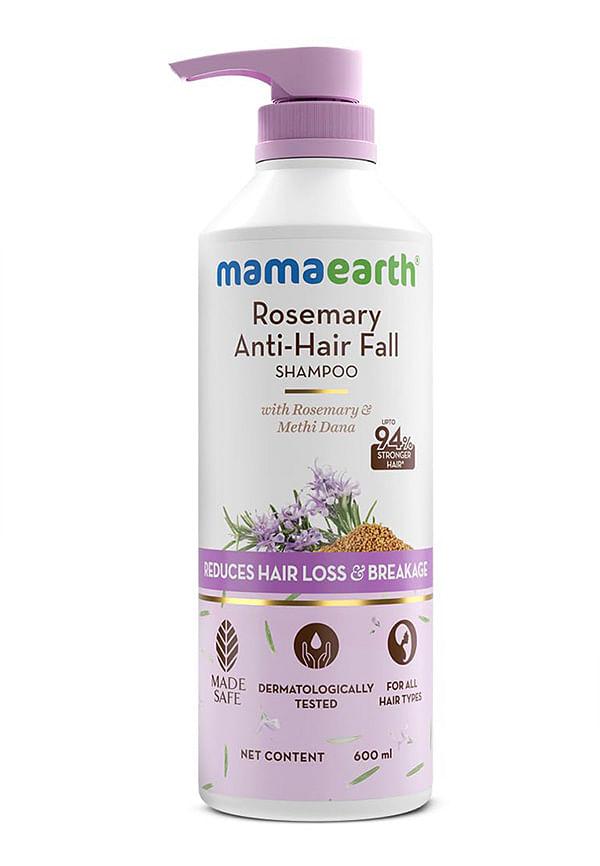
Rosemary Anti-Hair Fall Shampoo with Rosemary & Methi Dana for Reducing Hair Loss & Breakage
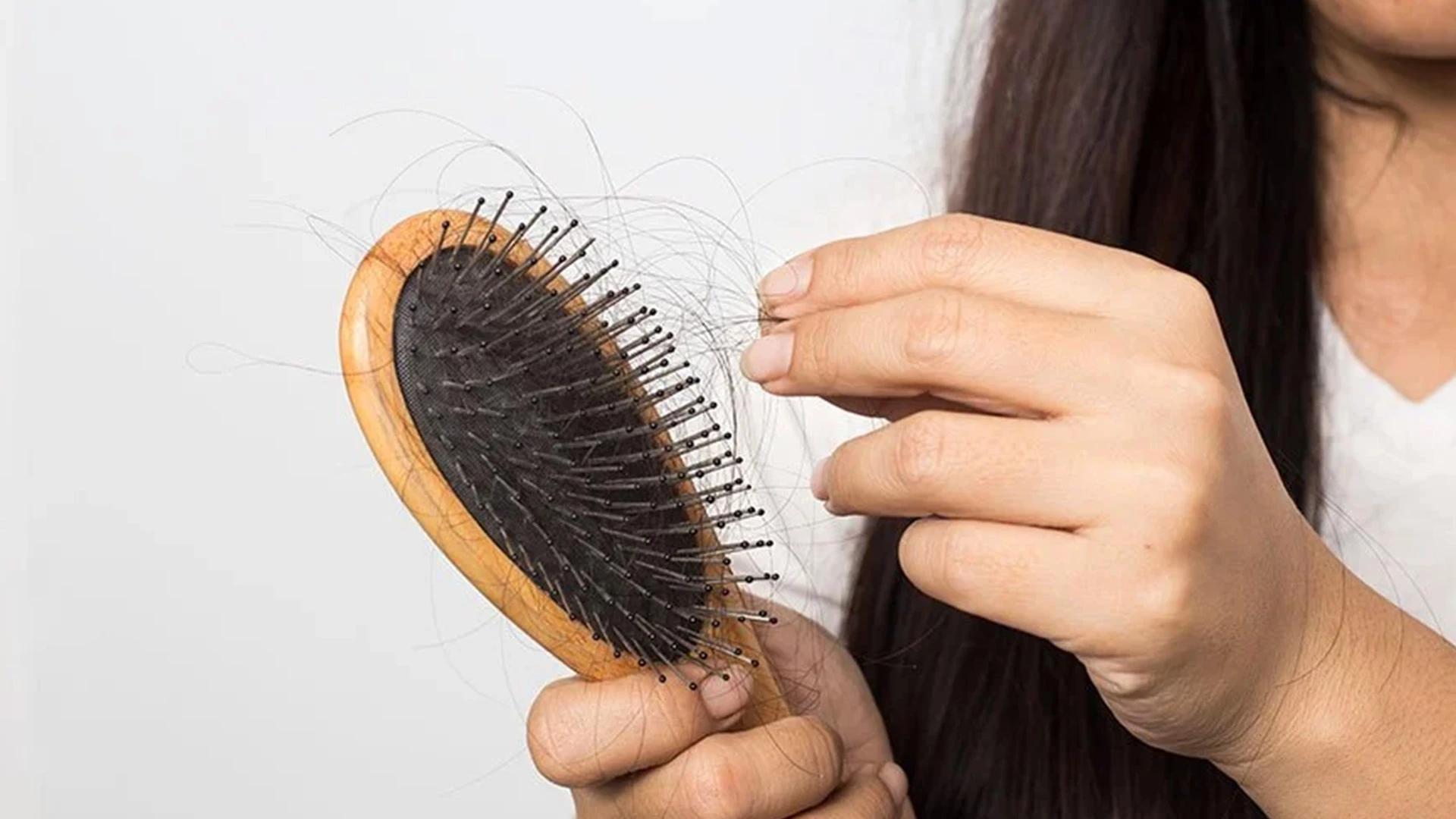
You're brushing your hair and notice more strands than usual on your brush. Or maybe you've spotted thinning areas that weren't there before. Hair fall can be confusing and worrying, especially when you're not sure what's causing it. The good news? Understanding hair fall causes is the first step towards finding the right solution. Let's dive into the most common questions about why hair falls out and what you can do about it.
When it comes to understanding hair fall causes, three main culprits are responsible for most cases of hair loss. These aren't just random factors—they're backed by science and affect millions of people worldwide.
This is the most common reason for hair loss, affecting about 95% of men and 40% of women. It's all about genetics and hormones working together. Your hair follicles are sensitive to DHT (dihydrotestosterone), a hormone that shrinks follicles over time. In men, this typically shows up as a receding hairline or crown thinning. Women usually notice diffuse thinning across the top of their head.
This type happens when your hair growth cycle gets disrupted by stress—physical or emotional. Think major surgery, extreme dieting, childbirth, or intense emotional trauma. Your hair follicles go into "shock mode" and more hairs than normal enter the shedding phase. The good news is that this type of hair loss is usually temporary.
Here, your immune system mistakenly attacks your hair follicles, causing patchy hair loss. It can happen suddenly and affects people of all ages. The patches are usually round or oval and can appear anywhere on your scalp or body.
Hormones play a massive role in hair health, and when they fluctuate, your hair often feels the impact. Different life stages and conditions can trigger these hormonal shifts, leading to various types of hair loss.
Women experience unique hormonal changes that can significantly impact hair health. During pregnancy, high estrogen levels keep hair in the growth phase longer, making it appear thicker. However, after childbirth, estrogen drops rapidly, causing what feels like excessive hair fall—this is completely normal postpartum shedding. Menopause brings another hormonal shift as estrogen levels decline permanently, often leading to thinning hair. PCOS (Polycystic Ovary Syndrome) increases androgen levels, which can cause male-pattern hair loss in women.
Your thyroid gland is closely linked to hair loss because it regulates metabolism, including hair growth. Both overactive (hyperthyroidism) and underactive (hypothyroidism) thyroid conditions can cause hair thinning. With hyperthyroidism, hair becomes fine and breaks easily. Hypothyroidism often leads to dry, brittle hair that falls out more easily.
Men primarily deal with testosterone converting to DHT, which is the main driver of male pattern baldness. As men age, their sensitivity to DHT often increases, leading to progressive hair loss. This process can start as early as the late teens or early twenties.
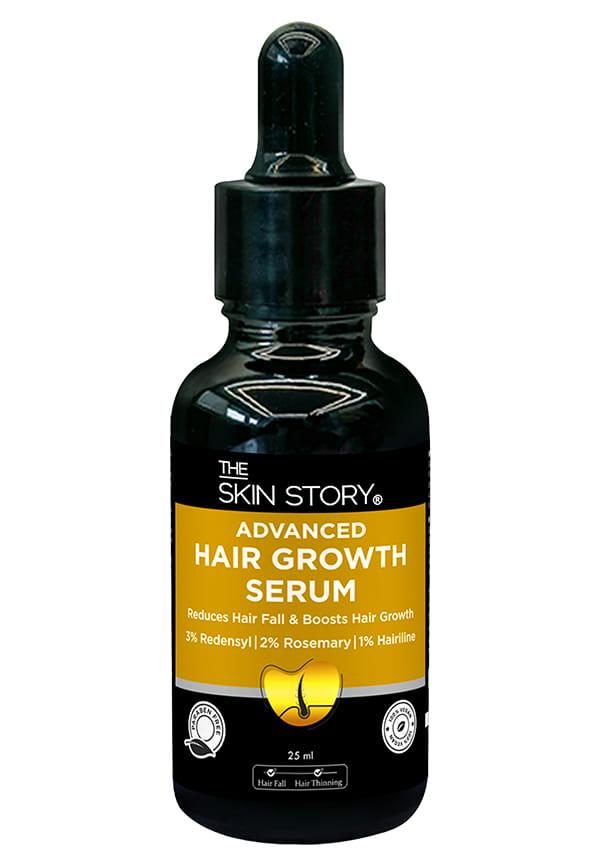
Hair Growth Serum With Redensyl For Hair Fall & Hair Thinning | Voluminous Hair & Reduced Hair Fall
Your hair needs proper nutrition to grow strong and healthy. When your body lacks certain vitamins and minerals, hair fall is often one of the first signs. Understanding which nutrients are crucial can help you address deficiency-related hair loss.
Iron deficiency is the most common nutritional cause of hair loss, especially in women. Your hair follicles need iron to produce healthy hair strands. Vitamin D deficiency has also been linked to alopecia areata and other types of hair loss. B vitamins, particularly B12 and biotin, are essential for hair growth—deficiencies can lead to thinning and brittle hair. Protein deficiency affects hair structure since hair is primarily made of protein.
Zinc plays a crucial role in hair tissue growth and repair. Low zinc levels can cause hair shedding and slow regrowth. Selenium deficiency, though less common, can also contribute to hair loss. Magnesium helps with protein synthesis, which is vital for hair growth.
Sometimes the reasons for hair loss aren't internal—they're caused by external factors and lifestyle choices. These hair shedding causes are often easier to identify and address than genetic or hormonal factors.
Heat styling tools, chemical treatments like perms or relaxers, and harsh hair products can damage hair follicles over time. Tight hairstyles such as ponytails, braids, or buns can cause traction alopecia—hair loss from constant pulling. Over-washing strips natural oils, making hair brittle and prone to breakage.
Certain medications, including blood thinners, antidepressants, and chemotherapy drugs, can cause hair loss as a side effect. Scalp conditions causing hair fall include seborrheic dermatitis, psoriasis, and fungal infections. Rapid weight loss, whether intentional or due to illness, can shock your system and trigger telogen effluvium.
Both physical stress (surgery, illness, extreme dieting) and emotional stress (divorce, job loss, trauma) can disrupt your hair growth cycle. When you're stressed, your body produces more cortisol, which can push hair follicles into the resting phase prematurely.
Not all hair loss is the same, and understanding the different types can help you identify what you're dealing with. This knowledge is crucial for choosing the right treatment approach.
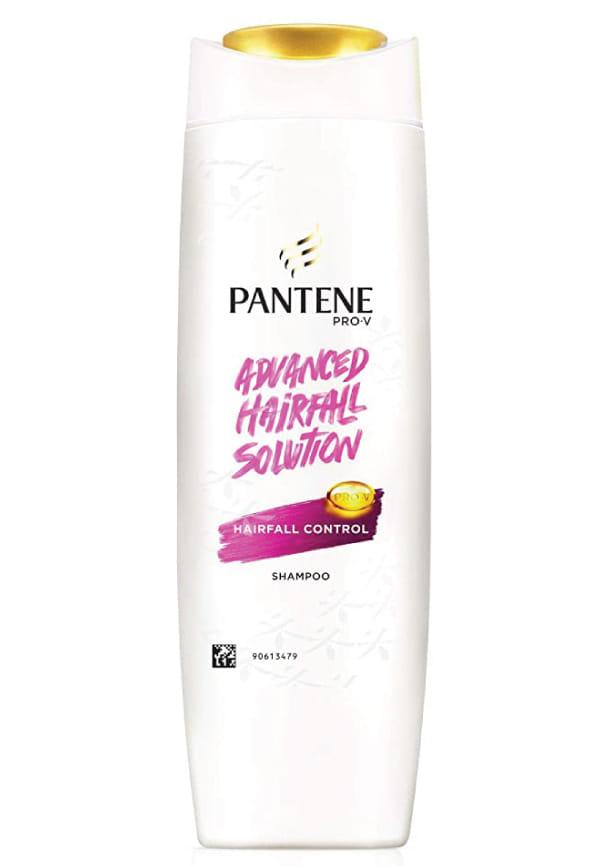
Advanced Hair Fall Solution Hair Fall Control Shampoo
Non-scarring alopecia means the hair follicles are still intact and hair can potentially regrow. This includes androgenetic alopecia, alopecia areata, and telogen effluvium. Scarring alopecia destroys hair follicles permanently, making regrowth impossible. This type requires immediate medical attention.
Diffuse hair loss means thinning happens evenly across your scalp, often seen in female pattern baldness or telogen effluvium. Patchy hair loss creates distinct bald spots, typical of alopecia areata or traction alopecia. The pattern can help determine the underlying cause.
One of the most common questions about hair fall is whether losing 100 hairs daily is normal. The answer depends on several factors, including your hair density, length, and current life circumstances.
Losing 50-100 hairs per day is completely normal and part of your hair's natural growth cycle. People with longer or thicker hair might notice more shedding simply because the fallen hairs are more visible. Seasonal changes can also affect shedding—many people notice increased hair fall in autumn.
You should be concerned if you're losing significantly more than 100 hairs daily, noticing bald patches, or seeing your scalp more clearly than before. Sudden changes in hair texture, excessive hair on your pillow or in the shower drain, and hair that doesn't seem to be regrowing are all red flags.
The main cause of hair fall is androgenetic alopecia, also known as male or female pattern baldness. This genetic condition affects the majority of people experiencing hair loss and is triggered by sensitivity to DHT (dihydrotestosterone). However, other common causes include hormonal changes, nutritional deficiencies, stress, and certain medical conditions.
Iron deficiency is the most common nutritional cause of hair loss, particularly in women. Other important vitamins include Vitamin D, B12, and biotin. Protein deficiency can also lead to hair thinning since hair is primarily made of protein. A blood test can help identify specific deficiencies.
Yes, losing 50-100 hairs per day is completely normal and part of your hair's natural growth cycle. However, if you notice a sudden increase in hair fall, bald patches, or your hair isn't regrowing as usual, it might indicate an underlying issue that needs attention.
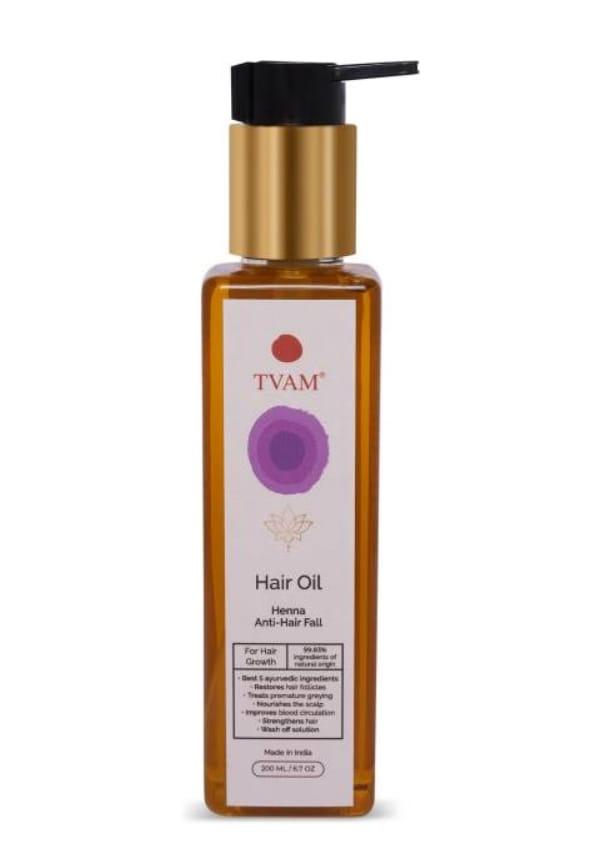
Hair Oil - Henna Anti-Hair Fall
Sudden hair loss is often caused by telogen effluvium, triggered by physical or emotional stress, illness, surgery, extreme dieting, or hormonal changes. Medications, thyroid disorders, and autoimmune conditions can also cause rapid hair loss. If you're experiencing sudden hair fall, it's worth consulting a healthcare professional.
The thyroid gland is most commonly linked to hair loss. Both overactive (hyperthyroidism) and underactive (hypothyroidism) thyroid conditions can cause hair thinning and loss. The thyroid regulates metabolism, including the hair growth cycle, so any dysfunction can directly impact hair health.
Start by observing the pattern of your hair loss—is it diffuse thinning or patchy? Consider recent life events, stress levels, dietary changes, and new medications. A dermatologist or trichologist can perform tests including blood work to check for deficiencies, hormonal imbalances, and scalp examination to determine the exact cause.
While both men and women can experience androgenetic alopecia, the patterns differ. Men typically see receding hairlines and crown thinning, while women experience diffuse thinning. Women are more likely to experience hair loss due to hormonal changes (pregnancy, menopause, PCOS) and iron deficiency, while men are more affected by DHT sensitivity.
Absolutely. Both physical stress (illness, surgery, extreme dieting) and emotional stress (trauma, major life changes) can disrupt your hair growth cycle. This condition, called telogen effluvium, pushes more hair follicles into the shedding phase. The good news is that stress-related hair loss is usually temporary and reversible.
Knowing when to consult a professional can make a significant difference in addressing hair fall effectively. Early intervention often leads to better outcomes, especially for treatable conditions.
A healthcare professional might recommend blood tests to check for iron deficiency, thyroid function, vitamin D levels, and hormonal imbalances. Scalp examination can reveal signs of inflammation, scarring, or miniaturisation of hair follicles. Trichoscopy, a specialised scalp examination using magnification, can provide detailed insights into hair and scalp health.
Treatment depends on the underlying cause. Nutritional deficiencies can often be addressed through supplements and dietary changes. Hormonal imbalances might require medical intervention. Stress-related hair loss often improves with stress management and time. For androgenetic alopecia, treatments like minoxidil, finasteride, or hair transplant procedures might be recommended.
Understanding hair fall causes is the first step towards finding the right solution for your specific situation. Whether it's genetics, hormones, nutrition, or lifestyle factors, identifying the root cause helps you make informed decisions about treatment. Remember that some hair loss is completely normal, but sudden changes or excessive shedding warrant professional attention. The key is to be patient with the process—hair growth takes time, and most treatments require several months to show results. If you're exploring new haircare products to support your hair health journey, Smytten offers trial-size versions of many hair treatments and supplements, letting you test what works for your hair before committing to full-size products.
