Understanding Hair Dandruff: Your Questions Answered

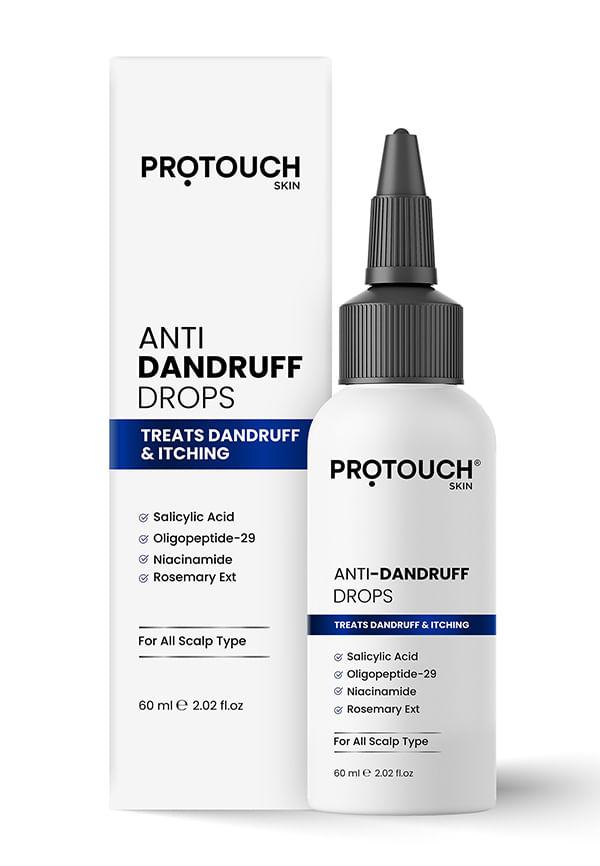
SKIN Anti Dandruff Drops Serum Soothes Itchy, Inflamed Scalp
You know that moment when you're getting ready for something important and suddenly notice those telltale white flakes on your shoulders? Or when your scalp starts itching in the middle of a meeting and you're trying not to scratch? Understanding hair dandruff can feel overwhelming when you're dealing with the embarrassment and discomfort it brings. The good news is that dandruff is incredibly common—affecting nearly half of all adults—and completely manageable once you know what you're dealing with. Let's dive into everything you need to know about dandruff, from what causes those pesky flakes to the most effective ways to get your scalp back to its happy, healthy state.
Real talk: not all flakes are created equal. What you might think is dandruff could actually be something else entirely, and knowing the difference is your first step towards finding the right solution for your scalp.
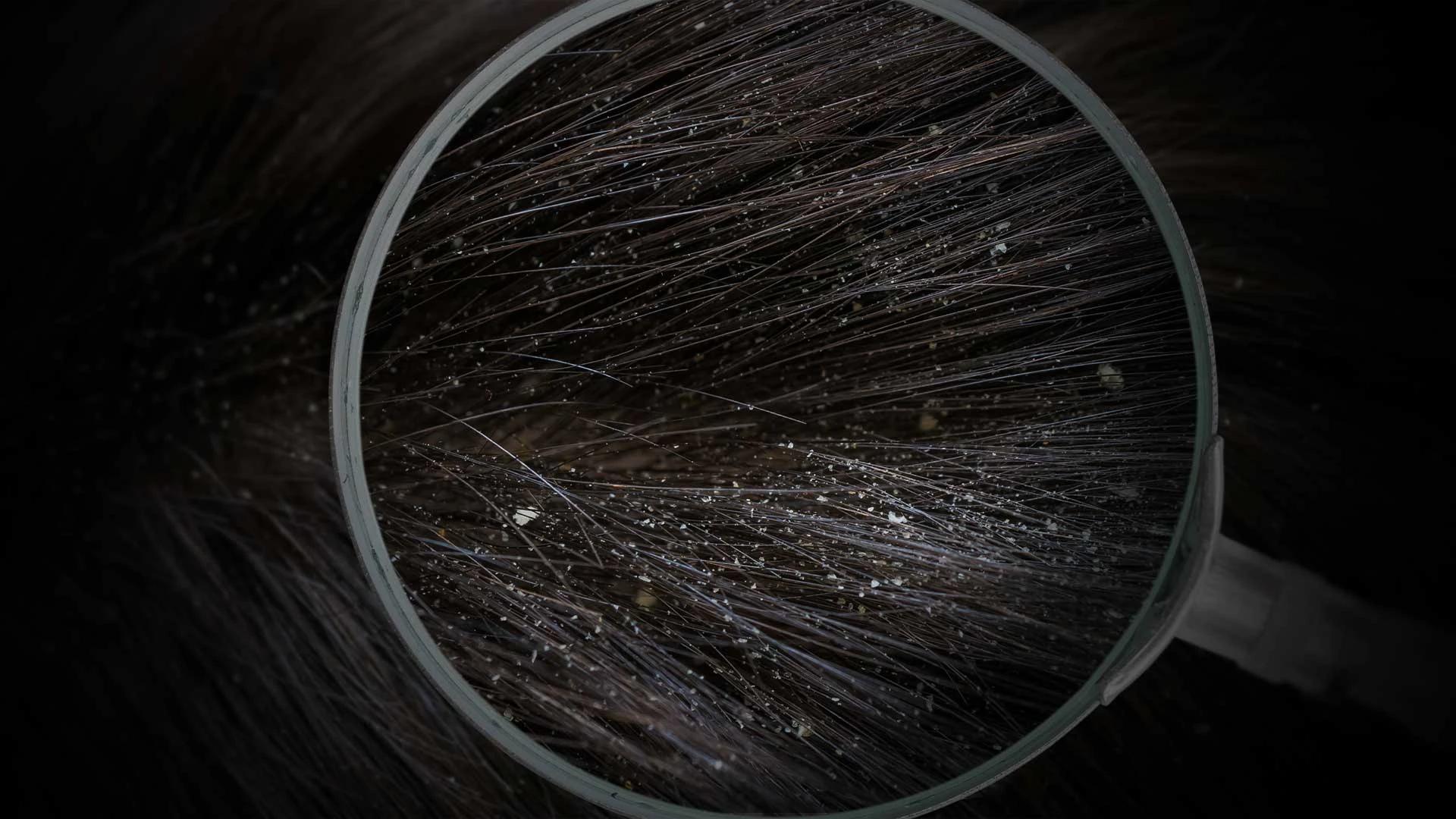
Here's where things get interesting—dandruff and dry scalp look similar but are actually quite different. Dandruff flakes tend to be larger, slightly oily, and often have a yellowish tint. They're caused by an overproduction of skin cells on your scalp, usually triggered by a yeast-like fungus called Malassezia. Dry scalp, on the other hand, produces smaller, white, powdery flakes that feel dry to the touch. Think of it like the difference between peeling sunburnt skin and actual dandruff—similar outcome, completely different causes.
Flakes are just the tip of the iceberg when it comes to dandruff symptoms. You might notice your scalp feeling itchy, tight, or irritated—that's your skin telling you something's not quite right. Some people also experience redness around the hairline, and in more severe cases, the flaking can spread to your eyebrows, beard area, or even behind your ears. If your flaky scalp is accompanied by persistent itching that disrupts your daily routine, it's definitely time to take action.
Getting to the bottom of your dandruff means playing detective with your scalp. The causes can range from fungal overgrowth to simple lifestyle factors, and identifying your specific trigger is key to finding the right dandruff treatment.
Meet Malassezia—the tiny fungus that lives on everyone's scalp but sometimes gets a bit too comfortable. This little troublemaker feeds on the natural oils your scalp produces, and when it multiplies too quickly, it can irritate your skin and speed up cell turnover. The result? Those annoying flakes that seem to appear out of nowhere. This type of fungal dandruff is actually the most common form, and it's often linked to seborrheic dermatitis, a condition that causes red, scaly patches on oily areas of your skin.
Sometimes the culprit isn't a fungus at all—it's your environment or routine. Cold, dry weather can strip moisture from your scalp, leaving it tight and flaky. Over-washing your hair can have the same effect, especially if you're using harsh shampoos that strip away natural oils. On the flip side, not washing enough can lead to oil and product buildup, creating the perfect environment for irritation. Even something as simple as a new shampoo or styling product can trigger contact dermatitis, causing your scalp to react with flaking and itching.
Sometimes dandruff is actually a symptom of a bigger picture. Conditions like psoriasis or eczema can affect your scalp just like they affect other parts of your body. Hormonal changes—think puberty, pregnancy, or stress—can also trigger dandruff flare-ups. If you're dealing with persistent scalp issues that don't respond to typical dandruff treatments, it might be worth chatting with a dermatologist to rule out any underlying conditions.
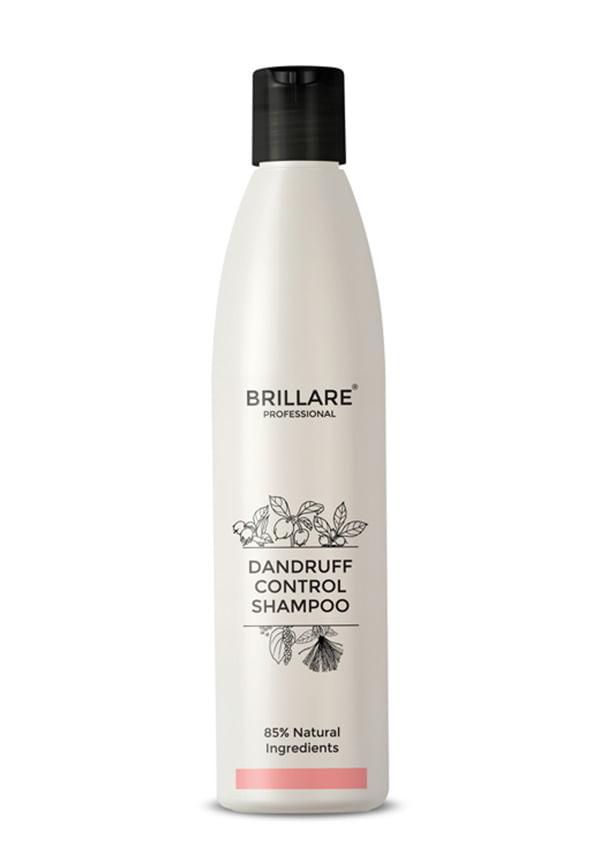
Dandruff Control Shampoo For Itchy, Flaky Scalp
When you want results fast, medicated dandruff shampoos are your best friend. These aren't your regular cleansing shampoos—they're formulated with active ingredients specifically designed to tackle the root causes of dandruff.
Let's break down the heavy hitters in the dandruff shampoo world. Zinc pyrithione is probably the most common active ingredient you'll find—it's antifungal and antibacterial, making it great for controlling Malassezia growth. Ketoconazole is another powerhouse that targets fungal infections directly. Selenium sulfide slows down skin cell turnover, reducing flake formation, while coal tar (though less common now) helps with both flaking and itching. The key with any dandruff shampoo is consistency—use it 2-3 times a week initially, then adjust based on how your scalp responds. Always massage it into your scalp and let it sit for a few minutes before rinsing for maximum effectiveness.
If over-the-counter options aren't cutting it, don't suffer in silence. A dermatologist can prescribe stronger treatments, including prescription-strength shampoos or topical medications. They can also help determine if your dandruff is actually seborrheic dermatitis or another condition that needs different treatment. Sometimes what looks like stubborn dandruff is actually something else entirely, and getting a proper diagnosis can save you months of trial and error.
If you prefer a gentler approach or want to complement your medicated treatments, natural remedies can be surprisingly effective for maintaining scalp health and preventing dandruff flare-ups.
Tea tree oil has natural antifungal properties that make it a popular choice for treating dandruff. However, it's potent stuff—always dilute it with a carrier oil like coconut or jojoba oil before applying to your scalp. A few drops mixed into your regular shampoo can also do the trick. Other essential oils like rosemary and peppermint can help soothe an itchy scalp, but remember that less is more with these concentrated oils.
Your kitchen might hold some surprisingly effective itchy scalp remedies. Apple cider vinegar, when diluted with water, can help restore your scalp's natural pH balance and reduce fungal growth. Coconut oil works as a natural moisturiser and has antimicrobial properties—just warm it slightly and massage it into your scalp before shampooing. Some people swear by baking soda as a gentle exfoliant, but use it sparingly as it can be drying if overused.
Sometimes the best dandruff prevention starts from within. A diet rich in zinc, B vitamins, and omega-3 fatty acids can support healthy skin and scalp function. Managing stress through exercise, meditation, or whatever works for you can also help, as stress is a known trigger for dandruff flare-ups. Getting enough sleep and staying hydrated are simple but effective ways to support overall scalp health.
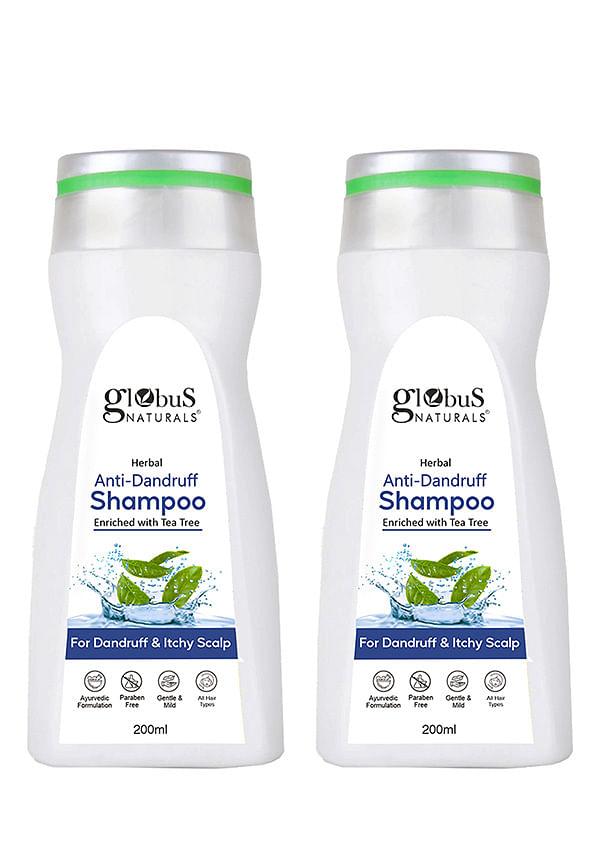
Anti Dandruff Shampoo, For Dandruff and Itchy Scalp
The best dandruff treatment is often prevention. Building a routine that keeps your scalp balanced and healthy can help prevent those frustrating flare-ups before they start.
Finding the right washing frequency is crucial for dandruff prevention. Most people with dandruff-prone scalps do well with washing every other day or every two days—enough to keep oil and buildup at bay without over-drying. When you do wash, focus the shampoo on your scalp rather than the length of your hair, and take time to massage it in gently. This helps remove dead skin cells and improves circulation to your scalp.
Your haircare for dandruff routine should be as gentle as possible while still being effective. Look for shampoos that are sulphate-free if you have sensitive skin, and avoid products with heavy fragrances or alcohol, which can be irritating. If you're using a medicated dandruff shampoo, consider rotating it with a gentle, moisturising shampoo to prevent over-drying. Always read ingredient labels and patch-test new products if you have sensitive skin.
While there's no magic cure that works overnight, you can definitely achieve long-term control over dandruff with the right approach and consistency.
The key to success is finding what works specifically for your scalp. Start by identifying your triggers—is it stress, certain products, weather changes, or hormonal fluctuations? Keep a simple diary noting when flare-ups occur and what might have caused them. Then, build a routine that addresses your specific needs. This might mean using a medicated shampoo twice a week, doing weekly oil treatments, or adjusting your washing frequency based on the season.
Once you've got your dandruff under control, the goal is keeping it that way. This often means continuing with a maintenance routine even when your scalp feels fine. Many people find they need to adjust their approach seasonally—using more moisturising products in winter and lighter formulas in summer. Don't be afraid to modify your routine as your needs change, and remember that what works for someone else might not work for you.
Medicated shampoos with active ingredients like ketoconazole or zinc pyrithione typically show results within 2-4 weeks of consistent use. For faster relief, use the shampoo 2-3 times per week initially, leaving it on your scalp for 3-5 minutes before rinsing. Combining this with gentle scalp massage can help speed up the process by removing existing flakes and improving product absorption.
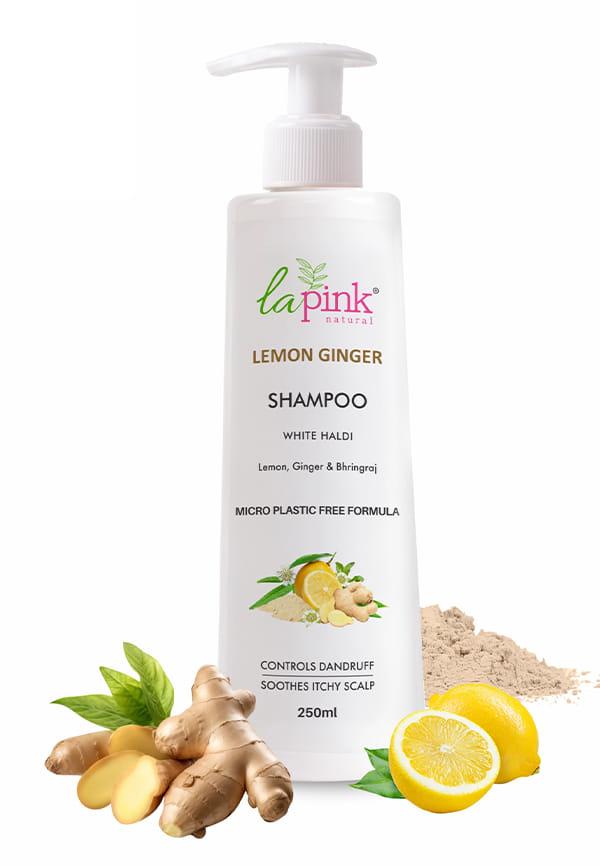
Lemon Ginger Shampoo with White Haldi to Control Dandruff & Soothe Itchy Scalp
Look at the type of flakes you're seeing—oily, yellowish flakes usually indicate fungal dandruff, while small, dry white flakes suggest dry scalp. Consider your recent routine changes, stress levels, and environmental factors. If standard treatments don't work after 6-8 weeks, or if you have severe itching and redness, it's worth seeing a dermatologist to rule out conditions like seborrheic dermatitis or psoriasis.
Complete dandruff elimination requires consistent, long-term management rather than a one-time fix. Start with identifying your specific triggers and causes, then develop a routine that includes appropriate cleansing frequency, medicated treatments when needed, and lifestyle factors like stress management and proper nutrition. Most people can achieve excellent control within 4-6 weeks of consistent treatment.
Prevention is key to stopping dandruff. Maintain a regular washing schedule that suits your scalp type, use gentle products, manage stress levels, and avoid over-styling or harsh chemical treatments. If you're prone to dandruff, incorporating a medicated shampoo into your routine 1-2 times per week can help prevent flare-ups before they start.
No, dandruff is not contagious. While the Malassezia fungus that often causes dandruff is naturally present on everyone's scalp, dandruff itself is caused by individual factors like genetics, skin sensitivity, and personal triggers. You can't catch dandruff from sharing brushes or pillows, though good hygiene practices are always recommended.
Dandruff itself doesn't directly cause permanent hair loss, but excessive scratching due to itching can damage hair follicles and lead to temporary hair breakage. Severe, untreated seborrheic dermatitis can sometimes contribute to hair thinning. If you're experiencing significant hair loss along with dandruff symptoms, it's worth consulting a dermatologist.
Most people see improvement within 2-4 weeks of consistent treatment with appropriate products. However, dandruff is typically a chronic condition that requires ongoing management rather than a one-time cure. With the right routine, you can keep symptoms well-controlled, but stopping treatment often leads to flare-ups returning.
Dandruff is actually a mild form of seborrheic dermatitis. While dandruff typically involves just flaking and mild itching on the scalp, seborrheic dermatitis can cause more severe symptoms including redness, inflammation, and patches that extend beyond the scalp to areas like the face, chest, and back. Seborrheic dermatitis often requires stronger medical treatment.
Understanding hair dandruff is the first step towards getting your scalp back to its happy, healthy state. Remember that dandruff is incredibly common and completely manageable with the right approach. Whether you opt for medicated shampoos, natural remedies, or a combination of both, consistency is your best friend. Don't get discouraged if the first treatment you try doesn't work perfectly—finding your ideal routine often takes a bit of experimentation. The key is being patient with the process and adjusting your approach based on how your scalp responds. With the right knowledge and tools, those flaky, itchy days can become a thing of the past. Not sure which dandruff treatment might work best for your specific scalp needs? Smytten offers trial-size versions of many haircare products from trusted brands—a smart way to test different formulas before committing to full-size bottles.
