Understanding Beard Growth Vitamins for Wellness: FAQ

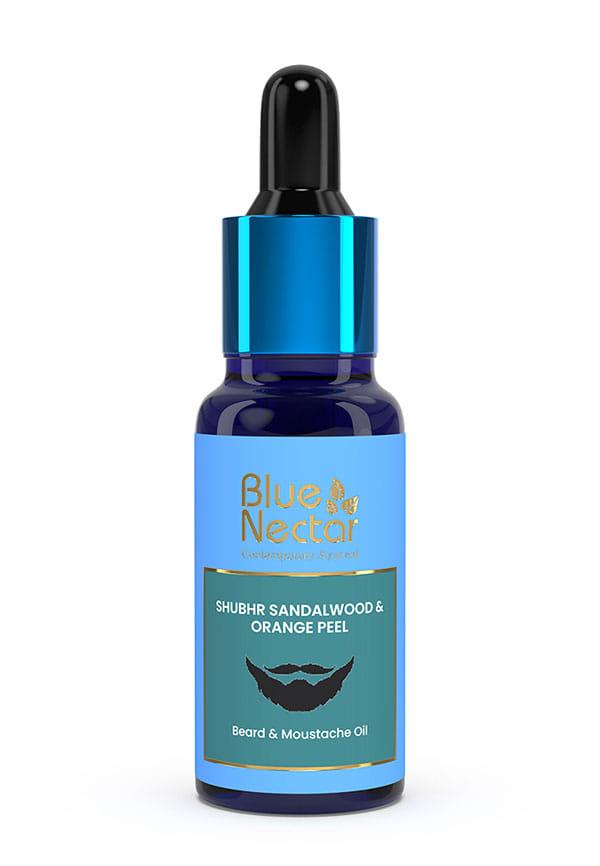
Ayurvedic Beard And Moustache Growth Oil 9 Herbs
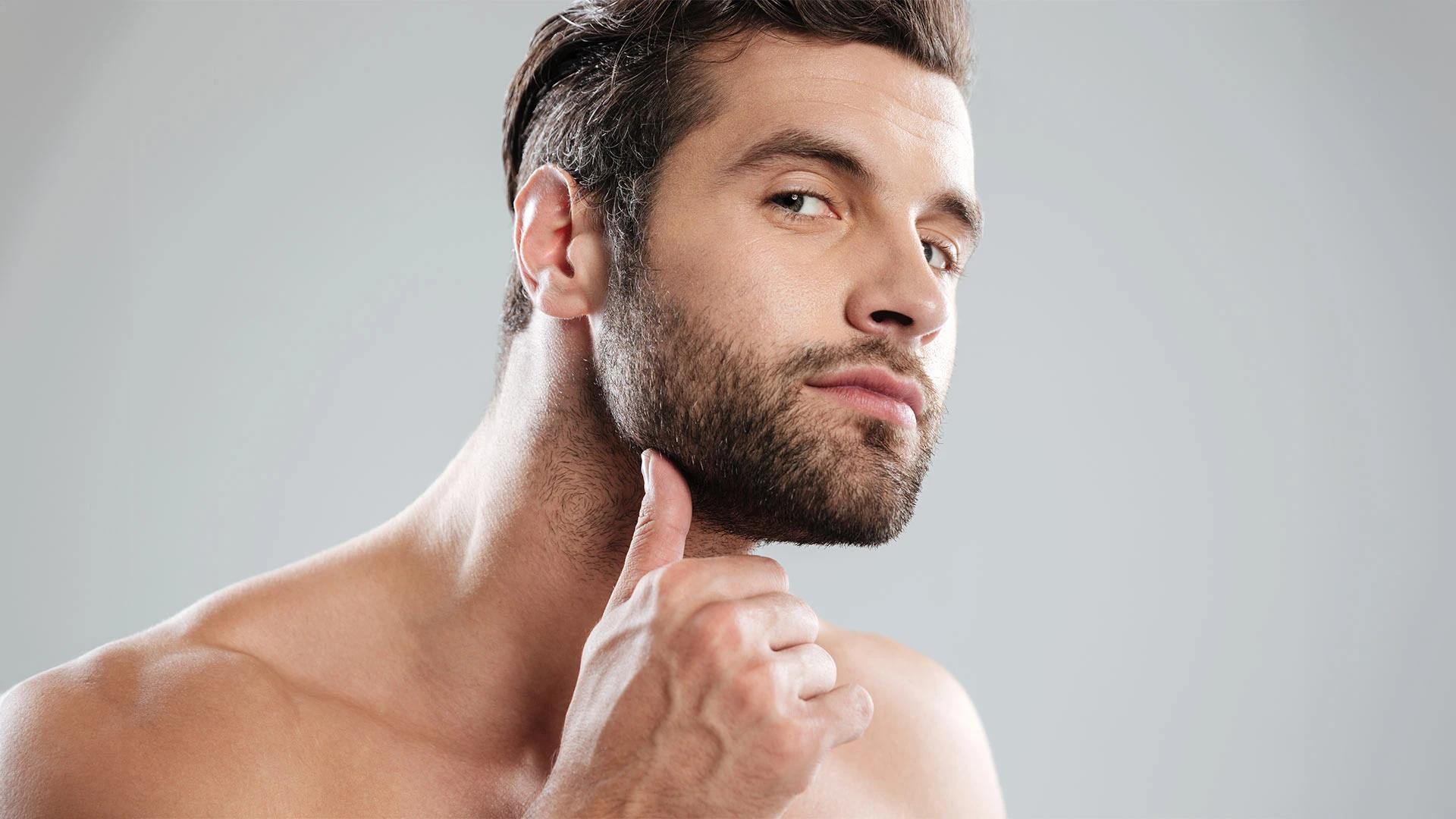
You've been staring at your reflection for the third time this week, wondering why your mate's beard looks like something from a grooming advert whilst yours resembles patchy grass. Sound familiar? You're not alone in this struggle. Loads of guys are turning to beard growth vitamins for wellness, hoping to unlock their facial hair potential. But here's the thing — understanding which nutrients actually work and how they fit into your overall health routine can feel like navigating a maze. Let's break down everything you need to know about beard growth supplements and how they might just become your secret weapon for better facial hair health.
Real talk — beard growth vitamins are essentially hair health supplements designed to support the nutritional foundation your facial hair needs to thrive. Think of them as the backstage crew making sure your beard has everything it needs to put on a proper show. These aren't magic pills that'll transform you into a lumberjack overnight, but rather targeted nutrients that address potential gaps in your diet that might be holding your beard back.
The connection between nutritional wellness and facial hair development runs deeper than you might expect. Your beard follicles are essentially tiny factories working around the clock, and like any factory, they need the right raw materials to produce quality output. When your body lacks essential vitamins for beard health, these follicles can't function at their best — leading to slower growth, weaker hair, or that frustrating patchiness that makes you want to reach for the razor.
What sets beard growth supplements apart from your standard multivitamin is the targeted approach. Whilst general health vitamins aim to cover broad nutritional bases, beard-specific formulations focus on nutrients that directly impact hair follicle function, keratin production, and the hormonal balance that influences facial hair growth. It's like the difference between a Swiss Army knife and a precision tool — both have their place, but one's designed specifically for the job at hand.
Understanding beard growth vitamins for wellness means recognising they're part of a bigger picture. Your facial hair health reflects your overall nutritional status, stress levels, sleep quality, and lifestyle choices. The best approach combines targeted supplementation with good nutrition, proper grooming habits, and realistic expectations about what's actually achievable.
Not all vitamins are created equal when it comes to supporting your beard goals. Some nutrients have earned their reputation through solid research, whilst others are more about marketing hype than actual results. Let's dive into the heavy hitters that actually make a difference to your facial hair game.
Biotin gets thrown around a lot in beard growth conversations, and for good reason. This B-vitamin plays a crucial role in keratin production — the protein that makes up about 95% of your hair structure. Think of biotin as the foreman supervising your hair's construction site, making sure everything gets built properly.
Research shows that biotin deficiency can definitely impact hair growth, though true deficiency is relatively rare in healthy adults. The recommended dosage typically ranges from 30-100 micrograms daily, though many beard supplements contain much higher amounts. You'll find biotin naturally in eggs, nuts, seeds, and sweet potatoes — so your breakfast choices might be more important than you realised.
Here's something that might surprise you — vitamin D receptors are found in hair follicles, and low levels have been linked to various forms of hair loss. Your beard follicles need adequate vitamin D to cycle properly through their growth phases. If you're spending most of your time indoors or live somewhere with limited sunlight, this could be affecting your facial hair potential more than you know.
Vitamin C isn't just for fighting off colds — it's essential for collagen synthesis, which provides structural support for your hair follicles. Plus, its antioxidant properties help protect against oxidative stress that can damage hair follicles over time. Think of it as your beard's bodyguard, keeping the bad stuff away whilst supporting the good.
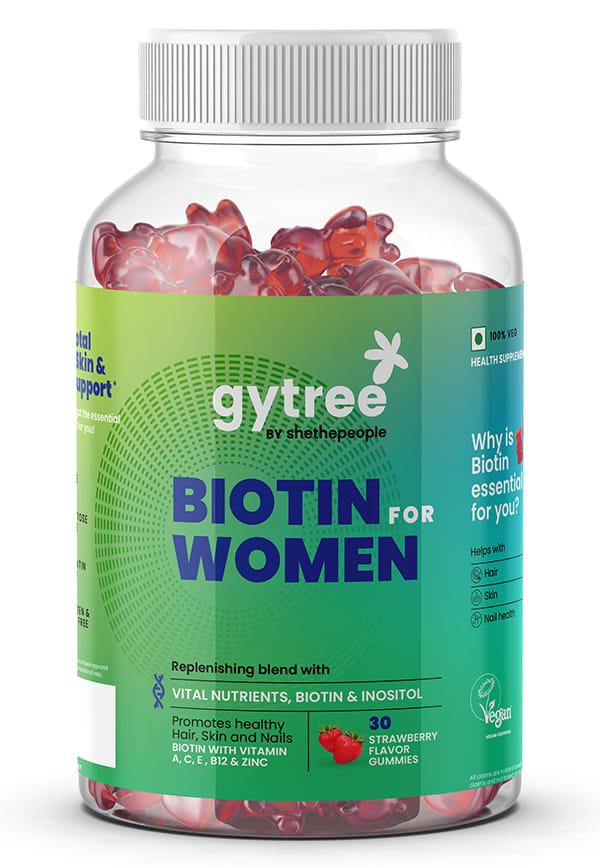
The Total Hair, Skin & Nail Support Biotin Gummies
The B-vitamin family works as a team to support hair growth through protein metabolism and energy production. B6 and B12 are particularly important for delivering nutrients to hair follicles and maintaining the energy levels your follicles need for consistent growth cycles. When you're deficient in B vitamins, your hair often shows it before other symptoms appear.
Let's address the elephant in the room — do these supplements actually deliver on their promises, or are you just funding someone's marketing budget? The honest answer is: it depends, and the science is more nuanced than most brands would have you believe.
Clinical studies on hair growth vitamins show promising results, but mainly in people who had nutritional deficiencies to begin with. If your diet already provides adequate nutrients for facial hair, adding more through supplements might not create dramatic changes. It's like trying to fill a cup that's already full — the extra just spills over.
The most realistic expectation is that beard growth supplements work best as corrective tools rather than enhancement boosters. If you've got gaps in your nutrition that are limiting your beard's potential, the right vitamins can help you reach your genetic ceiling. But they won't push you beyond what your DNA has programmed.
Timeline-wise, most people notice improvements in hair texture and reduced shedding within 4-6 weeks of consistent use. Visible growth changes typically take 2-3 months, since hair follicles need time to complete their growth cycles. Anyone promising overnight transformations is probably selling you dreams rather than science.
Building an effective beard growth strategy means understanding which nutrients work together to support facial hair development. It's not just about one magic ingredient — it's about creating the right nutritional environment for your follicles to thrive.
Zinc deserves serious attention in any beard growth discussion. This mineral plays a crucial role in hormone regulation and protein synthesis — both essential for healthy facial hair. Low zinc levels have been linked to hair loss, and supplementation can help restore normal growth patterns in deficient individuals.
Iron might not be on your radar, but it's essential for proper blood circulation to hair follicles. Without adequate iron, your follicles don't get the oxygen and nutrients they need to function optimally. This is particularly relevant if you follow a plant-based diet or have heavy training schedules that increase iron requirements.
L-cysteine and methionine are amino acids that directly contribute to hair structure. These sulfur-containing compounds help build the strong keratin matrix that gives your beard its strength and resilience. MSM (methylsulfonylmethane) provides additional sulfur support, though the research here is less robust than for the amino acids themselves.
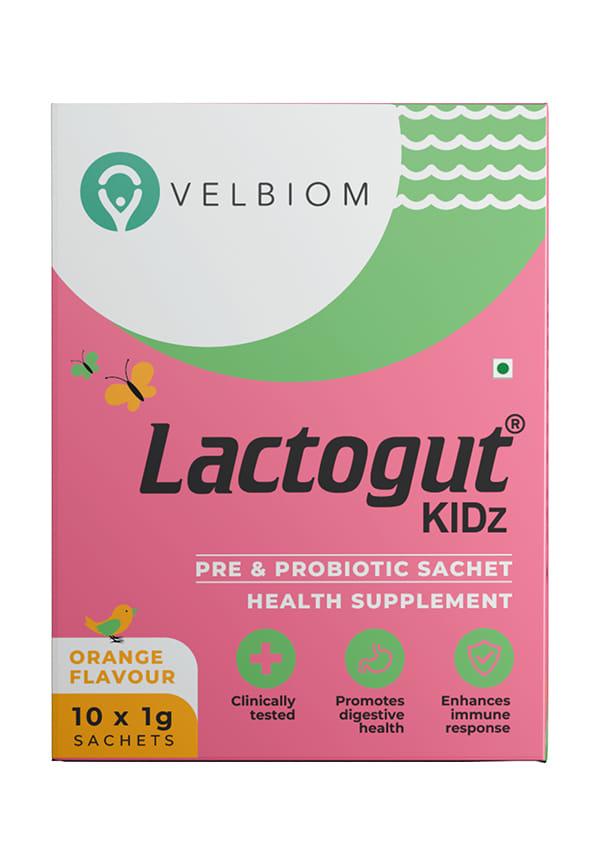
Lactogut Kidz Probiotics| Children Gut Health, Wellness and Immunity | Pre+Probiotic+Zinc Formula
Before you start shopping for supplements, consider whether your plate might already hold the answers you're looking for. A well-planned beard growth diet can provide most of the nutrients your facial hair needs, often in more bioavailable forms than synthetic supplements.
Protein-rich foods form the foundation of any beard-supporting diet. Your hair is primarily protein, so adequate intake from sources like lean meats, fish, eggs, and legumes provides the building blocks your follicles need. Aim for about 1.2-1.6 grams per kilogram of body weight if you're active.
Omega-3 fatty acids from fatty fish, walnuts, and flaxseeds support overall hair health by reducing inflammation and supporting hormone production. These healthy fats also help your body absorb fat-soluble vitamins like A, D, E, and K — all important for hair growth.
Colourful fruits and vegetables provide the vitamin C, vitamin A, and antioxidants your beard needs for protection and growth. Think berries, citrus fruits, sweet potatoes, and leafy greens. The more variety in your produce choices, the broader spectrum of beneficial compounds you'll get.
Not all beard growth supplements are created equal, and more isn't always better when it comes to vitamins. Understanding potential side effects and safety considerations can save you from uncomfortable experiences and wasted money.
High-dose biotin supplements, whilst generally safe, can interfere with certain lab tests, particularly thyroid function tests. If you're having blood work done, let your healthcare provider know about any supplements you're taking. Some people also experience mild digestive upset when starting biotin supplementation.
Fat-soluble vitamins (A, D, E, K) can accumulate in your body if taken in excessive amounts, potentially leading to toxicity. This is why it's important to check the dosages in your supplements and consider what you're already getting from food and other sources.
Quality matters enormously in the supplement world. Look for products that have been third-party tested, carry relevant certifications, and come from reputable manufacturers. The cheapest option often isn't the best value when it comes to your health.
Biotin stands out as the most researched vitamin for hair growth, supporting keratin production essential for strong beard hair. However, a combination approach with vitamins D, C, and B-complex typically yields better results than single-nutrient supplementation. Your beard needs multiple nutrients working together, not just one magic bullet.
Whilst genetics determine your maximum beard potential, nutritional factors can significantly influence whether you reach that potential. Proper vitamin intake can optimise growth within your genetic limits. Think of genetics as setting the ceiling, whilst nutrition determines how close you get to touching it.
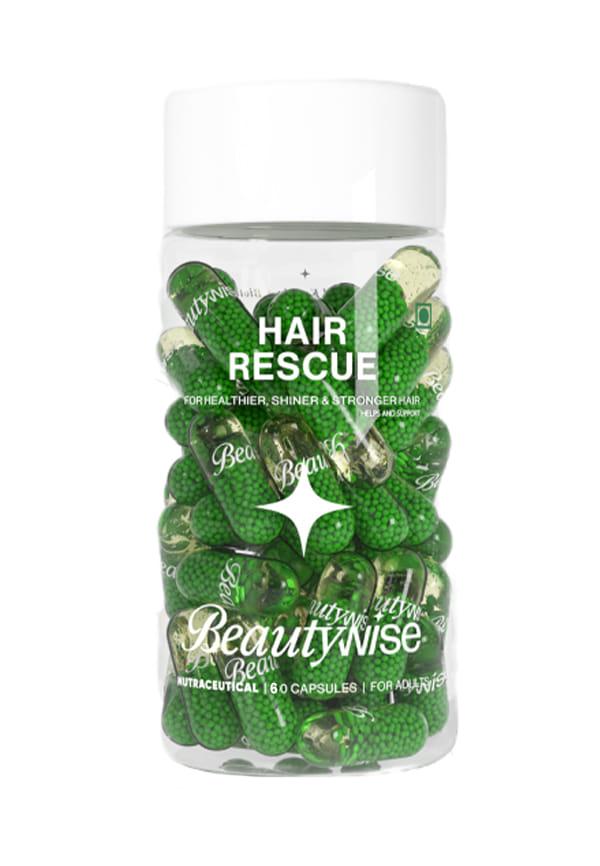
Hair Rescue, Hair Aminos, Vitamins, DHT Blocker for Hairfall Control & Growth
Most users notice improvements in hair texture and reduced shedding within 4-6 weeks, with visible growth changes typically appearing after 2-3 months of consistent supplementation. Hair growth is a slow process, so patience is essential. Anyone promising faster results is probably overselling.
A well-balanced diet can provide most essential nutrients for facial hair, but targeted supplementation may be beneficial for men with specific deficiencies or those seeking to optimise facial hair growth. Food should always be your first choice, with supplements filling specific gaps rather than replacing good nutrition.
Effectiveness varies based on individual nutritional status, genetics, age, and overall health. Supplements work best for addressing specific nutrient deficiencies rather than creating growth beyond genetic potential. If your nutrition is already solid, don't expect dramatic changes from supplementation alone.
Essential vitamins for men's hair are often the same whether targeting scalp or facial hair, but beard-specific formulations may include additional nutrients like saw palmetto or ingredients targeting DHT sensitivity. The core vitamins remain similar — it's more about marketing positioning than fundamental differences.
Highly processed foods, excessive sugar, and alcohol can negatively impact hair health by creating inflammation and depleting essential nutrients. A beard growth diet should focus on whole foods rather than just adding supplements to a poor foundation.
Absolutely. Chronic stress can disrupt hair growth cycles and increase nutrient requirements. Even the best vitamins for beard health won't work optimally if you're constantly stressed. Managing stress through sleep, exercise, and relaxation techniques supports your supplementation efforts.
Understanding beard growth vitamins for wellness isn't about finding a magic solution — it's about creating the right nutritional foundation for your facial hair to reach its potential. The most effective approach combines targeted nutrients like biotin, vitamin D, and B-complex vitamins with a solid diet rich in protein, healthy fats, and antioxidants.
Remember that supplements work best when addressing specific deficiencies rather than trying to push beyond your genetic limits. Give any new routine at least 2-3 months to show results, and don't forget that factors like stress management, sleep quality, and overall health play huge roles in your beard's success.
Whether you're just starting your beard journey or looking to optimise what you've already got, the key is consistency and realistic expectations. Your beard reflects your overall health, so taking care of yourself holistically will always be the best strategy for facial hair success. Not sure which beard care products might work for your specific needs? Smytten also offers trial-size versions of many grooming and wellness products — a smart way to test different approaches before committing to full-size purchases.
