Ultimate Checklist for Stronger Hair: Tips & Tricks


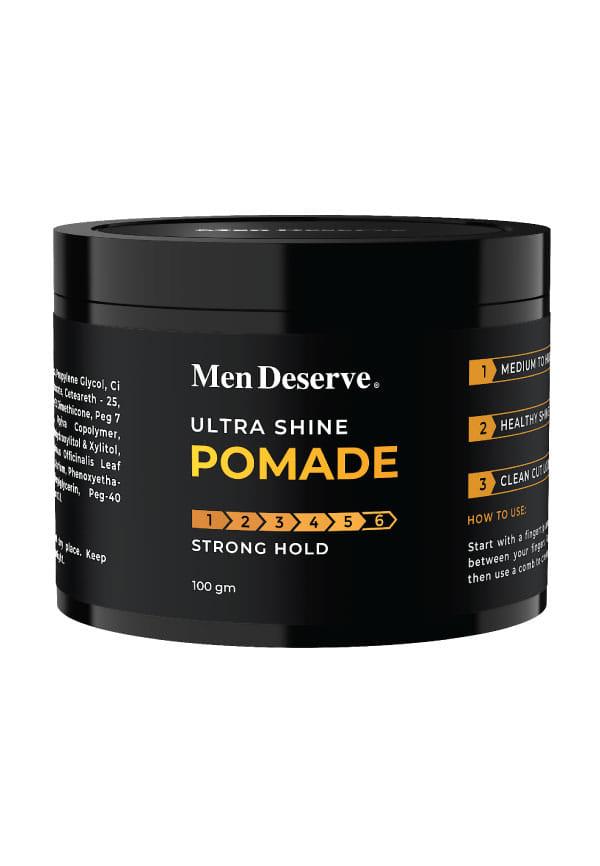
Hair Styling Ultra Shine Pomade for Strong Hold and Wet Look Hairstyle
You know that moment when you run your fingers through your hair and find way more strands than you'd like? Or when your ponytail feels thinner than it used to? Hair strength isn't just about genetics—it's about the daily choices you make. From how you wash to what you eat, every little habit adds up. The good news? Stronger hair is totally achievable with the right approach. Let's dive into a proper checklist that actually works, covering everything from the science behind hair strength to the practical steps you can take starting today.
Real talk—understanding what your hair is actually made of changes everything about how you care for it. Your hair is roughly 90-95% keratin, a protein that forms the building blocks of each strand. Think of it like a rope made of tiny fibres twisted together. When these fibres are healthy and intact, your hair feels strong, looks shiny, and can handle daily styling without snapping.
Each hair strand has three layers: the cuticle (the outer protective layer), the cortex (where your hair's strength and colour live), and the medulla (the innermost core). When the cuticle gets damaged—from heat, chemicals, or rough handling—the cortex becomes vulnerable. That's when you start seeing breakage, dullness, and that frustrating frizz that won't quit.
Hair weakness usually shows up as increased breakage, especially around your hairline and ends. You might notice your hair feeling rougher to the touch, looking less shiny, or seeming thinner overall. Sometimes it's obvious damage from over-processing, but often it's the result of small daily habits that add up over time. The key is catching these signs early and adjusting your routine before things get worse.
Building a healthy hair routine doesn't mean overhauling your entire life—it's about tweaking the basics you're already doing. These daily habits form the foundation of stronger hair, and once they become second nature, you'll wonder why you didn't start sooner.
How often you wash depends on your hair type and lifestyle, but most people can get away with washing every 2-3 days. Oily scalps might need daily washing, while dry or textured hair can often go longer between washes. The trick is focusing your shampoo on your scalp—that's where the oil and buildup actually happen. Your ends don't need the harsh cleansing action of shampoo; the suds running down as you rinse are enough.
Conditioning is where the magic happens for hair strengthening tips. Apply conditioner from your mid-lengths to your ends, avoiding your roots unless your hair is extremely dry. Leave it on for at least 2-3 minutes to let the ingredients actually penetrate your hair shaft. Sulphate-free shampoos are worth considering if your hair feels stripped or dry after washing—they clean without being overly harsh.
Wet hair is your hair at its most vulnerable. When hair is saturated with water, it swells and becomes more elastic, which means it's easier to stretch and break. Always use a wide-tooth comb or a detangling brush specifically designed for wet hair. Start from the ends and work your way up—never drag a comb through tangles from root to tip.
Your towel-drying technique matters more than you think. Instead of rubbing your hair vigorously (which creates friction and frizz), gently blot and squeeze the water out. Even better, try a microfibre towel or an old cotton t-shirt, which are gentler on your hair cuticles than regular terry cloth towels.
Heat styling doesn't have to be the enemy of strong hair, but it does need to be done thoughtfully. The goal is minimising damage while still achieving the looks you want. Hair breakage prevention starts with understanding that every time you apply heat above 300°F, you're essentially cooking the proteins in your hair.
A good heat protectant is non-negotiable if you're using hot tools. Apply it to damp hair before blow-drying, and again on dry hair before using straighteners or curling irons. Look for products that specifically mention thermal protection and can handle temperatures up to 450°F. Don't just spray and go—work the product through your hair with your fingers or a comb to ensure even coverage.
Temperature settings matter enormously. Fine or damaged hair should stay below 300°F, while thicker, healthier hair can handle up to 350-400°F. Most styling tools get much hotter than necessary, so don't assume the highest setting is the best. Lower temperatures with multiple passes are always better than one high-heat pass that fries your hair.
Protective hairstyles aren't just for special occasions—they're daily tools for preventing breakage. Loose braids, silk scrunchies, and styles that keep your ends tucked away all help minimise friction and damage. Avoid tight ponytails that create tension at your hairline, and switch up where you place your hair ties to prevent weak spots from forming.
Strong hair starts at the root, literally. Your hair follicles need proper nutrition to produce healthy strands, and your scalp needs to be in good condition to support optimal hair growth. This is where how to get stronger hair becomes less about products and more about overall wellness.
Protein is obviously crucial since your hair is mostly keratin, but you don't need to go overboard. Most people get enough protein from their regular diet, but if you're vegetarian or vegan, make sure you're including complete proteins like quinoa, lentils, and nuts. Iron deficiency is one of the most common causes of hair thinning, especially in women, so include iron-rich foods like spinach, red meat, and beans.
Biotin gets a lot of hype, but unless you're actually deficient, supplements probably won't make a dramatic difference. Focus on getting B vitamins from whole foods like eggs, leafy greens, and fish. Omega-3 fatty acids from salmon, walnuts, and flaxseeds help keep your scalp healthy and your hair shiny. The key is consistency—your hair grows slowly, so nutritional changes take 3-6 months to show up in your strands.
A healthy scalp is the foundation of strong hair growth. Regular scalp massage—even just 5 minutes while you're watching TV—increases blood circulation to your hair follicles. Use your fingertips (not your nails) and apply gentle pressure in circular motions. You can do this with or without oil, though adding a few drops of jojoba or argan oil can provide extra nourishment.
If you're dealing with dandruff, excess oil, or scalp irritation, address these issues first. A compromised scalp can't support optimal hair growth. Natural treatments like tea tree oil (diluted) or aloe vera gel can help soothe irritation, but persistent problems might need professional attention.
Sometimes the best natural hair strengtheners are sitting right in your kitchen. DIY treatments can be incredibly effective for adding protein, moisture, and nutrients to your hair—plus they're budget-friendly and free from harsh chemicals.
Egg yolk masks are classic for a reason. Eggs contain protein, biotin, and healthy fats that can temporarily fill in gaps in damaged hair cuticles. Mix one or two egg yolks with a tablespoon of olive oil and apply to damp hair, focusing on the mid-lengths and ends. Leave it on for 20-30 minutes, then rinse with cool water (hot water will cook the egg and make it harder to remove).
Oil treatments work best when you choose the right oil for your hair type. Coconut oil penetrates the hair shaft well but can be too heavy for fine hair. Argan oil is lighter and works for most hair types. Jojoba oil technically isn't an oil—it's a wax ester that closely mimics your scalp's natural sebum. Apply your chosen oil to dry hair, leave it on for at least 30 minutes (or overnight), then shampoo as usual.
Weekly deep conditioning doesn't have to involve expensive salon treatments. Mix equal parts honey and olive oil with a mashed avocado for a nourishing mask that adds moisture and shine. The key with any DIY treatment is consistency—once a week for at least a month to see real results.
When it comes to the best hair products for strength, ingredients matter more than fancy packaging or celebrity endorsements. Look for products that contain keratin, peptides, or amino acids—these can temporarily fill in damaged areas of your hair shaft and make your hair feel stronger immediately.
Biotin in topical products is more about marketing than science, but ingredients like panthenol (pro-vitamin B5), hydrolysed proteins, and ceramides actually do help strengthen hair. Bond-building treatments that contain ingredients like bis-aminopropyl diglycol dimaleate can help repair chemical damage from colouring or relaxing.
For damaged hair repair, look for leave-in treatments and serums that you can apply to damp hair before styling. These create a protective barrier and can help prevent further damage while your hair grows out. The key is finding products that work for your specific hair type—what works for thick, coarse hair might be too heavy for fine strands.
Reading ingredient lists becomes easier once you know what to avoid. Sulphates aren't necessarily evil, but if your hair feels dry or stripped after washing, try sulphate-free alternatives. Avoid products with high amounts of drying alcohols (like denatured alcohol) listed in the first few ingredients.
Hair growth tips often focus on products and treatments, but your lifestyle choices play a huge role in hair health. Sleep quality affects everything in your body, including hair growth. Your hair follicles are some of the most active cells in your body, and they need proper rest to function optimally.
Switching to a silk or satin pillowcase isn't just bougie—it actually reduces friction that can cause breakage and frizz. If that's not in your budget, a silk or satin hair wrap works just as well. Loose braids or a silk scrunchie can also protect your hair while you sleep.
Sun protection for your hair is just as important as for your skin. UV rays can break down the proteins in your hair and fade colour. Wear a hat when you're spending extended time outdoors, or use hair products with UV filters. Chlorine from swimming pools is particularly damaging—wet your hair with fresh water before swimming and use a leave-in conditioner to create a barrier.
Stress management isn't just good for your mental health—chronic stress can actually push hair follicles into a resting phase, leading to increased shedding and slower growth. Regular exercise improves circulation throughout your body, including to your scalp, which can support healthy hair growth.
Focus on gentle handling, proper nutrition, and regular scalp massage. Use natural oils like argan or jojoba for weekly treatments, eat protein-rich foods, and avoid harsh styling practices. Consistency with these natural hair strengtheners typically shows results in 2-3 months.
You might notice immediate improvements in texture and manageability, but real structural changes take time. Since hair grows about half an inch per month, expect to see significant improvements in 3-6 months of consistent care.
Hair that's already grown out of your scalp can't be permanently repaired—it's not living tissue. However, you can temporarily improve its appearance and prevent further damage while healthy new hair grows in. Focus on protecting what you have and optimising conditions for new growth.
Hair growth refers to how fast new hair emerges from your follicles, while hair strength is about the structural integrity of existing strands. You can have fast-growing hair that's weak and prone to breakage, or slower-growing hair that's incredibly strong.
Trimming doesn't make your hair grow faster, but it does prevent split ends from travelling up the hair shaft and causing more damage. Most people benefit from trims every 8-12 weeks, but if your hair is very damaged, you might need more frequent trims initially.
Not necessarily. While some premium ingredients are worth the investment, many drugstore products contain the same active ingredients as high-end versions. Focus on finding products with proven strengthening ingredients that work for your hair type, regardless of price point.
Building stronger hair is a marathon, not a sprint. The most effective approach combines gentle daily habits, proper nutrition, and targeted treatments that work for your specific hair type. Remember that consistency beats intensity—small, sustainable changes in your routine will give you better results than dramatic overhauls you can't maintain.
Start with the basics: gentle washing and conditioning, heat protection, and proper nutrition. Add in weekly treatments and scalp care as these become routine. Most importantly, be patient with the process. Your hair will thank you for the consistent care, and you'll start seeing the results in both how your hair looks and how it feels.
If you're looking to experiment with different strengthening products, Smytten's curated selection includes trusted brands like WishCare, Bella Vita, and Love Beauty & Planet. Not sure which formulation works best for your hair type? Trial-size versions of many hair strengthening products are available—a smart way to test before committing to full bottles.
