Types of Hair Products FAQ: Your Complete Guide


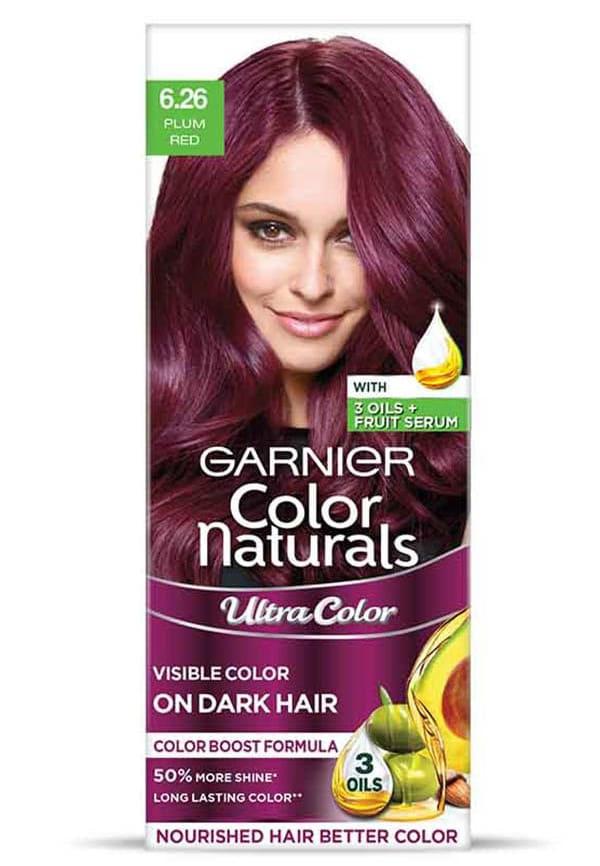
Color Naturals Ultra Shade
Ever stood in the haircare aisle feeling completely overwhelmed by the sheer number of bottles, tubes, and sprays staring back at you? You're definitely not alone. With hundreds of different types of hair products promising everything from bouncy curls to silky straight locks, figuring out what actually works for your hair can feel like solving a puzzle without all the pieces. The good news? Once you understand the main categories and what each product type does, building your perfect hair routine becomes so much clearer.
Let's break down the world of hair products into digestible chunks. Think of hair products as falling into five main families, each with their own special job to do. Cleansing products are your foundation—shampoos that wash away buildup, clarifying treatments for deep cleans, and dry shampoos for those in-between days. Conditioning products come next, including your regular conditioner, intensive deep treatments, and leave-in formulas that keep working long after you've stepped out of the shower.
Hair styling products are where the magic happens for your daily looks. This family includes gels for strong hold, mousses for volume, pomades for sleek styles, waxes for texture, and sprays to lock everything in place. Treatment products focus on hair health—serums that target specific concerns, nourishing oils, intensive masks, and heat protectants that shield your strands from styling damage.
Finally, specialty products tackle very specific needs. Volumisers for fine hair, texturisers for added grip, colour-safe formulas for treated hair, and scalp treatments for underlying issues. Each category serves a purpose, and understanding where your hair needs the most support helps you choose the right mix.
Real talk—you don't need fifty products to have great hair. A solid routine starts with the basics and builds from there. Your daily essentials are a good shampoo and conditioner suited to your hair type. Fine hair loves lightweight, volumising formulas, while thick or curly hair thrives with richer, more moisturising options.
Weekly treatments deserve a spot in your routine too. Deep conditioning masks work wonders for dry or damaged hair, while clarifying treatments help remove product buildup that can weigh hair down. If you use heat tools regularly, a quality heat protectant isn't optional—it's essential for preventing long-term damage.
Scalp care often gets overlooked, but healthy hair starts with a healthy scalp. Scalp scrubs, tonics, and targeted treatments can address issues like dryness, oiliness, or sensitivity. When layering products, the general rule is thinnest to thickest consistency—so leave-in conditioner first, then serum, followed by cream, and finally gel or mousse.
Styling products are where personal preference really shines through. High hold products like strong gels, firm mousses, and maximum-hold sprays are perfect for styles that need to last all day or for hair that's naturally resistant to styling. These typically give you 8-12 hours of hold but can feel stiffer to the touch.
Medium hold options strike a balance between control and movement. Pomades, styling creams, and flexible-hold sprays let you restyle throughout the day while still maintaining your look. They're ideal for most everyday styles and work well for hair that holds style reasonably well on its own.
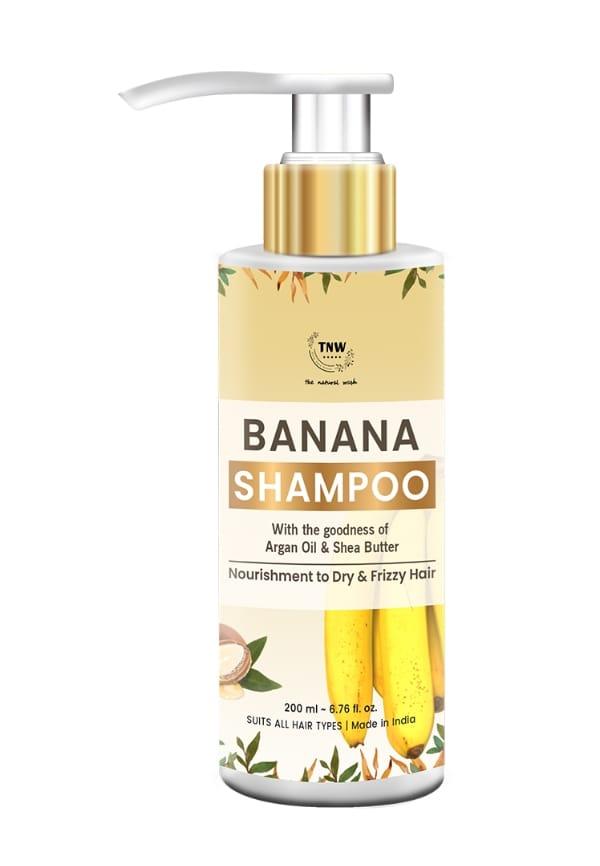
Banana Shampoo for Frizz | AntiFrizz Shampoo for All Hair Types | Banana Shampoo for Manageable Hair200ml
Light hold solutions are all about enhancing your hair's natural texture rather than forcing it into a specific shape. Texturising sprays, volumising mousses, and light creams add body and definition without stiffness. The finish you choose—matte, high-shine, or natural—can completely change how your style looks and feels.
Professional hair products often contain higher concentrations of active ingredients and more sophisticated formulations compared to drugstore options. However, the best product for you depends on your specific hair needs, not just the price tag. Many affordable options deliver excellent results when matched correctly to your hair type.
Understanding ingredients helps you make smarter choices about what goes on your hair. Beneficial proteins like keratin, silk, and wheat proteins can strengthen damaged hair and add body to fine strands. However, too much protein can make hair brittle, so balance is key.
Moisturising ingredients such as hyaluronic acid, glycerin, and natural oils like argan or jojoba help maintain hair's hydration levels. These are especially important for dry, damaged, or chemically treated hair.
When it comes to ingredients to approach with caution, harsh sulfates can strip hair of natural oils, though newer sulfate alternatives offer gentler cleansing. Not all alcohols are bad—fatty alcohols like cetyl alcohol actually moisturise hair, while drying alcohols like denatured alcohol can cause brittleness.
Silicones get a mixed reputation, but they're not inherently bad. They can provide heat protection and shine, but some types can build up over time. Water-soluble silicones wash out more easily than others. Natural hair products appeal to many people, but remember that natural doesn't automatically mean better—it's about finding what works for your specific hair needs.
Your hair type is your starting point for product selection, but it's not the whole story. Straight hair (Type 1A-1C) tends to get oily quickly and can look flat without the right products. Volumising shampoos, lightweight conditioners, and root-lifting mousses work well. Oil control products and texturising sprays can add body without weighing hair down.
Wavy hair (Type 2A-2C) sits in a sweet spot between straight and curly, but it can be unpredictable. Curl-enhancing creams and gels help define natural wave patterns, while anti-frizz serums keep things smooth. Leave-in conditioners provide moisture without heaviness, and scrunching gels can enhance texture.
Curly hair (Type 3A-3C) needs moisture above all else. Sulfate-free cleansers prevent stripping natural oils, while rich conditioners provide essential hydration. Curl creams, defining gels, and mousses help maintain shape and reduce frizz. Deep conditioning masks and protein treatments address damage from manipulation and environmental factors.
Coily hair (Type 4A-4C) requires the most moisture and gentle handling. Co-washing products and ultra-moisturising shampoos cleanse without over-drying. Heavy creams, butters, and oils provide the intense moisture this hair type needs. Protective styling products and edge control help maintain styles while minimising breakage.
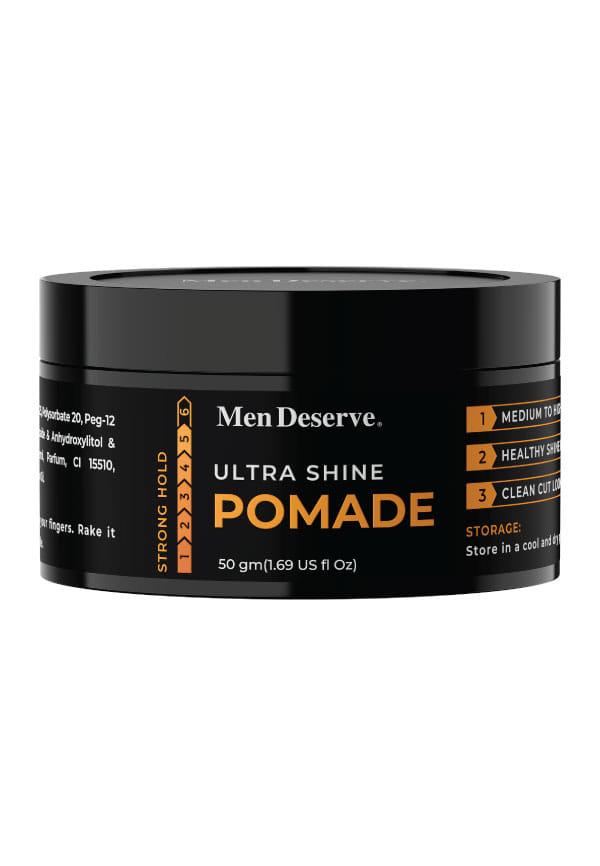
Hair Styling Ultra Shine Pomade for Strong Hold and Wet Look Hairstyle
Where you live affects which products work best for your hair. Humid climates call for anti-frizz formulas and humidity-resistant styling products. Dry climates require extra moisturising products and protective formulas to prevent brittleness.
In India, traditional ingredients like coconut oil, neem, and hibiscus are increasingly found in modern formulations, combining cultural wisdom with contemporary science. Many brands now offer climate-specific formulations designed for local conditions.
There are over 15 major categories of hair products, including cleansing, conditioning, styling, treatment, and specialty products. Within each category, you'll find multiple subcategories, resulting in hundreds of specific product types designed for different hair needs and concerns. The variety ensures there's something for every hair type and styling preference.
Hair care products like shampoos, conditioners, and treatments focus on maintaining hair health, providing moisture, and addressing specific concerns like damage or dryness. Hair styling products such as gels, mousses, and sprays are designed to provide hold, texture, and finish for creating specific looks. You need both types for a complete routine.
Start by identifying your hair's texture (straight, wavy, curly, or coily), thickness (fine, medium, or thick), and porosity (how well it absorbs moisture). Consider any specific concerns like dryness, damage, or colour treatment. Match products to these characteristics rather than just following trends or recommendations from friends with different hair types.
Not necessarily. While higher-priced products often contain more sophisticated ingredients and formulations, effectiveness varies by individual. Focus on reading ingredient lists and reviews rather than price alone. Sometimes a drugstore product works better for your specific hair needs than a luxury option.
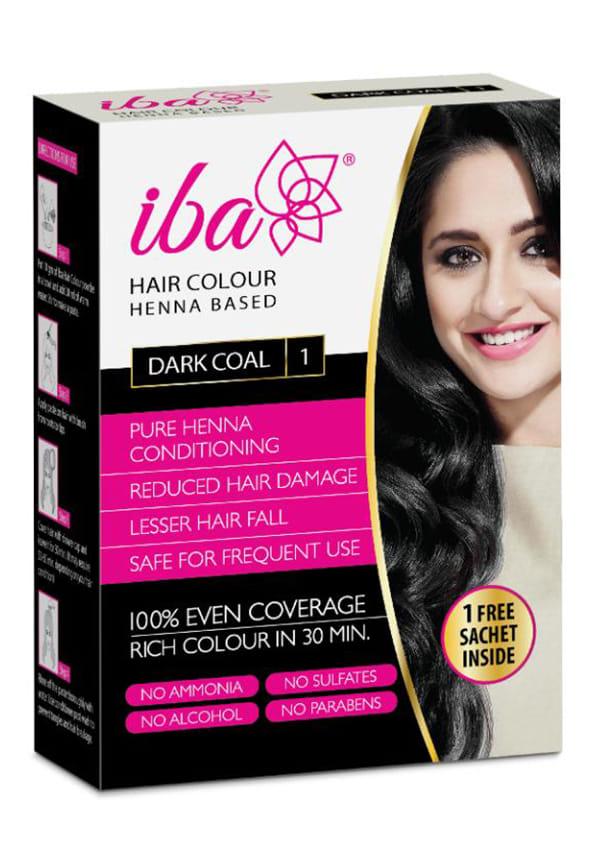
Halal Care Hair Colour
Absolutely! Layering products is common and often necessary for achieving your desired results. Apply products from thinnest to thickest consistency: start with leave-in conditioner, then serum, followed by cream, and finish with gel or mousse. This prevents products from interfering with each other's performance.
This depends entirely on your hair type and lifestyle. Fine or oily hair might need daily washing, while thick, curly, or coily hair often benefits from washing just once or twice a week. Dry shampoo can extend time between washes for most hair types. Listen to your hair and adjust based on how it looks and feels.
This varies by hair type, but generally, harsh sulfates can be too stripping for dry or damaged hair. Drying alcohols like denatured alcohol can cause brittleness. Some people prefer to avoid silicones that build up over time. However, what works depends on your individual hair needs and concerns.
The actual formulations often don't differ significantly between products marketed to men versus women. The main differences are usually in packaging, scent, and marketing. Focus on choosing products based on your hair type and styling needs rather than gender-specific marketing.
Finding your perfect hair routine doesn't have to be overwhelming once you understand the basics. Start with quality cleansing and conditioning products suited to your hair type, then add styling and treatment products based on your specific needs and goals. Remember that what works for your friend might not work for you—hair is incredibly individual.
The key is experimenting thoughtfully rather than randomly. Pay attention to how your hair responds to different ingredients and formulations. Don't be afraid to adjust your routine seasonally or as your hair changes over time. Whether you're dealing with fine hair that needs volume, curls that need definition, or damaged hair that needs repair, there are products designed specifically for your concerns.
If you're curious about trying new formulations without committing to full-size bottles, Smytten offers trial-size versions of many popular hair products from trusted brands. It's a smart way to test what works for your hair before investing in larger sizes—because finding your perfect hair routine should be about discovery, not guesswork.
