Types of Frizz Products FAQ: Your Haircare Questions Answered


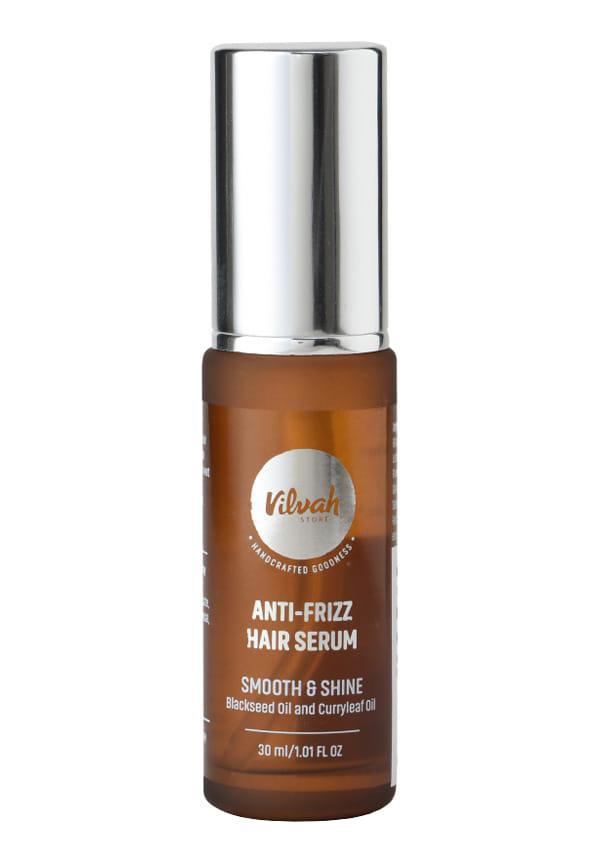
Anti-Frizz Hair Serum
Picture this: you've just stepped out of the shower, your hair looks smooth and manageable, and then — boom. Five minutes later, you're staring at a frizzy mess in the mirror. Sound familiar? You're definitely not alone in this daily hair drama. The thing is, not all frizz is created equal, and that's exactly why a one-size-fits-all approach to frizz control just doesn't cut it. Understanding the different types of frizz products available can be a total game-changer for your haircare routine.
Real talk — frizz isn't just frizz. There are actually five distinct types, and each one responds differently to various products. Getting this right means you'll stop throwing money at random anti-frizz serums that don't work for your specific situation.
That annoying crown of flyaways around your hairline? That's halo frizz, and it's usually caused by new growth or broken hairs. For this type, you'll want lightweight anti-frizz serums that won't weigh down your roots. Hair oils for frizz work brilliantly here, but stick to lighter formulas like argan or jojoba oil. Apply these products sparingly to damp hair, focusing on smoothing down those rebellious baby hairs without creating greasiness.
Surface frizz shows up as a rough, textured feeling across your hair shaft. Hair smoothing products are your best friends here — think creams and serums that create a protective barrier. Frizz taming creams work particularly well because they add moisture whilst sealing the hair cuticle. The key is applying these products to damp hair and distributing them evenly from mid-length to ends.
When your entire head turns into a triangle of fluff, you're dealing with pouf ball frizz. This calls for heavy-duty frizz control products and humidity resistant hair products. Look for formulas with silicones or polymers that create a strong barrier against moisture. These products might feel heavier, but they're necessary for severe frizz cases.
Frizzy ends are often a sign of damage or split ends. Whilst trimming is the ultimate solution, targeted serums and treatments can help manage the appearance. Focus on products with repairing ingredients like keratin or proteins that temporarily fill in damaged areas of the hair shaft.
Sometimes your products are actually causing the frizz. Ingredients that don't play well together, or formulas that strip your hair's natural oils, can leave you frizzier than when you started. This is where frizz prevention becomes crucial — choosing compatible products that work with your hair type rather than against it.
Now that you know what type of frizz you're dealing with, let's break down the different product categories and how they work. Think of this as your frizz-fighting toolkit — each product has its own superpower.
Your frizz control journey starts in the shower. Frizz reducing shampoos are formulated to cleanse without stripping your hair's natural oils. Look for sulfate-free formulas that contain moisturising ingredients like glycerin or natural oils. Some people with very dry hair might benefit from co-washing (conditioner-only washing) a few times a week to maintain moisture levels.
Weekly deep conditioning treatments are non-negotiable for frizzy hair. These intensive treatments penetrate deeper than regular conditioners, helping to repair damage and smooth the hair cuticle. The key is finding the right balance between protein and moisture — too much protein can make hair brittle, whilst too much moisture can make it limp.
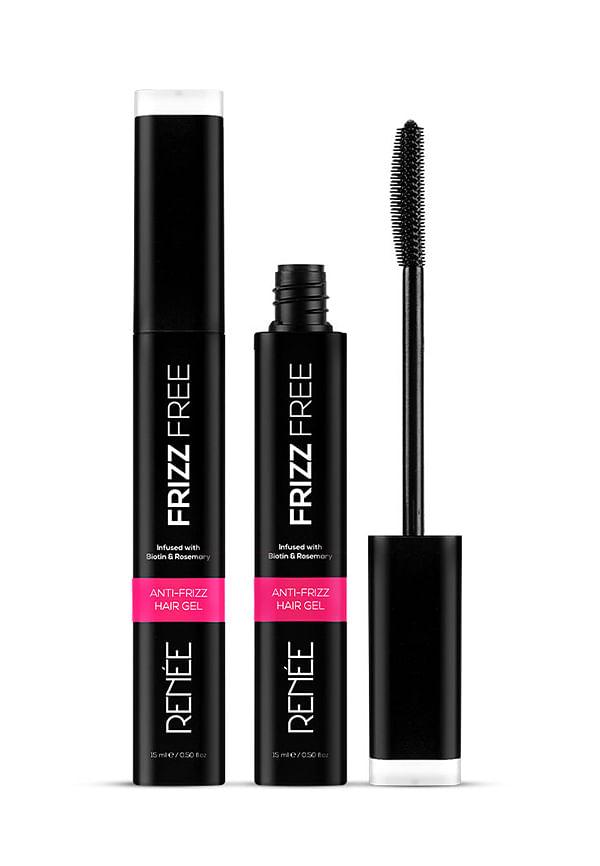
Frizz Free Anti Frizz Hair Gel
This is where the magic happens. Leave-in treatments, anti-frizz serums, and styling creams create a protective layer on your hair that lasts throughout the day. Anti-frizz serums tend to be lighter and work well for fine hair, whilst creams provide more moisture and control for thicker textures. Heat protectants with frizz control properties are brilliant for those who style their hair regularly.
Hair oils for frizz and finishing serums are your final step to lock in all that good work. These products seal the hair cuticle and add shine without the weight. Humidity resistant hair products in this category use advanced polymers that create an invisible shield against moisture in the air.
Your hair type plays a massive role in determining which frizz control products will work best for you. What works for your friend's thick, curly hair might be completely wrong for your fine, straight strands.
Fine hair gets weighed down easily, so you need lightweight frizz control that won't sacrifice volume. Look for volumising anti-frizz products or serums that specifically mention they won't weigh hair down. Apply these products sparingly — a little goes a long way. Mousse-based products can be brilliant for fine hair because they add body whilst controlling frizz.
Curly hair and frizz often go hand in hand, but the right products can help define your curls whilst keeping frizz at bay. Look for curl-enhancing creams that provide moisture and hold. The "plopping" technique (wrapping wet hair in a microfibre towel) combined with the right products can work wonders for curly hair frizz control.
Thick hair can handle heavier products, so don't be afraid of rich frizz taming creams and oils. These hair types often need more intensive moisture, so look for products with shea butter, coconut oil, or other deeply nourishing ingredients. Professional-strength treatments might be worth the investment for very coarse or resistant hair.
Chemically treated hair needs gentle frizz control that won't further damage the hair shaft. Look for colour-safe formulas that focus on repair as well as frizz control. Protein treatments can be particularly beneficial for damaged hair, but use them sparingly to avoid protein overload.
Let's be real — the weather plays a huge role in how your hair behaves. What works during Mumbai's monsoon season might be completely different from what you need in Delhi's dry winter air.
High humidity is frizz's best friend, which is why humidity resistant hair products are essential in tropical climates. These products create a barrier that prevents moisture from the air from penetrating your hair shaft. During monsoon season, you might need to switch to stronger formulas or layer multiple products for maximum protection.
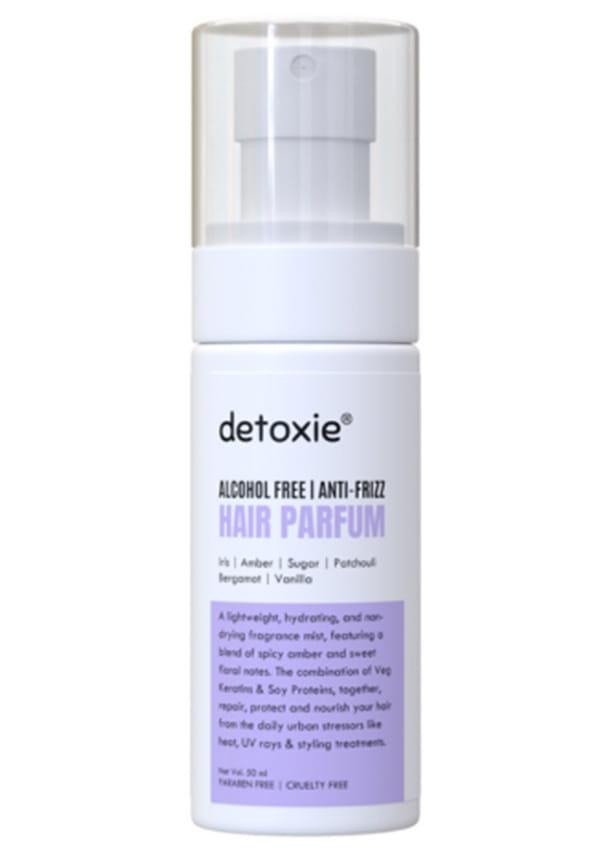
Alcohol Free Anti-Frizz Hair Parfum
Different regions often have access to different brands and price points. International brands might offer advanced formulas, but local brands often understand regional hair needs better. Consider your budget and availability when choosing products — consistency is more important than using the most expensive option.
Having the right products is only half the battle — how you apply them makes all the difference. Poor application can render even the best frizz control products useless.
Start your frizz control routine before you even step into the shower. Pre-wash oil treatments can help protect your hair from the drying effects of shampoo. Apply oil to dry hair, focusing on the mid-lengths and ends, and leave it on for at least 30 minutes before washing.
Water temperature matters more than you think. Hot water opens the hair cuticle, making it more prone to frizz. Use lukewarm water for washing and finish with a cool rinse to seal the cuticle. When conditioning, focus on the lengths and ends rather than the roots, and use a wide-tooth comb to distribute the product evenly.
The order in which you apply products can make or break your frizz control routine. Generally, you want to go from thinnest to thickest consistency: leave-in conditioner first, then serum, then cream, and finally oil if needed. Apply products to damp hair for better distribution and absorption.
Even with the right products, certain mistakes can sabotage your frizz control efforts. Avoiding these common pitfalls can dramatically improve your results.
Over-conditioning is just as problematic as under-moisturising. Too much moisture can make hair limp and actually increase frizz in some hair types. Similarly, using products that are too heavy for your hair type can weigh it down and make it look greasy. Pay attention to how your hair responds and adjust accordingly.
Brushing wet hair is one of the biggest frizz-causing mistakes. Wet hair is at its most fragile, and brushing can cause breakage and disturb the hair cuticle. Use a wide-tooth comb or your fingers to detangle, and always start from the ends and work your way up.
There are five main types of frizz: halo frizz (flyaways around the crown), surface frizz (rough texture), pouf ball frizz (overall volume), end frizz (damaged ends), and product-induced frizz. Halo frizz responds well to lightweight anti-frizz serums, surface frizz needs smoothing creams, pouf ball frizz requires heavy-duty humidity resistant products, end frizz benefits from repairing treatments, and product-induced frizz needs a complete routine overhaul with compatible products.
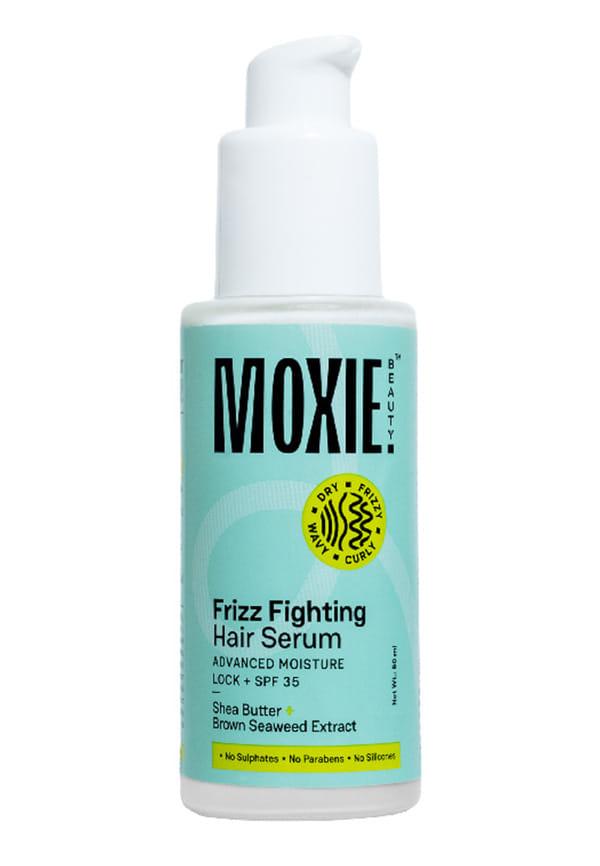
Frizz Fighting Hair Serum For Dry and Frizzy Hair
There's no single "best" product because frizzy hair varies so much between individuals. However, a good leave-in conditioner or anti-frizz serum tends to be the most versatile starting point. Look for products that offer multiple benefits — moisture, heat protection, and frizz control in one formula. Your hair type, texture, and specific frizz concerns should guide your choice more than any universal recommendation.
Humidity resistant hair products are essential for managing frizz in humid conditions. Look for formulas containing silicones, polymers, or film-forming agents that create a barrier against moisture. Anti-humidity serums and creams work by preventing water from the air from penetrating your hair shaft. You might need to use stronger formulas or layer multiple products during particularly humid seasons.
Dry frizzy hair needs intensive moisture, so look for products with hydrating ingredients like hyaluronic acid, glycerin, or natural oils. Deep conditioning masks used weekly, combined with daily leave-in treatments, work best. Hair oils for frizz can be particularly beneficial for dry hair — apply them to damp hair for better absorption and less greasy feeling.
Curly hair benefits from products that enhance curl definition whilst controlling frizz. Look for curl creams that provide moisture and hold without weighing down your curls. Products specifically designed for the curly girl method (CG-method) are often sulfate and silicone-free, which can help maintain curl health. Scrunching techniques combined with the right products can help define curls and reduce frizz simultaneously.
Fine hair needs lightweight formulas that won't weigh it down. Look for volumising anti-frizz products, lightweight serums, or mousse-based treatments. Avoid heavy creams and oils, which can make fine hair look limp and greasy. Apply products sparingly and focus on the mid-lengths and ends rather than the roots to maintain volume whilst controlling frizz.
Signs of product overload include hair that feels heavy, looks greasy, or actually becomes frizzier despite using anti-frizz products. Your hair might also feel sticky or have buildup that doesn't wash out easily. If this happens, try using a clarifying shampoo and reducing the number of products you use. Sometimes less really is more when it comes to haircare for frizzy hair.
Most frizz control products are designed to protect and smooth hair, but using the wrong products for your hair type or overusing certain ingredients can cause issues. Products with high alcohol content can be drying, whilst too much protein can make hair brittle. Always patch test new products and pay attention to how your hair responds over time.
You should see immediate smoothing effects from most frizz control products, but long-term improvements in hair health and manageability can take 4-6 weeks of consistent use. This is because it takes time for damaged hair to be replaced by new, healthier growth. Be patient and consistent with your routine for the best results.
Absolutely! Your hair's needs change with the weather. You might need lighter products in summer and heavier, more moisturising formulas in winter. Humidity levels, temperature, and even indoor heating can all affect how your hair behaves. Having a few different products to rotate based on conditions can help maintain consistent frizz control year-round.
Managing frizzy hair isn't about finding one miracle product — it's about understanding your specific type of frizz and building a routine that addresses your hair's unique needs. Whether you're dealing with humidity-induced pouf or damage-related end frizz, there are targeted solutions available. The key is being patient with the process and adjusting your routine based on how your hair responds. Remember that consistency trumps perfection, and sometimes the best approach is starting simple and building from there. Not sure which frizz control approach works for your hair? Smytten offers trial-size versions of many popular anti-frizz products — a smart way to test different formulas before committing to full-size bottles.
